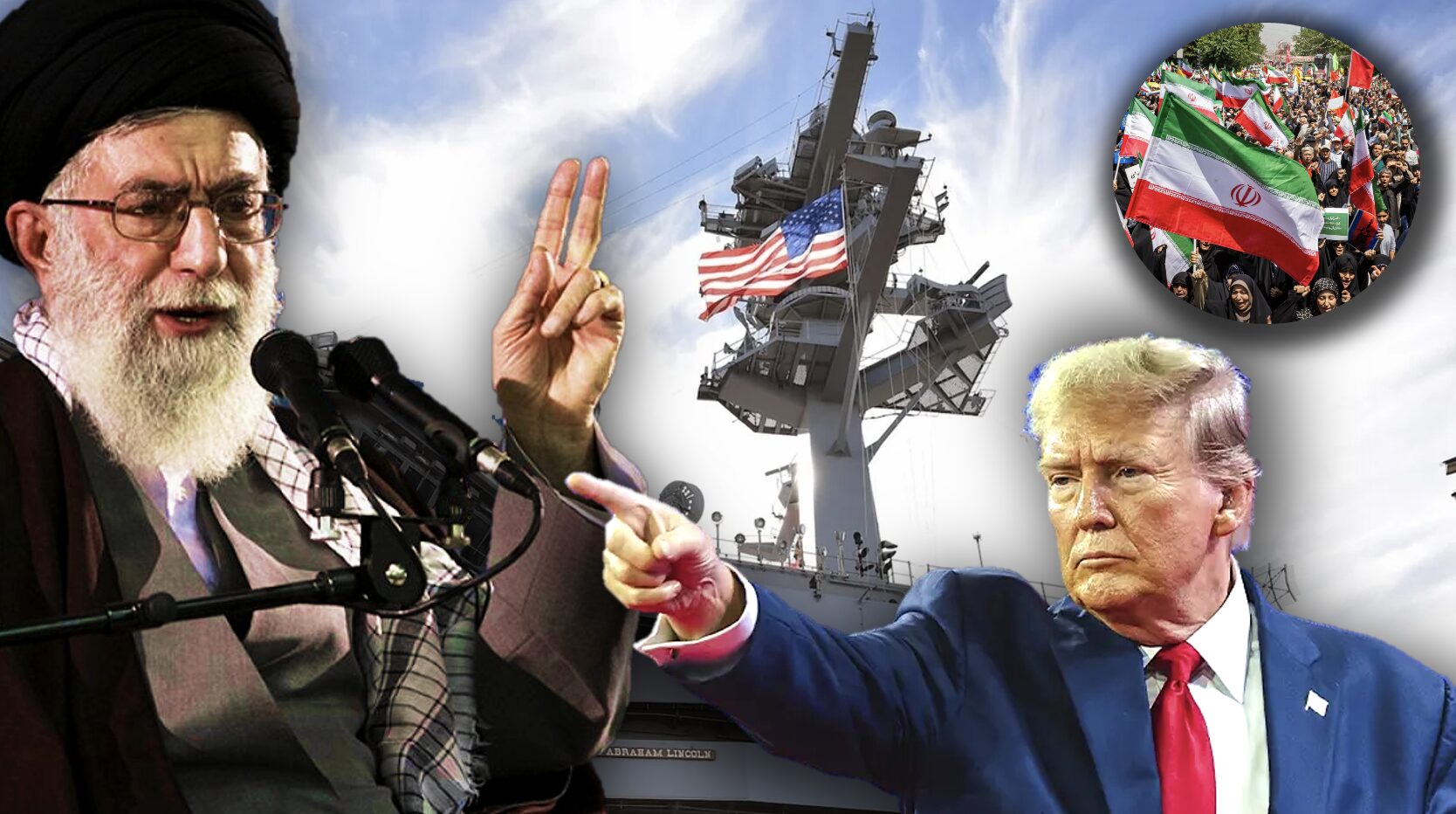


US Navy ships, led by the aircraft carrier Abraham Lincoln, have already arrived near Iran in the Persian Gulf. The US Central Command officially confirmed the arrival, BBC reports. The group spent more than a week traveling from the coasts of Southeast Asia. For now, it is unclear whether President Donald Trump’s threats to strike Iran in response to the harsh crackdown on protests will be carried out.
Earlier, Trump warned Iran that potential strikes could be “much worse” than last June’s attack. He also urged Tehran to enter negotiations quickly and agree on a nuclear deal, Bloomberg reports. In a post on TruthSocial, Trump wrote that the US fleet is “ready, willing, and able to rapidly fulfill its mission, with speed and violence, if necessary.” He added that he hopes for a “fair and mutually beneficial” agreement without nuclear weapons.
US Military Presence
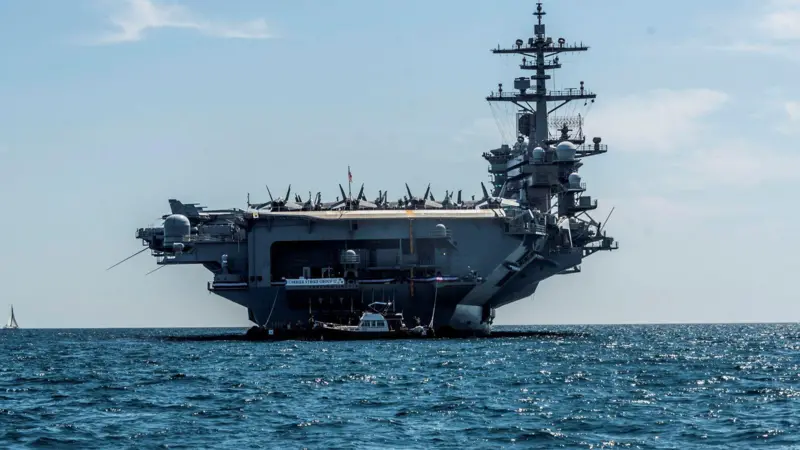
The aircraft carrier group is already near Iran. It includes escort ships and aircraft ready to carry out missions quickly. The Abraham Lincoln can host up to 90 aircraft, including planes and helicopters. In addition to the carrier, the group has three destroyers equipped with Tomahawk missiles. Military analysts say the main striking force would still be the carrier group. Additionally, strategic US bombers could participate, and they do not need to be relocated to the region.
The US has eight permanent bases in the region and more than ten temporary ones. Together, they host about 45,000 personnel. The US Central Command announced multi-day air exercises across the region, but it did not provide exact dates.
Trump’s Threats
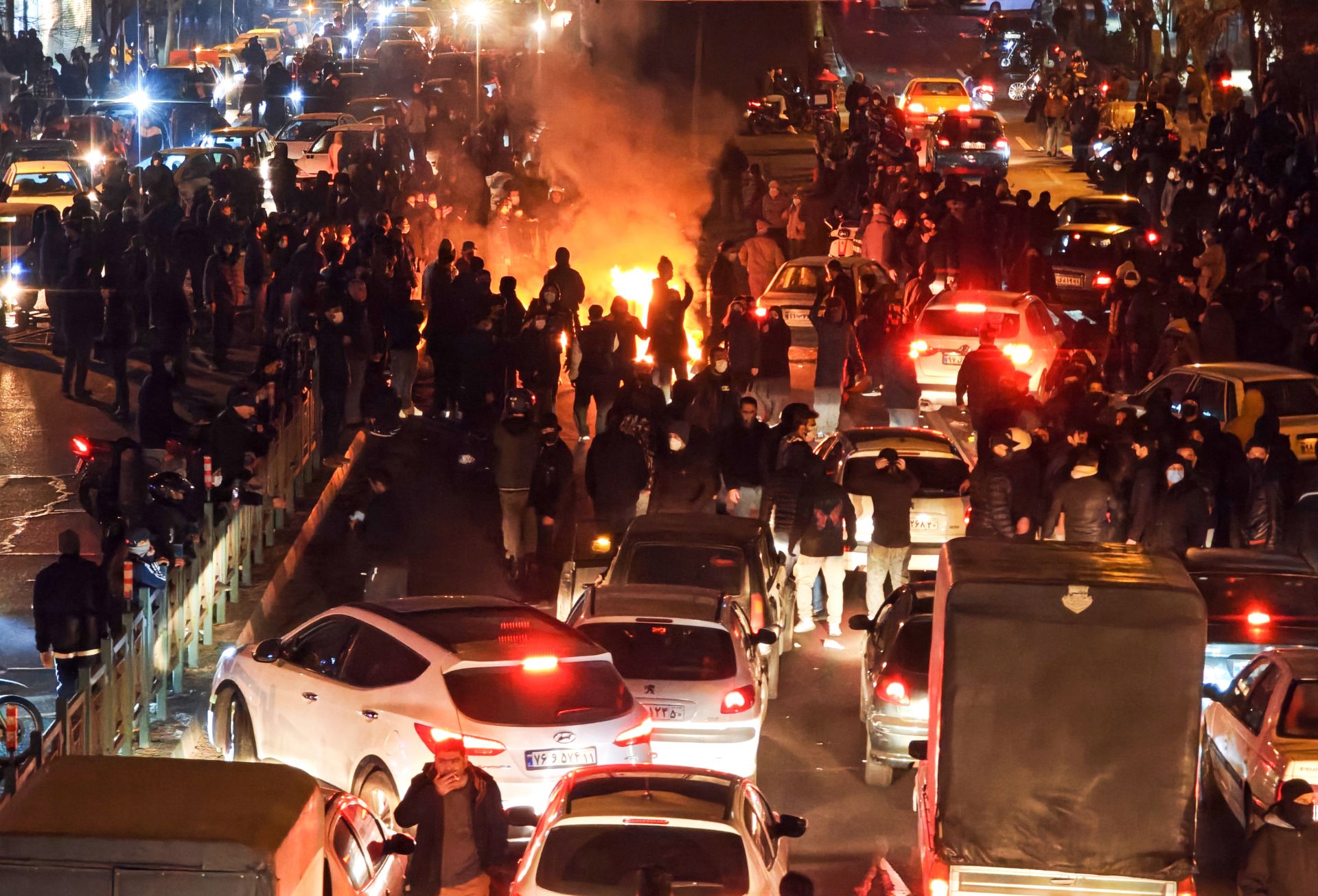
According to Bloomberg, Trump’s threats relate not only to Iran’s nuclear program but also to the violent suppression of protests that began in late December 2025 due to the rial’s devaluation. Since early January, Trump has warned he would order strikes if demonstrators were killed.
Iran’s Response
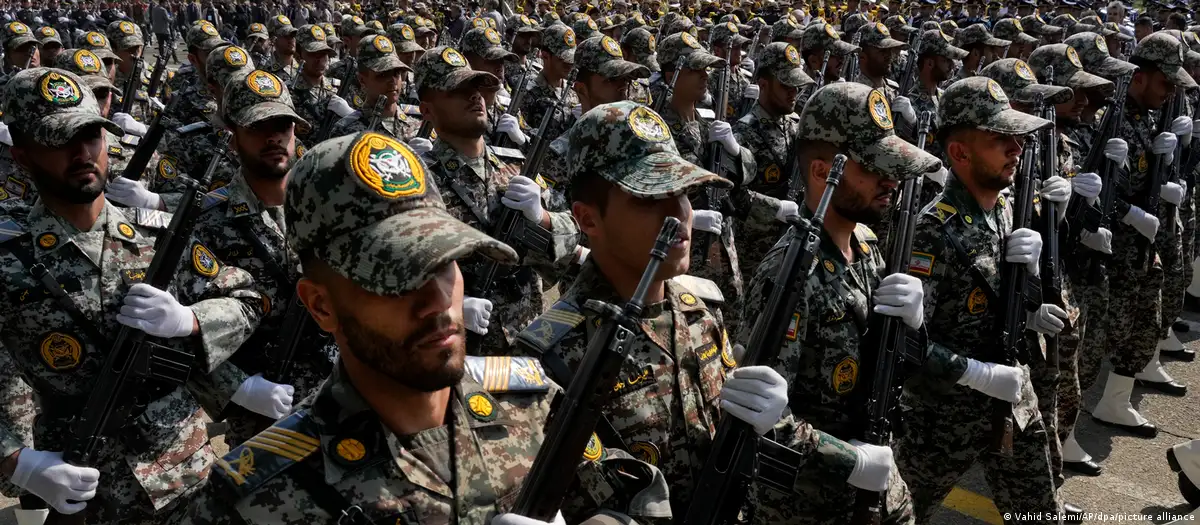
DW reports that Iran’s UN mission stated dialogue is only possible based on mutual respect. The country warned, if pressured, it would “respond like never before.” Deputy coordinator of the Iranian army, Habibollah Sayyari, said the military is on “round-the-clock alert.” Foreign Minister Abbas Araghchi added that there are currently no contacts with the US, and negotiations can only happen after threats and excessive demands are withdrawn.
Saudi Arabia and the UAE have confirmed that they will not allow their airspace to be used for attacks on Iran. Military analysts note that if Iran responds, its main targets could include Israel and US bases in the region.
Protests and Domestic Context
According to the latest Iranian government data, the protests have claimed about 5,000 lives, and thousands have been arrested. Internet restrictions make independent verification difficult.
Previously, The Ukrainian Review provided a detailed analysis of the situation in Iran. Earlier, Trump’s initiatives regarding Greenland caused tension with European leaders at the Davos forum. A few weeks ago, the outlet also covered a US special operation to capture Venezuelan President Nicolás Maduro. Meanwhile, discussions continue on a “peace plan” involving Ukraine, Russia, and the US.