

The energy crisis severely affected businesses, from local niche shops to industrial giants. During the winter of 2026, city streets sounded like a polyphony of generators, while blackout schedules were often impossible to predict. Most likely, the next cold season will look the same. How did businesses adapt to the most difficult winter? What do the budget figures show, and what are the main challenges and lessons for Ukraine and its partners?
Main Problems for each Business
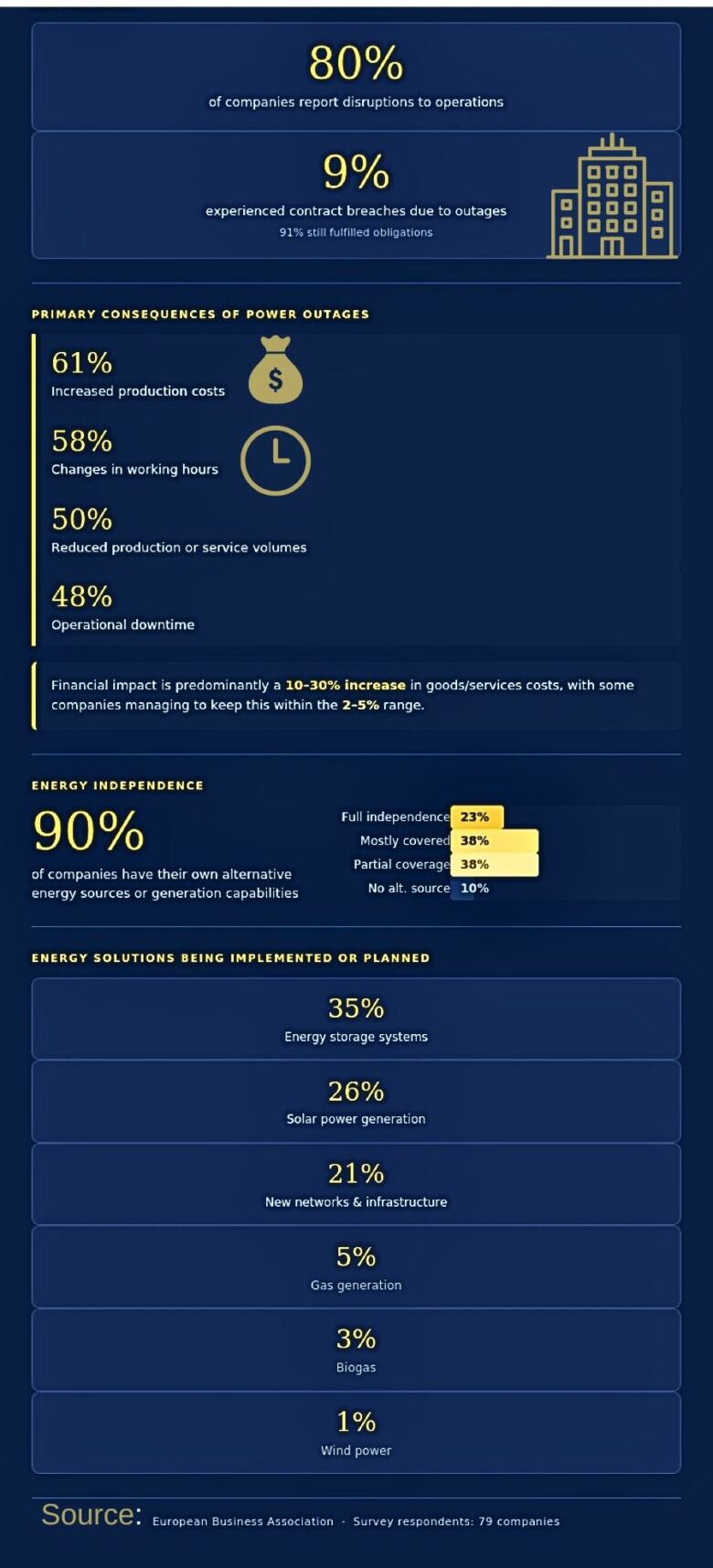
A January 2026 survey conducted by the European Business Association among 79 member companies found that 80% of respondents felt the impact of power outages, yet most adapted through energy autonomy.
Alternative energy sources that can be installed quickly are far more expensive than conventional ones and require additional knowledge and effort to implement. During peak periods, there is also a physical shortage of the necessary equipment on the market. Whenever the crisis intensifies again, prices for alternative power sources double or even triple, while high demand makes them difficult to obtain even through imports. Therefore, preparation may save both time and resources.
According to the Unified State Register, more than 250,000 sole proprietorships closed in Ukraine during the first 11 months of 2025. This reflects the overall condition of Ukraine’s small businesses and their fragility, but the energy crisis is also a component, as some of the companies haven`t returned to the market when the situation improved. Using a generator increases electricity costs by four to five times. As the State Customs Service reported, in January 2026, 13.6 tonnes of electric batteries worth 10.4 billion hryvnias were imported into Ukraine, representing a 109% increase on the figure for January 2025. China has become the main supplier of energy resources (91%).
Stronger Year by Year
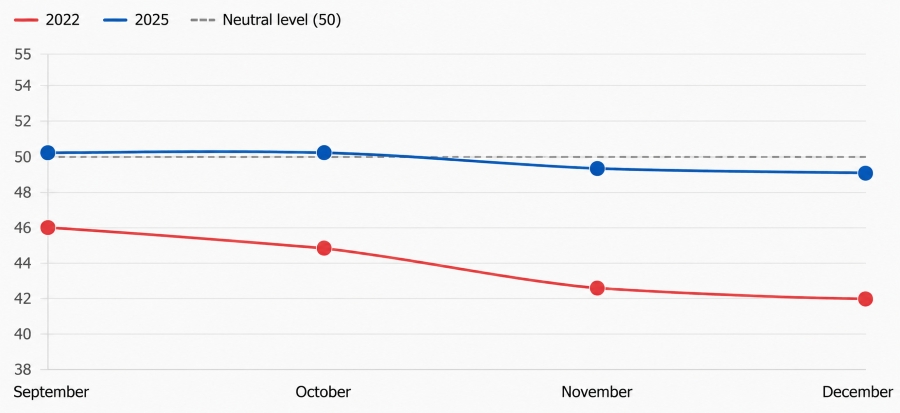
However, Ukrainian businesses have also shown resilience. In 2022, after the first attacks on the energy system, the Business Activity Expectations Index, calculated by the National Bank of Ukraine, fell drastically below the neutral level of 50. The average PMI for autumn–winter 2022 stood at 43.9. In September 2022, the index was 46.1, up from 44.1 in August. A sharp decline began in October.
By comparison, the average index for autumn–winter 2025 stood at 49.8, nearly reaching the neutral level.
In 2025, Ukraine’s real GDP grew by 1.8% compared with 2024. According to calculations by the National Bank, the energy crisis reduced potential GDP by around 0.2%. While this may appear insignificant, in labour terms it corresponds to approximately 15,000–25,000 person-years of productive work. For a wartime economy, every percentage matters significantly.
Ukraine`s economy was more or less stable because of a good harvest, which helped keep prices for several goods. However, the energy crisis slowed the decline of inflation.
Small Businesses
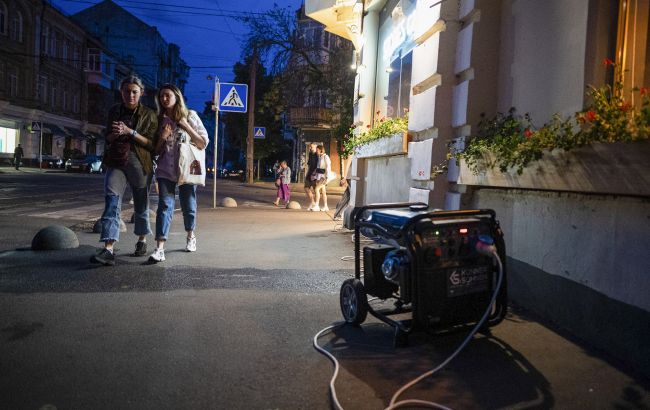
Fuel generators remain among the easiest solutions for small businesses in terms of both effort and speed. In the context of the energy sources crisis caused by instability around the Strait of Hormuz, this option may become even more expensive the following season. Moreover, businesses need qualified specialists to explain how to properly use alternative energy sources.
The problems are getting worse with each passing winter. For example, after the first attacks on Ukraine’s energy infrastructure in 2022, turnover in the catering sector fell by 8%. However, the winter 2025-26 has been so far the most devastating. After conditions improved in spring, some businesses returned to the market despite the gloomy forecasts, while others did not.
Meal prices during the difficult period include the cost of alternative energy. Menus were also adapted to products that require less demanding storage conditions, but this is not a one-size-fits-all solution. For example, small bakeries located in cities often cannot use loud devices early in the morning because the noise disturbs nearby residents. Generators often exceed 70 dB, while legislation was not prepared for such use, so the restrictions were observed. Prices for goods and services need to rise because of higher operational costs, yet regulations often restrict price increases in order to protect consumers.
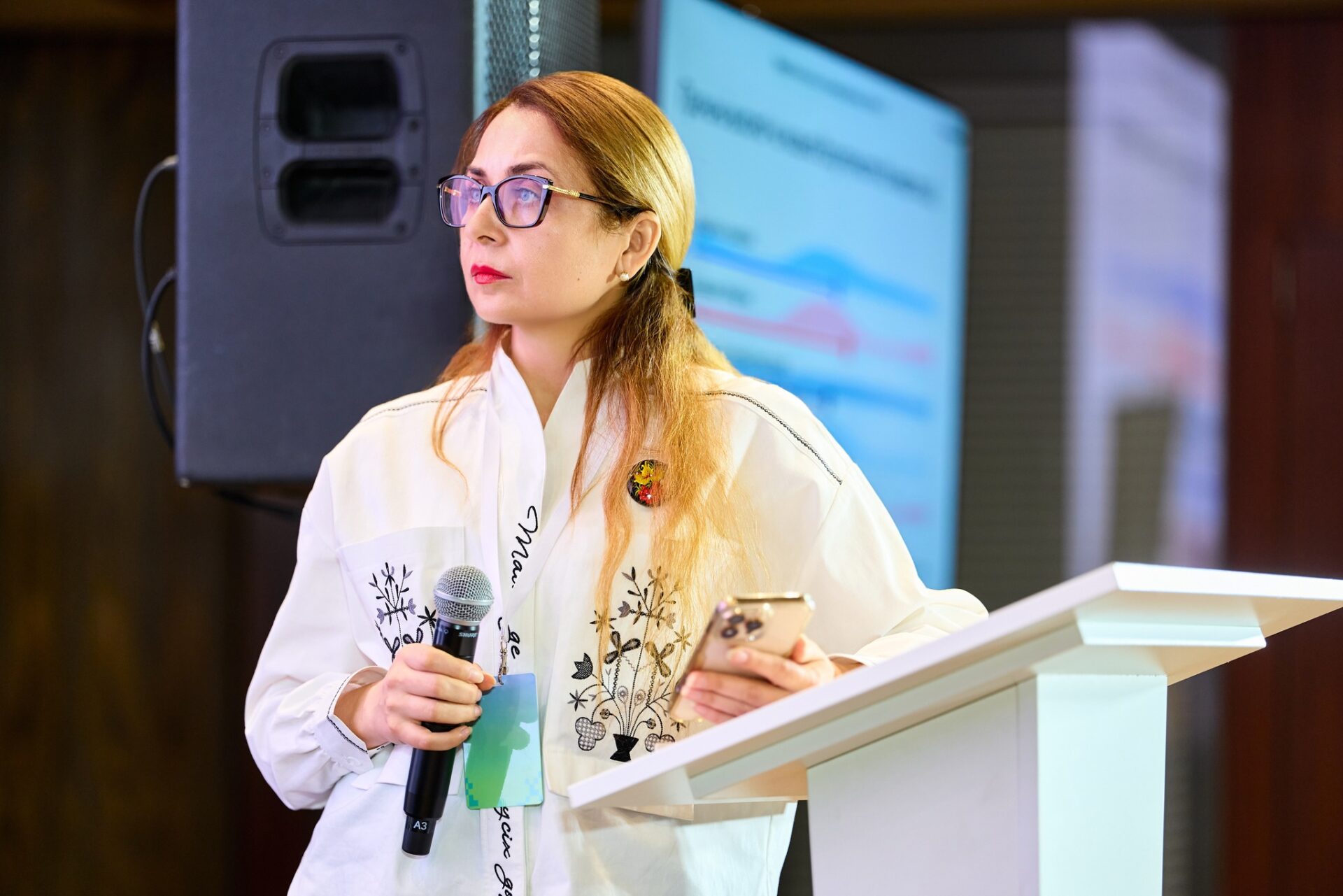
Julia Usenko, energy expert, the Chair of All-Ukrainian Agency for Investment and Sustainable Development, notes for The Ukrainian Review, that the main impact is on production costs, which are rising by up to 30% or more due to the use of additional power sources and logistical disruptions. Businesses also face risks linked to low-quality equipment purchases, particularly gasoline generators, which require additional maintenance costs:
“Unstable operations amid constant power outages often lead to forced downtime and delays in product delivery or service provision. At the same time, power surges caused by grid overloads can damage equipment and disrupt business operations. As a result, businesses lose not only revenue but also their market position and, consequently, time spent searching for new customers”.
Big Industries
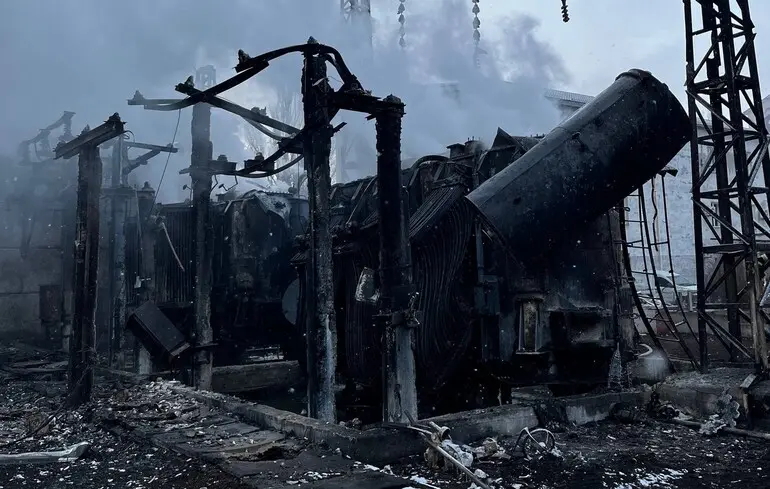
Despite the scarcity and costs, technically small alternative power sources can be installed relatively quickly. However, for large factories, building such energy capacities requires years and enormous investments. Middle-sized and large companies are also affected, although this issue often remains less visible in the media. One of the biggest energy-consuming sectors is mining. According to the GMK Center, the mining and metallurgy sector accounted for around 5.5% of Ukraine’s GDP in 2025, remaining one of the foundations of the economy.
Metallurgical production in January 2026 fell by 15–25% month-on-month, which directly affected export capacity. At the same time, the EU’s Carbon Border Adjustment Mechanism (CBAM), effectively a cross-border carbon tax on imports with a high carbon footprint, entered into force for Ukrainian companies in 2026, making the situation even more complicated.
What Should Businesses Do
Julia Usenko notes that businesses should replace equipment with models rated at least A+. According to EU standards, class A appliances are the most energy-efficient.
She shares what advice they have for businesses:
Hybrid systems are the most effective solution. For small and medium-sized businesses (coffee shops, mini-bakeries, etc.), inverter systems with LiFePO4 batteries are the top choice—they are quiet, eco-friendly, and do not require fuel. However, during longer power outages, the system will not have enough time to recharge. Similarly, during the winter, the energy generated and stored by hybrid solar systems may not be sufficient. In such cases, a backup power source is required, such as an inverter generator.
Large industrial enterprises can take advantage of the option to switch to imported electricity, which allows them to officially avoid planned restrictions. At the same time, given the constant shelling of the power grid, one must account for the risks of situations where it may be physically impossible to deliver electricity, even when contracted through imported supplies. Therefore, securing priority needs with autonomous power generation sources is always a relevant measure for any business.
Thus, investing in energy efficiency and energy autonomy today is not merely an expense for electricity. It is an investment in business resilience—its ability to operate when competitors grind to a halt”.
The image of businesses is also being shaped by the crisis. Consumers notice which businesses continue functioning during blackouts and often reward them with loyalty.
Defense Sector
The possibility of direct missile strikes on defence industry capacities remains the greatest threat, but electricity shortages are also dangerous. Contract conditions are strict. Delays in production lead to financial penalties, while Ukrainian defenders urgently need the weapons being produced.
In general, Ukrainian businesses across all sectors remain active supporters of the Armed Forces of Ukraine. Their contribution goes far beyond taxes and includes donations, fundraising initiatives, and humanitarian support. Therefore, the energy crisis also weakens their ability to continue providing charity to both defenders and civilians.
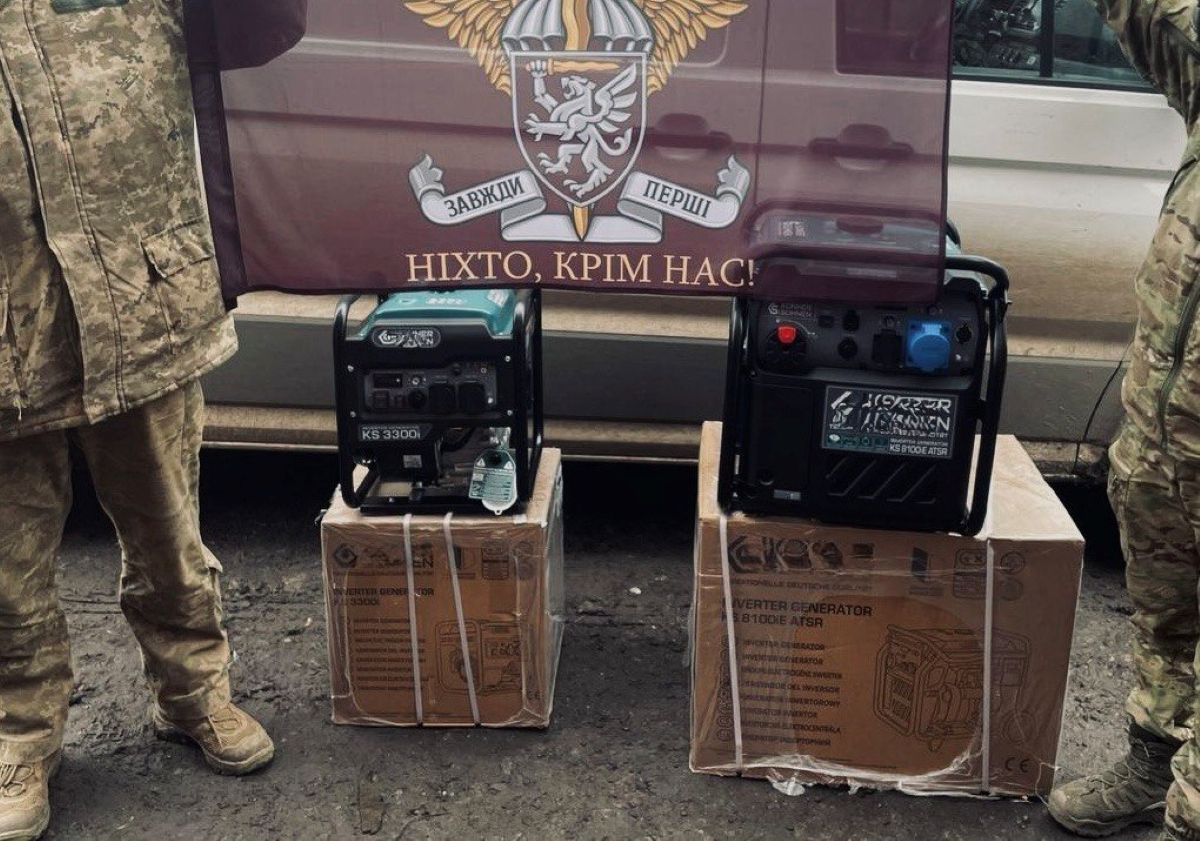
Another side effect for the military is the high price and shortage of alternative energy sources during the peaks of crises, which are often the only available option near the battlefield.
The Role of Government
The government introduced different support programs for communities and businesses. It allocated UAH 2.5 billion for generators for local communities and UAH 800 million for apartment buildings. Also, the government increased the maximum size of investment loans for enterprises under the “5-7-9” program to UAH 250 million to support distributed generation projects, while grants of UAH 7,500–15,000 were introduced for generators for private entrepreneurs.
However, access to loans remains complicated. To receive support, businesses still need reserves and cannot already be deeply unprofitable. Another obstacle is proximity to the frontline, which significantly increases risks. At the same time, business closures mean more unemployment and potentially further migration to other cities.
International assistance
Many countries responded quickly to Russian attacks by sending humanitarian assistance. Some companies also received direct financial support. For example, Naftogaz got an €85 million grant from Norway and a €50 million loan from the European Bank for Reconstruction and Development for gas imports.
One of the key messages repeatedly voiced during the German-Ukrainian Energy Day was that businesses must become more involved in Ukraine’s energy reconstruction, as governments alone cannot fully restore capacities. State incentives should focus more on long-term solutions such as solar panels, wind plants, and biogas rather than only generators, which became the fastest but most temporary response.
Existing Restrictions for Investments
Daniel Sosa Marquina, an Energy and Climate Policy Analyst at Berlin Economics, notes that risk of physical destruction and business interruption increases the overall risk profile of energy projects and discourages urgently needed investment:
“Public de-risking instruments are playing an increasingly important role in sustaining capital flows into Ukraine’s energy sector, but several challenges remain.
At the domestic level, Ukraine introduced pilot state-backed war risk insurance for direct investments and investment loans. However, fiscal constraints mean its scope remains limited: compensation is capped at approximately EUR 200,000 per business group and coverage is restricted to export-oriented facilities, leaving most energy infrastructure outside its reach.
International institutions are thus crucial to de-risk investments in the energy sector. The EU’s Ukraine Investment Framework (UIF) is the largest single vehicle for channelling risk-mitigated capital into Ukraine’s recovery, with energy explicitly among its priority sectors but not focussing on risks of war damages. Beyond the UIF, several other financial institutions play a crucial complementary role. The International Finance Corporation (IFC), the Multilateral Investment Guarantee Agency (MIGA), and the US Development Finance Corporation (DFC) are providing political risk insurance that extend the overall support available to energy investors.

Their reach, however, remains uneven. In general, the guarantees form these institutions tend to favour larger, bankable projects with creditworthy offtakers, leaving smaller emergency repair investments largely outside their scope. The German Federal Investment Guarantee partially fills this gap. It provides guarantees against war risks for any size of investors. In 2025 alone, investment projects of EUR 258 million were insured, of which EUR 70 million was allocated to the energy sector.
He noted that, in the short term, a priority was to expand the coverage terms of existing guarantee schemes. Daniel Sosa Marquina explained that instruments such as the German federal guarantee scheme currently insured only against direct war damage and did not cover business interruption risks resulting from that damage. According to him, this gap was especially consequential for the energy sector, where the physical destruction of a single asset could lead to prolonged revenue losses.
He also stressed that, in the longer term, attracting sustained investment would depend on parallel structural reforms, particularly those aimed at strengthening tariff reliability, regulatory stability, and market-based pricing. He added that this were essential to ensure that de-risking instruments gradually supported the emergence of a self-sustaining investment environment.
Conclusion
The energy crisis significantly affected Ukraine’s economy, but it did not destroy it as the enemy wanted. The vulnerability of the system once again demonstrated the importance of strategic solutions, especially when the situation repeats itself each season since the full-scale invasion. One conclusion remains clear: air defence is still the best form of protection against the economic consequences of attacks, yet diversification of energy sources is unavoidable. Businesses need to think about alternatives in advance, while governments and international partners should provide investments, stronger cooperation mechanisms, clearer loan conditions, and better risk-mitigation tools.