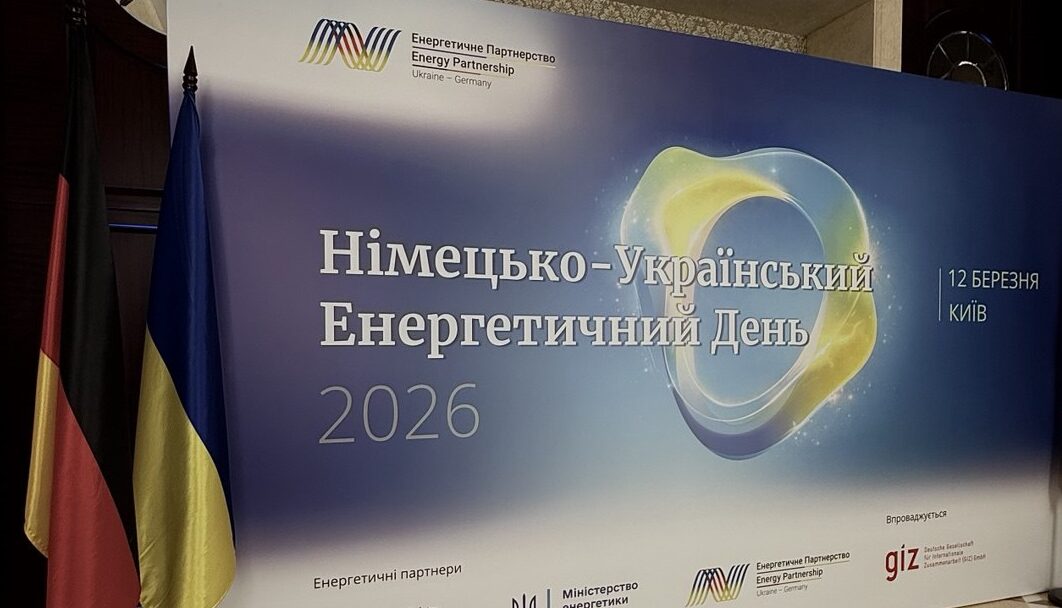


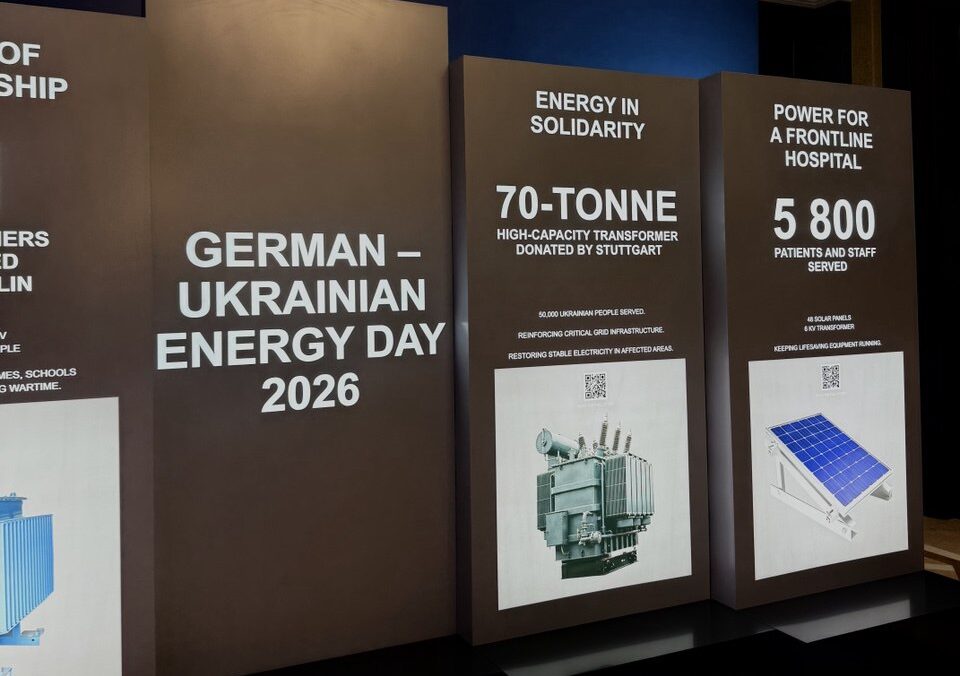
For the first time since the full-scale invasion, on March 12, the Energy Day took place in Kyiv to demonstrate resilience at the diplomatic level. Ukraine`s energy sector has remained a Russian target since the first year of the full-scale invasion. However, the 2025–2026 season proved the most difficult due to severe weather and intensified attacks.
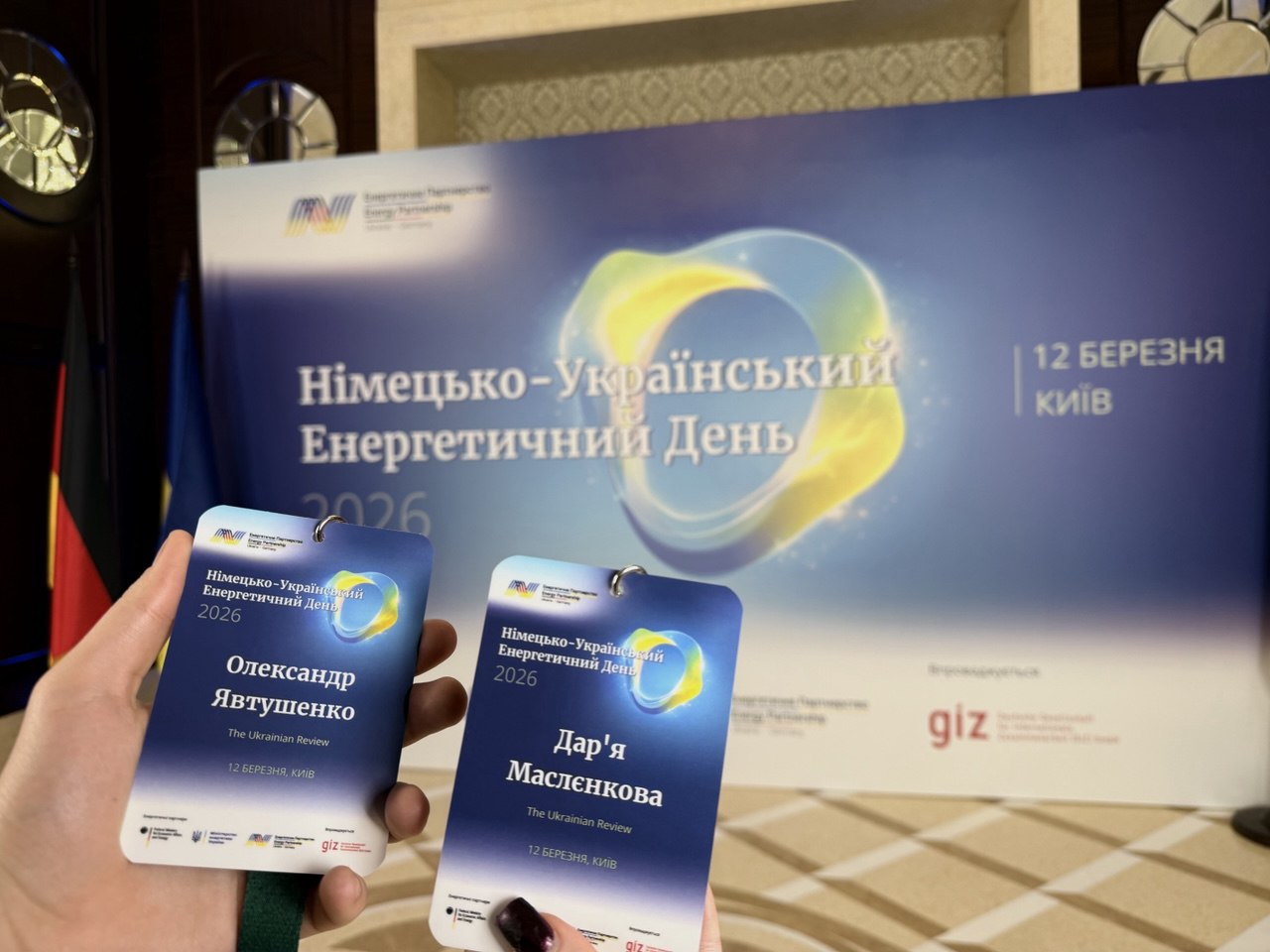
The Ukrainian Review team participated in the forum. Here are the key insights from the discussions and commentaries gathered during the event.
Opening remarks
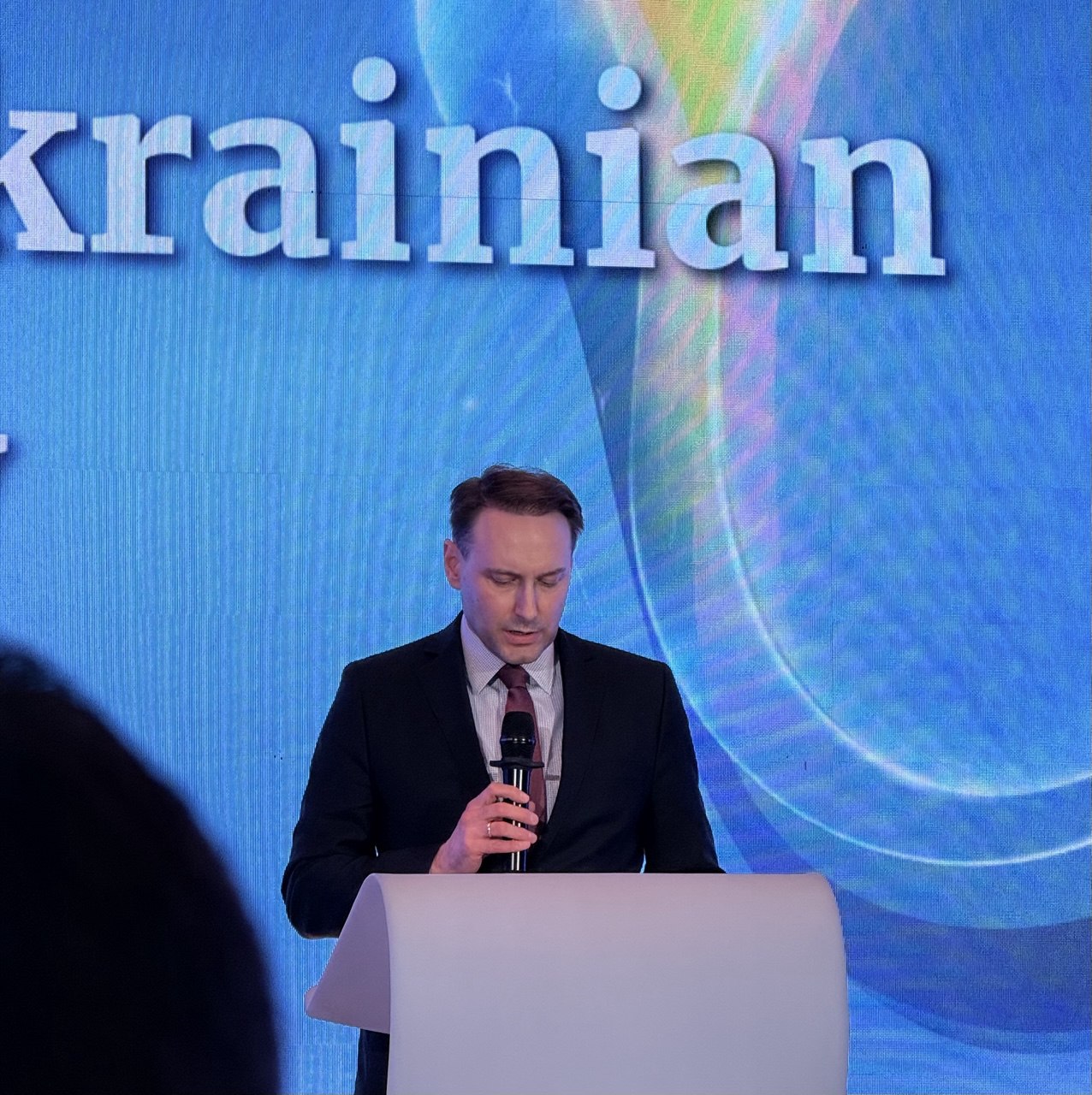
Dr. Maximilian Rasch, Chargé d’affaires of the Embassy of the Federal Republic of Germany to Ukraine, delivered the opening speech from the German side. He emphasised that Germany remains one of the biggest supporters of Ukraine’s energy sector. The country has provided about 30,000 pieces of equipment worth more than €1.2 billion. He also noted that the next winter will be just as difficult. Therefore, preparations for the next season cannot be delayed. Unfortunately, this is one lesson that has not been fully learned during four years of attacks on Ukraine’s energy system.
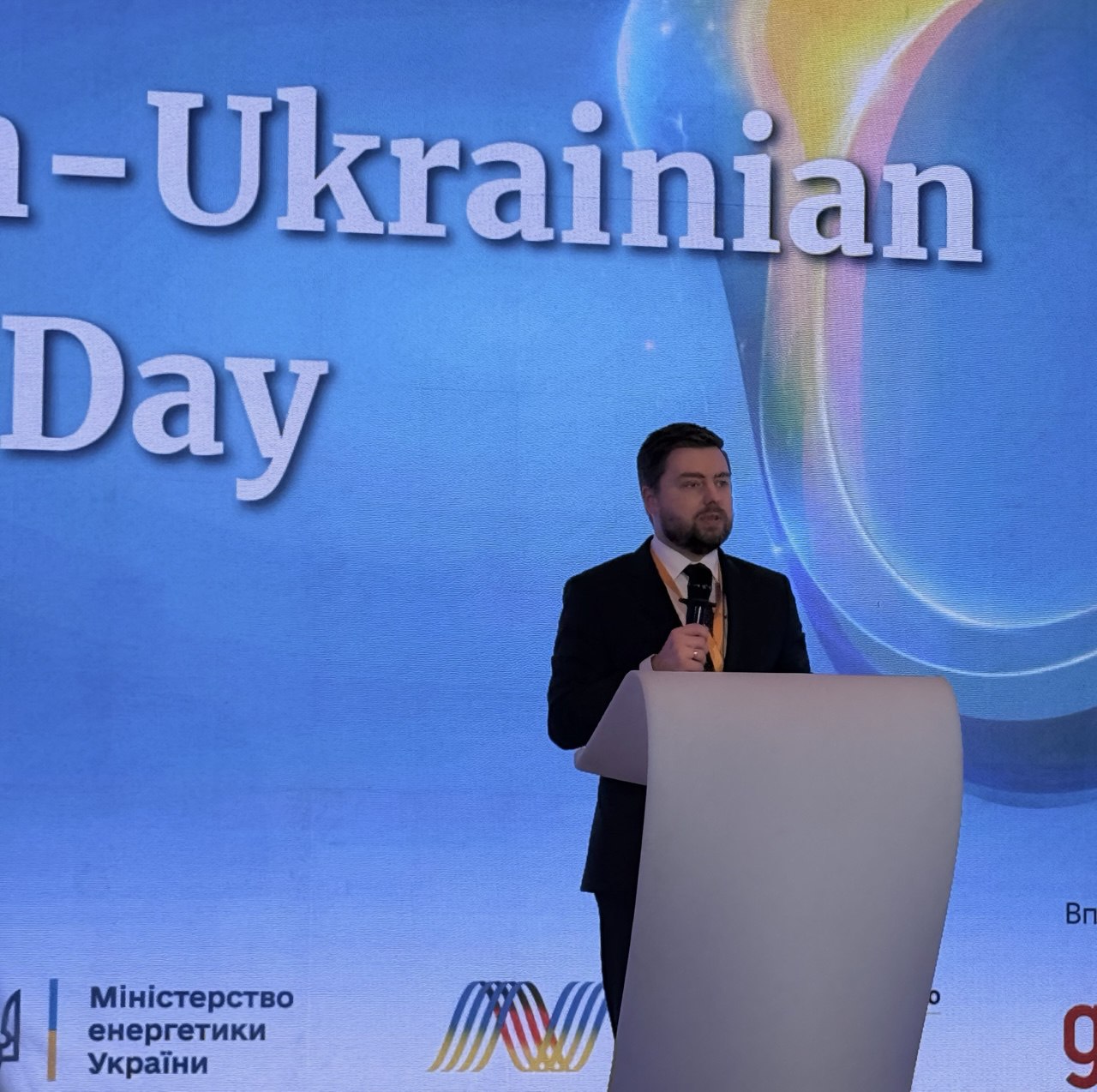
From the Ukrainian side, Anatolii Kutsevol, Deputy Minister of Energy of Ukraine for European Integration, delivered the opening remarks. He mainly focused on gratitude toward international partners. He, as well as some other speakers during the event, commemorated Oleksiy Brekht, Ukrenergo’s top manager, as a symbol of the energy workers who lost their lives while restoring the system.
Kutsevol also noted that Russia knows Ukraine’s energy system very well. Therefore, decentralisation has become the main strategic response.
The statistics he cited are striking. Ukraine entered the 21st century with about 55 GW of generation capacity. Today, it has only 10–12 GW because of occupation and destruction.
“The time to invest in Ukraine is now”
Dr. Maximilian Rasch also answered a question from The Ukrainian Review about German investments in Ukrainian businesses.
Here is a clear line of the German government that we have to bring in more investments into Ukraine. That’s what Chancellor Merz said very clearly when he met President Zelenskyy in Berlin in May last year. We want to bring in more investment because it’s so crucial for the reconstruction of the country, to create a perspective for the people in Ukraine and for those outside of Ukraine to return.
The energy situation is of course key to that, so that’s also one of the reasons why we want to do more and help with the energy situation. Of course it’s clear that some of the companies are hesitant to come here at this stage until this situation is not solved, but I have been going to Lviv now several times. The energy situation there is better, so I think it would be important to bring in companies now, start perhaps in the West, make first experiences, and then move further east along the line once they expound.
So basically the time to invest in Ukraine is now, and that’s what we tell companies also in Europe.
First panel: “Energy system under fire: lessons learned for Ukraine and Europe”
Many participants noted a sense of relief as spring approaches Ukraine.
The first discussion also showed a shift in perception. Speakers began outlining what Europe, including Germany as one of Ukraine’s key partners in the sector, could learn from Ukraine. The conversation reflected a broader diplomatic change. Ukraine increasingly appears not only as a victim but also as a carrier of unique experience and technological innovation.
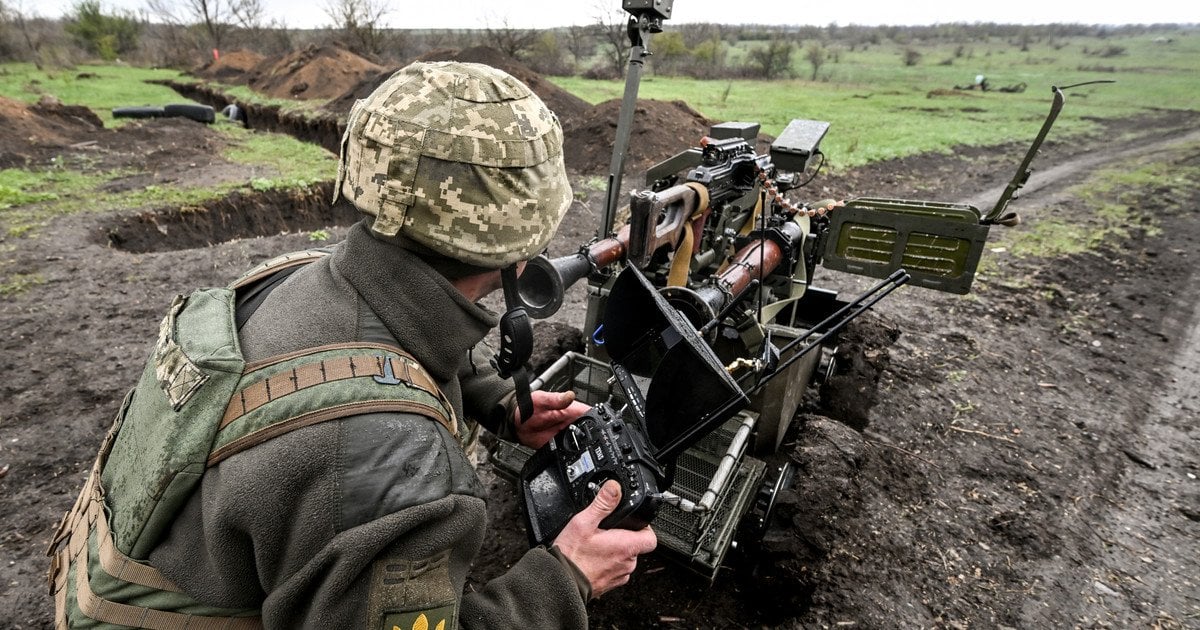
Low-cost innovative drones were mentioned as an example of how wartime innovation is reshaping defence and energy security cooperation.
At the same time, Kutsevol noted that Ukraine still has significantly fewer air defence systems, while Russia continues scaling up its production.
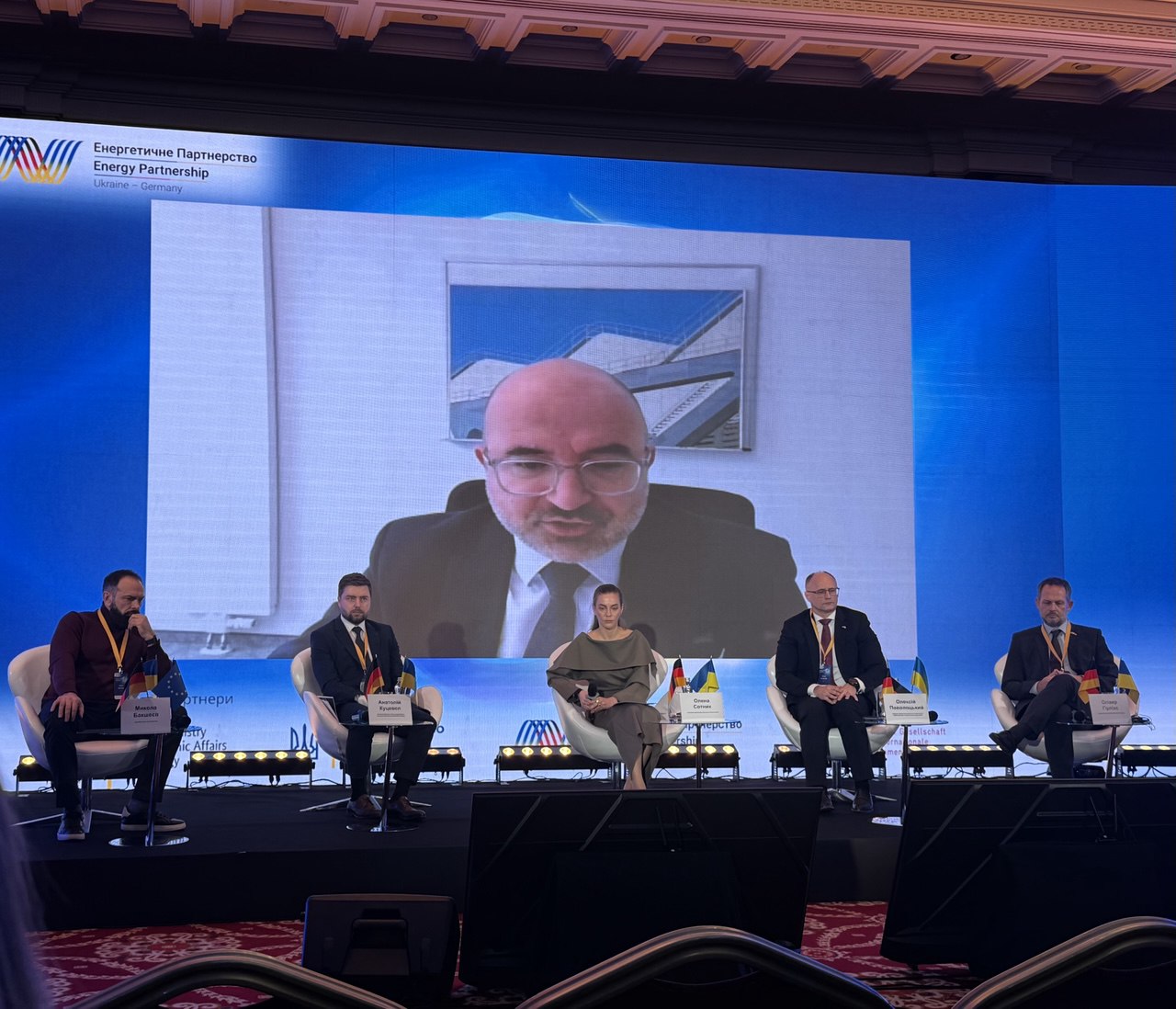
Oliver Gierlichs, CEO of Bayer UKR and AHK Ukraine, emphasised that sustainable energy development and business must work together. However, solutions should anticipate problems rather than react only after they occur.
Germany has a different infrastructure model. A significant share of systems is located underground, which is the most expensive way of transformation for Ukraine. However, even German infrastructure remains vulnerable, particularly to cyberattacks.
Moderator Olena Sotnyk from Rasmussen Global made a remark that briefly left the room in silence: Ukraine still asks for Taurus missiles.
Oleksiy Povolotskiy, Head of the Office for Energy Infrastructure Recovery at DTEK, emphasised the role of B2B cooperation in dealing with the consequences of attacks. Most Ukrainian companies cannot handle these challenges alone, while state capacities are limited. He also warned that there is no time to waste. If Ukraine wants results before next winter, contracts should be signed as early as April. Air defence also remains a critical factor.
Second discussion: “Leveraging renewables in Ukraine: the business perspective”
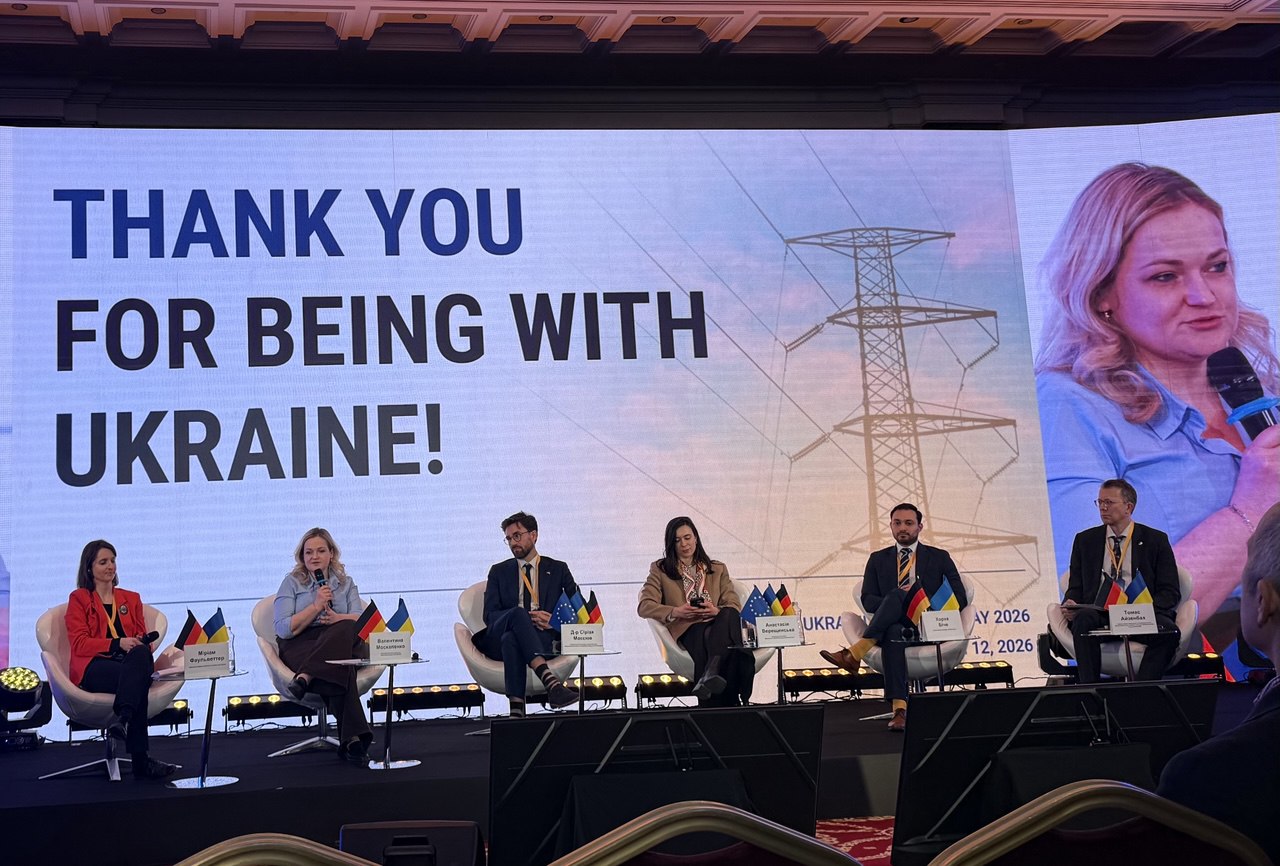
Valentyna Moskalenko, Deputy Minister of Energy, noted that wind generation sources tend to be more stable. Also, she outlined that international partners are investing in mechanisms to fix price differences and create incentives for investors to develop renewable energy.
According to current projections, up to $20 billion in private investment could enter the renewable energy sector by 2030. It is expected that the percentage of renewable sources will account for 27% of energy generation, while now the share stands at about 16%, including hydropower.
Dr. Cyriac Massué, Deputy Head of the Ukraine Unit at the German Federal Ministry for Economic Affairs and Energy, noted that renewables are also essential for reviving Ukraine’s economic potential. He emphasised that the private sector should become more involved. German companies already play a key role in providing technology and services.
Thomas Eisenbach, Head of Division for Energy and Natural Resources for Eastern Europe, the Caucasus, and Central Asia at KfW Development Bank, stressed that clearer market rules are necessary for all participants.
When asked by The Ukrainian Review whether Ukrainian expertise could be applied in other regions where he operates, he confirmed that Ukraine’s diversification experience reflects a broader global trend.
Third panel: “Ukraine’s Energy Strategy: way forward into the EU”
A recurring question in discussions about Ukraine’s EU accession is whether it is primarily a political or a legal issue.
During the panel, speakers emphasised that Ukraine still needs to implement EU energy standards. At the same time, reconstruction creates an opportunity to “build back better.” Anna Ackermann, Coordinator of the Build Ukraine Back Better Platform, also raised an important dilemma. Some EU regulations that Ukraine will eventually need to follow will, for instance, become mandatory by 2030, and it`s important to have an answer to whether Ukraine will be there by that time.
Inna Sovsun, Member of Parliament of Ukraine, acknowledged that strategic discussions on these issues are largely absent in Parliament. This creates a serious obstacle to EU integration.
Conclusion
Germany remains the largest donor to Ukraine’s energy sector. However, the discussions at the forum were not only about advice for Ukraine. They also reflected an exchange of knowledge. Ukrainian speakers pointed out what Germany could learn from Ukraine to better protect its own energy infrastructure and avoid similar vulnerabilities.
The topic of corruption was also briefly mentioned. Nevertheless, this has not stopped international assistance or partners’ willingness to increase support and introduce new solutions.
The forum ultimately demonstrated a growing understanding among European partners: the war is closer to the EU than it may seem. Strengthening Ukraine’s energy resilience, therefore, remains a strategic priority. And there are no illusions that the next season could be different.