

The United States is considering a “swift and decisive” strike against the Iranian regime following the suppression of mass protests. Meanwhile, Tehran has placed its troops on high alert and closed its airspace for five hours. President Donald Trump is receiving various options from the Pentagon, ranging from targeted military strikes to cyber operations. This information comes from NBC News. Tensions in the region escalated after Iranian air defense orders to open fire on unidentified targets, though Trump stated he received data regarding the alleged cancellation of planned executions of activists.
Military Mobilization and Airspace Closure
The US military command has developed several strategic plans for an immediate response to the actions of Iranian authorities. Trump seeks to avoid a protracted war and insists on a blow that should be final and devastating to military infrastructure. Due to the threat of an attack, Iran temporarily closed its airspace on the night of January 15. According to Flightradar24 data, flights were suspended at 10:15 PM on Wednesday. They only resumed at 3:00 AM the following day. Local carriers Mahan Air and Yazd Airways resumed flights first. However, international companies continue to avoid the region.
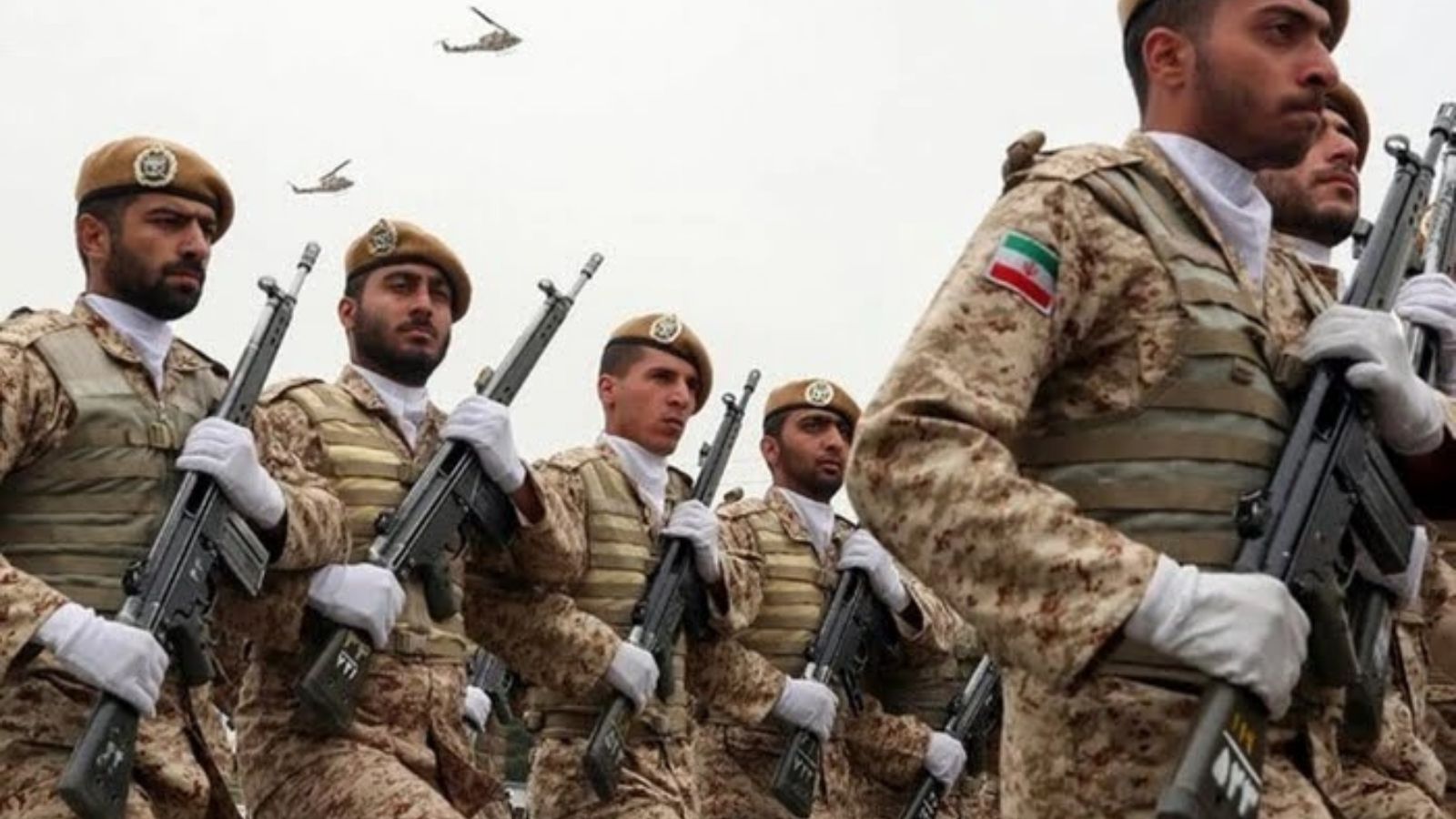
Simultaneously, units of the Islamic Revolutionary Guard Corps (IRGC) moved to maximum combat readiness. The Iranian air defense command received orders to immediately open fire on any aircraft entering the airspace without clear identification. Authorities explained these measures as an attempt to “clear” the sky to avoid mistaken attacks in the event of combat operations by the US. Several European countries, including Poland, Spain, and Italy, have already urged their citizens to leave the republic urgently due to the critical deterioration of the security situation.
Political Statements
During a meeting with journalists, President Donald Trump reported receiving positive signals regarding the cessation of violence against demonstrators. Specifically, Iranian authorities were scheduled to publicly execute 26-year-old Erfan Soltani on January 14, but this plan was allegedly canceled under external pressure. Trump emphasized that Washington received this data from an “important partner” and is currently verifying it thoroughly. He added that he would be disappointed if this information proved false, but for now, he is ready to observe further developments.
Journalists questioned the president’s trust in the Iranian regime amid reports of violence. He noted that security forces were allegedly “shooting back at people who shoot at them.” Despite this ambiguous rhetoric, Trump supported the protesters on social media, stating that help was on the way.
Meanwhile, Iranian Foreign Minister Abbas Araghchi stated that Tehran is open to dialogue and a diplomatic settlement of relations. The American administration keeps “all options” on the table, including an economic blockade and large-scale information operations against the ayatollah’s regime.
Conclusion
The White House continues to assess the risks of a response from Tehran in the event of military intervention. Presidential advisors warn that the US might lack sufficient resources in the region to fully defend against an Iranian counterattack, which they consider inevitable after any strike. Washington’s next steps will depend on real confirmation of the cessation of violence against civilians.