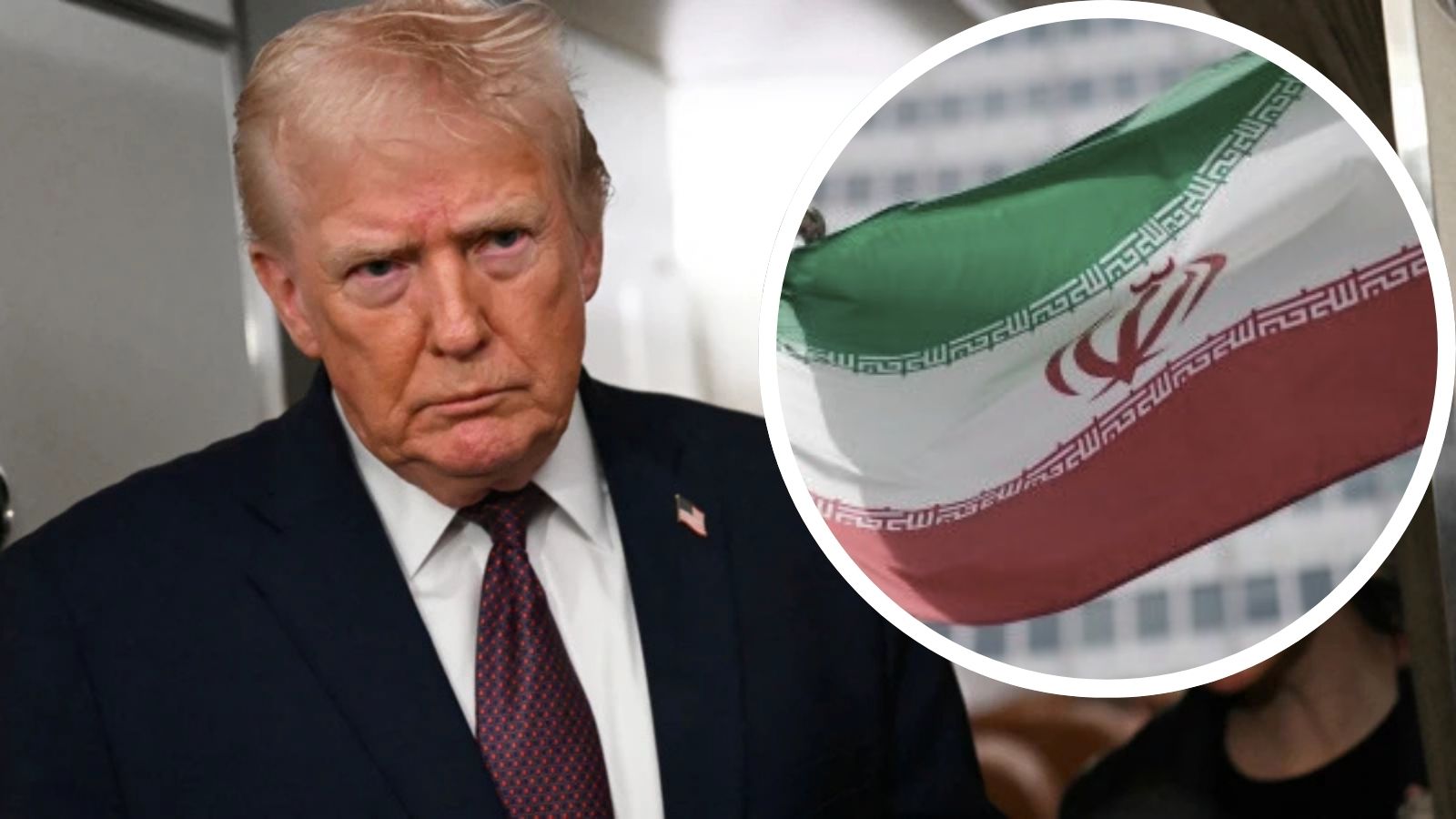


U.S. President Donald Trump again expressed the opinion that Ukraine, not Russia, is currently holding back a potential peace agreement. He made these remarks in an interview with Reuters.
What Trump Said About Peace Negotiations
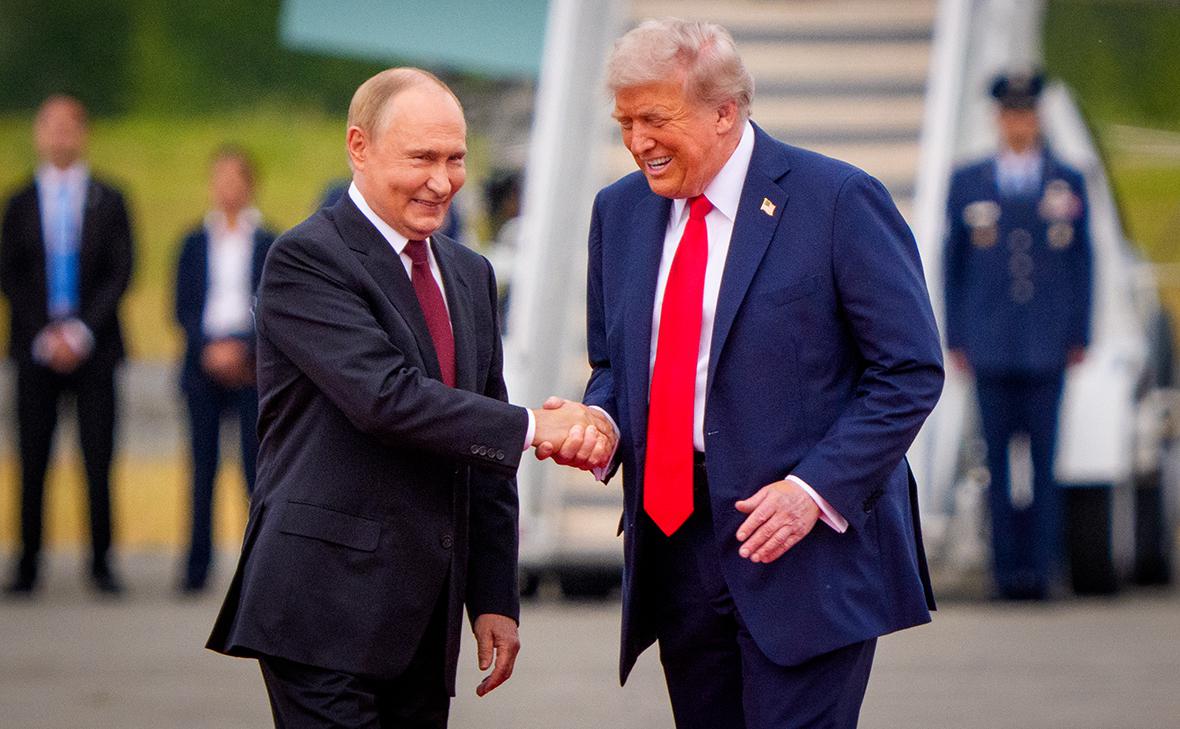
According to Trump, Russian President Vladimir Putin is supposedly ready to reach an agreement to end the war, while Ukrainian President Volodymyr Zelenskyy, in his view, takes a more cautious stance.
The American leader also stated that, in his opinion, Zelenskyy is the reason why U.S.-facilitated negotiations have not yet led to the end of the war.
At the same time, Trump did not rule out the possibility of a personal meeting with the Ukrainian president at the World Economic Forum in Davos, saying he would be willing to talk if Zelenskyy attends the event.
Position of Western Allies
These statements from Trump sharply contrast with assessments from the Ukrainian side and Western allies, who accuse Russia of prolonging the war and showing no willingness for peace.
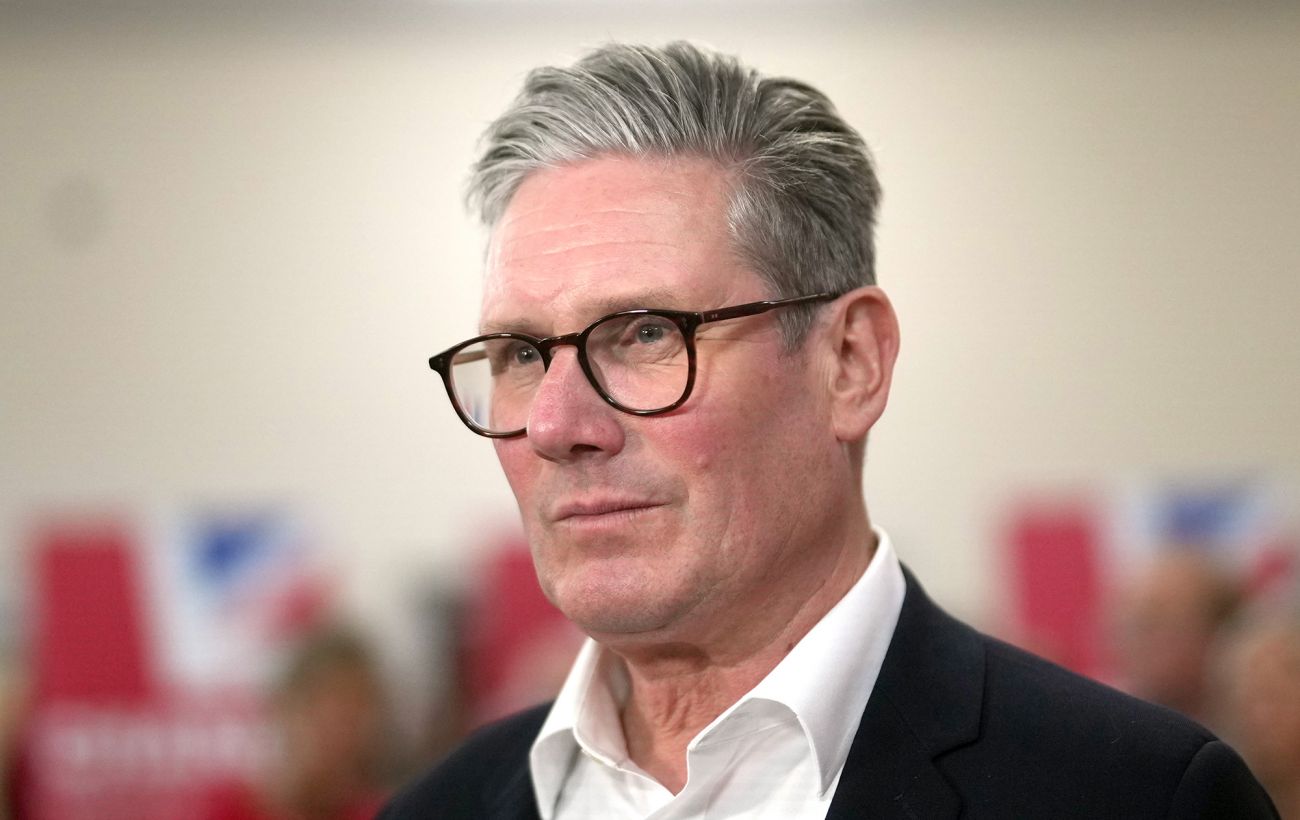
For example, British Prime Minister Keir Starmer directly accused Russian President Vladimir Putin of delaying peace, calling him an “unserious participant in negotiations” and emphasizing that Putin is making “empty promises” instead of taking concrete steps toward peace.
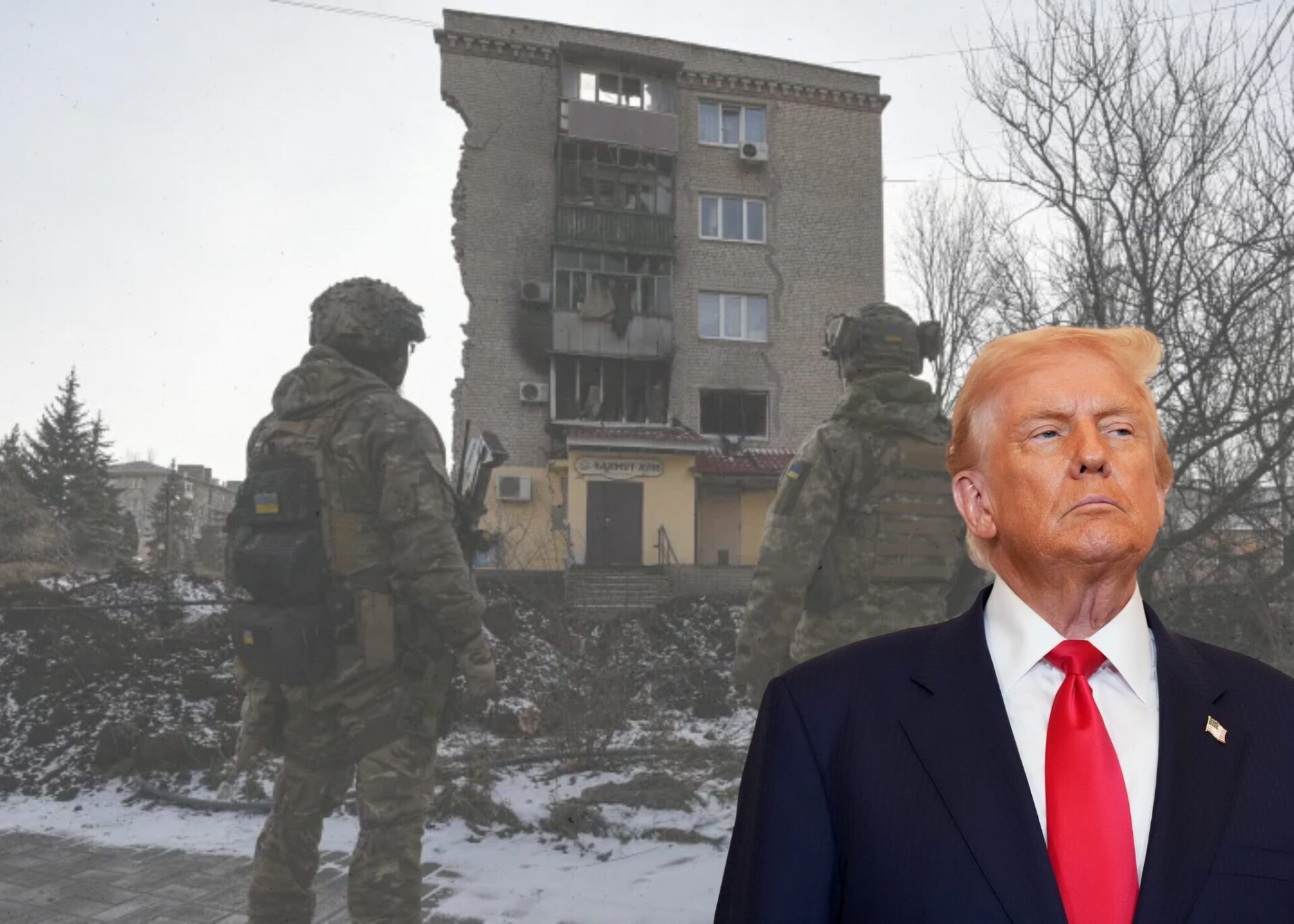
Additionally, Russia has continued large-scale attacks on Ukraine in the first weeks of 2026, including the use of a new hypersonic missile, “Oreshnik,” which caused civilian casualties, infrastructure destruction, and worsening humanitarian conditions.
Analysts at the Institute for the Study of War (ISW) noted that Russia is deliberately refusing a ceasefire before real peace talks in order to continue its offensive on the battlefield and demand additional concessions.
Conclusion
Despite Donald Trump’s claims of Russia’s allegedly greater readiness for peace, the real situation on the battlefield and assessments from Western allies indicate the opposite. Russia continues large-scale attacks, destroys infrastructure, and creates humanitarian problems, demonstrating its unwillingness to achieve peace.