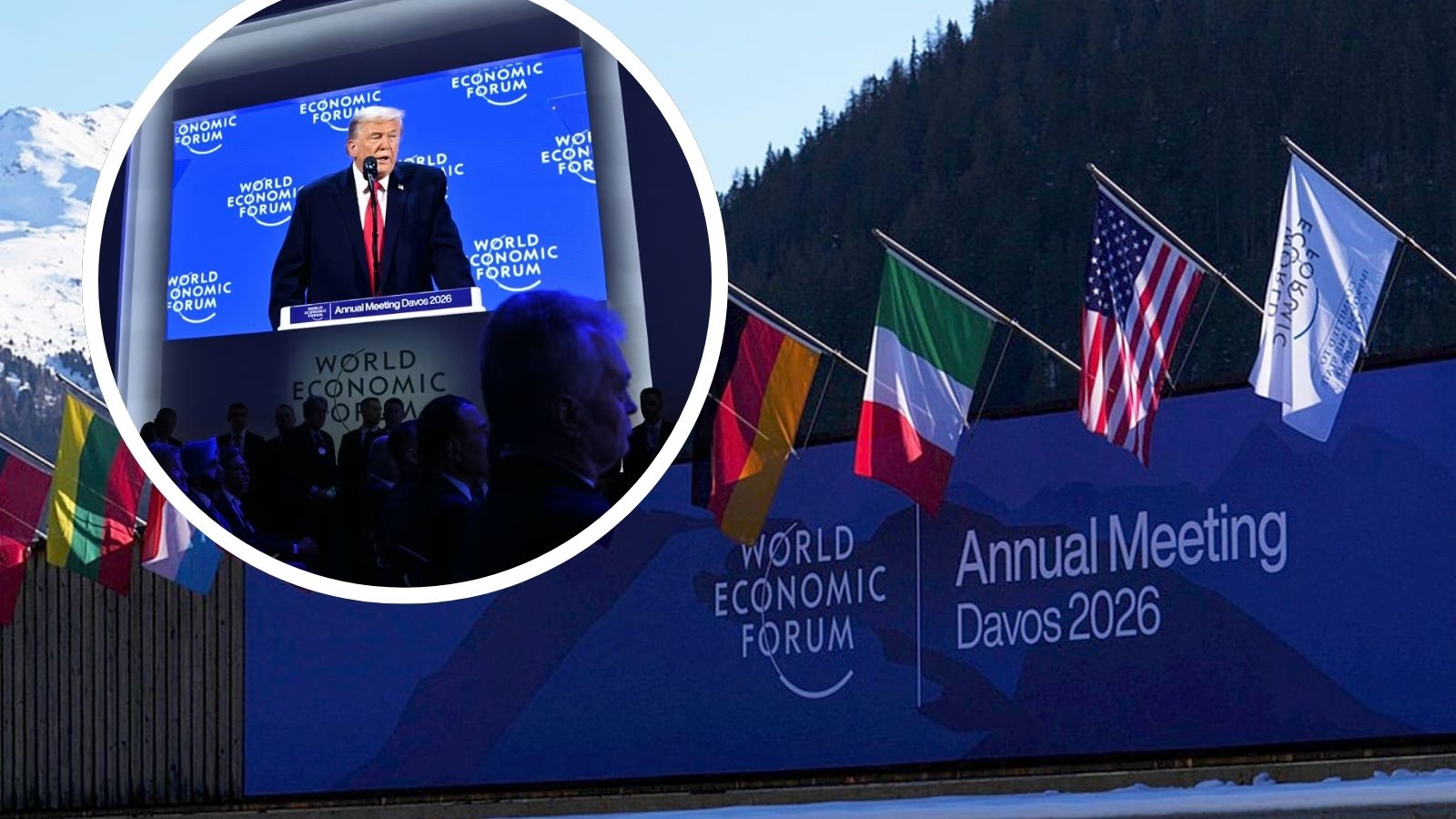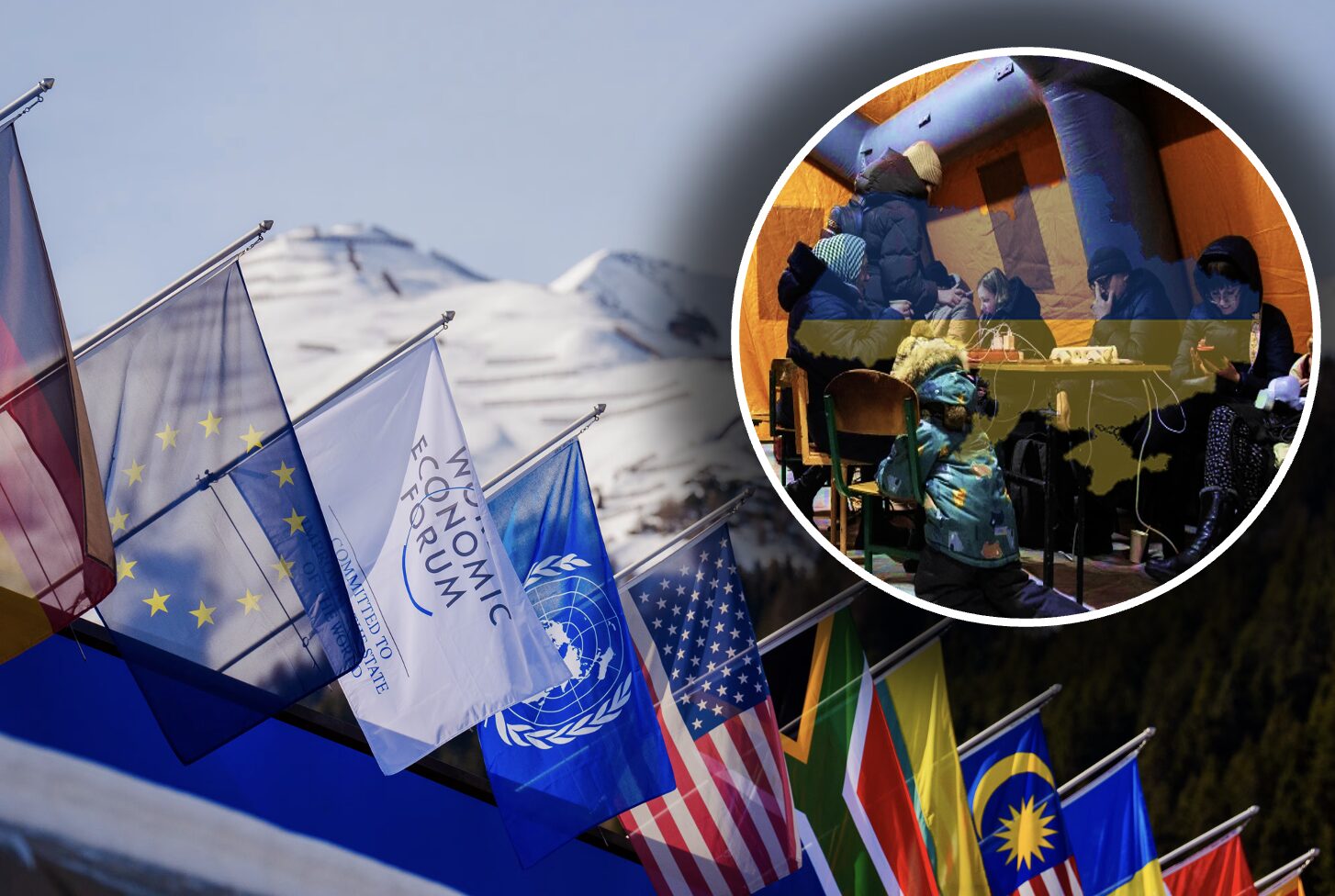


The World Economic Forum in Davos, held from January 19 to 23, this year stood out not only for economic discussions but also for an international diplomatic dispute over U.S. President Donald Trumpʼs initiatives concerning Greenland and the proposed “Peace Council.” European capitals’ disagreement with these proposals led to the postponement of the signing of a massive $800 billion economic aid package for Ukraine, known as the “Prosperity Plan.” Financial Times reported this, citing sources.
The plan was supposed to serve as the economic component of a broader peace agreement between the U.S., Ukraine, and Europe. It aimed to provide long-term support for Kyiv’s reconstruction after a ceasefire. Its signing was planned to be announced at the World Economic Forum. However, due to deep disagreements over Greenland and the proposed “Peace Council,” which Trump invited Russia and Belarus to join, the announcement was postponed.
Meanwhile, the President of the United States has already arrived in Davos. However, he arrived several hours late due to technical problems with his plane the previous day, according to the BBC.
Greenland and “Peace Council” Shift Attention from Ukraine
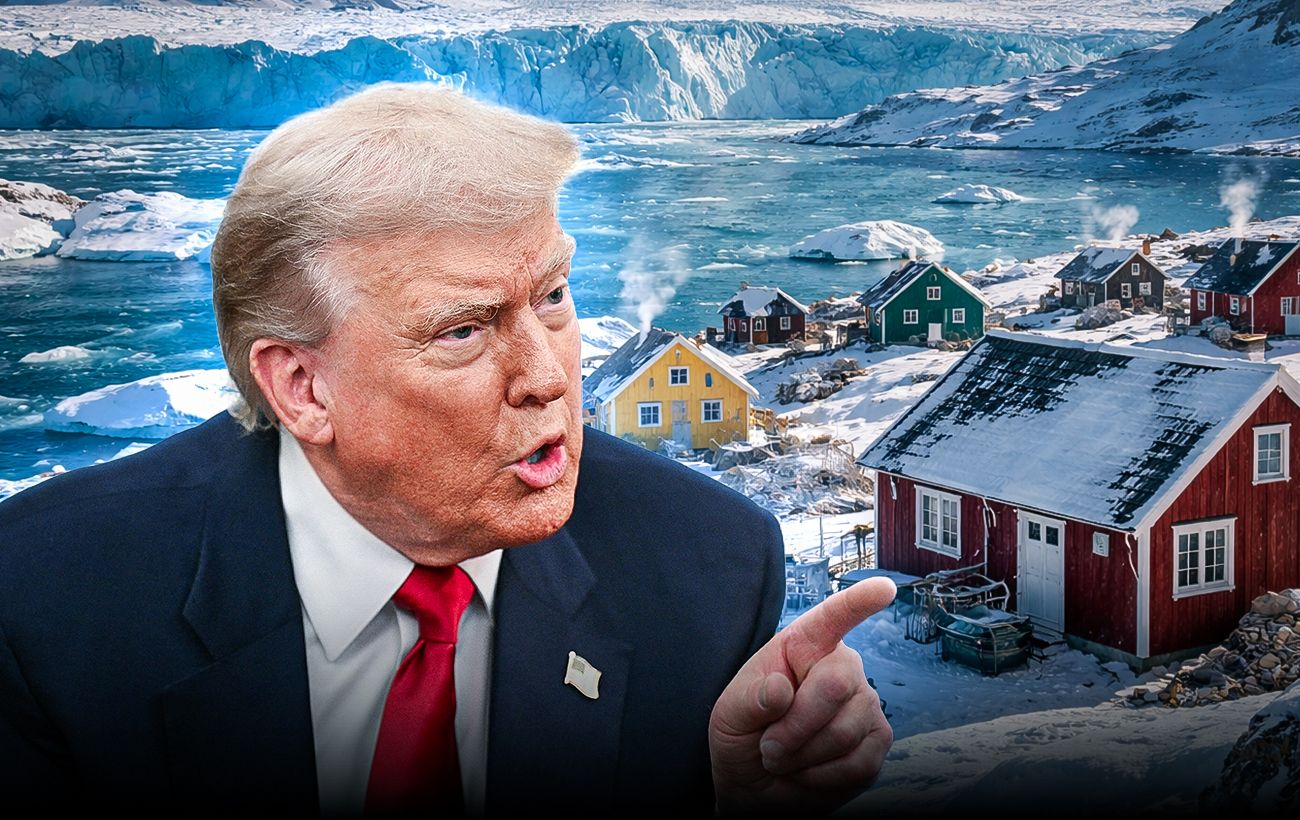
Sources from Financial Times noted that the Greenland and “Peace Council” crisis overshadowed the war in Ukraine. European countries expressed concern after Trump threatened to impose tariffs on eight NATO allies due to their participation in military exercises in Greenland. In addition, the proposal to join the “Peace Council,” which some viewed as an attempt to bypass the UN, sparked strong reactions.
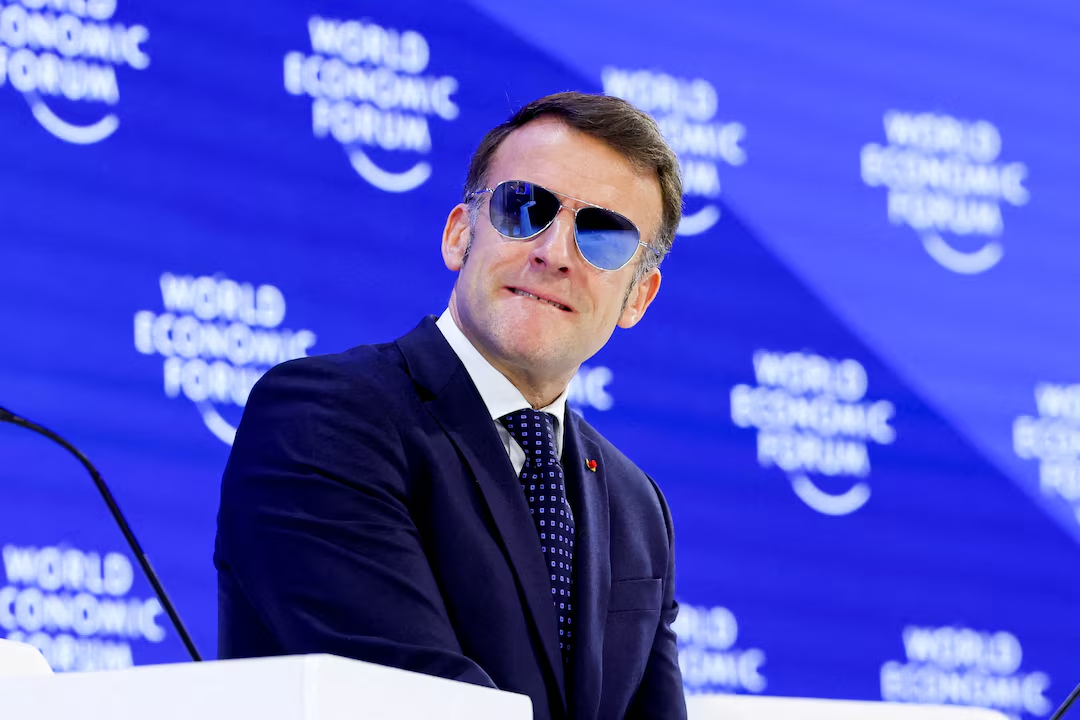
French President Emmanuel Macron was one of the first to announce he would not participate due to doubts about the council’s authority. The German government stated that participation would only be possible if the council aligned with international legal frameworks. Ukrainian President Volodymyr Zelensky also expressed skepticism about joining any organization alongside Russian President Vladimir Putin.
Ukraine’s Position and Working Agreements
Ukraine’s Deputy Prime Minister for European and Euro-Atlantic Integration, Taras Kachka, said that the United States and Ukraine had reached an agreement at the working level. He explained that the deal concerns a political document related to the “Prosperity Plan.” However, he noted that it currently resembles a set of tasks rather than a completed project.
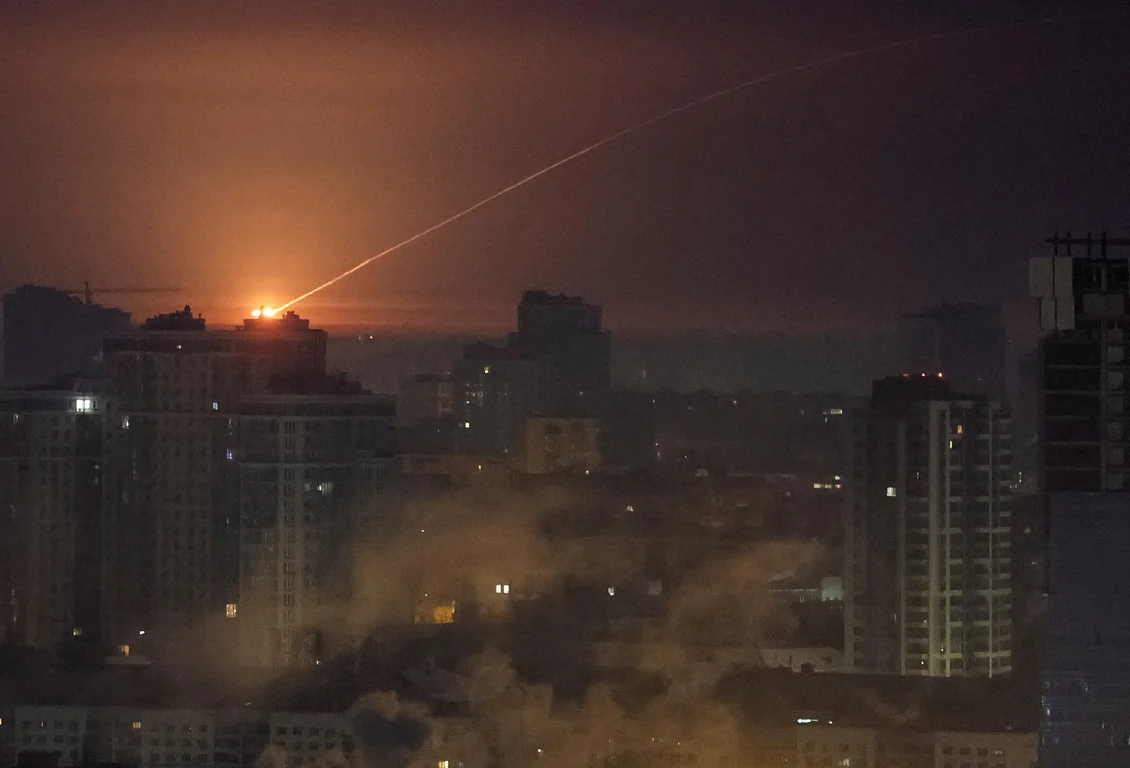
President Zelensky told reporters that he postponed his previously planned trip to Davos due to Russia’s massive attacks on Ukraine’s energy infrastructure. Meanwhile, Zelensky leaves open the possibility of participating in the forum in the coming days.
Kyiv’s Chief of Staff, Kyrylo Budanov, said during a panel discussion in Davos that Ukraine is directly involved in the negotiation process to end the war. He stressed, however, that it is not possible to claim that “peace will come tomorrow.” He added that the success of negotiations will depend on Russia’s position and highlighted the critical role of the U.S., Europe, and Canada in supporting Ukraine.
European Leaders Respond to Trump
Meanwhile, NATO Secretary General Mark Rutte emphasized the need to strengthen Arctic security and continue dialogue on Greenland despite disagreements with Trump. He said that “careful diplomacy” is the only way to navigate the international crisis. Rutte also highlighted the importance of protecting the Arctic, the Atlantic Ocean, and Europe. He agreed with Trump on countering Russian and Chinese influence in the Arctic.
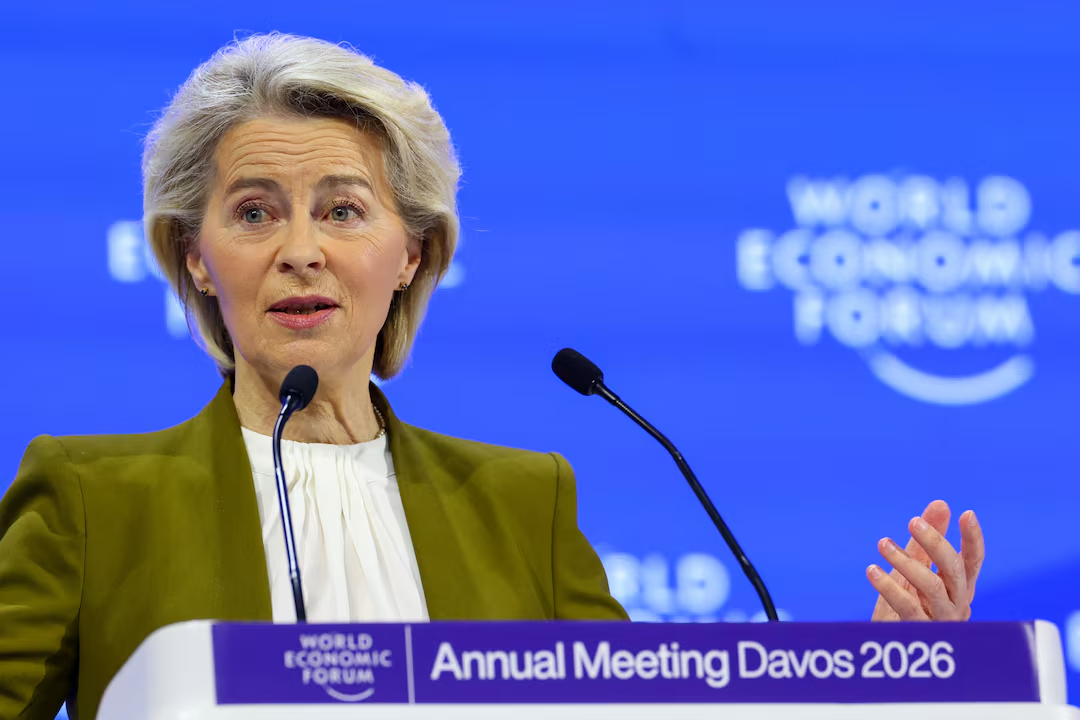
European Commission President Ursula von der Leyen supported the EU’s firm stance on sovereignty and the rule of law. She warned that any U.S. actions should not undermine international legal frameworks.
Belgian Prime Minister Bart De Wever said that Europe stands at a crossroads and must decide on its policy toward the United States. He added that the EU must “wake up and rearm” to respond to structural changes in the U.S. and avoid dependence on foreign technologies.
Trump and His Message to World
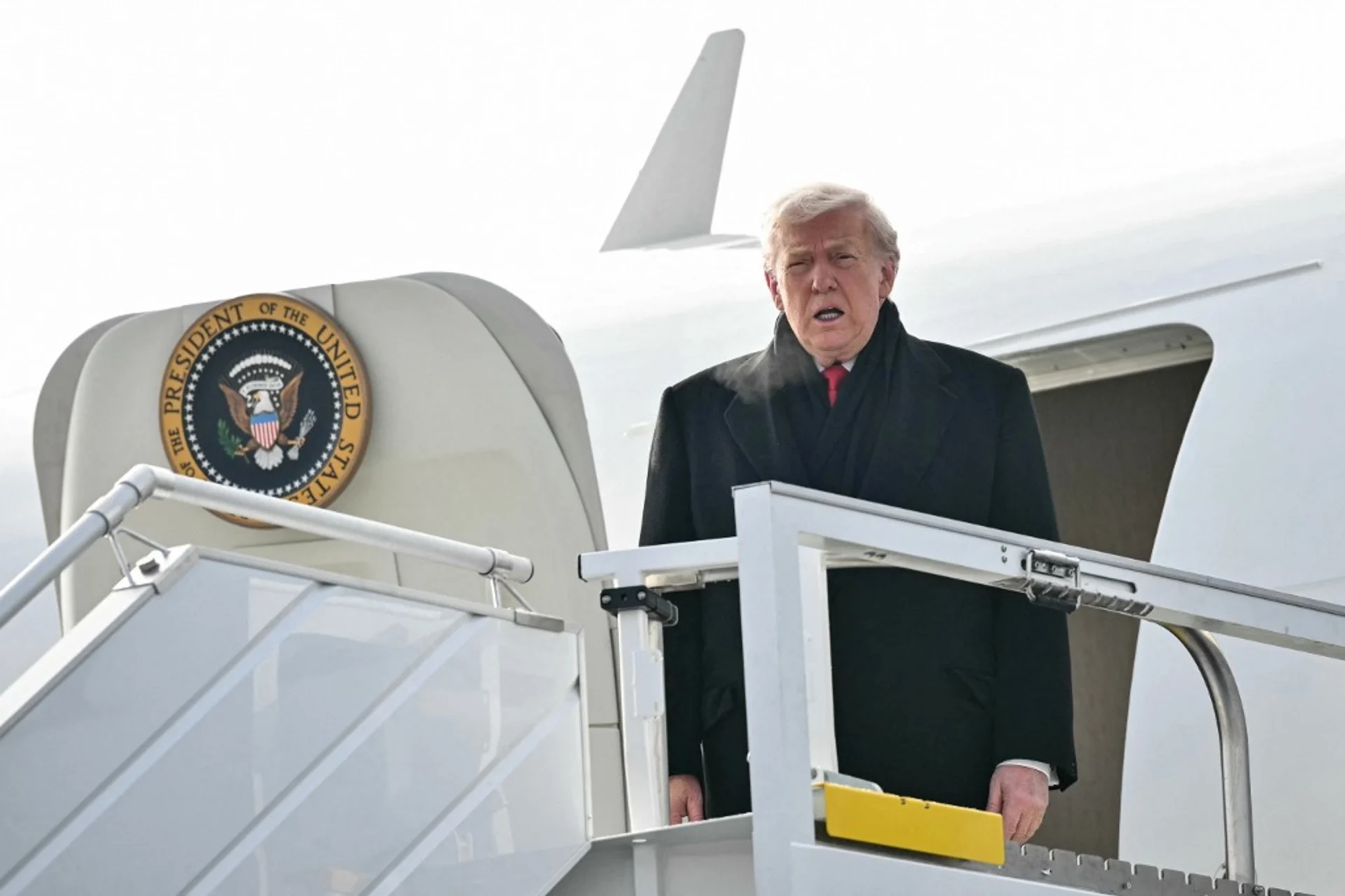
U.S. President Donald Trump has already arrived in Davos for the World Economic Forum, albeit several hours late due to technical issues with his aircraft, BBC reports.
During his expected speech, Trump may criticize global leaders and advise Europe to focus on the Russo-Ukrainian war rather than territorial disputes over the Arctic island. According to Axios, the U.S. president plans to meet with various parties, including NATO and European leaders, to discuss Greenland.
In his earlier conversation with Mark Rutte, Trump emphasized Greenland’s importance for U.S. national and global security. He also agreed to organize related meetings in Davos. The American leader stressed that the U.S. remains the most powerful country in the world and is capable of ensuring peace through its own strength.
Previously, Trump had repeatedly suggested the possibility of incorporating Greenland into the United States.
Reaction from Other European Leaders
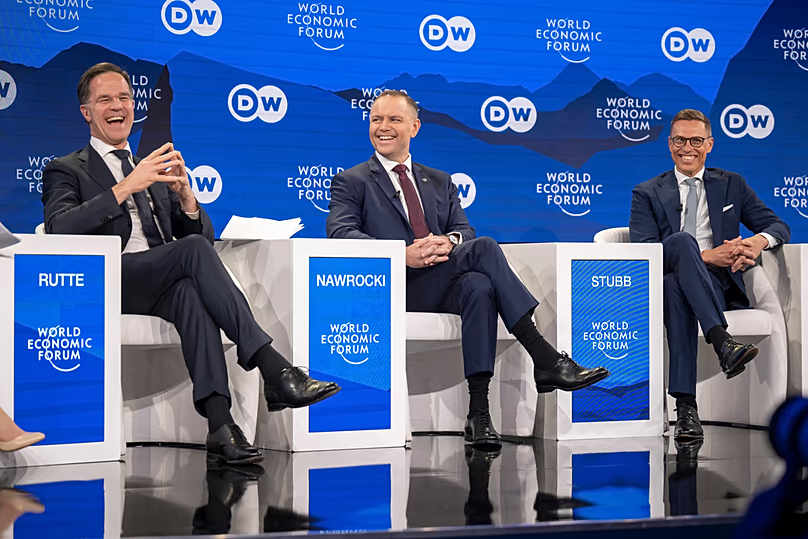
Meanwhile, Finnish President Alexander Stubb called Russia’s war against Ukraine a “complete strategic failure” for Putin. He emphasized Europe’s ability to defend itself and highlighted the importance of European solidarity. Polish President Karol Nawrocki noted that the Greenland issue does not distract from the war in Ukraine, calling it “the main problem in Europe today.” Norwegian Foreign Minister Espen Barth Eide also reminded that the real war continues in Eastern Europe, and Greenland only diverts attention.
Background
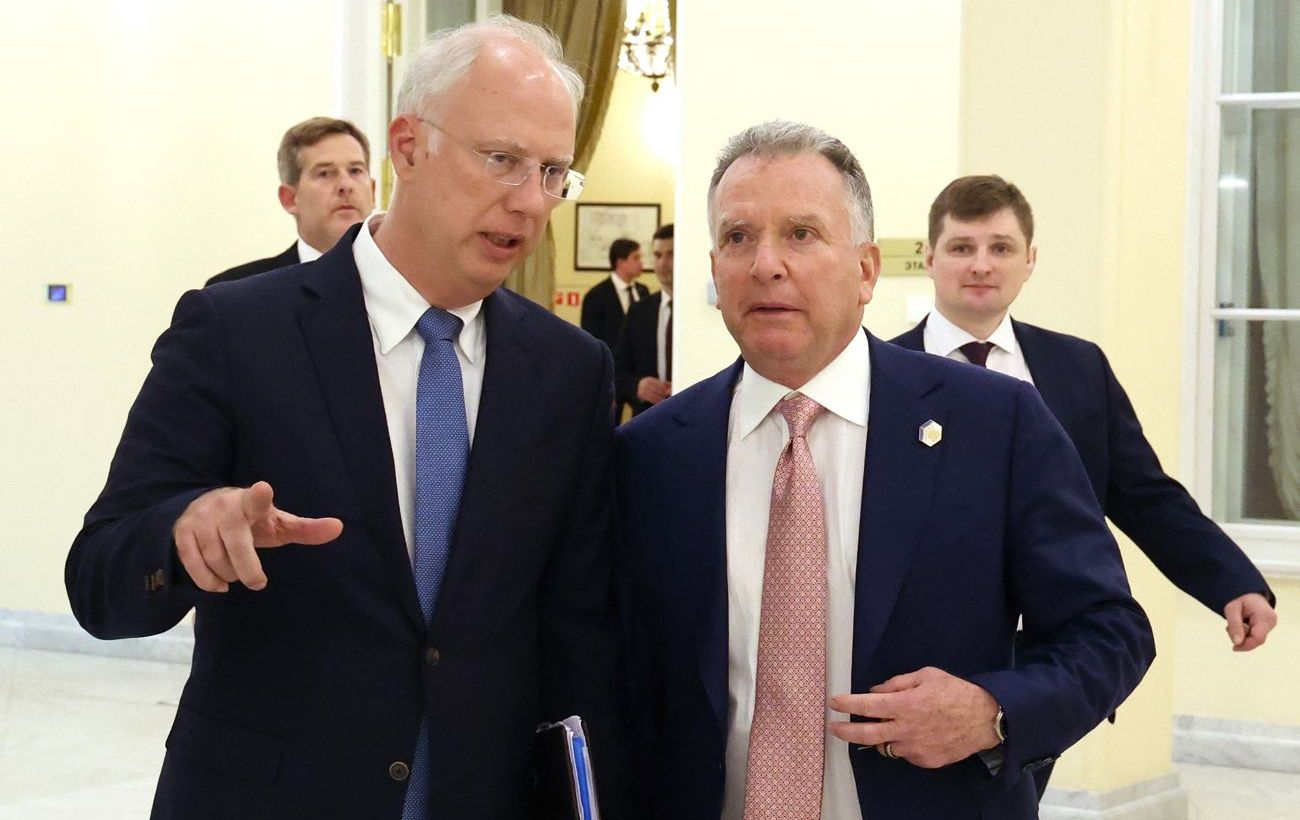
Previously, it was reported that Putin’s special envoy, Kirill Dmitriev, planned to come to Davos for talks with the U.S. on resolving the war in Ukraine. On Wednesday, it became known that Dmitriev met with U.S. President’s special envoy Steve Witkoff and Donald Trump’s son-in-law Jared Kushner. The details of the discussions were not disclosed, but the parties described the talks as “positive and constructive.”
Conclusion
Davos-2026 has become a stage where global economic and security challenges collide. These include escalating disputes over Greenland and concerns about the proposed “Peace Council.” The forum also faces uncertainty around Ukraine’s “Prosperity Plan.” At the same time, the war between Russia and Ukraine continues. Despite diplomatic difficulties, Ukraine emphasizes the importance of continued support from its allies and finding ways to end the war. Meanwhile, European leaders are trying to balance U.S. pressure with their own security priorities.
In other news, the organizers of the World Economic Forum in Davos barred Iran’s Foreign Minister Abbas Araghchi from participating. They made this decision because civilians had died in the country in recent weeks. The WEF press office considered the presence of Iranian government representatives at this year’s forum inappropriate. At the same time, discussions are underway about the future location of the forum. According to Bloomberg, WEF interim co-chair and BlackRock CEO Larry Fink has publicly suggested moving the annual meetings out of the Swiss Alps. He proposed relocating them to major industrial hubs. Examples include Detroit and Jakarta.