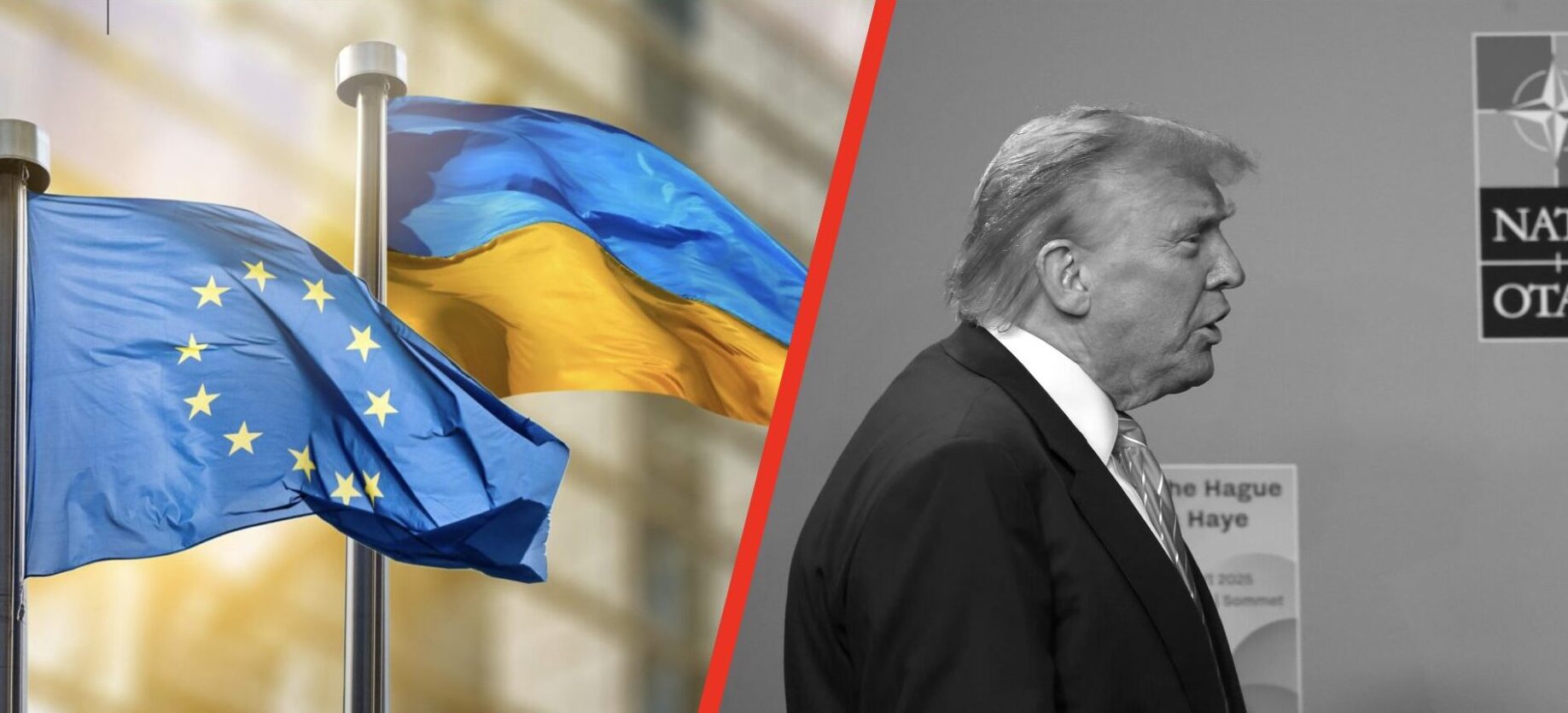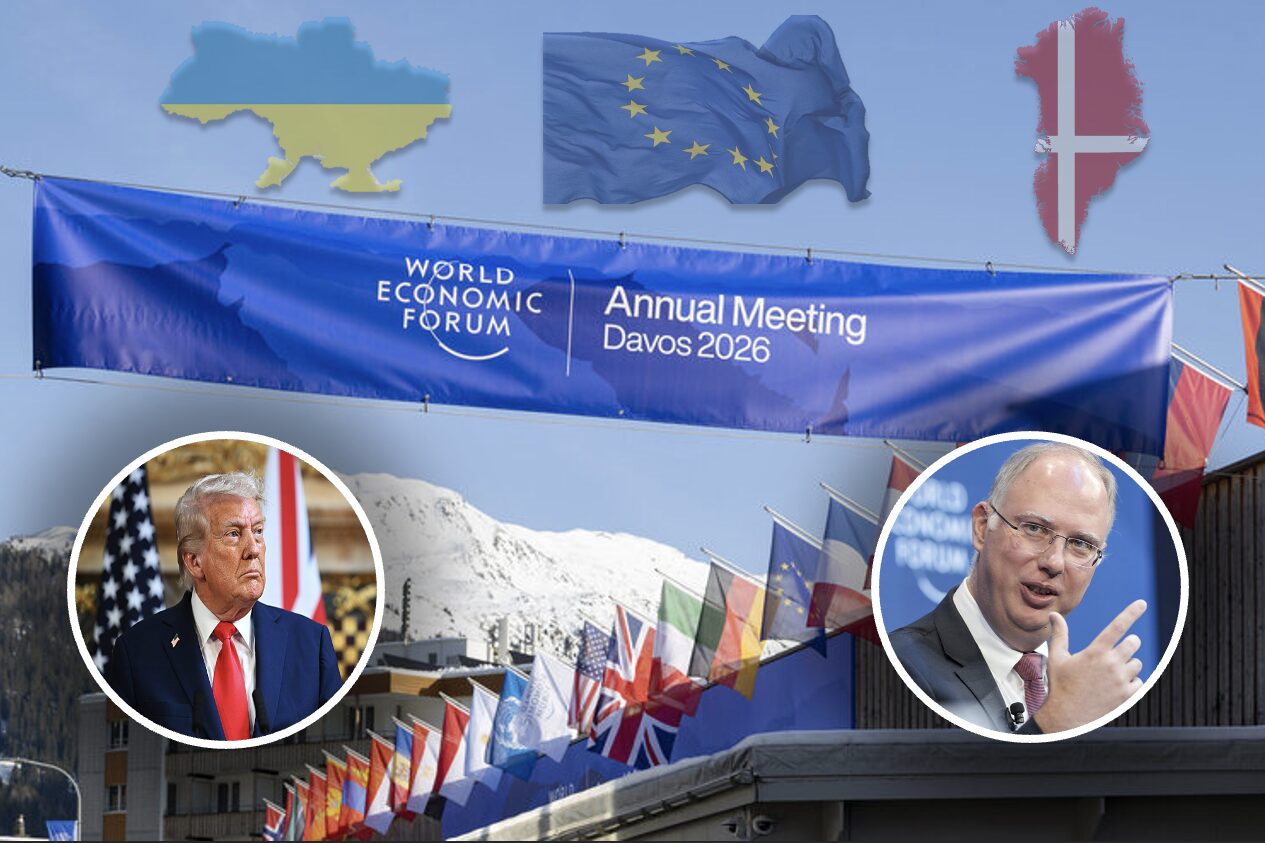


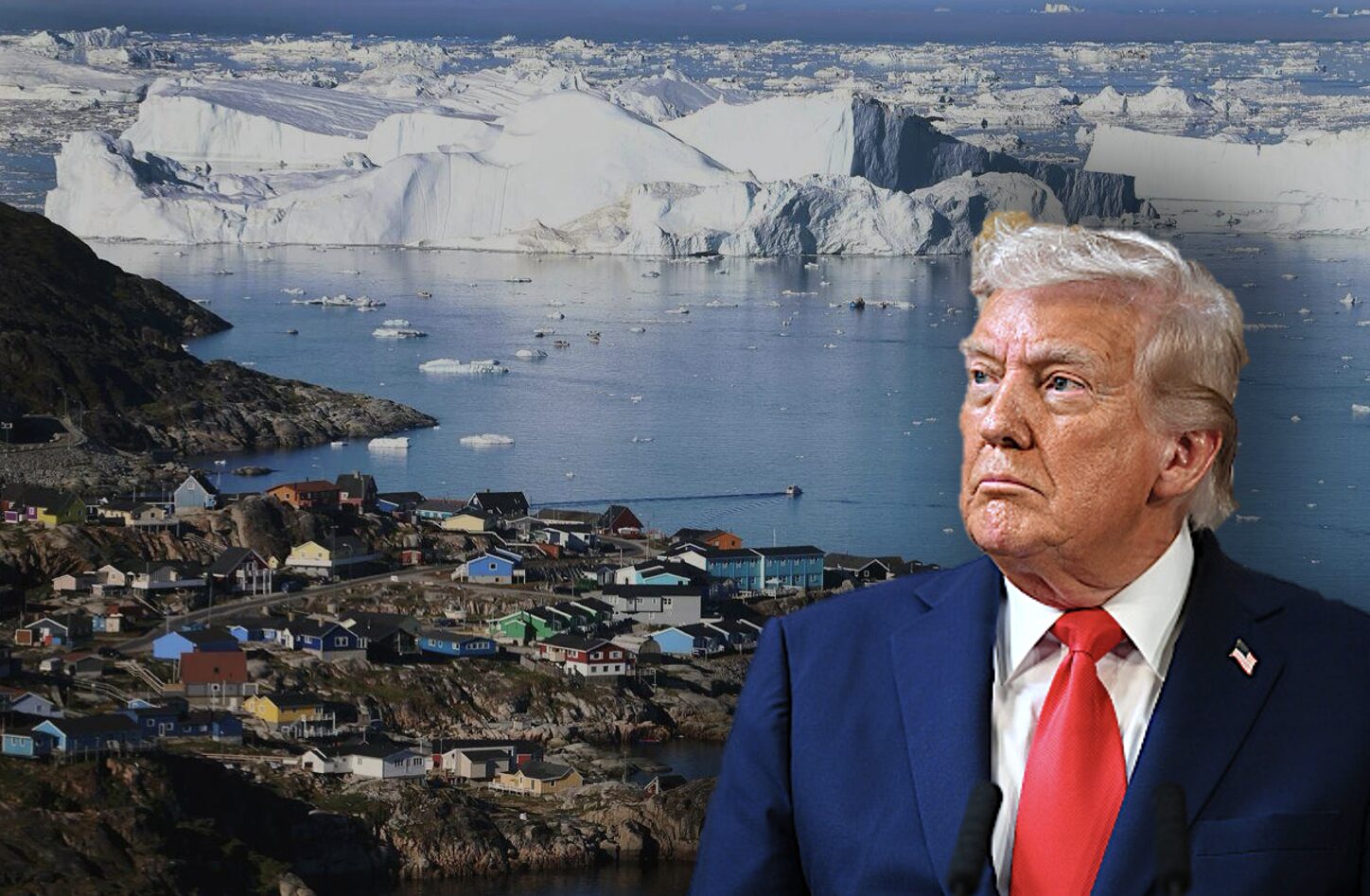
The World Economic Forum in Davos is taking place this year amid rising tensions between the United States and Europe. This follows U.S. President Donald Trump’s statements about Greenland and potential trade restrictions on EU countries, according to leading global media.
Ukraine Not at Center of Agenda
Although the Ukrainian delegation is present, the war and Ukraine’s reconstruction are not the main focus this year. Financial Times reports that a meeting of national security advisors, originally planned to discuss Ukraine, has shifted. It will now concentrate on Greenland and the EU’s response to new trade threats from the U.S. administration.
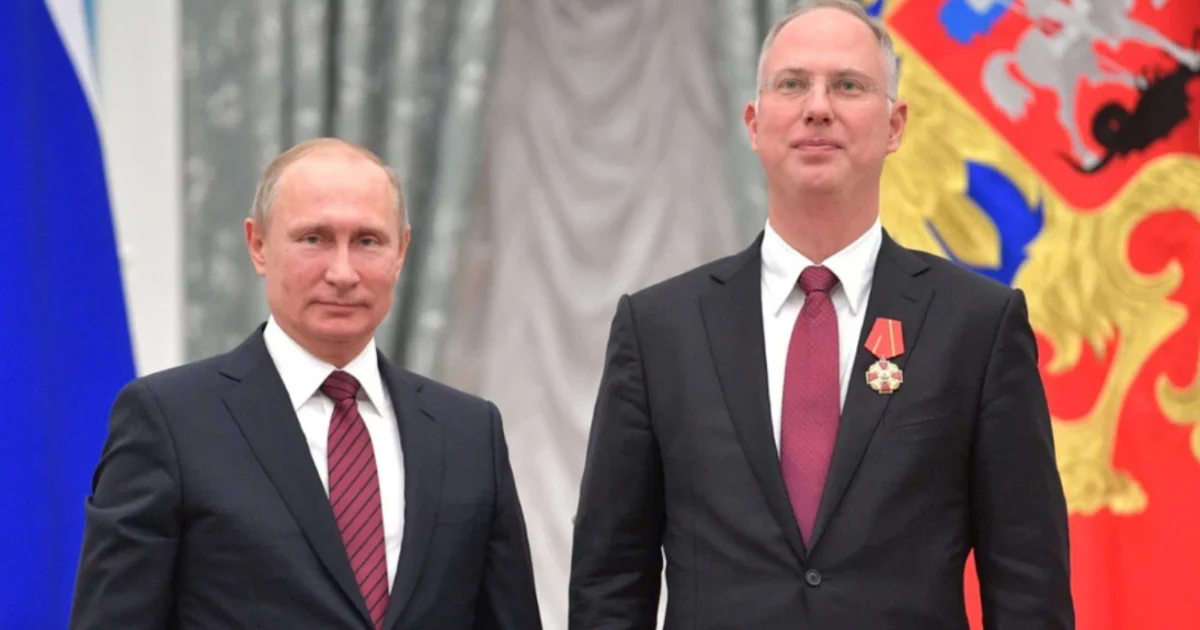
Meanwhile, Reuters reports Kirill Dmitriev, Russia’s presidential special envoy, will attend Davos for the first time since Russia’s full-scale invasion began. Heʼs expected to meet with the U.S. delegation. Ukraine’s top negotiator Rustem Umerov confirmed talks with U.S. officials on resolving the war will continue on the forum sidelines.
Geopolitics vs Economy
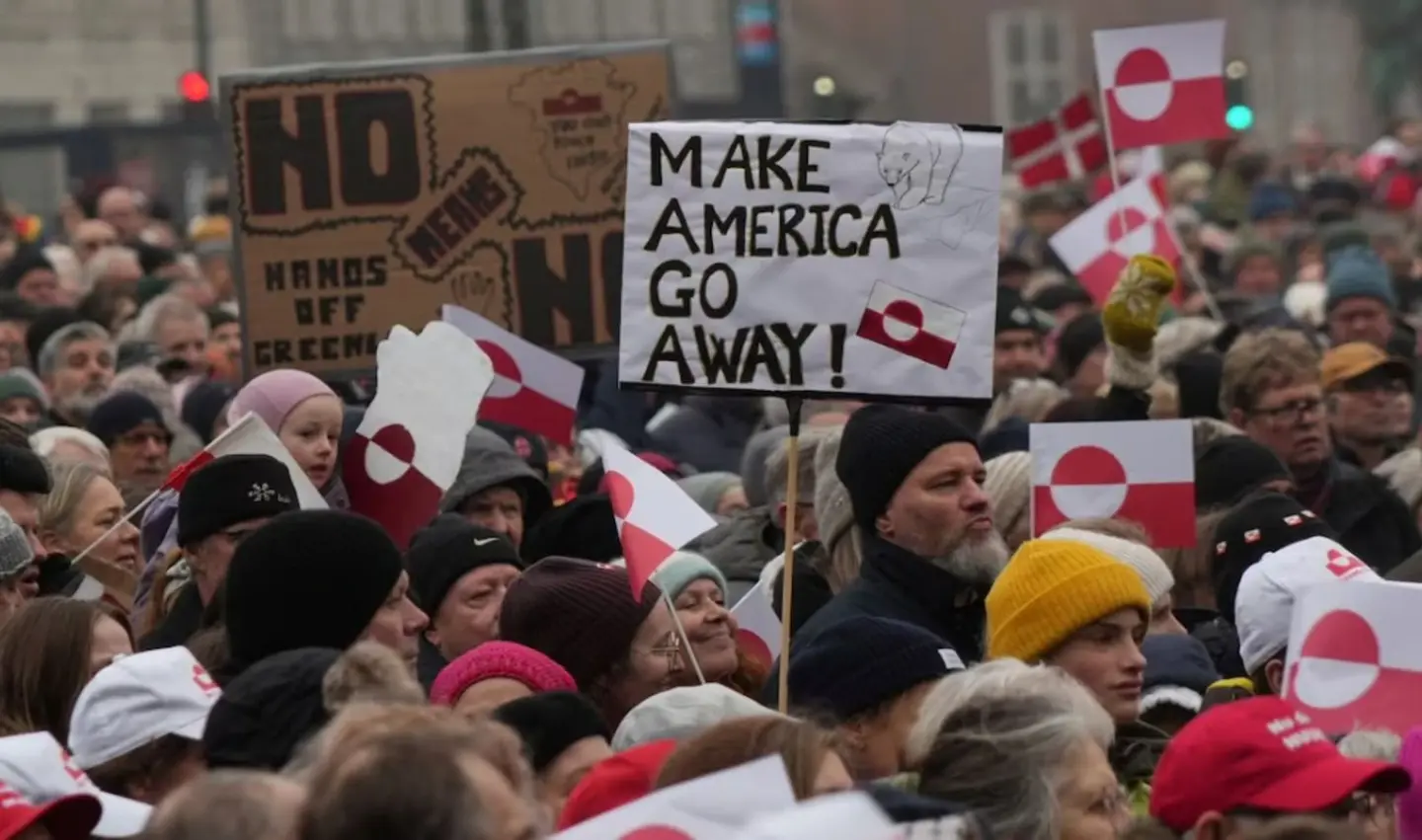
Bloomberg reports Danish officials skipped the forum in protest of Trump’s statements about Greenland, which is under Danish control. The tension has gone beyond bilateral relations and has sparked broad discussions among European allies.
European leaders have publicly responded to potential U.S. trade restrictions. The UK prime minister criticized Trump’s tariff threats. Meanwhile, the German finance minister stated Europe must clearly define the limits of acceptable pressure. FT adds that Brussels is considering responses to possible U.S. actions, ranging from imposing tariffs of up to €93 billion on American goods to using the EU’s so-called Anti-Coercion Instrument to restrict foreign companies’ access to the single market.
At the same time, Spain’s prime minister canceled his trip to the forum due to a major railway accident, that killed at least 39 people. He was scheduled to meet Trump and other leaders and deliver a speech but went to the site of the disaster instead, El Pais reports.
Business Avoids Loud Statements
Amid political tensions, the business side of the forum is much quieter. Bloomberg reports around 850 CEOs focus on business operations and technology development while avoiding direct political statements.
In public speeches, participants generally speak about “geopolitical volatility” and “tariff uncertainty” instead of trade wars or security alliances. Banking representatives warn that Europe could face additional economic risks due to trade shocks. Investment fund managers also point to temporary risks in the AI market.

Background
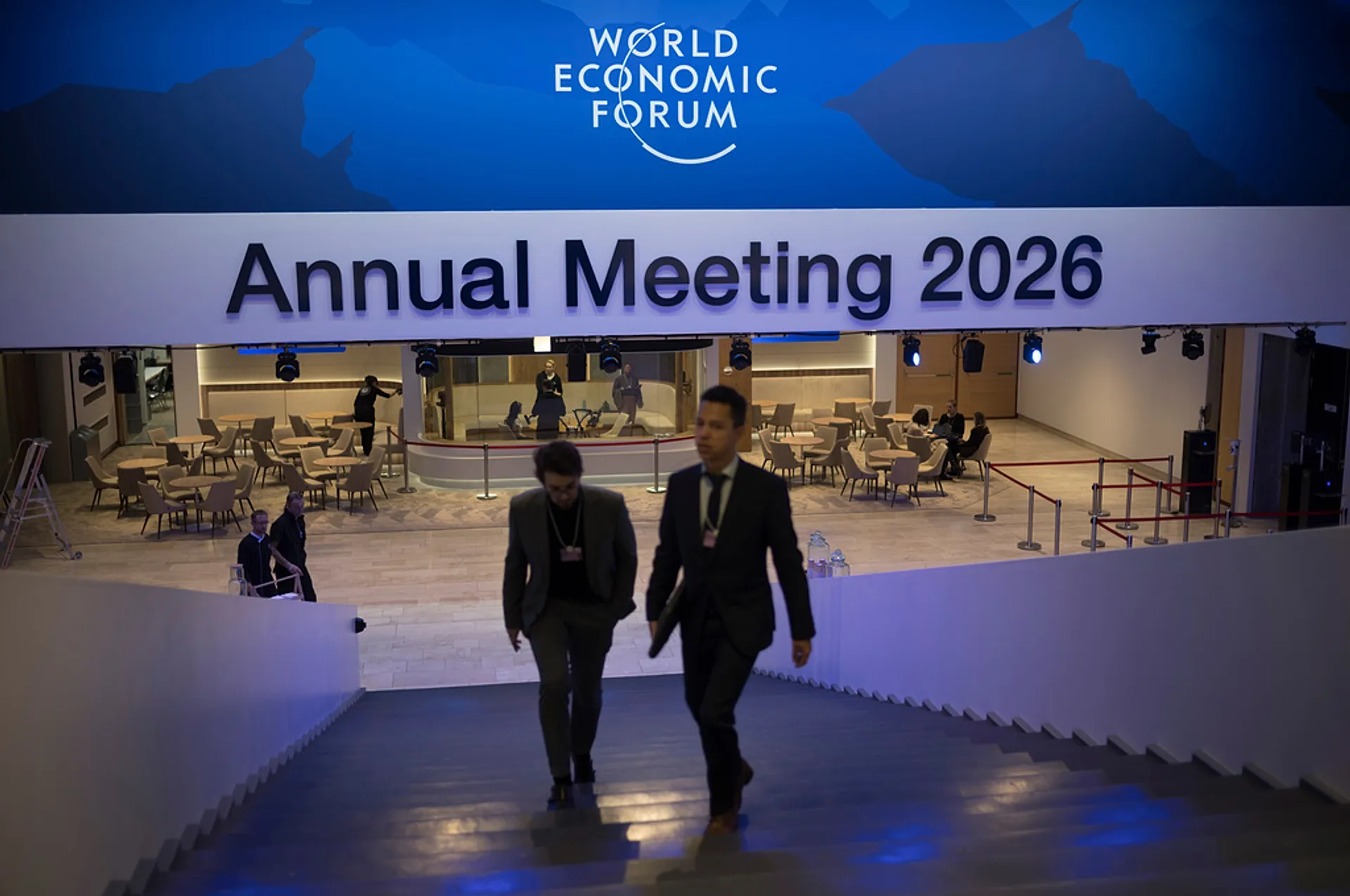
The World Economic Forum in Davos runs from January 19 to 23 and gathers around 3,000 participants from more than 130 countries. Over 100 heads of state and government, including six G7 leaders, are expected to attend. This year’s forum focuses on the theme of “The Spirit of Dialogue.”
During sessions on geopolitics and economic growth, participants will discuss rebuilding cooperation and investing in people to strengthen the workforce and support skill transitions.
Conclusions
The current Davos forum takes place amid heightened political tensions between the U.S. and Europe. This situation significantly affects the meeting agenda. For Ukraine, it means reduced attention to its issues due to Europe’s crisis-focused response to new challenges in relations with the United States.