
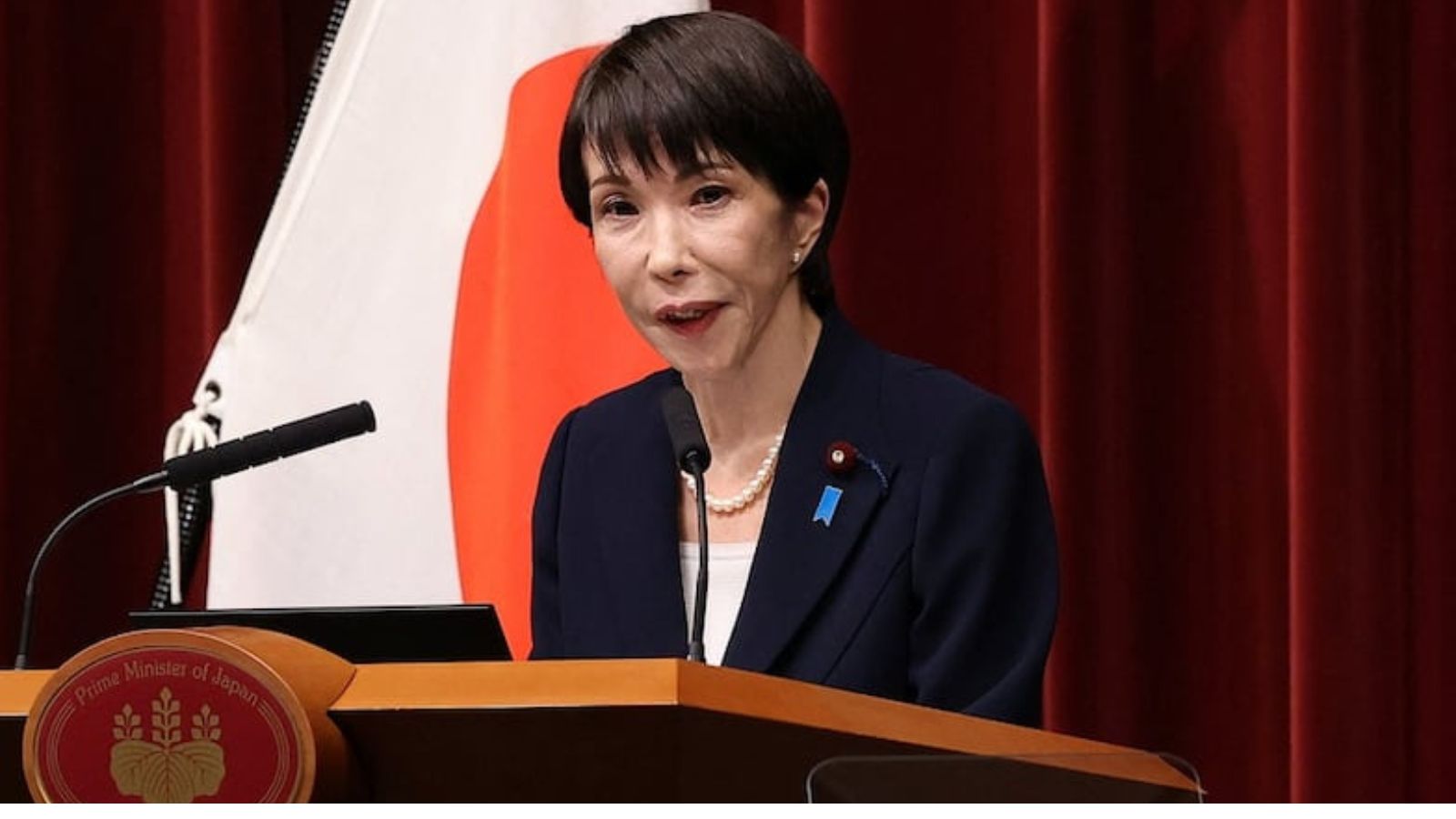


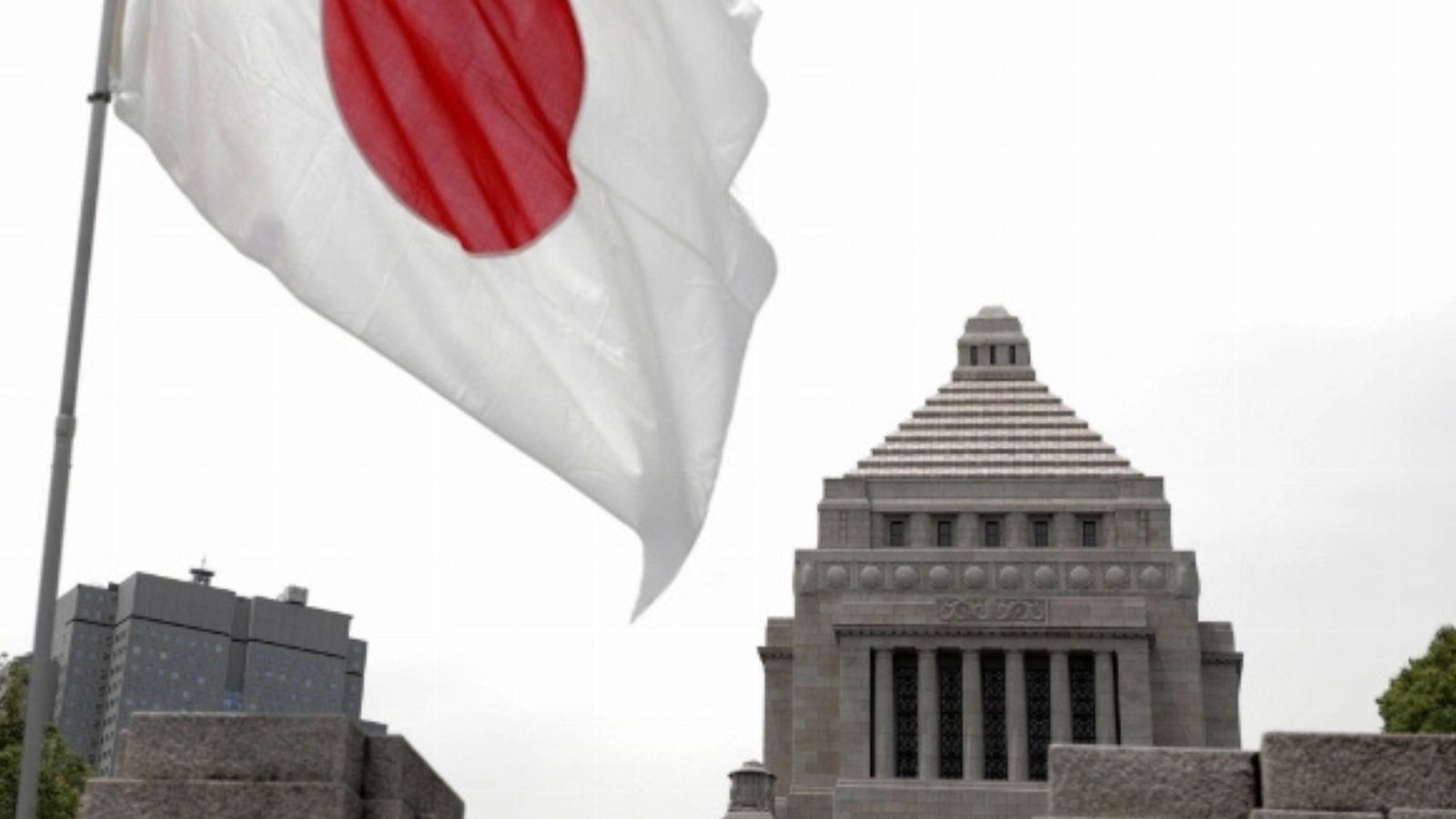
Japanese Prime Minister Sanae Takaichi will dissolve the lower house of parliament on January 23. The snap general election is scheduled for February 8, 2025. This move aims to secure a fresh public mandate for her economic and national security policies. According to The Japan News and Kyodo News, the official campaign will begin on January 27.
Seeking a Public Mandate
Takaichi assumed office in October as Japan’s first female Prime Minister. Currently, her ruling Liberal Democratic Party (LDP) lacks a stable majority in both houses. Consequently, she seeks to leverage her high approval ratings, which range between 60% and 80%.
“I am staking my own political future as prime minister on this election. I want the public to judge directly whether they will entrust me with the management of the nation,” Takaichi stated.
The timing of the election is strategic. Takaichi aims to solidify her power before her “honeymoon period” with voters fades. The LDP has governed Japan for decades but faces internal instability. By calling for an early vote, Takaichi hopes to gain a “sole majority” that would allow her to bypass opposition hurdles and implement bolder reforms quickly.
Economic Strategies and Risks
The cost of living remains the top concern for Japanese voters. Therefore, Takaichi has proposed a significant economic stimulus package. Her plan includes a two-year suspension of the 8% consumption tax on food. This policy aims to boost household spending and create new jobs. However, critics warn that this move will reduce government revenue by approximately $32 billion annually.
Financial markets have reacted sharply to these spending plans. The yield on Japan’s 10-year government bonds reached a 27-year high following the announcement. Meanwhile, the opposition has formed a new “Centrist Reform Alliance.” This group plans to challenge the LDP by offering even more radical tax cuts. The upcoming election will thus test the public’s appetite for increased government spending amid rising inflation.
Security and Foreign Policy
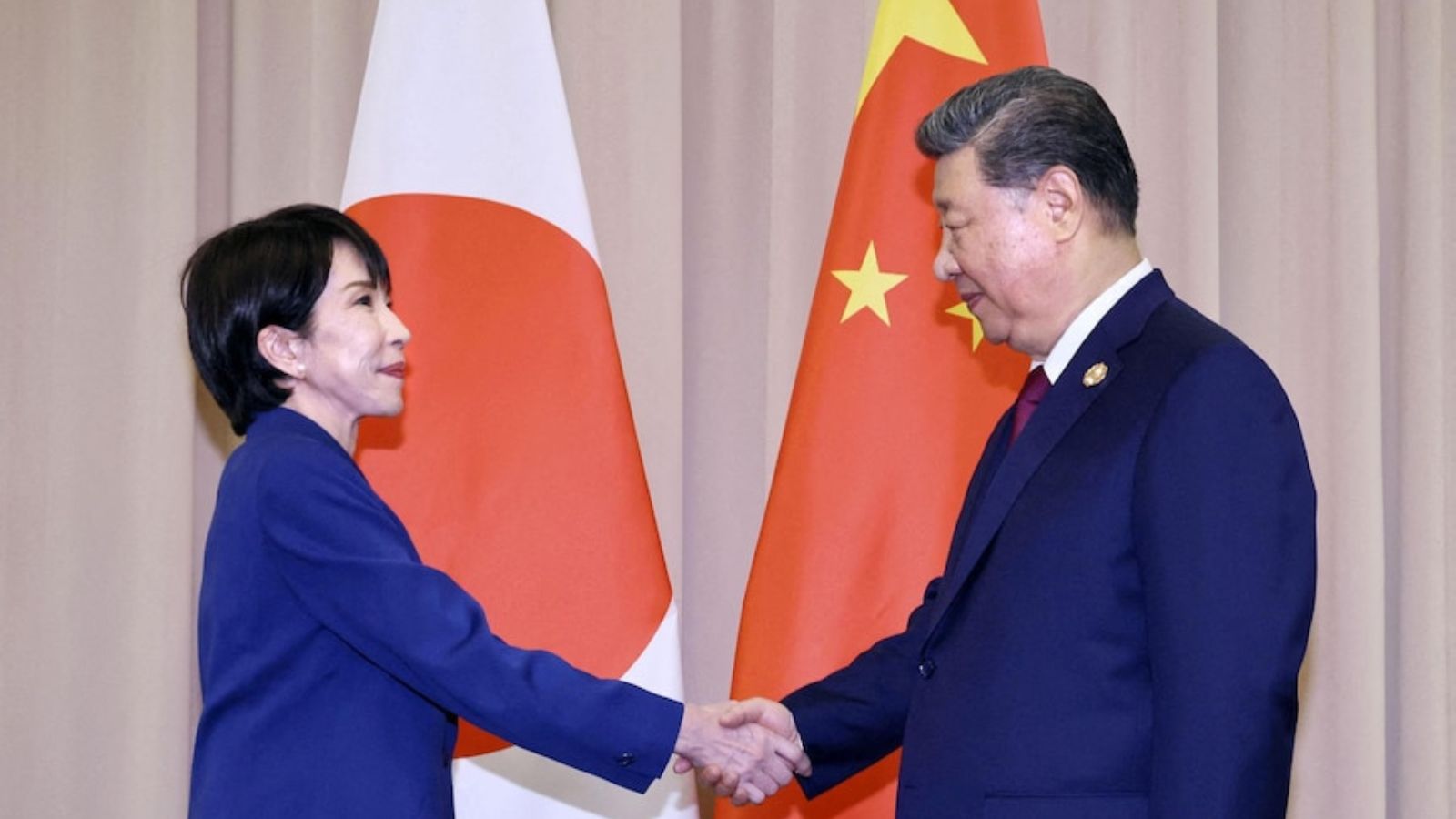
National security will also be a major theme in the campaign. Takaichi intends to accelerate a military build-up, aiming to raise defense spending to 2% of GDP. This shift follows increasing tensions with China over Taiwan and critical supply chains. Recently, Beijing banned exports of essential minerals to Japan, further straining bilateral ties. Takaichi maintains that a stronger defense is necessary for regional stability.
Conclusion
The February 8 election is a high-stakes gamble for Takaichi’s administration. A victory would grant her the authority to reshape Japan’s military and economic landscape. Conversely, a poor result could lead to political gridlock or another change in leadership. Ultimately, Japanese voters will decide if they trust Takaichi’s vision for a more assertive and economically stimulated nation.