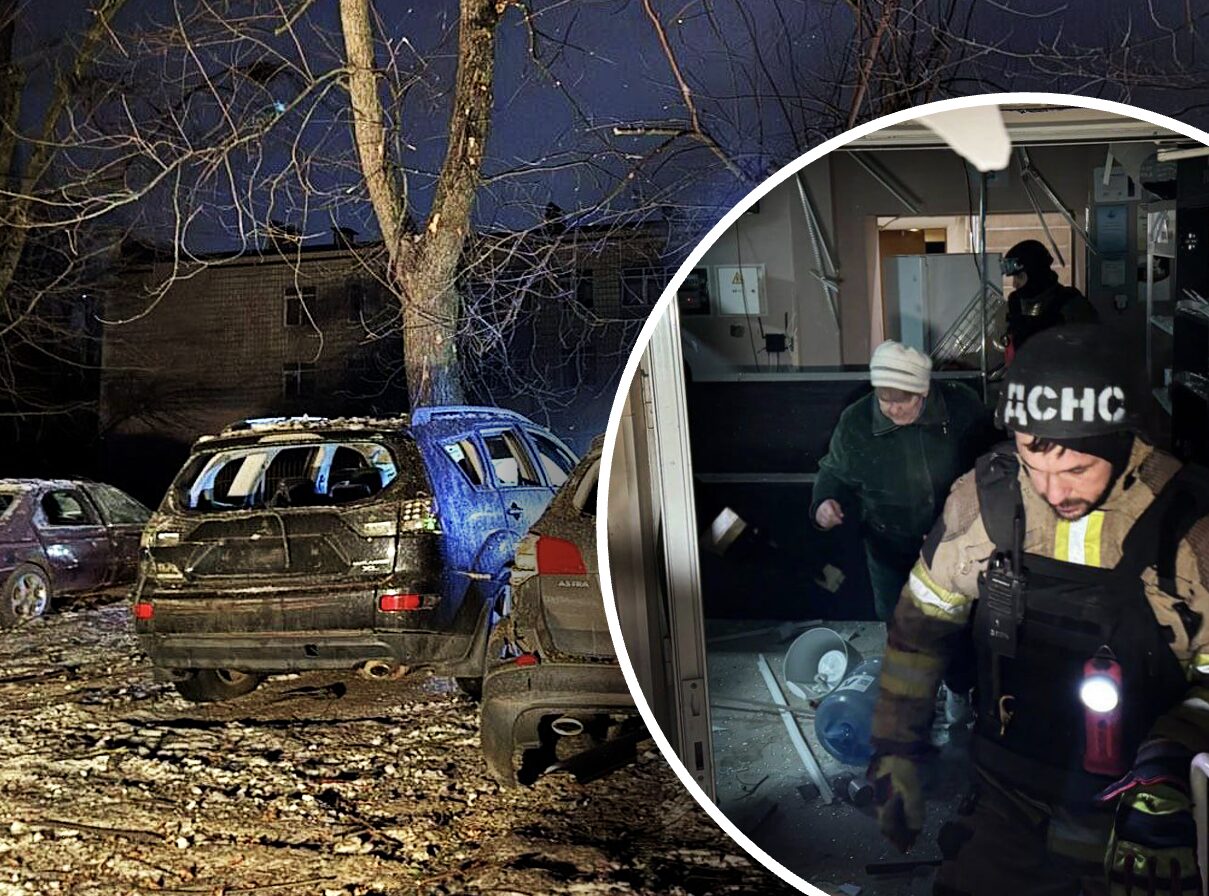


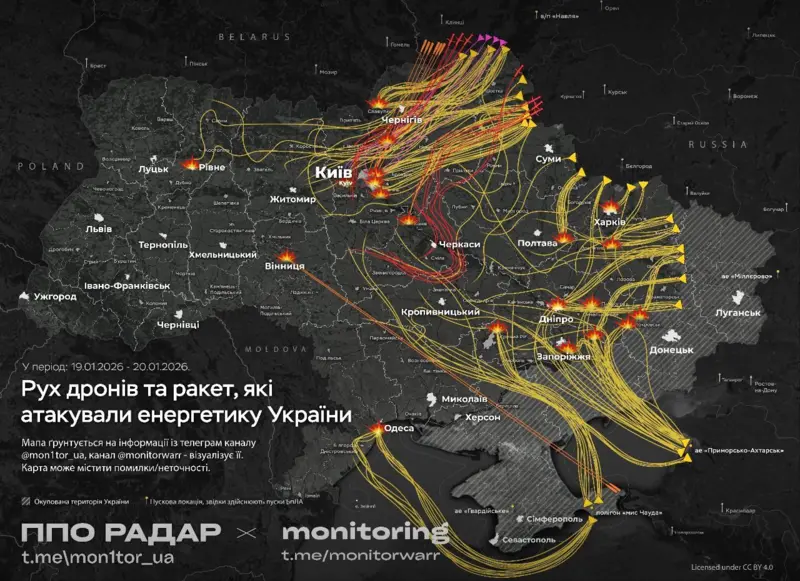
During the night of January 20, Russia launched a large-scale attack on Ukraine. The main target was the Kyiv region. Russian strikes also hit the Rivne, Vinnytsia, Poltava, Dnipropetrovsk, Odesa, and Zaporizhzhia regions. Throughout the night, the enemy used missiles and attack drones. Toward morning, cruise missiles were launched from Tu-95MS strategic bombers.
According to Ukraine’s Air Force, Russian forces attacked Ukraine with one Zircon anti-ship missile, 18 Iskander-M/S-300 ballistic missiles, 15 Kh-101 cruise missiles, and 339 attack drones. Ukraine’s air defense systems shot down or suppressed 342 aerial targets, including 14 ballistic missiles, 13 cruise missiles, and 315 drones.
Meanwhile, Ukraine’s power grid operator Ukrenergo reported power outages caused by strikes on the energy system. Outages were recorded in Kyiv and the Kyiv region, as well as in the Odesa, Dnipropetrovsk, Rivne, Kharkiv, and Sumy regions.
Consequences of Shelling in Kyiv
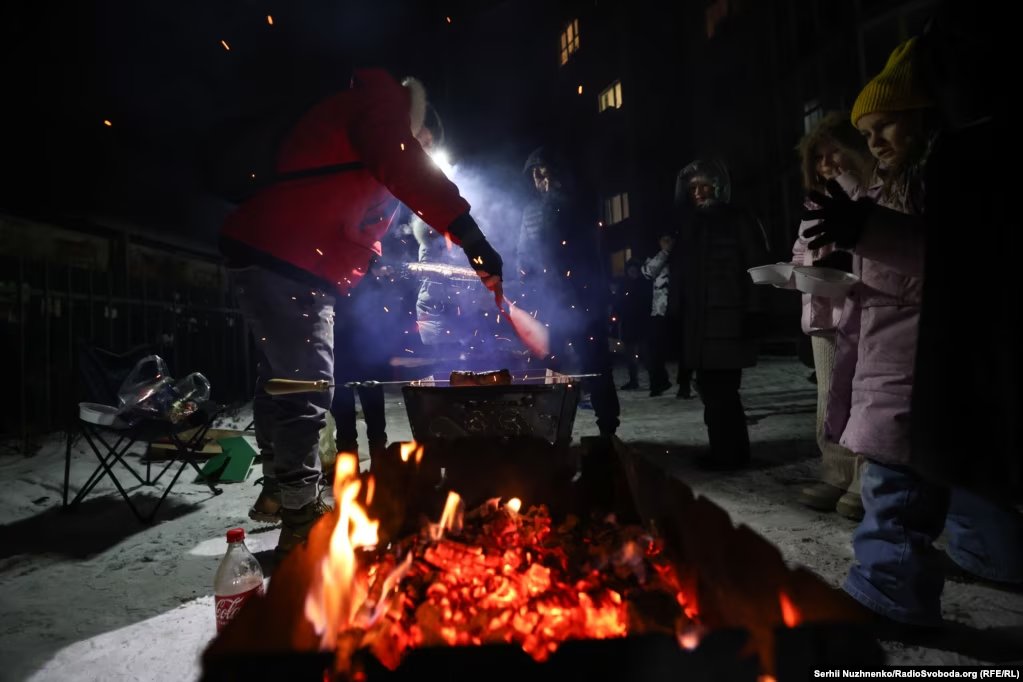
In the capital, the Left Bank suffered the most damage. Around 4,000 apartment buildings remain without heating out of the 5,635 that lost heat after the overnight attack. Water supply remains unavailable in the Desnianskyi, Darnytskyi, and Dniprovskyi districts.
Kyiv Mayor Vitalii Klitschko said that social infrastructure facilities are switching to autonomous power sources. The attack damaged non-residential buildings, vehicles, and a school. Drone debris injured one person. Due to disruptions in electricity and heating, the Kyiv metro has adjusted its operating schedule.
Other Regions Under Attack
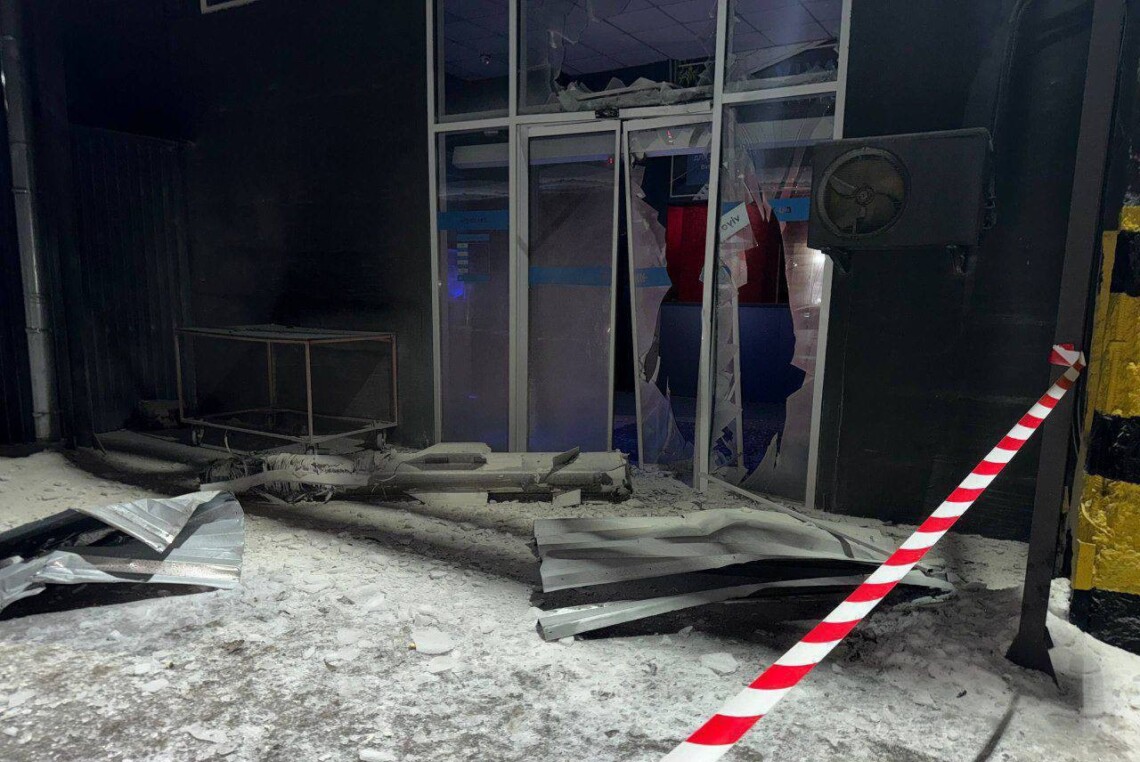
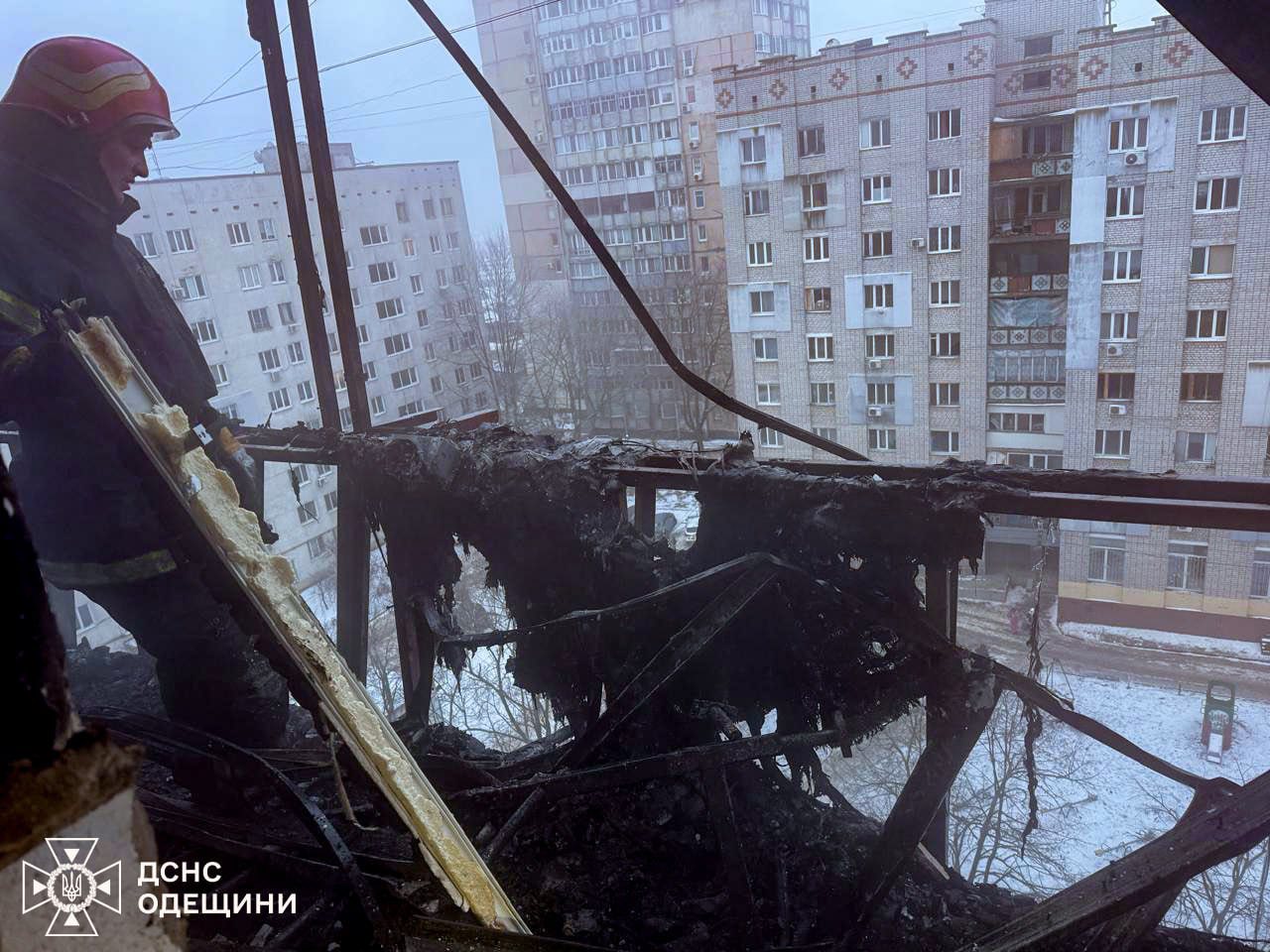
In Dnipro, a fire broke out at an industrial facility overnight. Two women were injured, and a high-rise building and several cars were damaged. The city mayor reported that a large boiler plant was also damaged by the Russian missile and drone strike, leaving hundreds of homes without heating.
In the Odesa region, strikes hit residential areas and energy infrastructure. In Chornomorsk, the facade and windows of a multi-storey building were damaged. No injuries were reported.
In Zaporizhzhia, three people were injured, and part of the city was left without electricity.
In the Vinnytsia and Rivne regions, there were no casualties. However, authorities reported damage to residential buildings and energy infrastructure.
Situation at Chornobyl Nuclear Power Plant
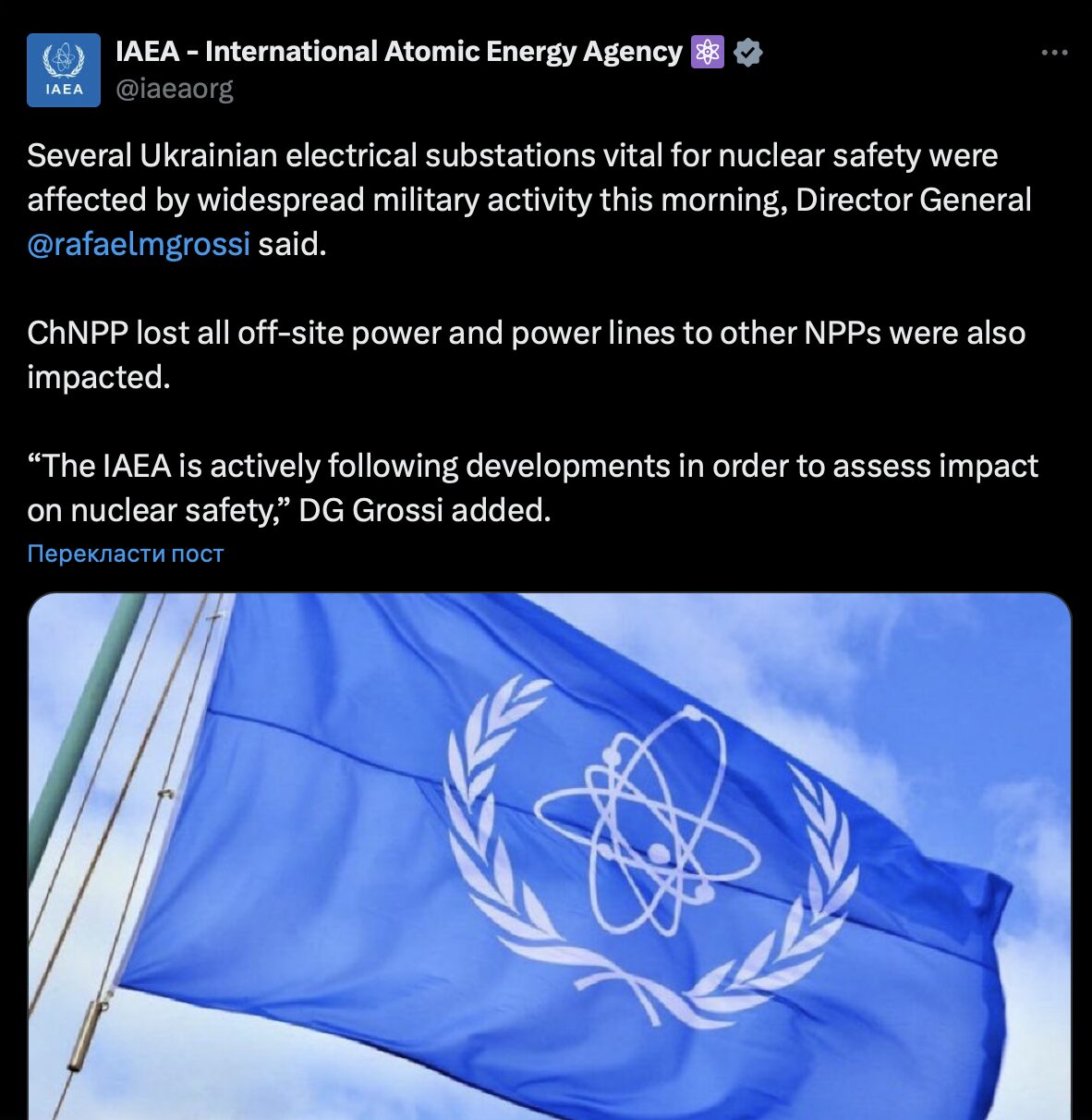
The attack damaged facilities linked to the power supply of the Chornobyl Nuclear Power Plant. Power transmission lines to other nuclear power plants were also affected.
According to the Ministry of Energy, despite overnight strikes on key energy nodes, the Chornobyl NPP remains connected to Ukraine’s unified power grid. All facilities, including the New Safe Confinement and spent nuclear fuel storage sites, continue to operate normally. Radiation levels remain within safe limits. Plant personnel are maintaining enhanced monitoring, and fuel reserves and backup power sources remain operational.
The Ministry of Energy stressed the need for an extraordinary meeting of the IAEA Board of Governors to assess the consequences of attacks on Ukraine’s energy system. The International Atomic Energy Agency also responded to the situation.
Ukrainian Authorities Reaction
President Volodymyr Zelensky said that Ukraine received additional missiles for air defense systems the day before the attack.
Just a day before the strike, we finally received the missiles we needed. Every support package matters. Missiles for Patriots and NASAMS are critically important—they truly protect lives, the president wrote on social media.
He added that the situation remains most difficult in Kyiv. Repair crews and emergency responders are working to restore heating, water, and electricity supplies.
Foreign Minister Andrii Sybiha said he discussed the consequences of the attack, the humanitarian situation in Kyiv, and Ukraine’s needs with EU foreign policy chief Kaja Kallas. He also held a phone call with Dutch Foreign Minister David van Weel.
International Reaction
Ukraine’s international partners also reacted to the latest overnight Russian attack. Foreign ministers from several countries published statements on X.
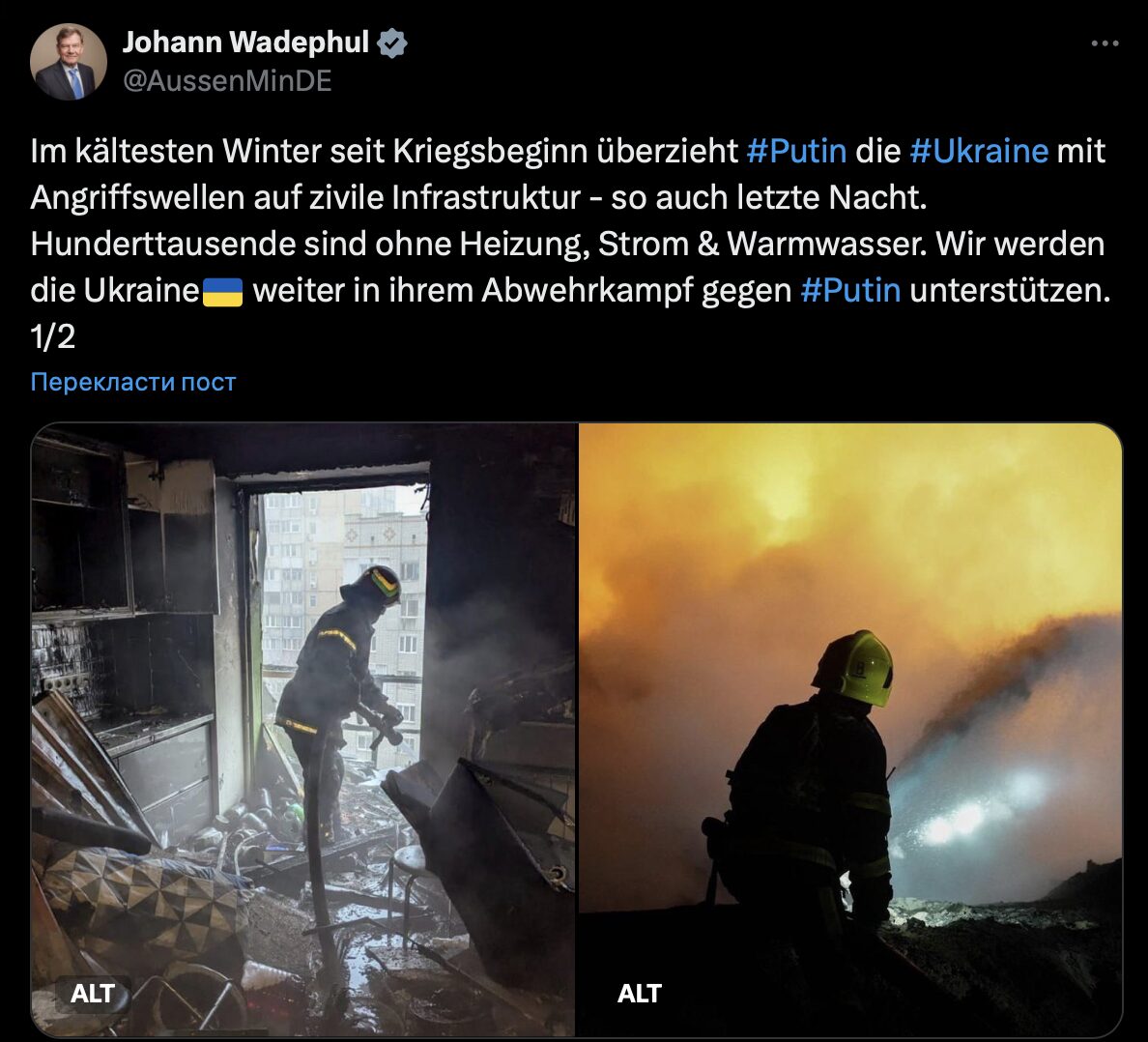
German Foreign Minister Johann Wadephul said Russia is attacking Ukraine’s civilian infrastructure during the coldest winter since the start of the full-scale war. He emphasized that Germany will continue to support Ukraine.
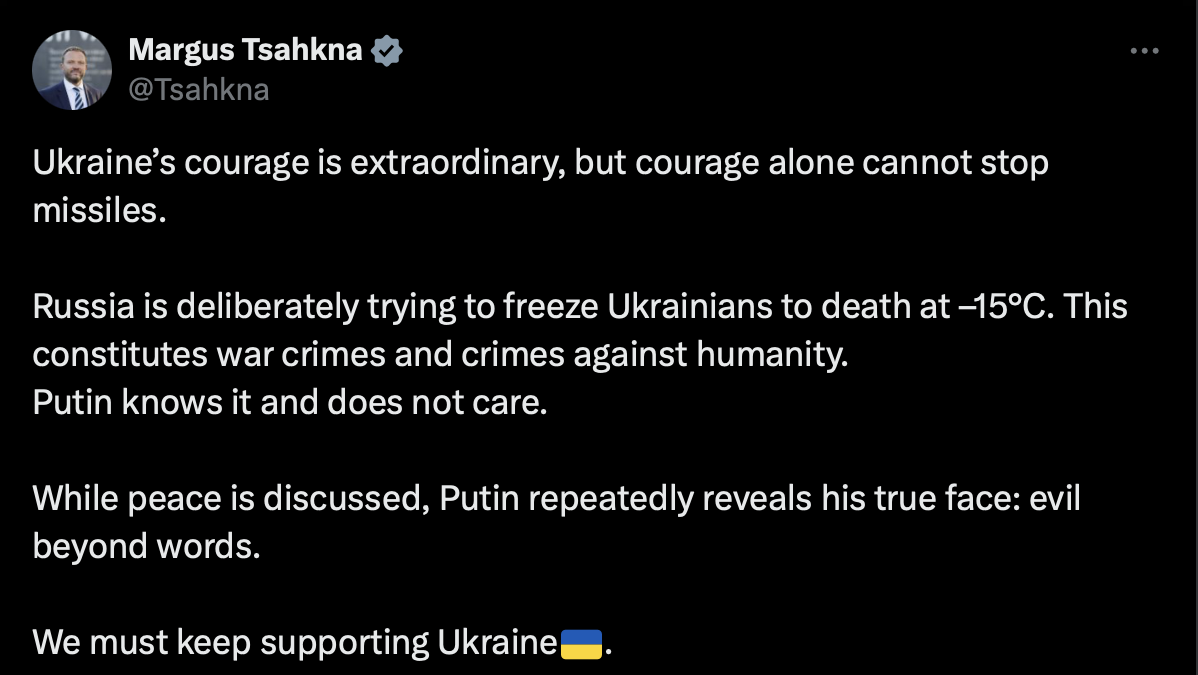
Estonian Foreign Minister Margus Tsahkna stated that courage alone cannot stop missiles. He said strikes on energy infrastructure during freezing temperatures constitute war crimes.
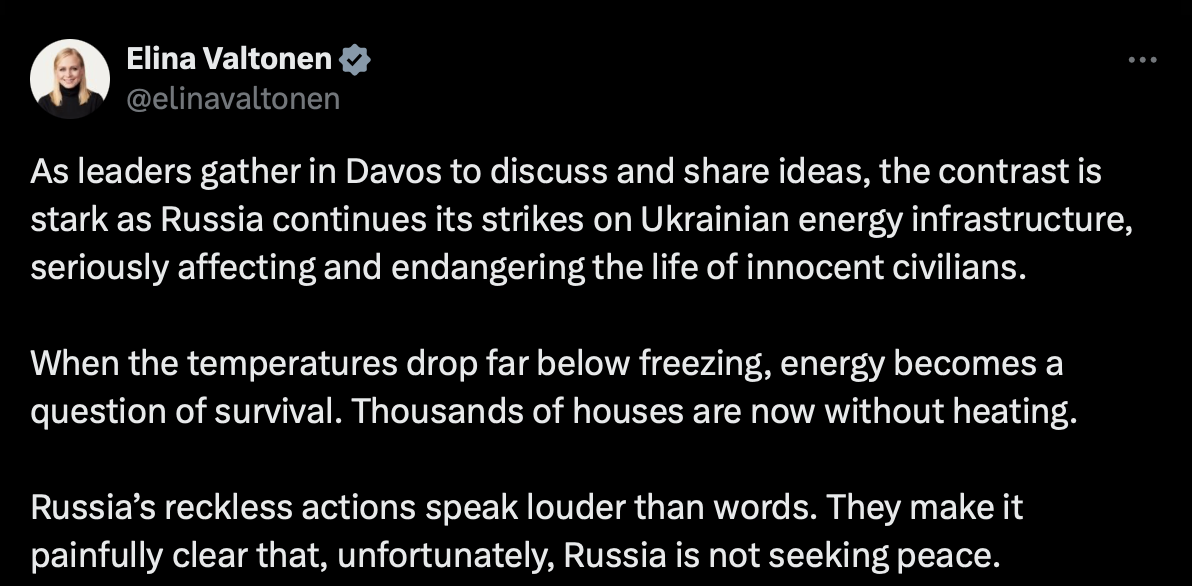
Finnish Foreign Minister Elina Valtonen said Russia continues to target Ukraine’s energy infrastructure. She stressed that during severe мороз, energy becomes a matter of survival.
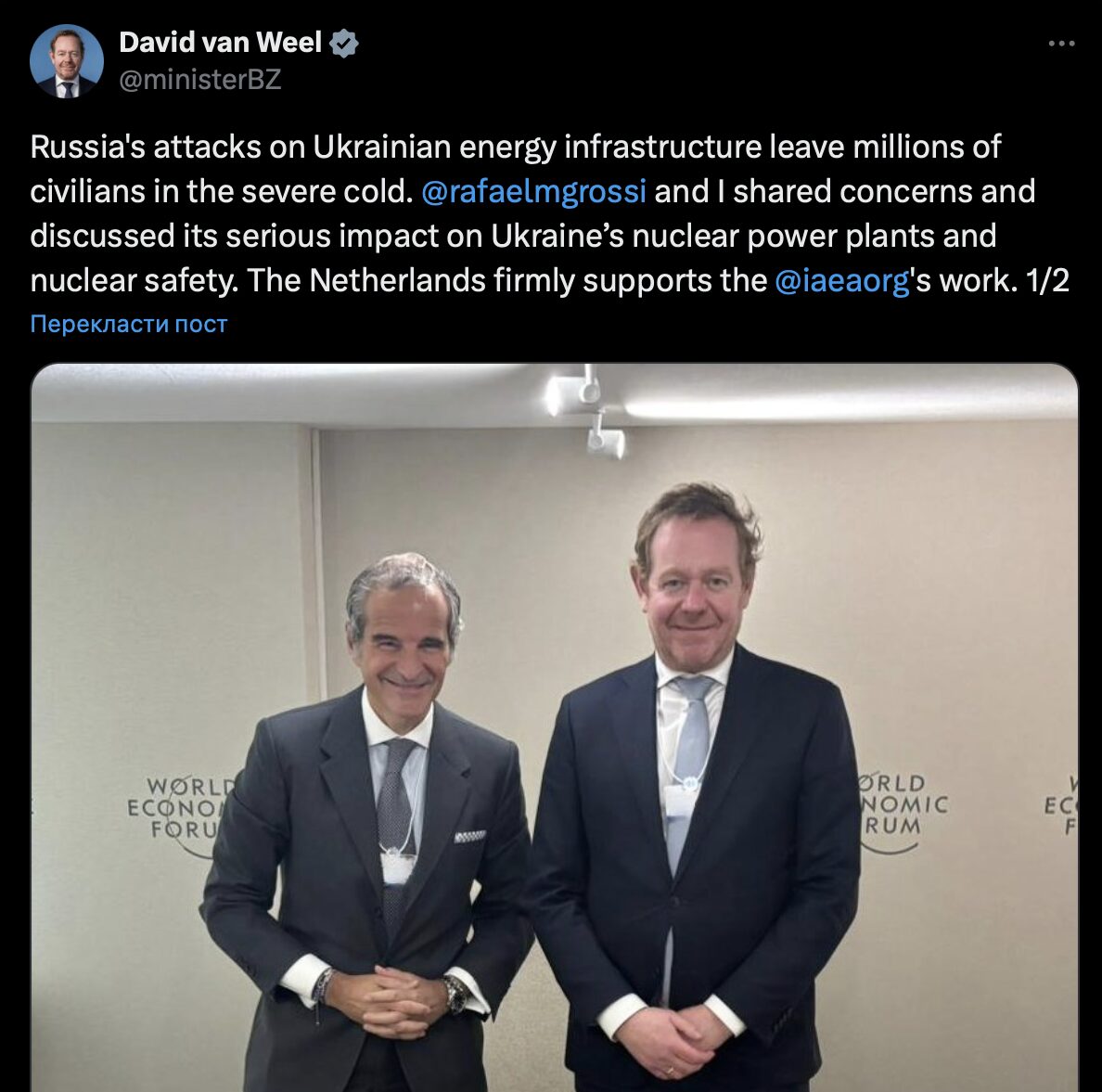
Dutch Foreign Minister David van Weel said attacks on energy facilities have left millions without heating. He added that he discussed risks to Ukraine’s nuclear power plants with the head of the IAEA.
Latvian Foreign Minister Baiba Braže said Russia is resorting to terror against civilians. She linked these actions to Moscow’s failures on the battlefield.

Conclusions
Russia’s large-scale attack overnight on January 20 caused damage to residential buildings and energy infrastructure in Kyiv and several regions across Ukraine. Air defense forces neutralized most enemy targets.
In the capital, thousands of apartment buildings remain without heating, and water supply has been partially disrupted. Damage and injuries were also reported in the Dnipro, Odesa, Zaporizhzhia, and other regions.
Emergency services and repair crews continue working to restore electricity, heating, and water supply.