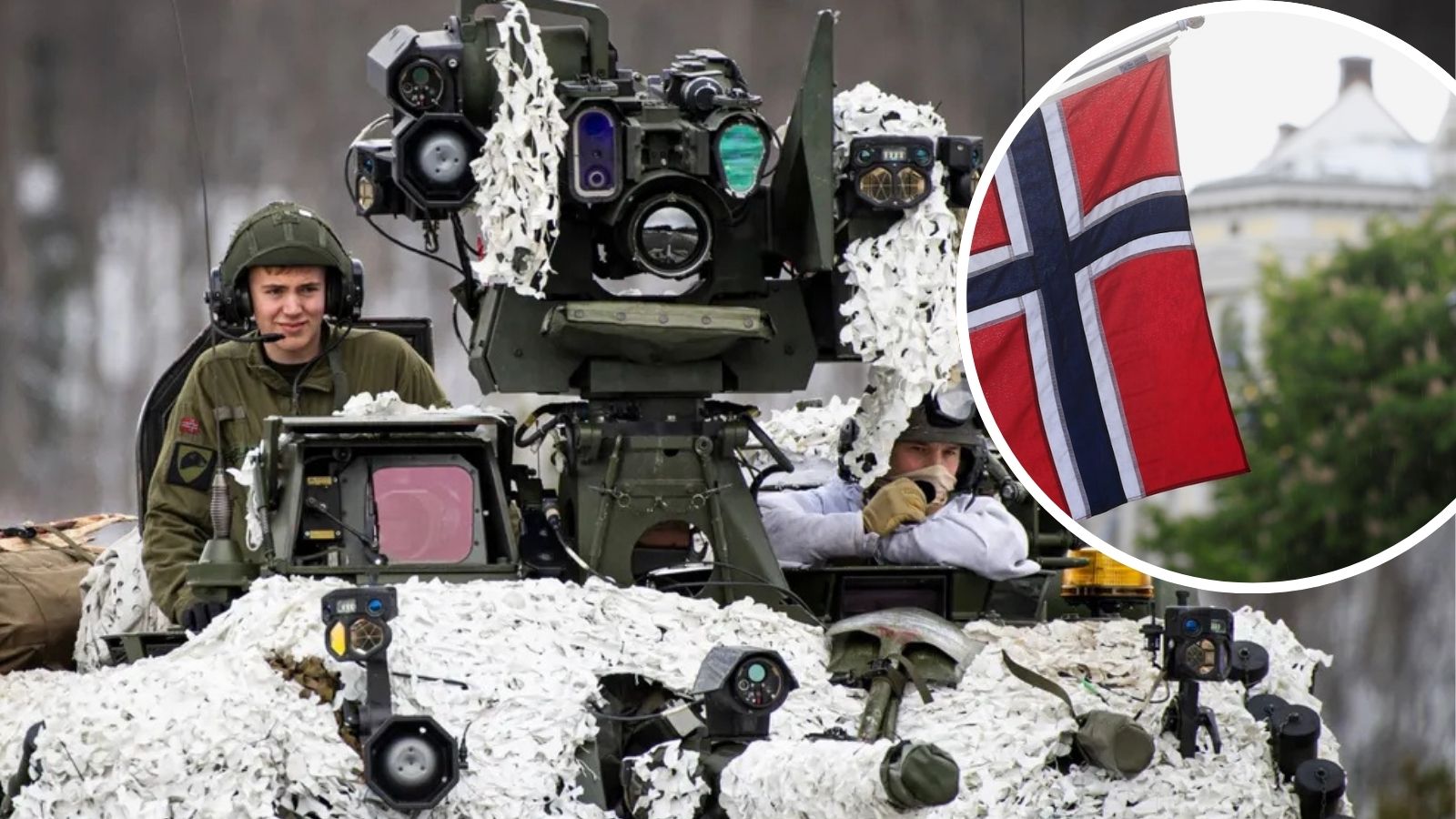


Norway has issued thousands of letters warning citizens that the military may seize private property if war breaks out with Russia. The military’s logistics organization distributed 13,500 “preparatory requisitions” covering vehicles, boats, and buildings. This policy aims to ensure the armed forces have immediate access to critical resources during a national defense emergency. These notices are valid for one year and reflect the deteriorating security climate in the High North. As reported by The Telegraph, this move follows Russia’s significant military build-up on the Kola Peninsula.
Total Defense and Civil Preparedness
The requisition letters did not surprise most recipients, as two-thirds of the notices were renewals of existing arrangements. However, the scale of current preparations highlights a fundamental shift in Norway’s national security strategy. Anders Jernberg, head of the military’s logistics organization, emphasized that the importance of crisis readiness has increased dramatically. He noted that Norway currently faces its most serious security situation since the Second World War. Consequently, the government is executing a major build-up of both military and civil preparedness to protect its sovereignty.
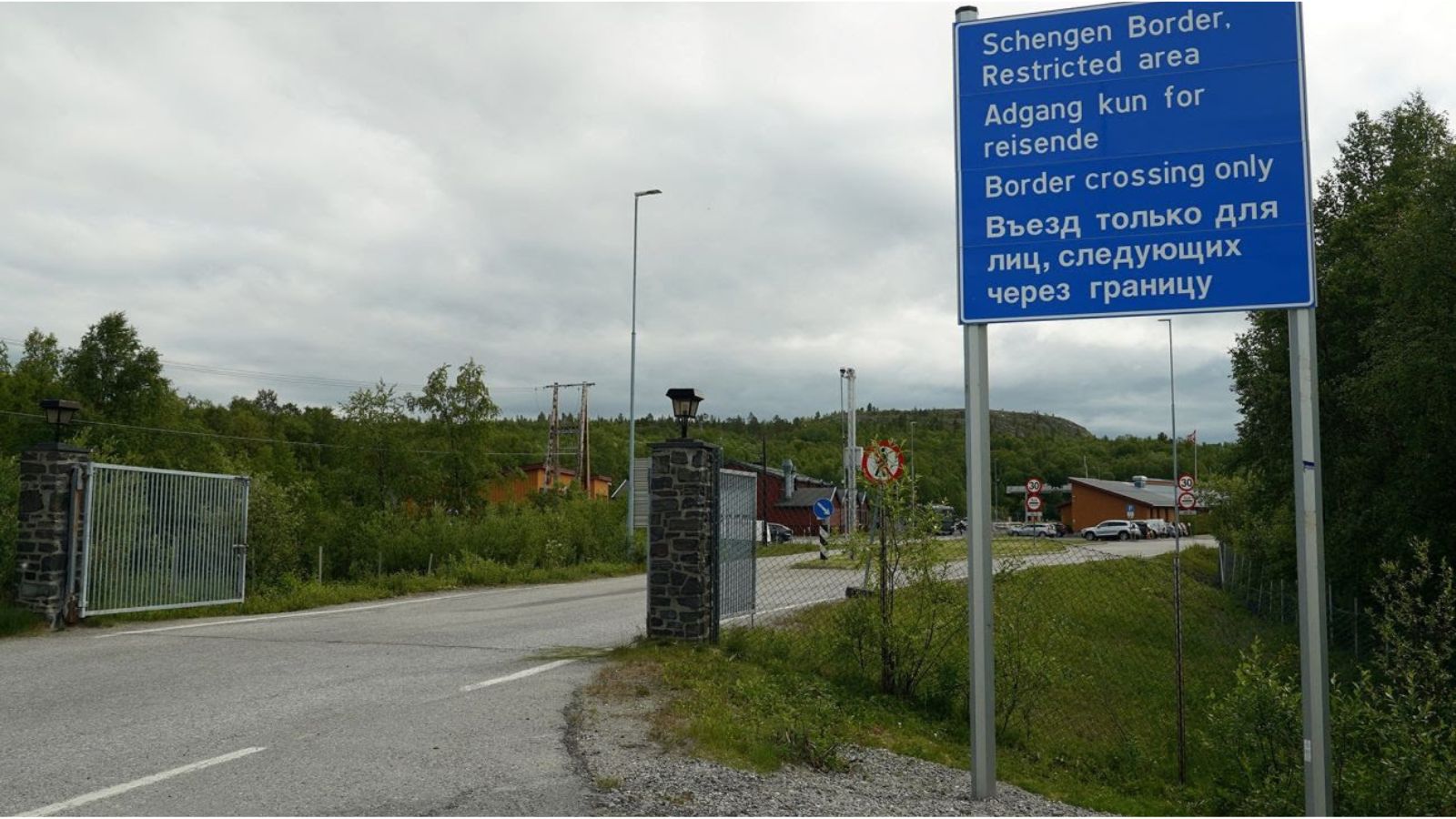
This strategy involves more than just property requisitions. Norway has recently announced a massive reinforcement of its 123-mile land border with Russia. The plan includes the installation of new fences, advanced surveillance systems, and drones for continuous aerial monitoring. These measures are designed to counter potential provocations and monitor Russian movements in real-time. As the “eyes and ears” of NATO in the Arctic, Norway remains focused on maintaining stability in a region increasingly threatened by foreign expansion.
Geopolitical tensions and Arctic challenges
Russia and China are actively seeking to expand their presence in the Arctic as melting ice caps open new shipping routes. Moscow is currently modernizing Soviet-era bases and expanding its nuclear arsenal on the Kola Peninsula. Defense Minister Tore O. Sandvik warned that these weapons target not only Norway but also the UK and North America. Furthermore, Russia is testing hypersonic missiles and nuclear-driven torpedoes to assert control over vital maritime corridors. This military pressure forces NATO allies to reconsider their defensive posture in the North Atlantic.
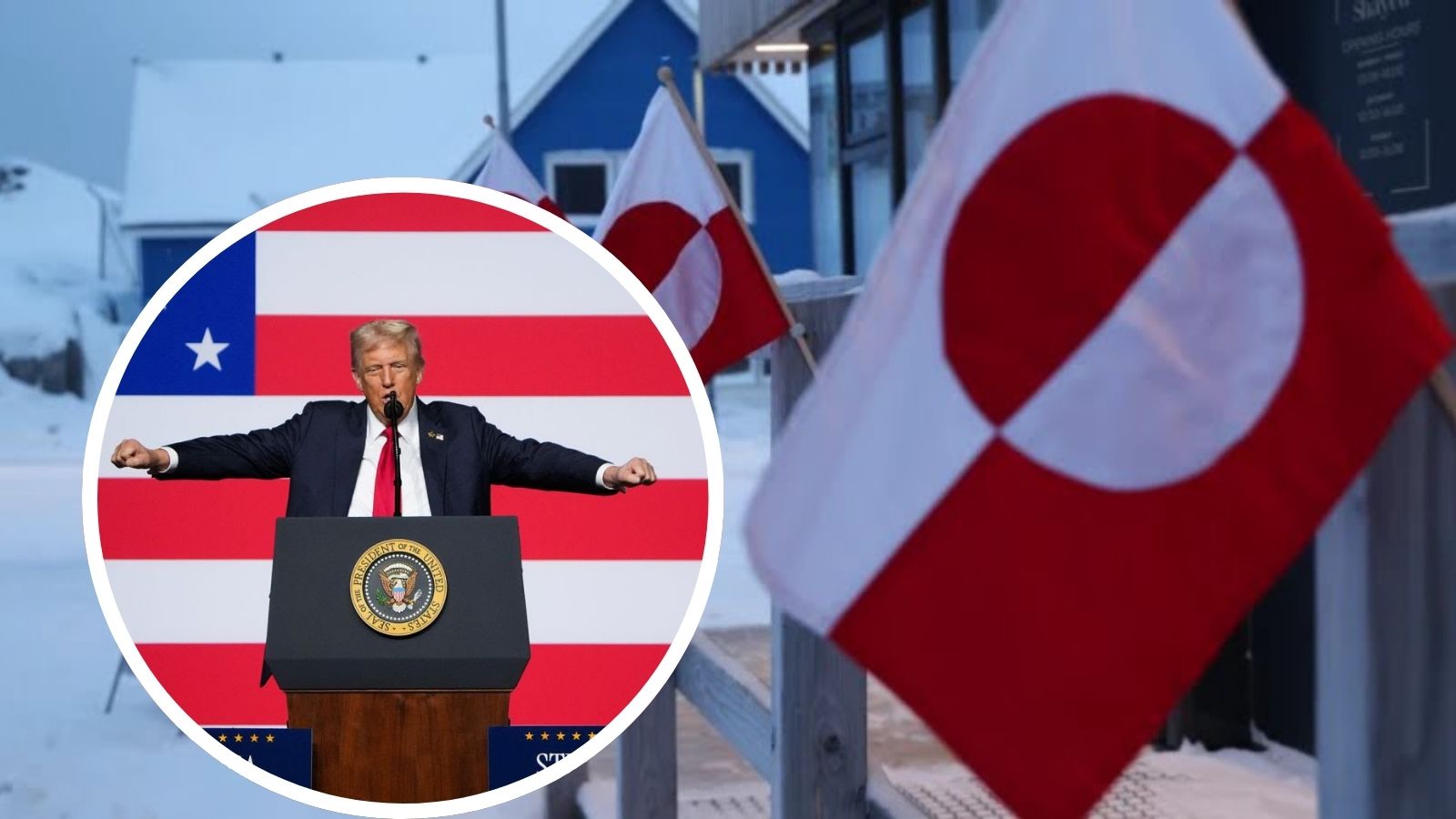
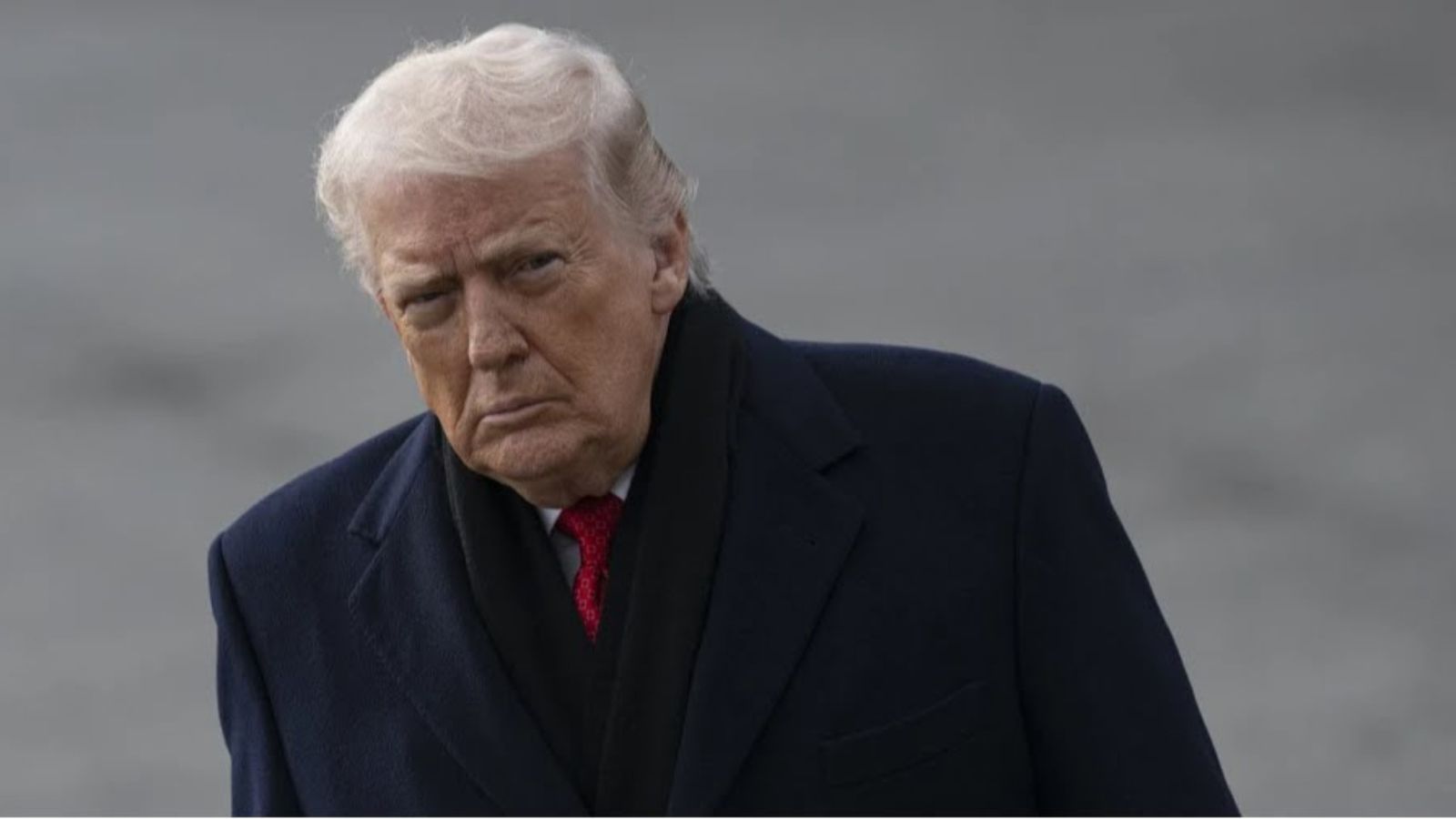
Simultaneously, a diplomatic rift between the United States and Europe complicates regional security efforts. President Donald Trump has proposed the annexation of Greenland, citing Arctic security as his primary motivation. This territorial claim has triggered a crisis within the alliance, as Denmark and Greenland maintain the island is not for sale. Trump has linked this push to personal grievances regarding the Nobel Peace Prize, further straining Transatlantic relations. Despite these internal tensions, European leaders continue to emphasize the need for a unified front against Russian regional ambitions.
Conclusion
The Arctic has emerged as a primary theater for global geopolitical competition, blending military strategy with resource security. Norway’s decision to prepare its citizens for property seizures reflects a shift toward a “total defense” model. While internal NATO disagreements over Greenland persist, the threat from the East remains the central focus for Nordic defense planners. The upcoming negotiations in Davos will be critical for restoring alliance cohesion and addressing Arctic security. Ultimately, the stability of the High North depends on the balance between national preparedness and international cooperation.