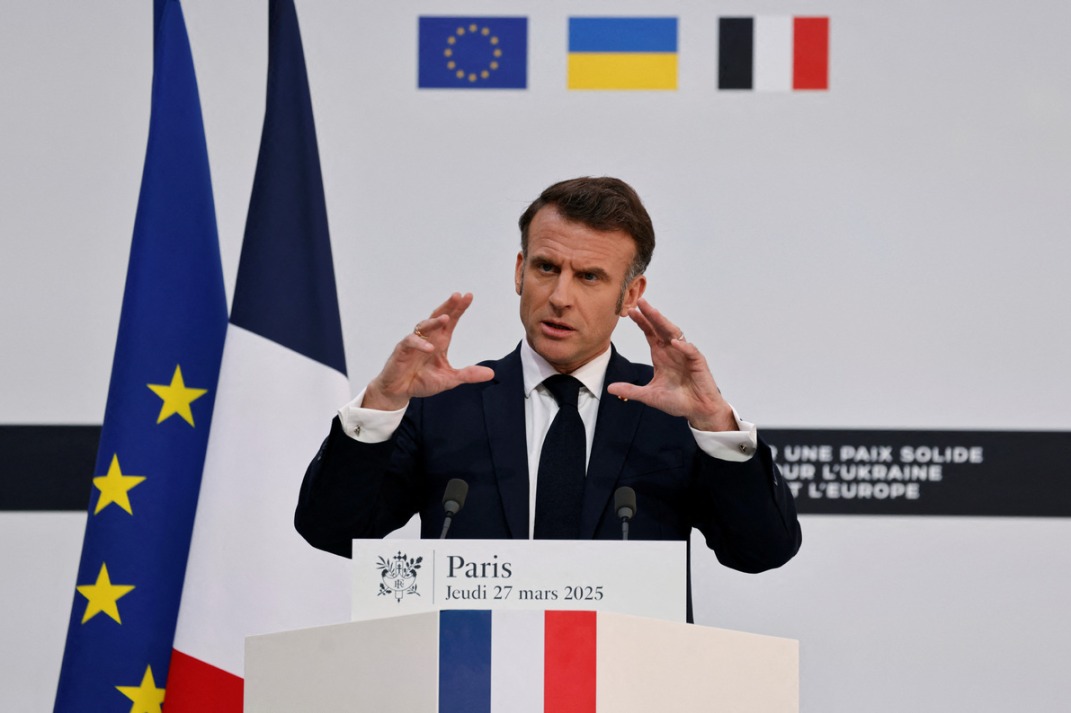


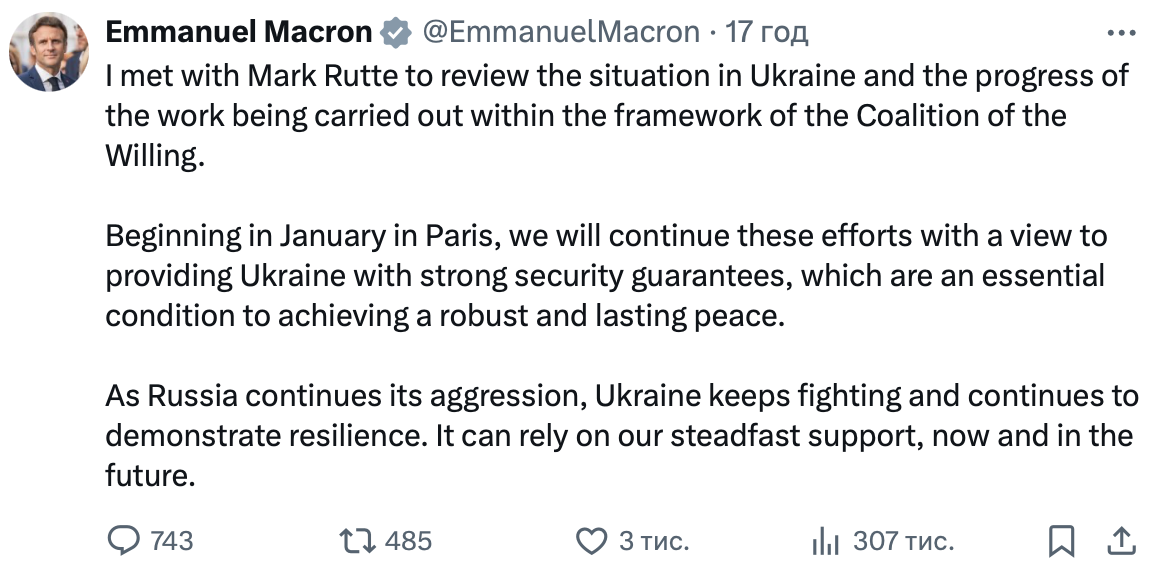
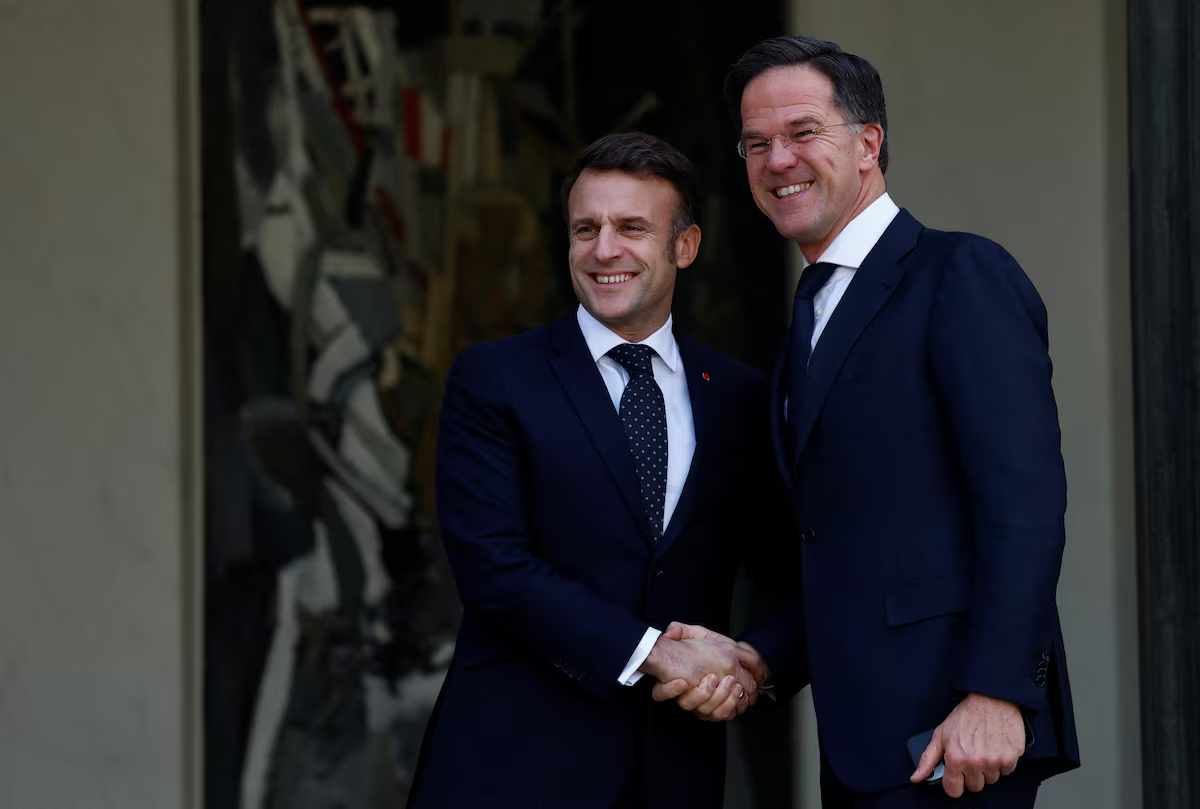
French President Emmanuel Macron announced the continuation of work on security guarantees for Ukraine and unveiled the start of an active phase of negotiations in Paris from January 2026. The European leader shared this in a post on X following a conversation with NATO Secretary General Mark Rutte on December 24.
Why This Statement Comes Now
Recently, Europe has increasingly taken on the role of political coordinator in discussions about Ukraine. At the same time, these discussions continue within the EU itself, where countries have not yet reached full agreement on support for Kyiv. On top of that, ongoing political developments in the US and the approaching election cycle have led European leaders to try to fill the pause in strategic decision-making.
Although Macron previously opposed using frozen Russian assets to aid Ukraine, his conversation with Mark Rutte was mainly an attempt to align the positions of those who can genuinely influence NATO decisions. The goal is to avoid a scenario where allies respond too late or act in a disjointed way.
The officials coordinated actions regarding the situation on the front line and the diplomatic efforts of the “coalition of the willing”—a group of partner countries ready to take decisive steps in support of Ukraine.
What The Focus on Guarantees Means
In his statement, Macron also emphasized that Russia continues its war, while Ukraine continues to hold firm. There is a growing understanding that Ukraine’s security will not disappear with a ceasefire.
As Russia continues its aggression, Ukraine keeps fighting and continues to demonstrate resilience. It can rely on our steadfast support, now and in the future, Macron wrote.
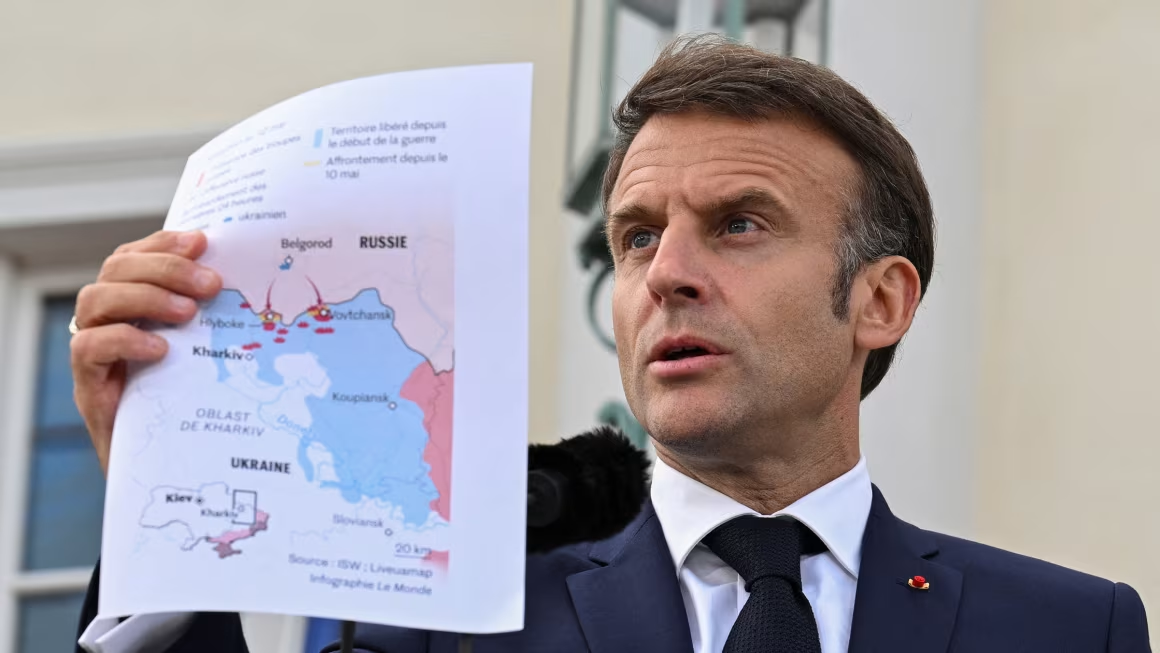
For this reason, the French President is emphasizing guarantees. These are mechanisms intended to operate reliably for years. Without clear agreements, any political settlement would remain fragile and vulnerable.
Kyiv Position and The Limits of Compromise
Recently, Ukrainian President Volodymyr Zelensky revealed details of a draft basic document aimed at ending the war. It contains 20 points, some of which, according to Zelensky, have already been agreed with partners from the United States and Europe. At the same time, Ukrainian authorities acknowledge that certain provisions still require complex negotiations.
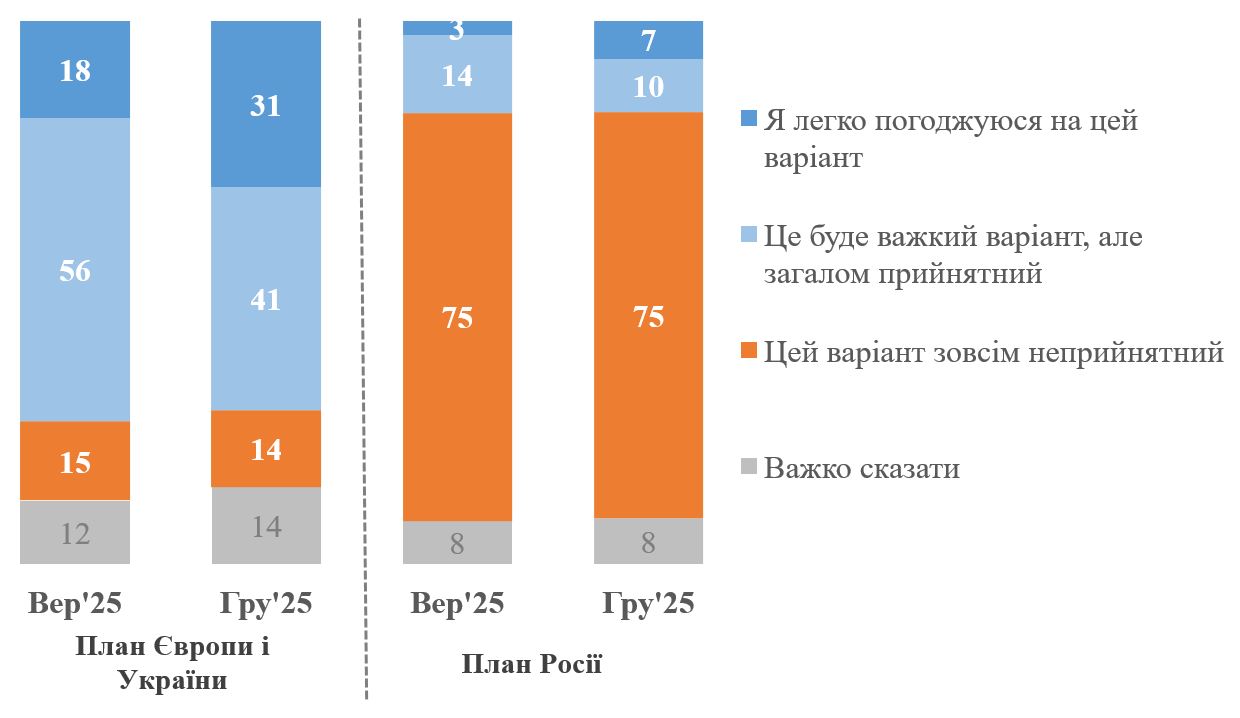
These discussions are also causing significant tension within Ukrainian society. Many Ukrainians stress that Russia started the war, so Ukraine should not have to make concessions for peace. At the same time, according to the latest KIIS poll, over 60% of Ukrainians are ready to endure the war as long as necessary to protect the country and its future.
Conclusions
Europe can no longer afford a “wait-and-see” approach. Given statements about possible new threats from Russia in the coming years, the question of security for Ukraine and the Baltic states has become a test of the continent’s strategic maturity.
At the same time, France’s limited political resolve, demonstrated for example regarding frozen Russian assets, shows that Paris’ leadership has limits. France is trying to secure a role in shaping the framework for future decisions, but its ability to assume major financial or political commitments remains constrained, at least for now.
The success of these plans will depend on the willingness of partners to take responsibility, not just support formulas.
For Ukraine, the main point remains unchanged: without clear commitments, any agreements risk remaining mere words. This defines today’s critical line between diplomacy and reality.