

President Volodymyr Zelensky has publicly disclosed for the first time the contents of the 20-point draft of a basic document between Ukraine, the United States, Russia, and Europe on ending the Russo-Ukrainian war. The head of state shared this information during a closed discussion with journalists, reports Ukrinform.
The document is a framework political plan that is currently at the draft stage and is being discussed with partners. According to the President, most provisions have already been agreed upon, but some issues—including territorial matters and the Zaporizhzhia Nuclear Power Plant—remain unresolved.
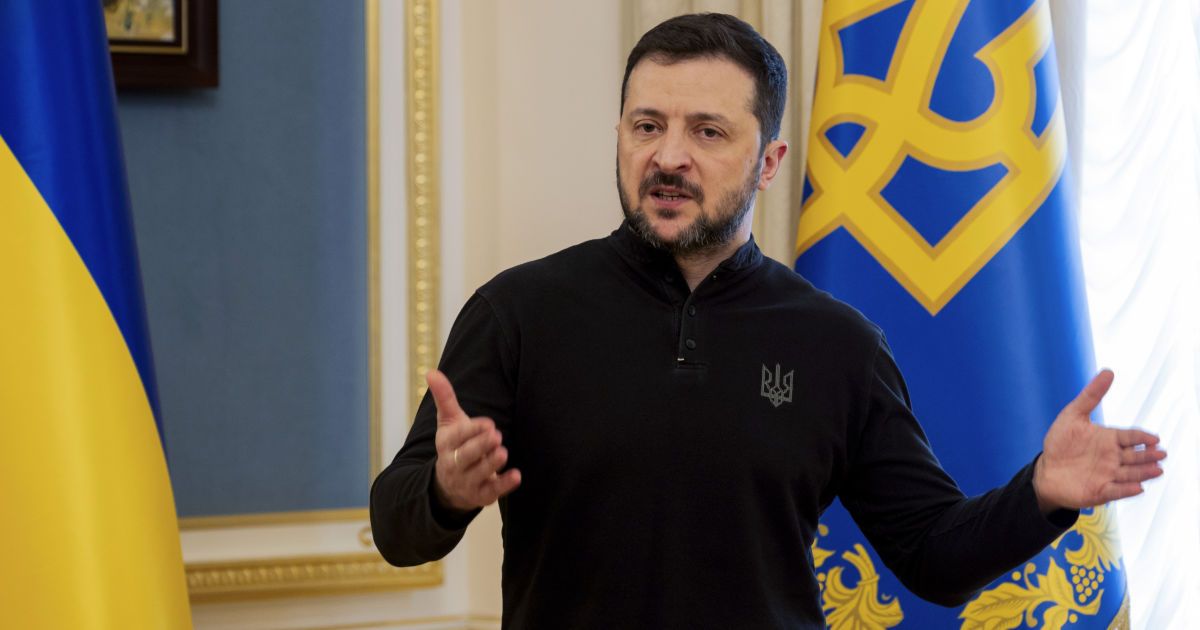
Now I am ready to go through the draft 20-point document, which is called a framework, a basic document on ending the war, a political document between us, America, Europe, and the Russians, said Volodymyr Zelensky.
What the Document Covers and Who Is Drafting It
According to the President, the draft largely reflects the joint Ukrainian-American position, while certain points reflect the U.S. stance. Some provisions, Zelensky emphasized, still require refinement.
But we have significantly advanced toward finalizing the documents, the head of state noted.
The document is not a final peace treaty but is intended to serve as a foundation for political and security decisions that could ultimately lead to the cessation of hostilities.
Key Security Points: Sovereignty, Guarantees, Army
Sovereignty and Non-Aggression
The first point provides for the reaffirmation of Ukraine’s sovereignty by all signatories. The second point outlines a full and unconditional non-aggression agreement between Ukraine and Russia, with an international mechanism to monitor the line of contact, including satellite surveillance.
Security Guarantees
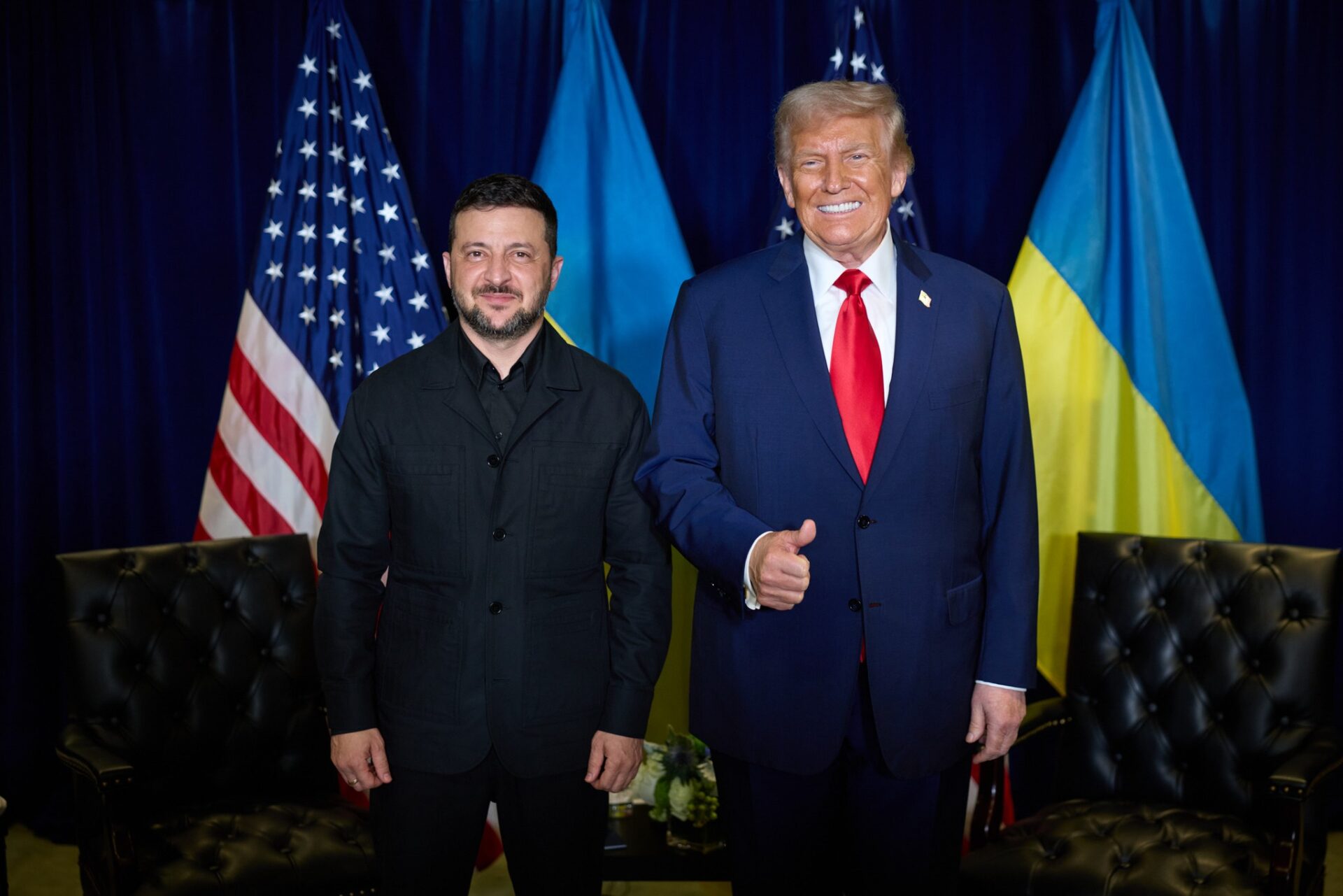
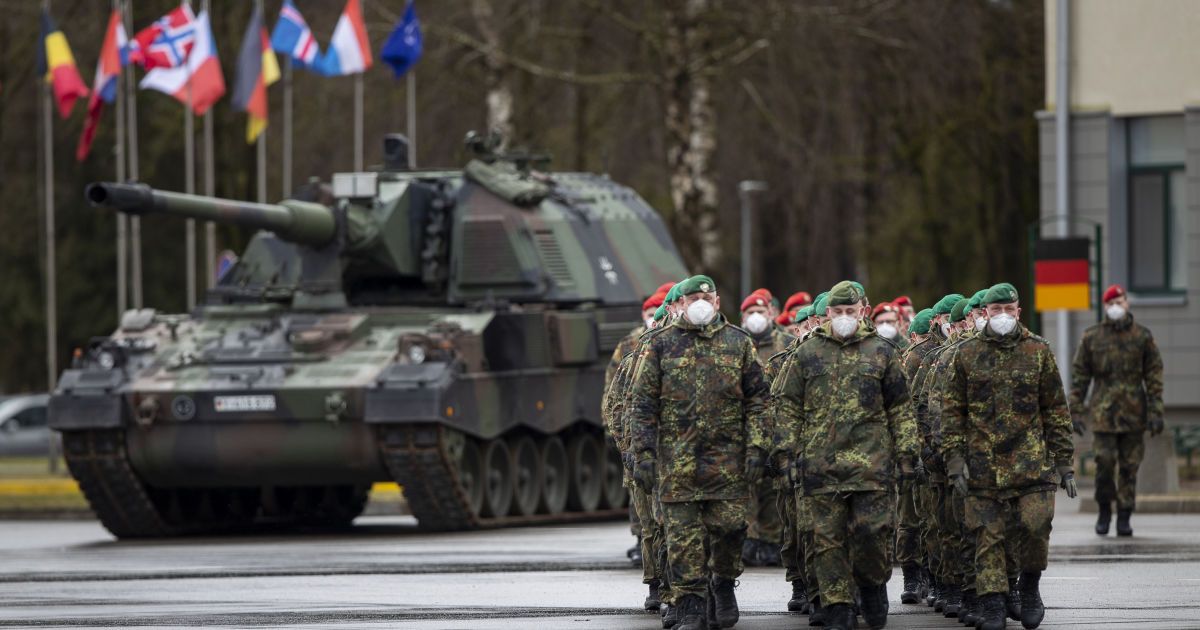
Ukraine is to receive strong security guarantees, reflecting the principles of NATO’s Article 5. These guarantees would be provided by the U.S., NATO, and European signatory states.
The document also stipulates Russia’s legislative obligation to enshrine a non-aggression policy toward Ukraine and European states, including the adoption of relevant norms in all necessary legal acts and their ratification by a majority vote in the Russian State Duma.
Ukrainian Army
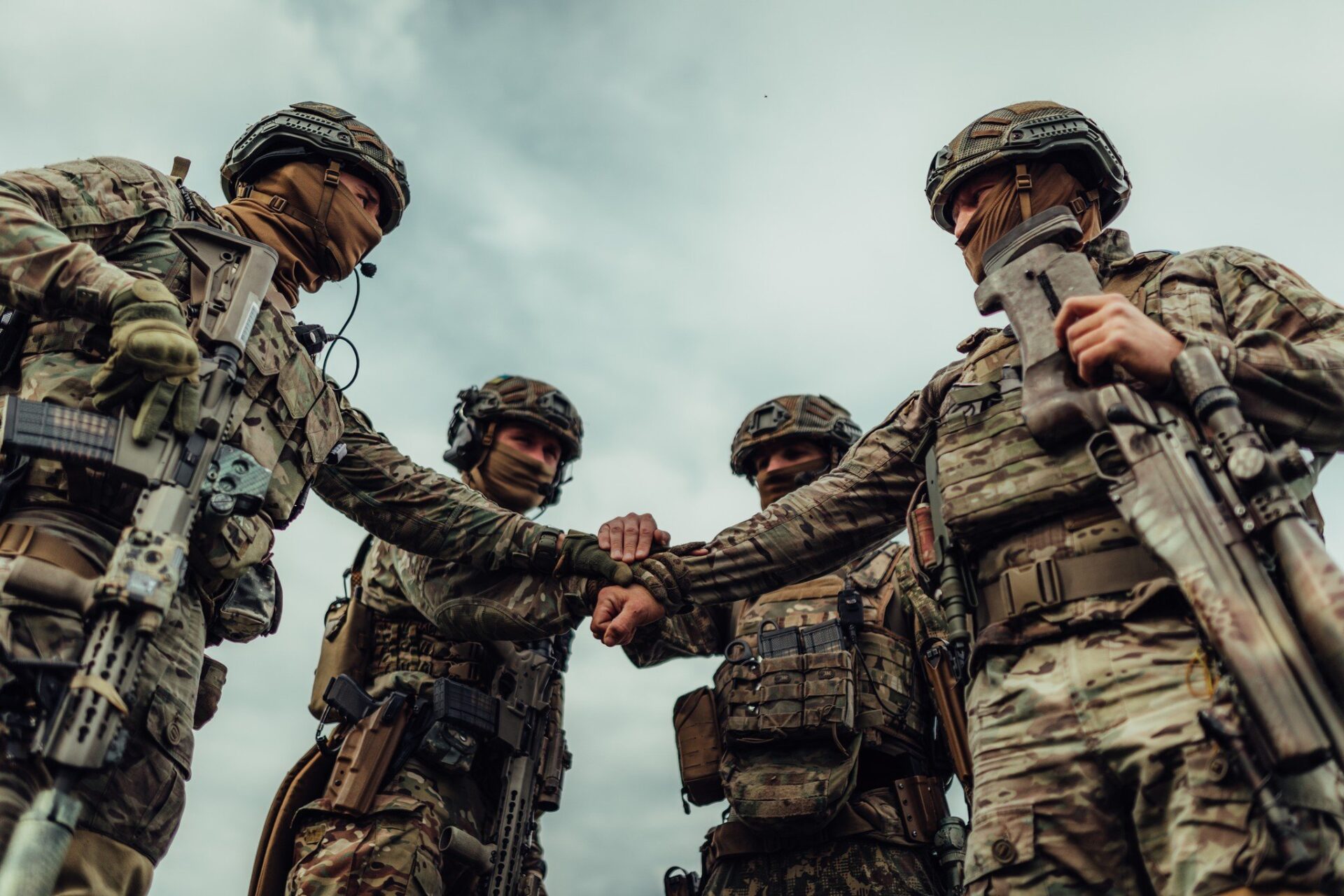
The number of Armed Forces of Ukraine in peacetime is proposed to be fixed at 800,000 personnel.
EU, Economy, and Reconstruction
European Integration
One point envisages Ukraine’s membership in the European Union by a specified date, as well as short-term privileged access to the European market.
Reconstruction and Development
The document includes provisions for the creation of several funds for reconstruction and humanitarian needs, aiming to attract up to $800 billion through investments, grants, debt instruments, and private capital.
Additionally, Ukraine plans to expedite a free trade agreement with the United States following the signing of the accord.
Nuclear Security and Zaporizhzhia NPP
Ukraine reaffirms its status as a non-nuclear state in accordance with the Treaty on the Non-Proliferation of Nuclear Weapons.
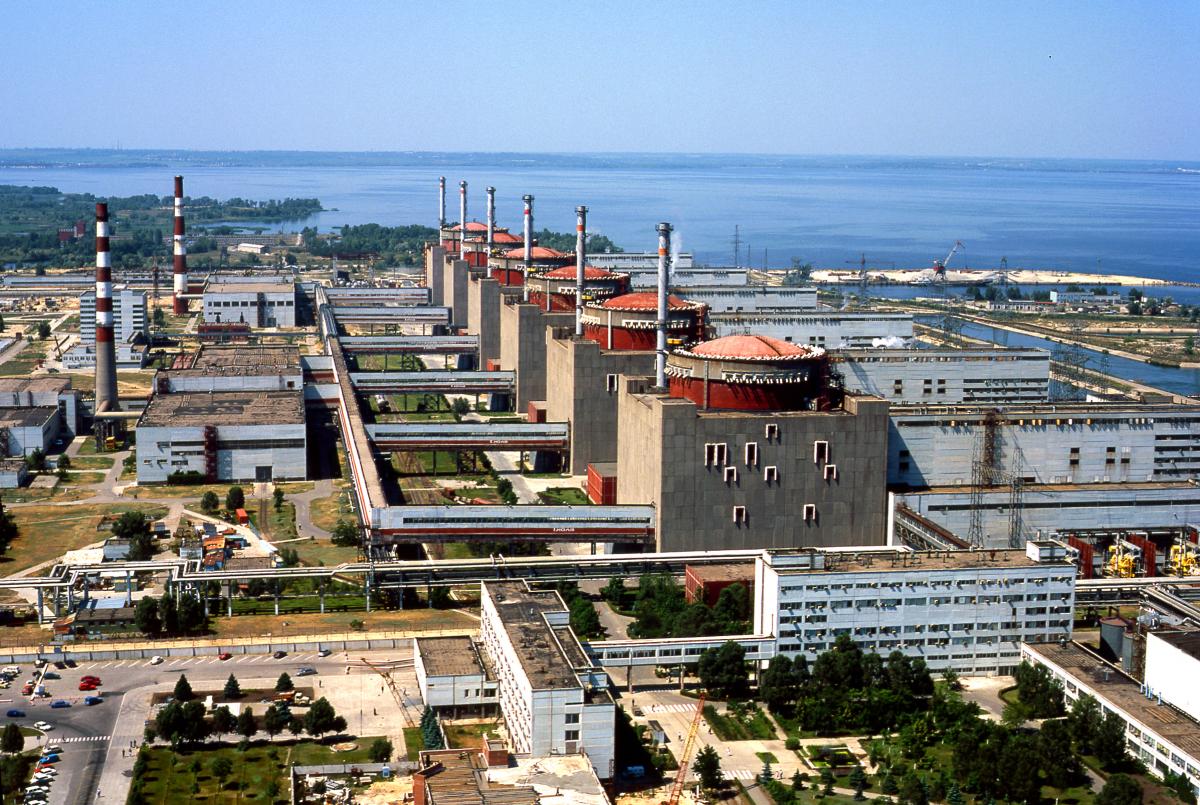
One of the most sensitive points is the Zaporizhzhia Nuclear Power Plant. The draft envisions joint operation of the plant by Ukraine, the U.S., and Russia. Zelensky emphasized that Ukraine is not interested in direct business with Russia, and this point is still under discussion.
The document also contains a humanitarian and educational section, proposing programs aimed at promoting mutual understanding, tolerance, and combating racism and prejudice. Ukraine commits to applying EU standards for the protection of the linguistic and religious rights of national minorities.
Territorial Issue: No Final Decision
The point on territories remains unresolved and has several options.
These include establishing the actual line of contact under international supervision or creating a demilitarized economic zone in Donbas. The second option would require a nationwide referendum.
We have not reached consensus with the U.S. side regarding the Donetsk region and the Zaporizhzhia NPP. But we have significantly aligned most positions, the President noted.
The draft also stipulates that, after future territorial agreements are finalized, Ukraine and Russia must not alter them by force. This provision aims to secure the permanence of the agreements and prevent any revision through renewed aggression.
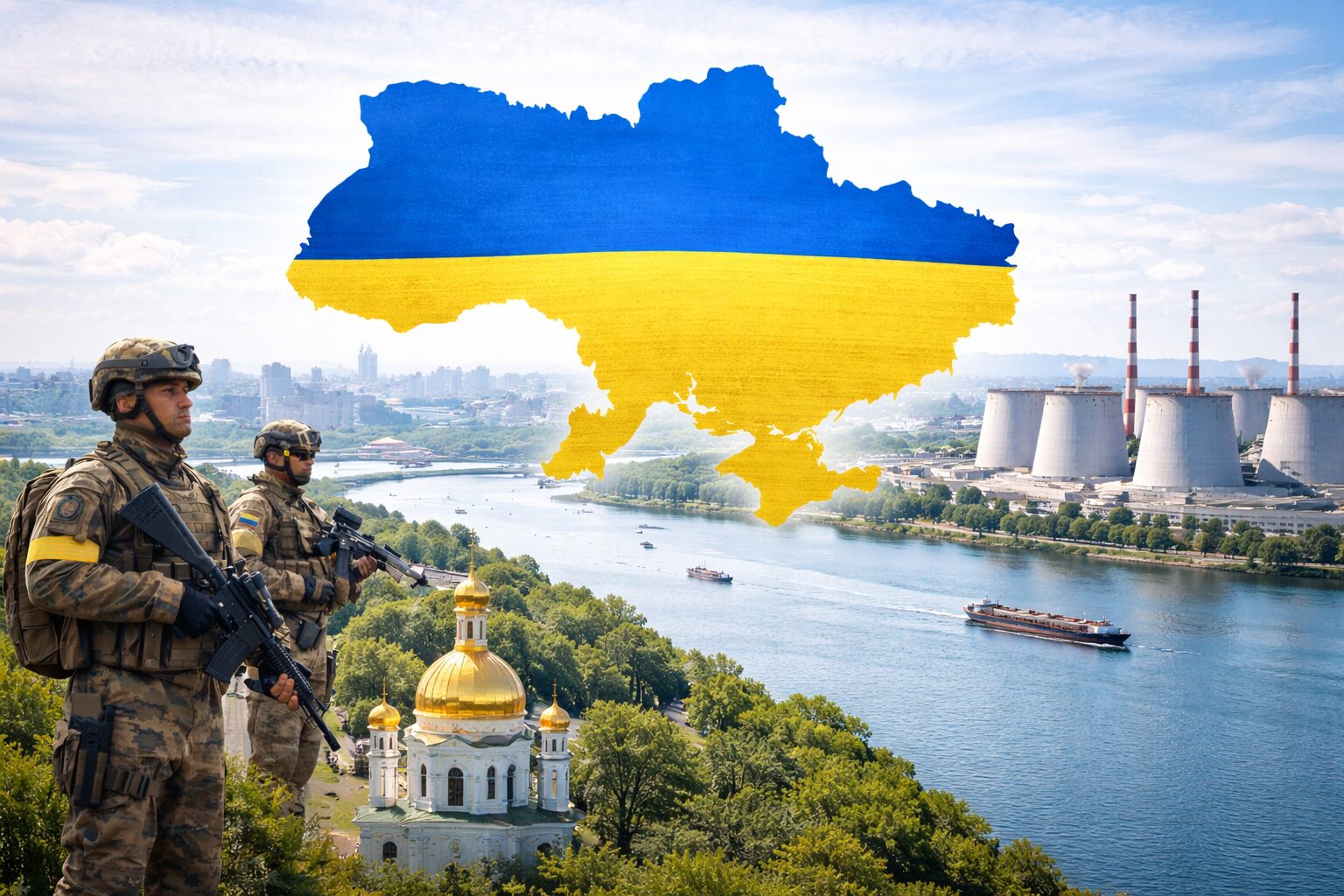
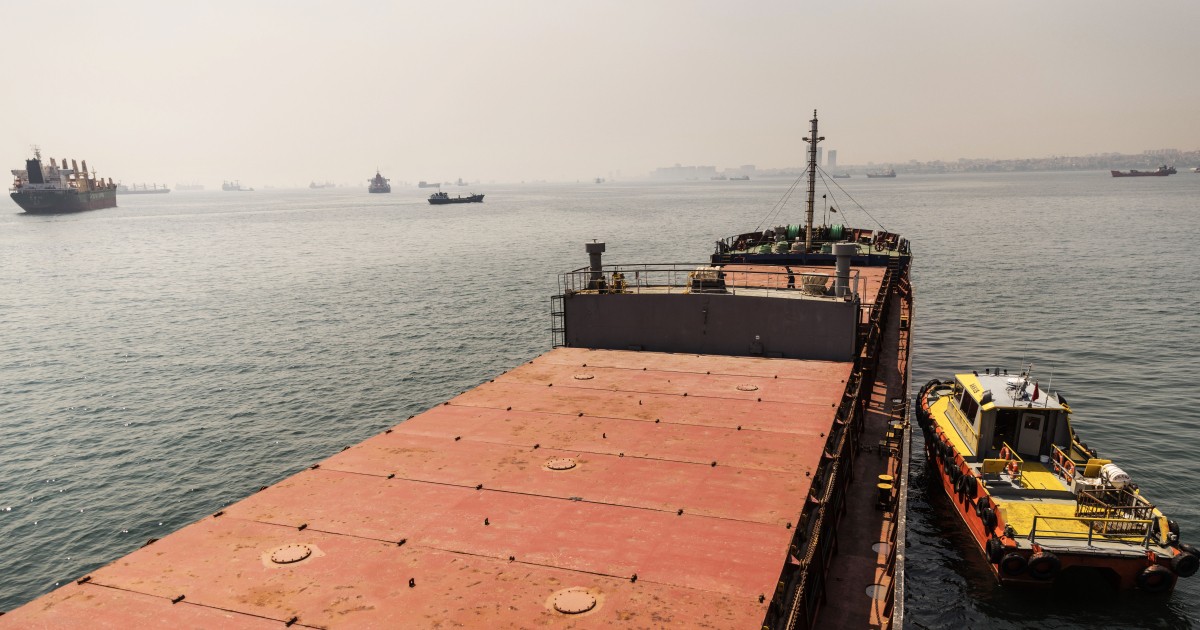
The document also addresses freedom of navigation. Russia should not obstruct Ukraine’s use of the Dnipro River and the Black Sea for commercial activity. A separate maritime agreement is expected to ensure freedom of navigation and transport, and Kinburn Spit is to be demilitarized under these arrangements.
Humanitarian Issues, Elections, and Ceasefire
The document also envisages:
-
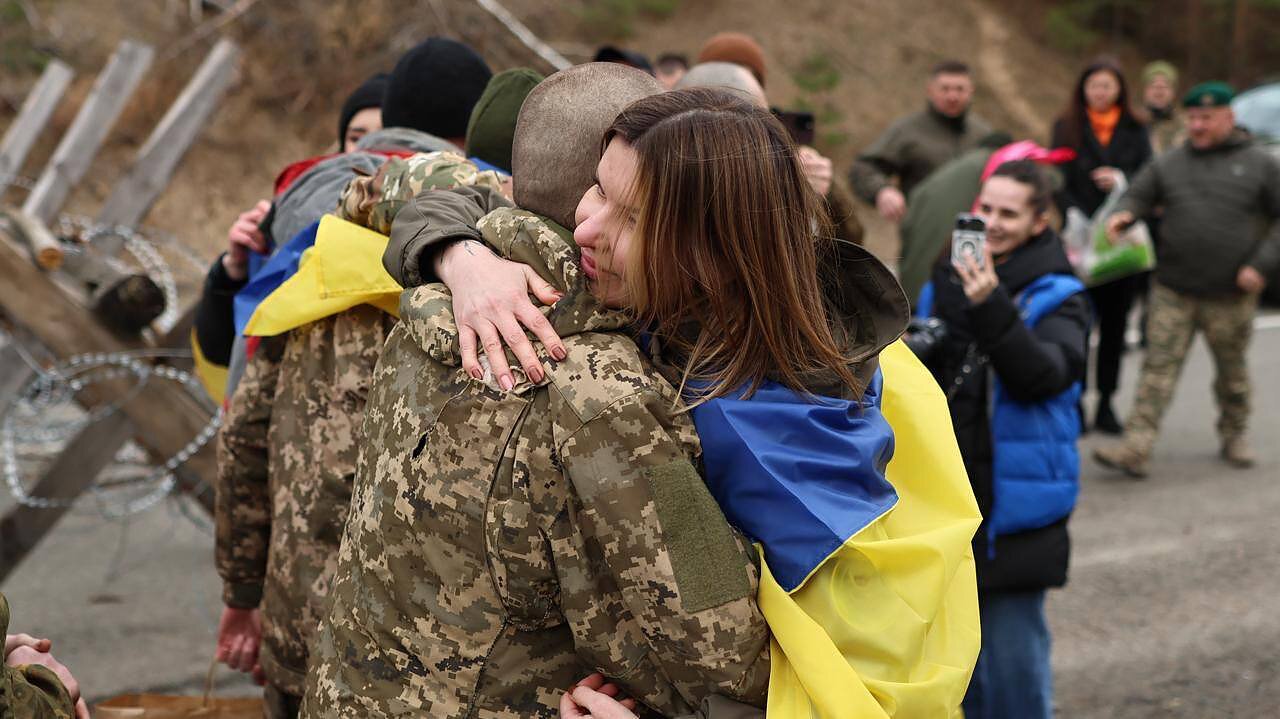
The exchange of all prisoners of war and the return of civilians, children, and political detainees;
-
The creation of a humanitarian committee;
-
Holding elections in Ukraine as soon as possible after the signing of the agreement;
-
An immediate and complete ceasefire following agreement by all parties.
Who Will Oversee the Agreement
The draft stipulates that the agreement will be legally binding, with oversight conducted by a Peace Council chaired by U.S. President Donald Trump.
What’s Next
According to Zelensky, Russia’s response after consultations with the U.S. side should become known on December 24.
Then we will understand our next steps and possible timelines. Issues like territorial matters need to be discussed at the leaders’ level, the President stressed.
In addition to the basic document, Ukraine and its partners have developed the framework for security guarantees, a military appendix, and a roadmap for Ukraine’s economic recovery and development.
Conclusions
The draft unveiled by the President publicly outlines, for the first time, the Ukrainian authorities’ vision of a possible end to the war. At the same time, although the document is not yet a final peace agreement, several of its provisions have already sparked concern among Ukrainians.
In particular, these concerns relate to the size of Ukraine’s armed forces, the situation around the Zaporizhzhia Nuclear Power Plant, and the possible demilitarization of Donbas.
Despite President Zelensky’s remarks that this plan cannot satisfy everyone and that compromises are inevitable, public outrage persists. After all, Russia is the aggressor in this war, and it should be Russia—not Ukraine—that makes concessions.
For now, it remains difficult to predict how events will unfold further, especially given the ongoing pressure exerted by Russian forces along the front line.