

The Ukrainian Review offers an overview of several key political events worldwide during March 2024, not only Ukraine news. We have spoken with experts regarding the impact of these events on global affairs.
German fighter jets intercepted Russian planes near Latvia for the first time
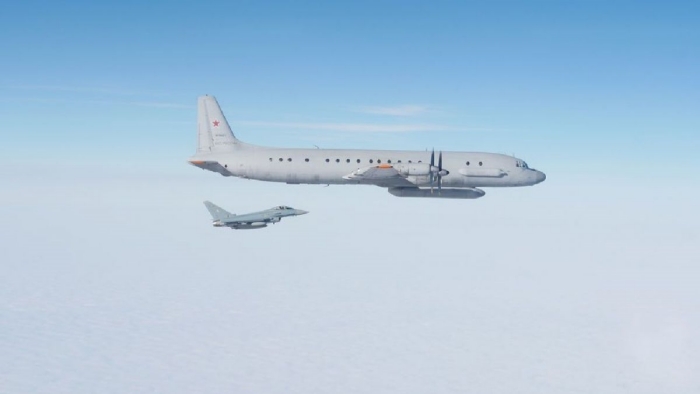
March began with news that German fighter jets intercepted Russian aircraft for the first time near the territorial waters of Latvia. According to the Latvian Air Force, the German jets took off from the Latvian military base “Lielvarde”.
“NATO airspace patrolling is fully operational, and Alliance members are capable of immediate response. Today, German Eurofighter jets intercepted two Russian military aircraft for the first time near the territorial waters of Latvia,” – said Latvian Defense Minister Andris Sprūds.
As a reminder, in 2023, NATO air forces in Europe scrambled over 300 times to intercept Russian military aircraft approaching Alliance airspace, with the majority of interceptions occurring over the Baltic Sea.
Armenia wants to join the European Union
The Armenian government expressed its desire to submit an application for membership in the European Union in the coming months.
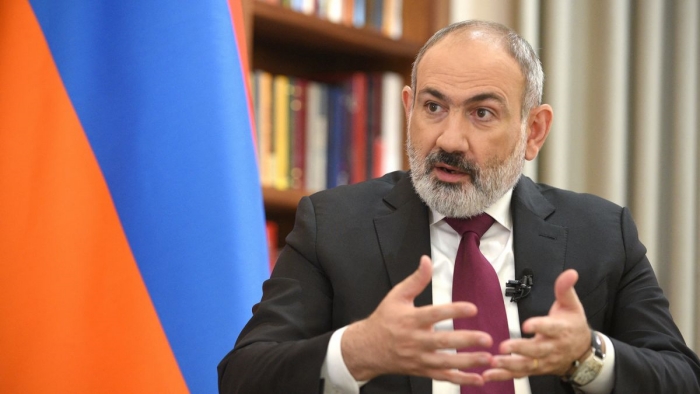
President Nikol Pashinyan outlined his position in the context that Armenia’s security interests require it to become a candidate for EU membership. If not in a military sense, then at least in an economic one, which will enable Armenia to become stronger.
It is worth reminding that on the eve of February, Armenia suspended its membership in the Moscow-led military alliance against the backdrop of growing rifts in its relations with Russia.
Natalya Belitzer, an expert at the Pylyp Orlyk Democracy Institute, shared her opinion on the possible accession of Armenia to the European Union:
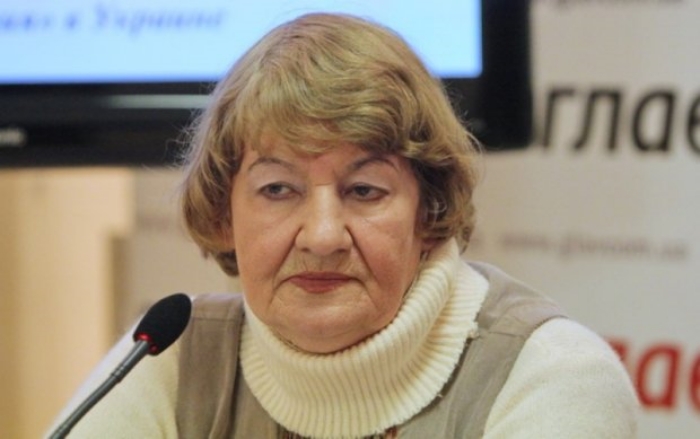
“The shift of Armenia towards the West was quite expected, especially since the population of this country has always considered itself an integral part of Western civilisation. However, intentions and aspirations to integrate into the EU do not necessarily mean realistic opportunities to realise such plans. Since Armenia is a member of organisations such as the Eurasian Economic Union with its customs rules, as well as the Collective Security Treaty Organization (intended as an “anti-NATO”). It becomes increasingly clear that ‘sitting on two chairs’ is impossible, and a decisive fateful choice must be made.
Russia’s military presence significantly complicates the situation. Primarily the location of the 102nd military base in the city of Gyumri in northern Armenia, which is on combat duty as part of the Joint Air Defense System of the CIS. On August 20, 2010, Russia and Armenia extended the term of the base placement agreement until 2044″.
As Natalia Blitzer explains, the intentions to change the geopolitical orientation of Armenia from the Russian direction to the Euro-Atlantic one appear almost unrealistic, primarily due to Armenia’s practically total colonial dependence on Russia:
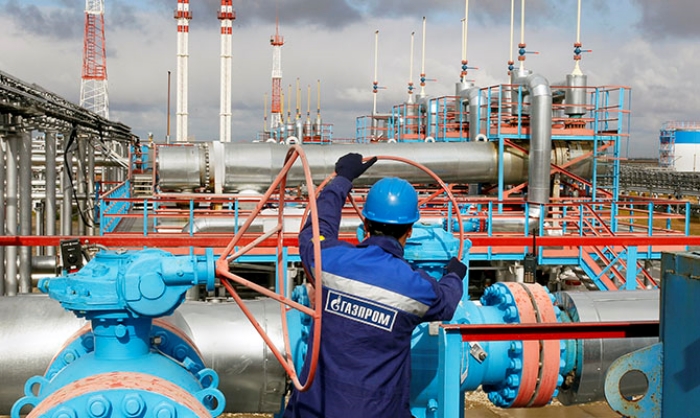
“Besides the military sphere, this also concerns the economy with its most important components, energy, and the judicial system… Let’s not forget about abundant opportunities for gas blackmail: by the 2013 agreement, Armenia committed to ensuring a profit of 9% for Gazprom under any circumstances, and Gazprom’s monopolistic positions are guaranteed until 2043.
Thus, liberating oneself from the suffocating embrace of the ‘eternal friendship with Russia’ and especially joining the European Union is an extremely challenging task for Armenia.”
Natalya Belitzer also comments on the position of the European Union:
“On the part of the EU, it is worth noting the resolution adopted by the European Parliament in March 2024 on the close ties between the EU and Armenia and the necessity of a peaceful agreement between the Republic of Armenia and Azerbaijan (which provoked a negative reaction from the Azerbaijani government).
The EU should do everything possible to achieve this goal and maximise not only Armenia’s integration but also the establishment of further understanding and fruitful cooperation with Azerbaijan and Turkey. Ensuring stable peace in this way corresponds to the national interests of all countries in the region and should be a reliable guarantee against Russia’s constant attempts to fuel existing and potential regional conflicts”.
Let us remember that the reason for the armed confrontation between Armenia and Azerbaijan is the disputed territory of Nagorno-Karabakh. Armenia and Azerbaijan were part of the Soviet Union, and Karabakh was an autonomous region controlled by Azerbaijan. The conflict between them erupted in the late 1980s when the Armenian parliament declared Karabakh’s accession to the Armenian SSR, which Baku, of course, did not agree with.
On September 19, 2023, the Ministry of Defense of Azerbaijan announced the beginning of “local anti-terrorism measures” in Karabakh. On September 28, 2023, the authorities of the Nagorno-Karabakh Republic announced that the Nagorno-Karabakh Republic would cease to exist from January 1, 2024.
Elections in Russia
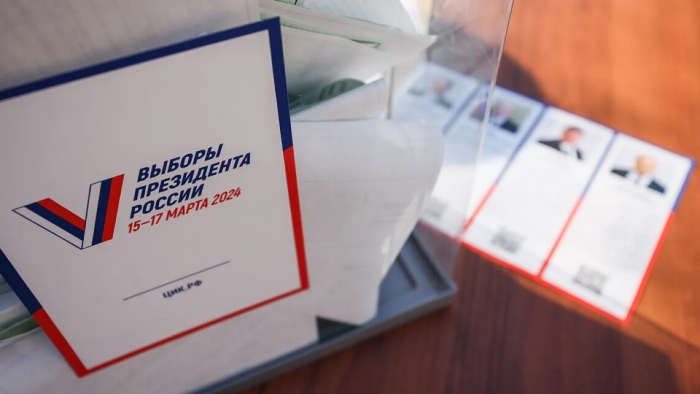
From March 15th to 17th, Russia held its regular presidential elections. As expected, Vladimir Putin emerged victorious, as he has in the past.
The Russian Central Election Commission reported a record turnout in the elections – 87 million voters, which is 77.44% of the total number of citizens eligible to vote in Russia.
The Russian Central Election Commission also reported the highest percentage of votes in history cast for Vladimir Putin – 87.28%.
Independent observers and experts have assessed the elections as unfree and non-competitive. Putin, who has been in power in Russia since 2000, ran for a fifth term. The Central Election Commission refused registration to all candidates from non-parliamentary parties and self-nominated candidates who collected signatures.
More about the “elections without choices” and the consequences of the Russian presidential elections were discussed in this article by The Ukrainian Review:
“These elections should finally push everyone to realise that Putin’s regime cannot be changed democratically. So, we need to look for other mechanisms” – said Valentyn Gladkykh .
Terrorist attack in Crocus
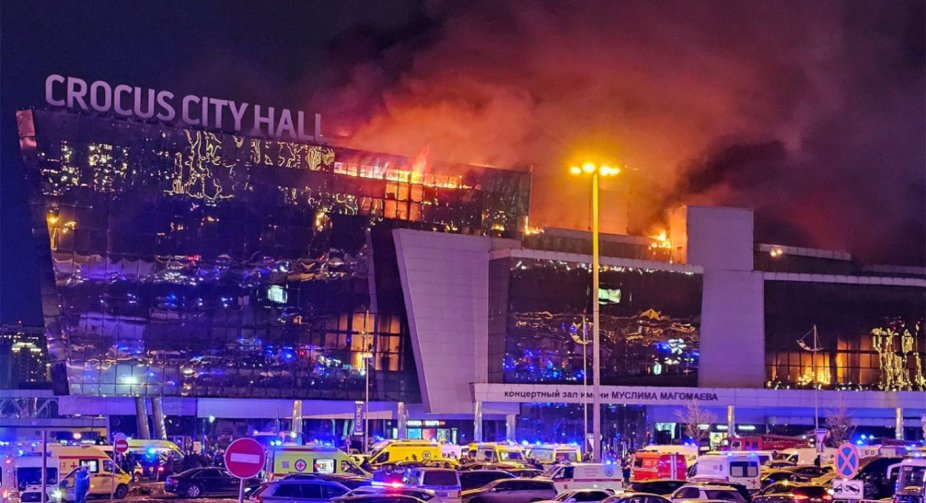
On March 22, armed individuals entered a concert hall near Moscow and opened fire, killing at least 137 people (the death toll has risen to 140) in the deadliest terrorist attack in Russia since the hostage-taking incident at a school in Beslan in the North Caucasus in September 2004.
The “Islamic State” group has claimed responsibility for the attack, which occurred five days after Vladimir Putin “won” the elections.
Putin and other representatives of the Russian government accuse Ukraine of organising the terrorist attack. Ukraine denies the accusations, and all Western intelligence agencies also confirm that there is no evidence of Ukraine’s involvement.
Per Nyholm, a Danish journalist, shared his thoughts on this event for The Ukrainian Review:
“The massacre on the outskirts of Moscow looks like an act of pure and evil terrorism. However, it could also have been organised to allow Putin to strengthen his rule after two events that did not quite follow the Kremlin’s script – the funeral of dissident Alexey Navalny and the president’s re-election, both marred by various demonstrations”.
Lukashenko threatened to annex parts of Lithuania and Poland
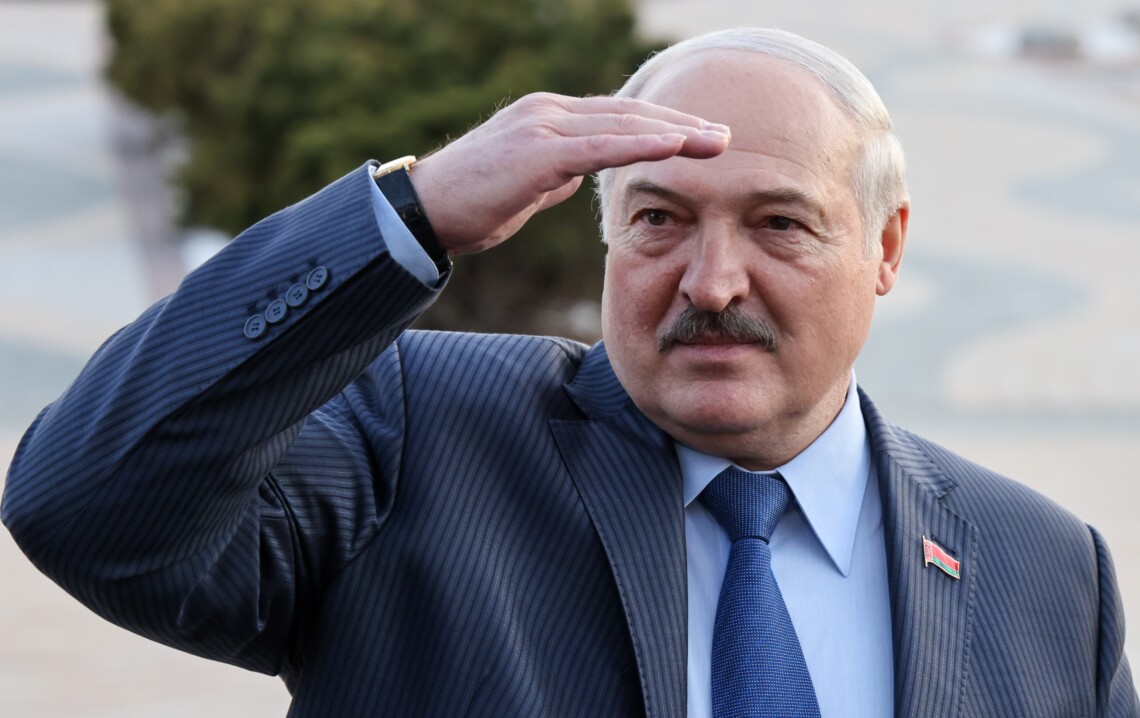
The current news in Ukraine was full of information that self-proclaimed Belarusian President Alexander Lukashenko discussed a possible attack on the Suwalki Corridor. It is the area between Belarus and the Kaliningrad Oblast of the Russian Federation, located within the territories of Lithuania and Poland.
The “Suwalki Gap” between the main part of the Russian Federation and its exclave is considered a very likely target in the event of a potential war between Russia and eastern NATO members.
Statements by Alexander Lukashenko were commented on by Oleksandr Khmelevskyi, a PhD in economic sciences and an independent expert:
“Lukashenko’s discussion with the commander of the Northwest Operational Command of Belarus, Naumenko, about the Suwalki Corridor is merely a threat aimed at escalating tension in the region. Such threats force Poland and the Baltic countries to focus on preparing their own defence and expend available resources on their defence rather than assisting Ukraine”.
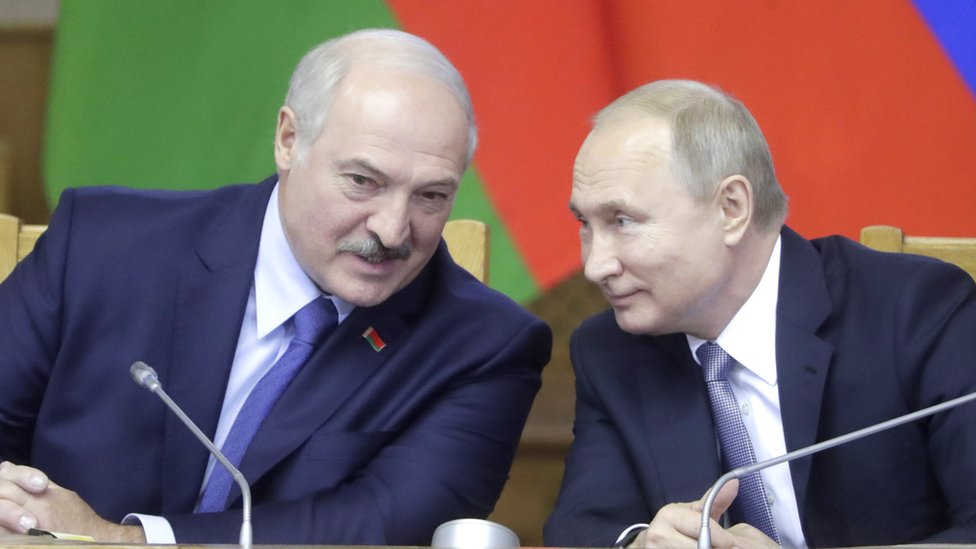
“Putin and Lukashenko also hope that these threats will intimidate the West and compel it to withdraw support from Ukraine. In reality, the Suwalki Corridor is not of significant importance for connecting Kaliningrad with Belarus and Russia. If Russia does decide to connect Kaliningrad with Belarus, it will be achieved through the occupation of Lithuania. Railway and road routes passing through Lithuania from Soviet times are still used by Russia for communication with Kaliningrad.
On the other hand, there is no such connection through Suwalki. By conquering Lithuania, Russia will immediately gain a secure route. Meanwhile, capturing Suwalki would require the construction of new routes. Moreover, capturing Lithuania is much easier. Many more troops and resources would be necessary to wage war with Poland.
Additionally, capturing Suwalki will not end the war with Poland. Poland will not accept the loss of territory and will continue the war. As a result, the so-called Suwalki Corridor will be under constant shelling, significantly complicating its use,” – he add.
***
News from Ukraine is essential, but world news provides a broader understanding of what is happening globally. Thanks to this, we can comprehend the causes and consequences of various events and see their interconnection.
Anya Ostymchuk