

The Ukrainian Review continues to talk about the situation with children illegally taken to Russia or the occupied territories. Earlier, we wrote an interview with Kateryna Rashevska, a legal expert at the Regional Center for Human Rights. She told us a lot about the problems that Russia creates when returning children and the conditions in which little Ukrainians temporarily live.
In this article, we have collected stories of children who managed to escape from Russian custody. Many children told us about the bloody massacres by the Russians, the terrible conditions and “re-education”. Some of them will never see their mothers again.
*All stories were taken from the “Children of War” website and are freely available.
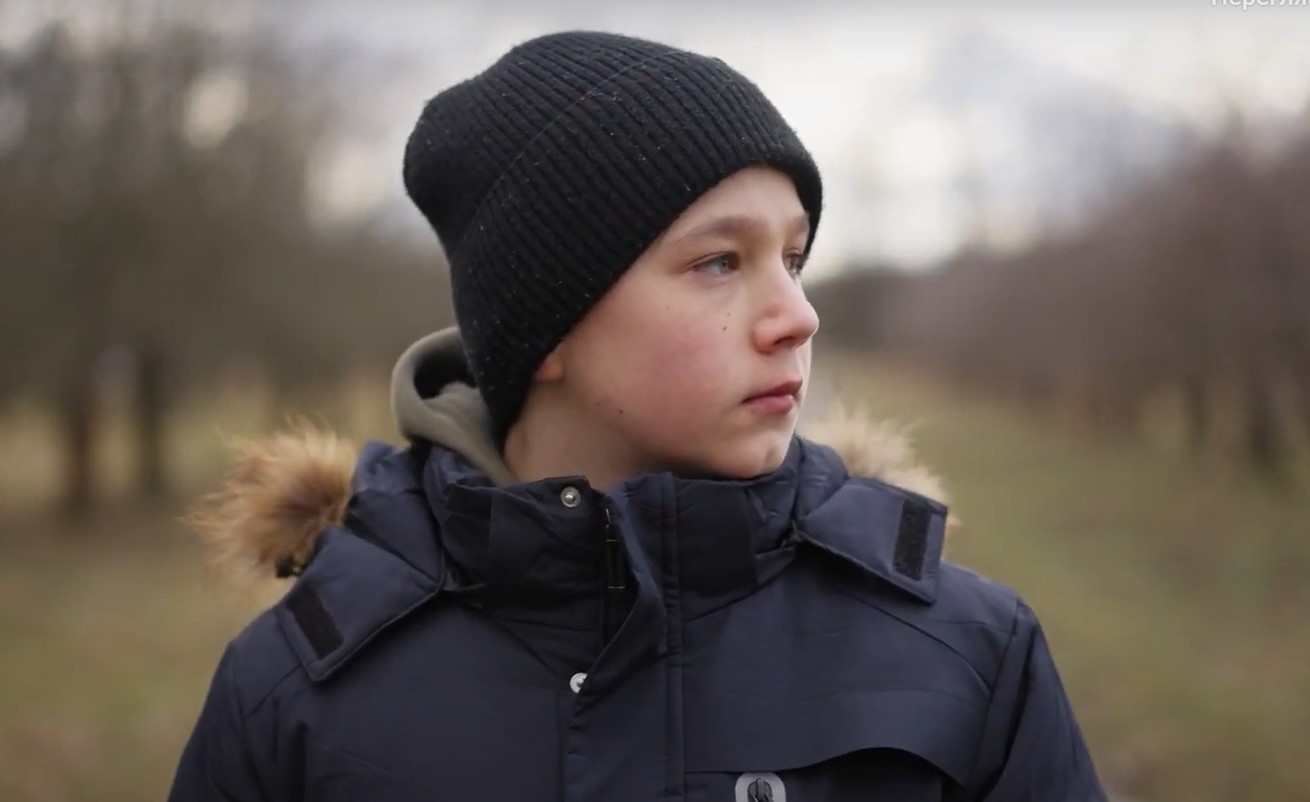
He is still waiting for his mom: Sasha, 12, Mariupol
Russians captured 12-year-old Sasha and his mother, Snizhana, in Mariupol in March 2022. In the filtration camp, they were separated, not allowing their relatives to say goodbye to each other. Sasha was sent to the hospital with an eye injury. Later, they said, he would be placed in an orphanage until a Russian family adopted him. However, thanks to the boy’s courage, the efforts of his grandmother Lyudmila, and the coordinated work of a large team of governmental and non-governmental organisations, he was returned to the territory controlled by Ukraine.
Sasha: My name is Sasha; I am 12 years old. I have been looking for my mom since March 2022. Her name is Kozlova Snizhana Mykhailivna. We were separated in a filtration camp in the village of Bezimenne. The Russians said that my mother did not need me and that they would give me to a foster family in Russia. Imagine, they didn’t even let me say goodbye to my mom.
We had no electricity, no gas, no water. We were standing around the grill, cooking because it was impossible to cook at home. But then the shelling started, and I heard an explosion, I was deafened. And then I felt something burning. I felt a hot piece of shrapnel. I shouted to my mom that my eye was hurting, that it was burning. My mom quickly took me between the garages, where we hid and waited for the shelling.
Then, my mom and I looked for medical help to treat my eye. We went to the Ilyich plant (plant named after V.I. Lenin – ed. note). There were military doctors there, and they treated my eye. We stayed with them at the plant. But the plant ran out of ammunition, and we were all taken prisoner. The Russian military put us in KAMAZ trucks like animals and took us to a barn.
I was sitting in a filtration camp, waiting for my mother for several hours, and they brought her in like that, not even letting me say goodbye. They said they were taking me away from my mom. They would take me to a boarding school, and a Russian family would take me there. Then, in Novoazovsk, doctors told me to take me to Donetsk. A month later, I begged a guy for a phone, quickly called my grandmother in the toilet for one minute, and told her where I was.
Grandmother: On February 24, there was no connection. I couldn’t find a place to go, I couldn’t find a place to find my children, who were in Mariupol. But I was still waiting for someone to call. When an unfamiliar number called me on April 19, 2022, I asked who it was: “Sasha, grandma, pick me up.”
I replied, “Sasha, I will. Just wait.” I began to collect documents to come to him. They told me not to go. They said, “Where are you going? They can grab you.” How could I not go? What about my blood? She was waiting for me. I had to go anyway.
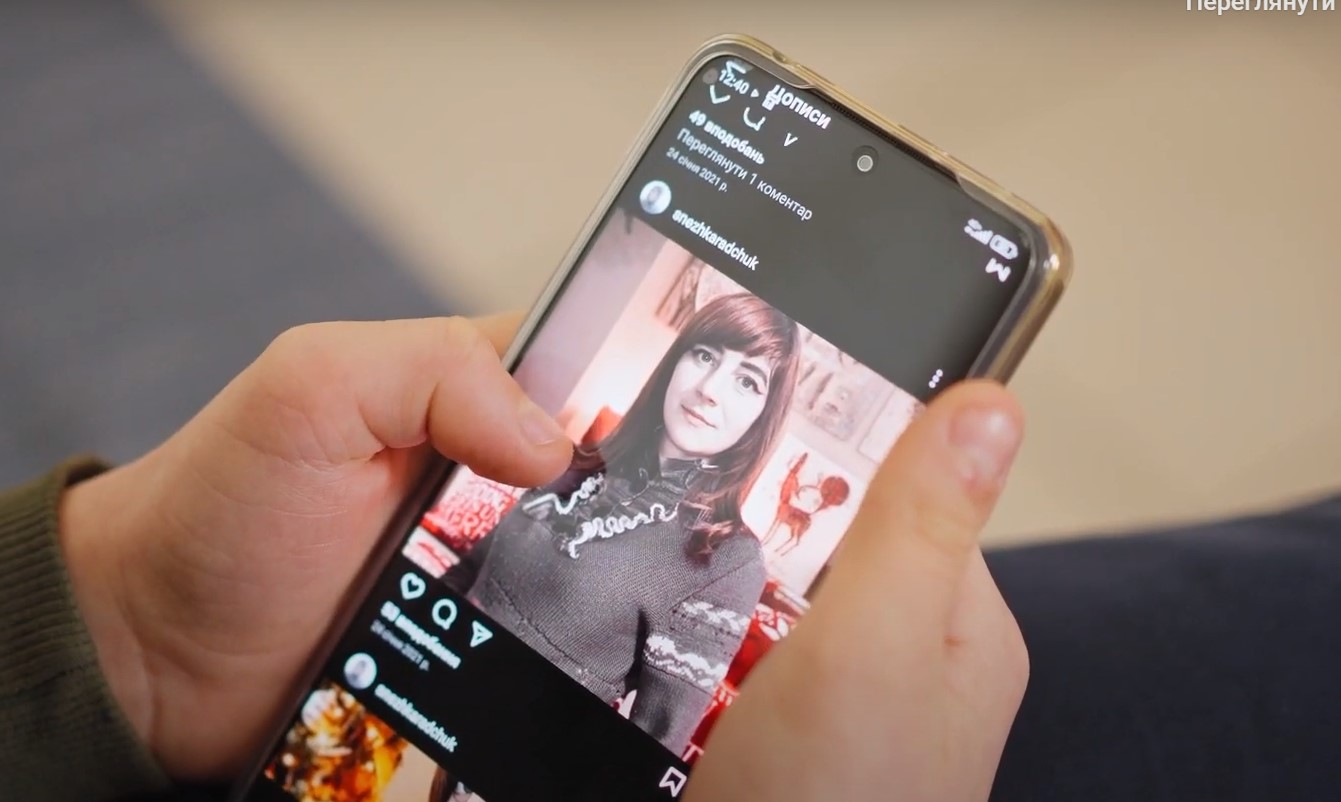
Sasha: I waited a month for my grandmother, thinking maybe my mom would come. But my mother did not come and did not come. When my grandmother did arrive, I was worried that I would be taken away like my mother.
Grandmother: We were so emotional that we were crying with joy one after the other. Even though I took him away, I brought him back to my place. But we are still waiting for Snizhana. We are looking for her and hope she will return to Sasha, and I will be happy with them.
Sasha: If the whole world could hear me, I would say that we need to win quickly. I want all the children to see their families, all the parents to return to their homes and hug their loved ones, and everything to be fine in this country and in this world.
*The fate of Sasha’s mother is still unknown.
Crimean camps: Vitaliy, Zhenya, Taya, Diana, and two other girls who did not want to be named.
Russians took children from Kherson under the guise of rehabilitation. Parents were forced to send their children to the camp, promising a trip of only 2 weeks. Dozens of buses were running to the occupied Crimea. According to eyewitnesses, there were thousands of children in three camps alone: “Mriya”, “Druzhba”, and “Promyslivyi”. In September-October 2022, Vitalii, Zhenia, Taya, Diana and two other girls who did not want to be named came to the so-called rehabilitation camps. They stayed there for 6 months. They say that in the camp, the Russians mocked the children and humiliated them on ethnic grounds.
Those who expressed a pro-Ukrainian position were locked in a basement or isolation cell. Children were forbidden to speak Ukrainian, instead forced to listen to the Russian anthem, learn Russian patriotic songs, and work. For at least six months, they were lied to about their parents abandoning them and saying that Ukraine no longer needed them. It is currently unknown how many other abducted children remain on the occupied peninsula.
Vitaliy: I was in the “Mechta” camp in “Yevpatoria”. There were zero living conditions there. They told me to speak Russian there and said we should forget the Ukrainian language. They said it would not be the same language. Valeryy Astakhov said: “You have been brought here as if to an orphanage. No one needs you, and your country kills children and is a terrorist”. He is responsible for security in the juvenile camp.
They burned the Ukrainian flag in front of us. They took children to the basement for being for Ukraine, saying “Glory to Ukraine”. They used to say to us in a curse language that “You are so stupid, Ukraine does not need you”. We were in the isolation ward for four days, and then we begged to be released. And we were released. They probably wouldn’t have let us go if we hadn’t begged. They made us learn the song “Forward, Russia”. Many children were crying because the counsellors beat them. They locked them in a room, yelled at them, and beat them with sticks. They made us clean the corridors.
They fed us like dogs. The soup there was just transparent, maybe a piece of potato floating and rice or some kind of porridge.
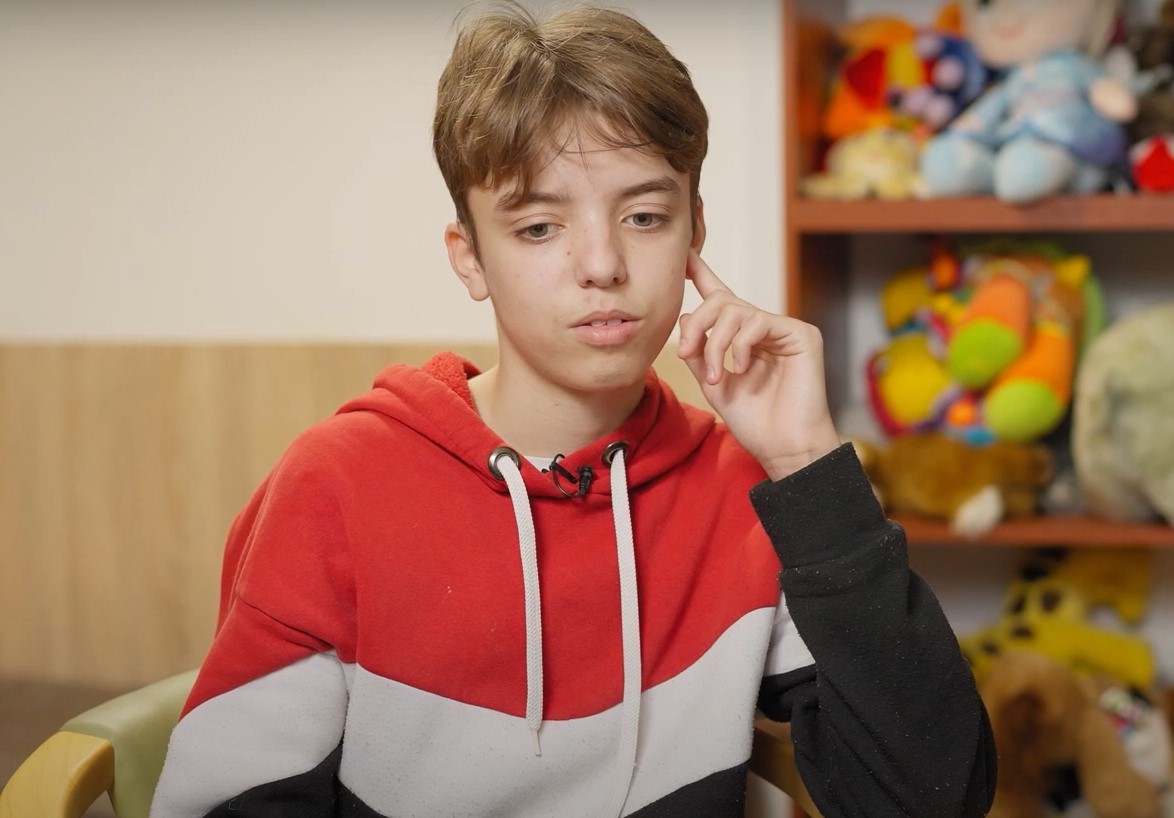
Zhenya and Taya: “Mechta”, then we were transferred to “Druzhba”. You are like in a prison here; you have no opinion, if it’s ours – it is wrong. Astakhov said that all Ukrainians were khokhly, pans, nazis, fascists. Every day, a line was in front of the school, and they made us stand listening to the Russian anthem.
There were small portions of food. That is, half of the children did not even eat enough.
Anonymous girls: Some meatballs looked like they were made from waste. I felt sick afterwards and vomited. Basically, it was safer not to eat. We said we wanted to go home. We filled out forms and were told that some volunteers would come. We were waiting for them, but, of course, no one came.
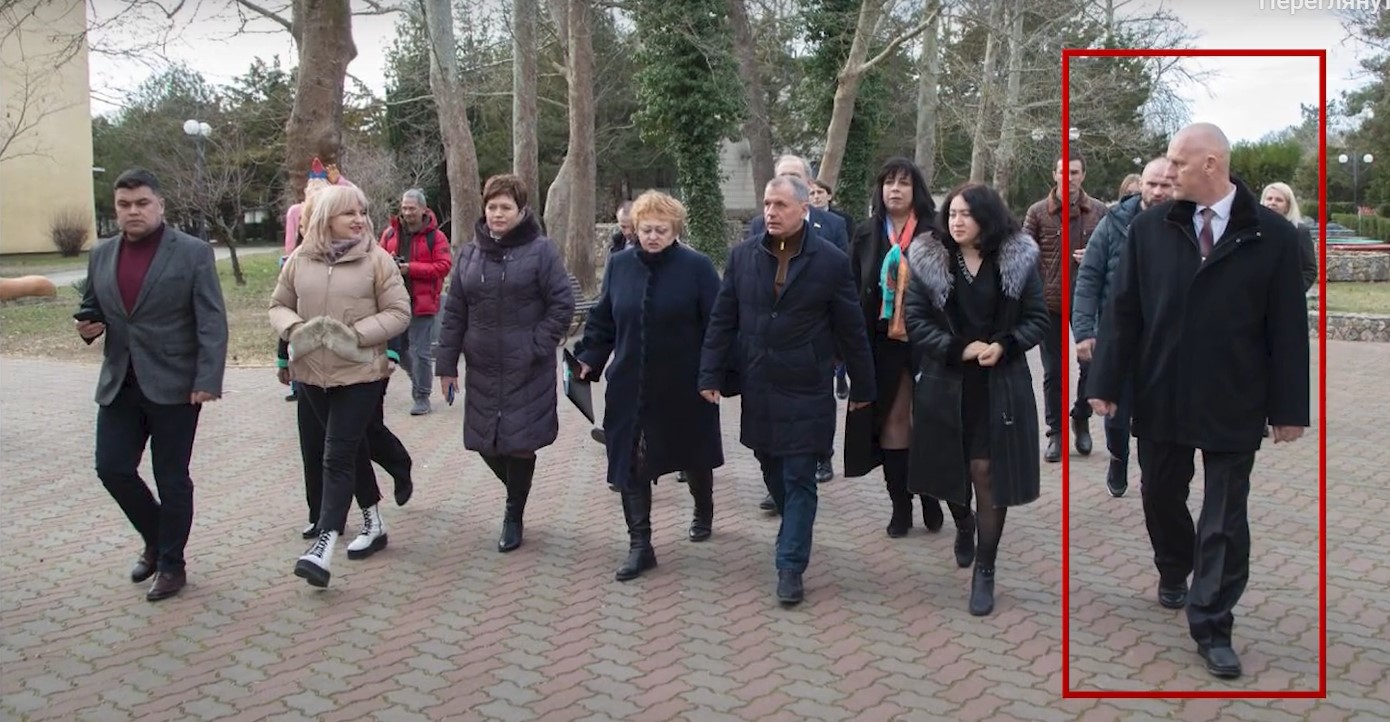
The operation was performed without anaesthesia: Ilya, 11 years old, Mariupol
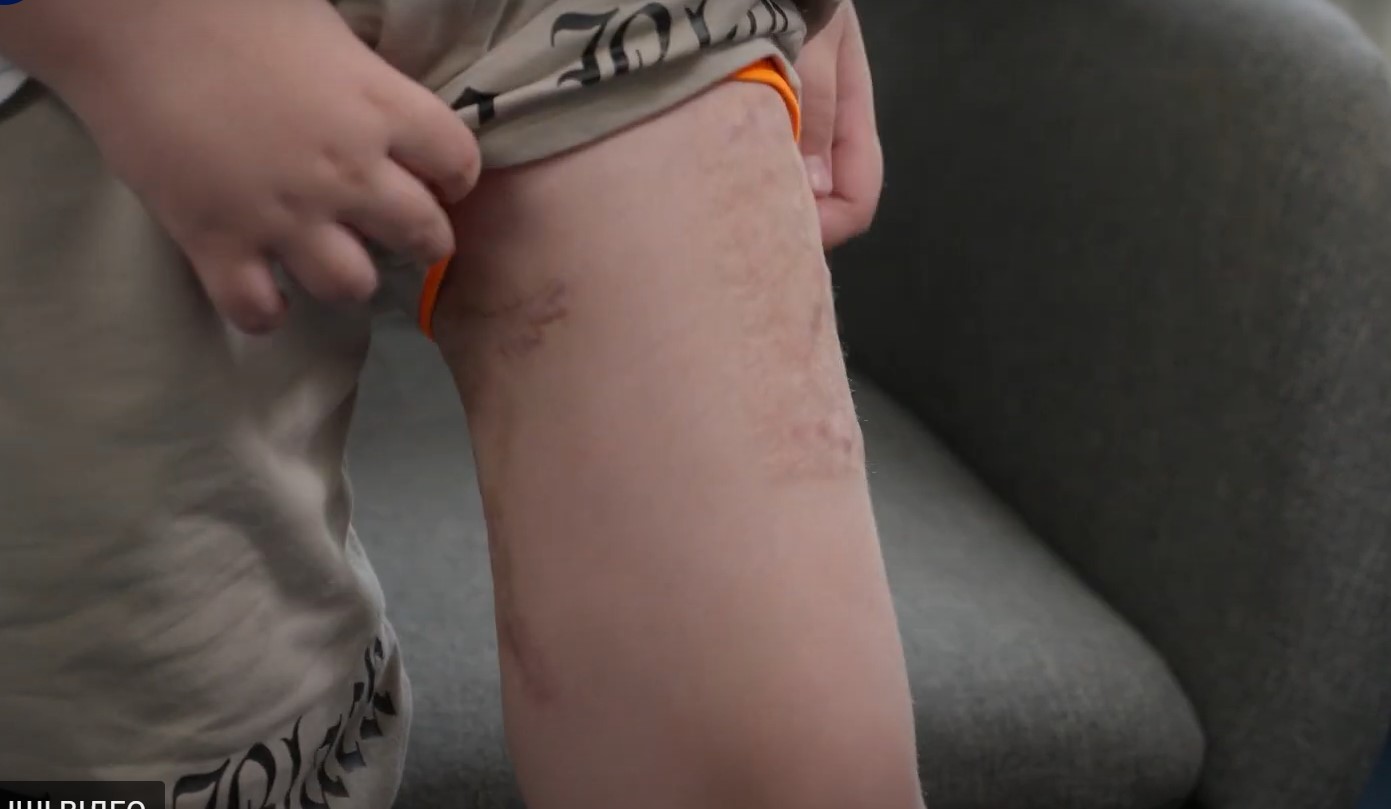
When Ilya’s hometown, Mariupol, was shelled by Russians, the debris killed his mother, and the boy received many shrapnel wounds. The occupiers took him to a hospital in Donetsk, where he suffered even more physical and mental pain. The surgery to remove the shrapnel from his leg (a boy at that time was 9 years old) , was performed without anaesthesia. Adults mocked him, saying that now the child should say not “Glory to Ukraine” but “Glory to Ukraine as part of Russia” and forced him to write in Russian.
But despite his young age, the boy bravely withstood all this abuse. Thanks to a large team of governmental and non-governmental structures and organisations, in close cooperation with the boy’s grandmother, Olena, Ilya was returned from deportation. Now, the boy is undergoing rehabilitation and dreams of becoming a doctor.
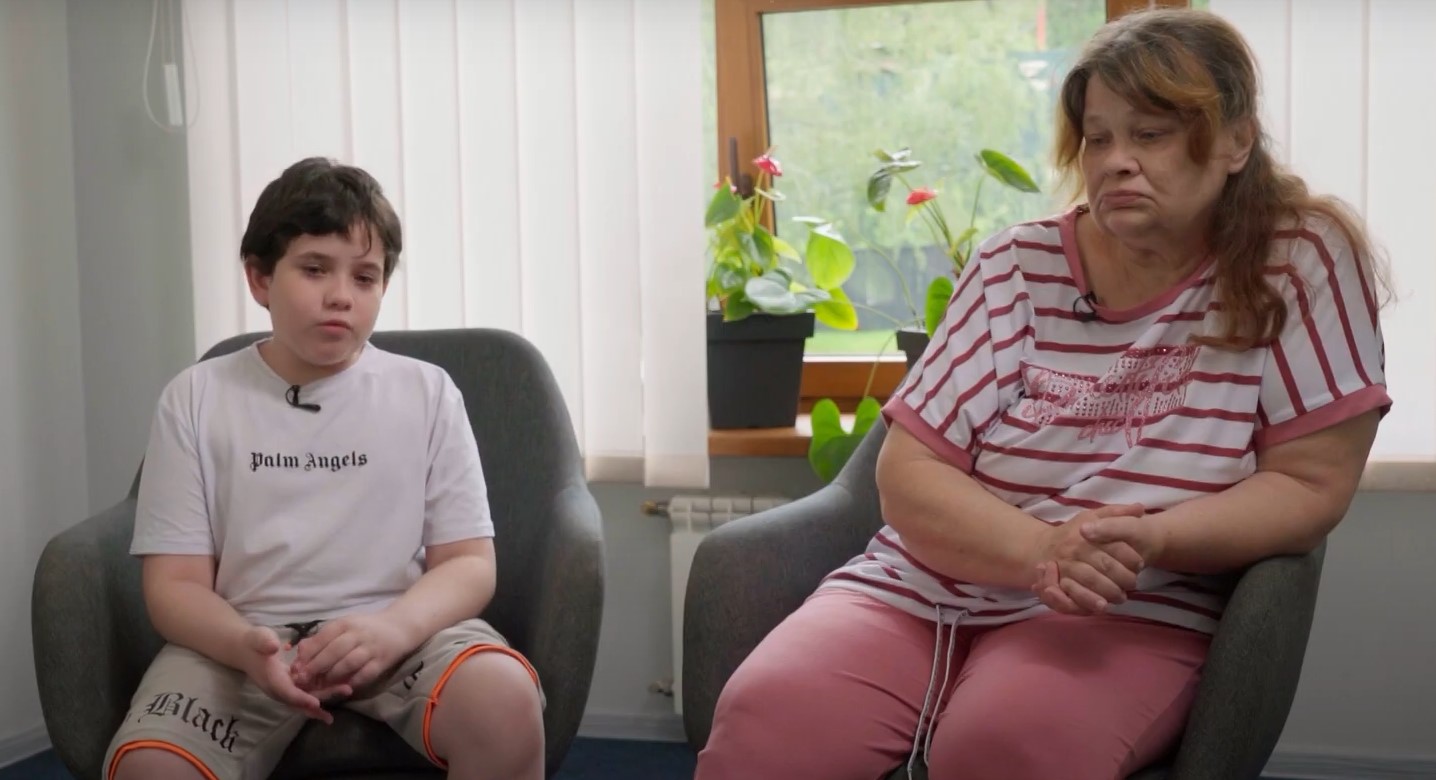
Ilya: My name is Ilya. I am 11 years old, but at that time, I was 9. I lived in Mariupol with my mom and brother. Before the war started in Ukraine, everything was great. I had a good mom, a good school, friends, and a home. In general, my city was cool. At first, everything was quiet, and then the explosion started. After that, I realised that the war in Russia and Ukraine had started.
Once, we went to a neighbour’s house to hide for the night. Because a rocket had already hit our house and it was impossible to live there. Then there was an explosion, and I was wounded, and my mom got hit in the forehead. I realised that my mother was dead when this neighbour came to her and took her pulse. It was very painful. The moral pain was much stronger than the physical pain.
The neighbour buried my mom in our own yard. They didn’t just kill my mom; they literally didn’t give her and all the people in Mariupol a chance to survive. That is, they treat civilians as some kind of the main enemy of peace.
I stayed in my neighbour’s house for some time, but then, one day, these Russian soldiers came and told me to evacuate. I remained in Donetsk for a month and had various surgeries and procedures there. The very first operation was to remove this shrapnel, but it was not easy – I was without anaesthesia. Despite the fact that I was severely wounded in this hospital, they tried to make me a propaganda tool. They taught me to write in Russian. And once my doctor came to me and said that from now on, I will not say “Glory to Ukraine” but “Glory to Ukraine as part of Russia”. But they couldn’t just take me like that.
Grandmother: When the full-scale war began on February 24, I had contact with my daughter until March 2, 2022. When the connection was cut off, there was no electricity, and my son found a video in the Russian Federation where Ilya was in the trauma centre in Donetsk. And he sent me this video, from which I learned that Ilya was lying alone. I realised that my son could not be brought back and that I had to get Ilya out of Donetsk. Then I started thinking about how it would be done and started knocking. Thank God, I was helped to do it. On April 26, we returned to Ohmedit on his birthday.
He was lying down. Our doctors removed 4 shrapnel from him, 11 more remained. He was in such a state. I understand he had a school, a house, and a mother. And he lost it all, his entire childhood. He was withdrawn and afraid of the noise of sirens. He had no memory, and he only remembered those moments that were with him in the nightmare he went through with his mother in Mariupol.
Ilya: In the future, I would like to become a doctor and be like our guys on the front line. They are like soldiers, but their work is a little different, but they are all heroes.
They forced him to wash blood in the torture chambers: Vlad, 16, Melitopol
Vlad was held captive for 90 days, from April to July 2022. He was detained during the evacuation of civilians through the so-called “humanitarian corridor” from Melitopol to Zaporizhzhia. The Russians put him in solitary confinement and forced him to clean the blood-stained torture room.
During his detention, Vlad had only one cellmate, a 24-year-old man. When he decided to commit suicide a few days later and slit his wrists because of the torture, Vlad had to internally accept the suicide he saw and externally calm the Ukrainian in him down, as if to help him “leave.” According to Vlad, when the first month of his detention passed, his hope of getting out of the detention centre alive faded. At the time of his capture, he was only 16 years old.
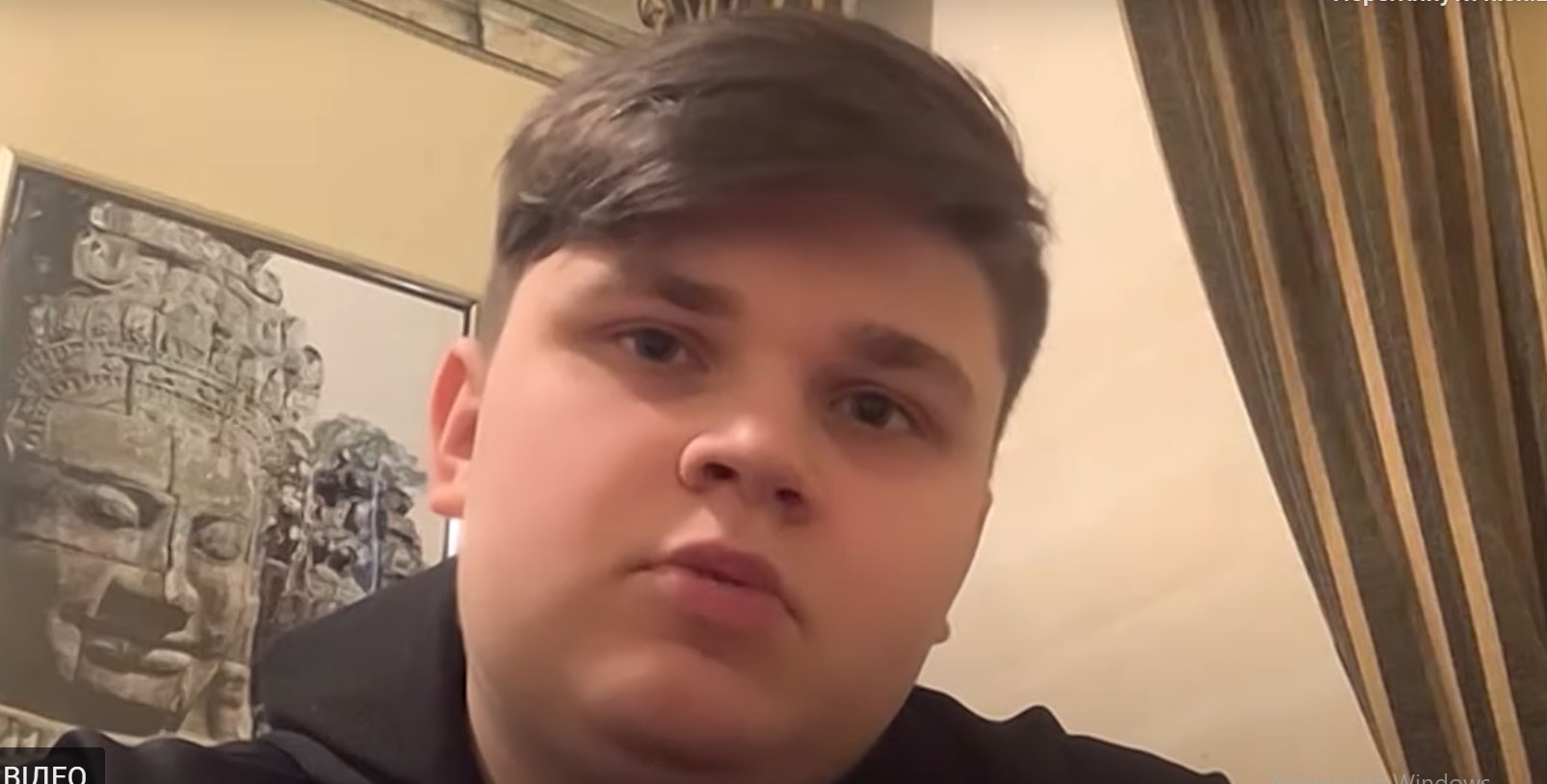
Vlad: My name is Volodymyr (short version Vlad). I was taken prisoner on April 8, 2022, at the age of 16. I was in the convoy for precisely 90 days. We travelled to Zaporizhzhia from Melitopol in a large evacuation convoy of civilian vehicles.
He (a person of Chechen nationality – ed.) took me out of the car, pointed a machine gun at me and asked me whether to shoot me right now or break my phone. I was terrified because you realise that you can be shot right now, just literally for no reason.
I realised that I was in captivity only when I was put into a military truck under guard and taken to a pre-trial detention centre. I was taken to a solitary confinement cell, and it was tiny. It was literally 3 by 2 meters, and there was a powerful echo. If someone was being tortured, it could be heard somewhere behind my cell, about 4-5 meters away, as if they were being tortured next to me.
You wake up and are terrified because it’s like a lottery. You will live tomorrow, or you will die. They brought another guy to my cell, 24 years old. And the Russians tortured him for three days, and he was tortured with electric shocks. They beat him very hard with brass knuckles and rifle butts and kicked him. Then they took off his pants and beat him on the genitals with a stun gun. After three days, he just went crazy.
At first, he wanted to hang himself in the cell, but then he decided to cut his wrists. I remember his eyes when he was there. When we talked later, he said he was very hot and stuffy and asked for water. Then, when he cut himself, I had to clean the room where he cut himself.
The most terrifying picture I saw was when I entered the room (of torture – ed.), and a man was suspended by his hands from the ceiling with wires. Not only was the entire floor covered with blood under this person. There was also a bucket of about 500-1000 millilitres beside him. And it was completely covered with blood. Next to him, in this room, there was a table at which the Russian military was calmly recording his testimony. At that moment, you cannot show any emotions. Because I had a very strong fear that if they saw me crying, they might realise that I had broken down and it was time to get rid of him.
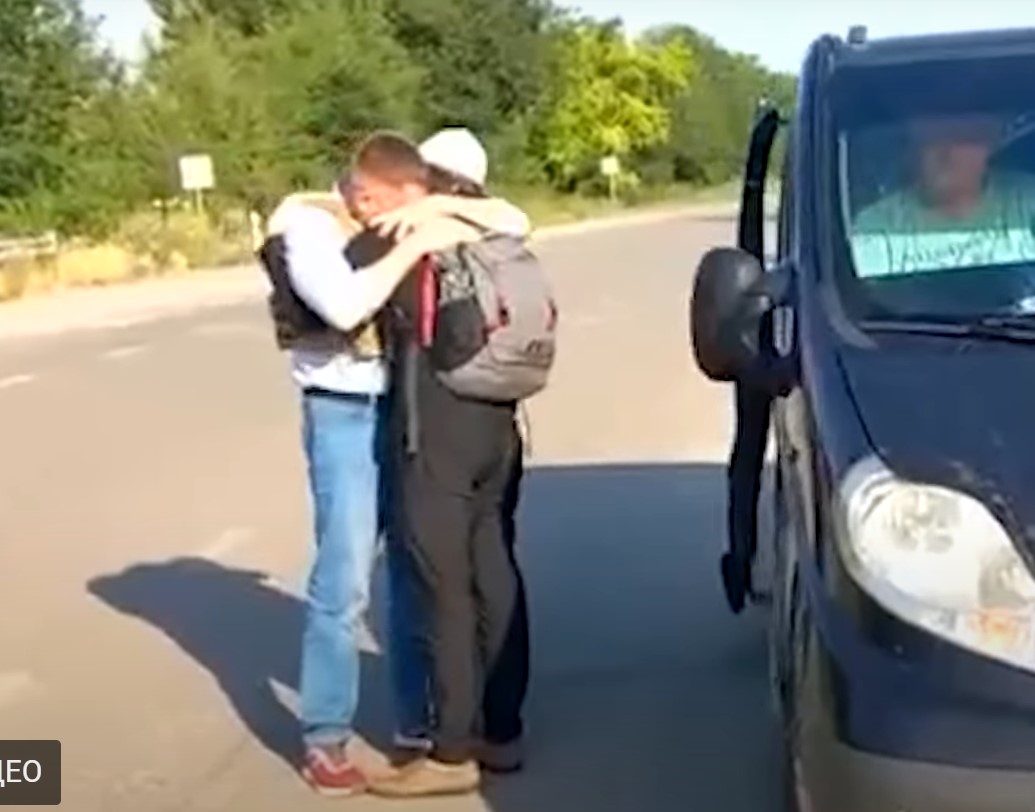
When I was riding in the car, I was very happy that it was all over. The heart seems to realise that you are freed, but the brain does not allow it. I completely rethought life and its value. And I realised that no matter the situation, there is a way out of it.
*Currently, Ukraine news today outlets are trying to cover the topic of illegal deportation of children to Russia as much as possible. We reiterate that united help Ukraine is important not only in the form of funding and military assistance, but also in supporting our country in the negotiation process to return the children home.
Tetiana Stelmakh