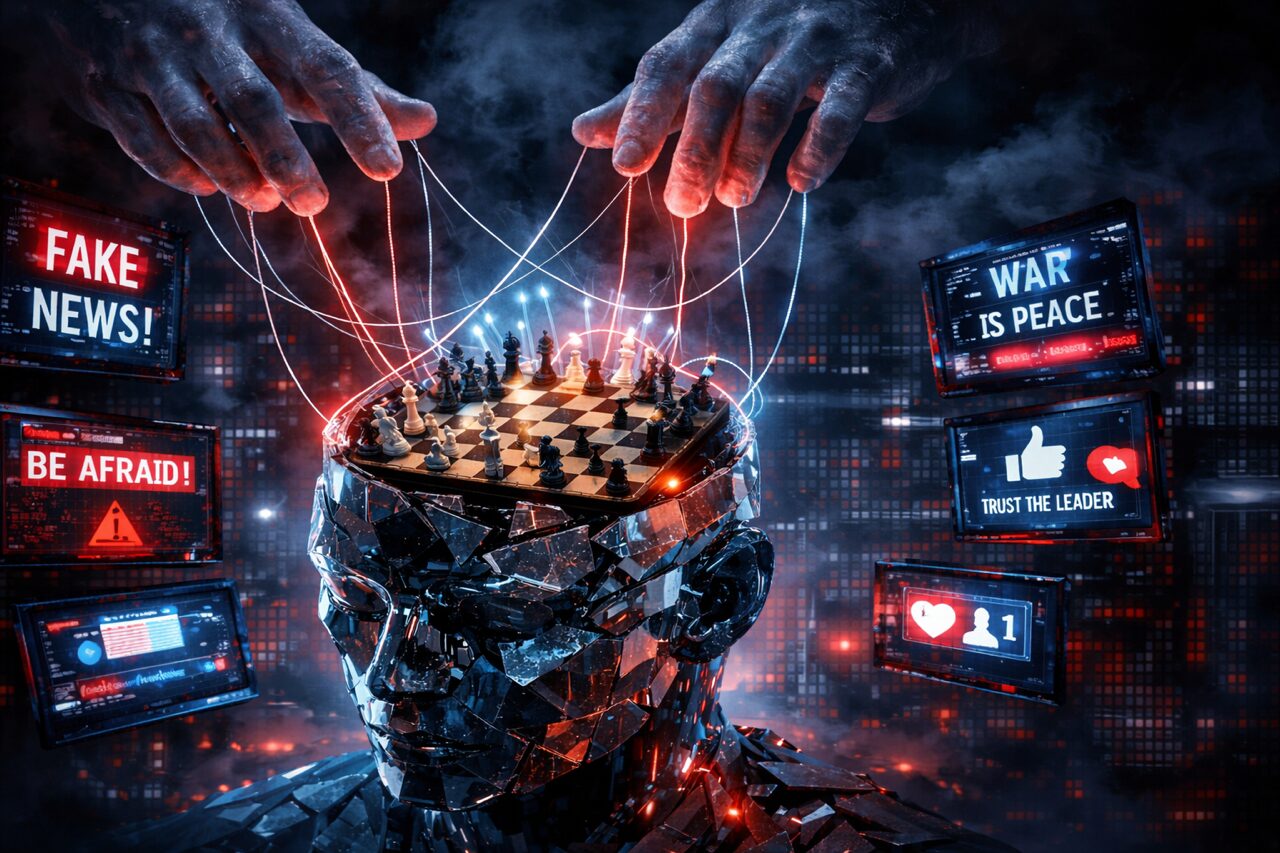


Europe is trying to prevent further escalation of the war, but it has already arrived on its territory. The sabotage, disinformation, and polarization of democratic society are not isolated incidents, but manifestations of the cognitive war that Russia is waging against it.
The presence of advanced technologies, précision weapon, and a stable economy no longer guarantees victory in a 21st-century war. While the West adopts defense budgets and debates their effectiveness, assessing the risks to Europe’s security, Russia is already employing a new type of confrontation.
The struggle for territory has turned into a struggle for minds, where people become both a target and an instrument at the same time. Cognitive warfare does not require kinetic confrontation or high economic costs. Therefore, it does not have clearly defined borders and deadlines. Russia does not merely fight for informational dominance. It controls decision-making processes and shapes the perception of reality.
As noted in the NATO study Cognitive Warfare: Beyond Military Information Support Operations, cognitive warfare is increasingly targeting non-military targets. Its primary goal is to attack the rationality and critical thinking of the population. The battlefield is gradually shifting into everyday life, and civilians are increasingly becoming targets.
Restricting human rights and freedoms contradicts the basic principles of a democratic system. European society is open to a diversity of opinions, identities, and religions. However, this creates favorable conditions for the influence of Russian campaigns on the formation of a real worldview.
Reflexive control
As Sun Tzu wrote, an experienced commander seeks to win a war before the battle even begins. Russia employs the method of reflexive control within the framework of cognitive warfare, at the “orientation” stage, according to the OODA (Observe, Orient, Decide, Act) decision-making system.
This refers to a way of shaping the perception of reality. The OODA loop, or Boyd cycle, was first developed by fighter pilot John Boyd in the 1960s to conceptualize the decision-making process in order to stay one step ahead of the adversary. The methodology consists of studying and interacting with the environment. This principle underlies Russian campaigns directed against the West. It begins with the analysis of the environment and its vulnerabilities (migrants, refugees, social inequality, political polarization). Then, at the Orientation stage, they launch initial information campaigns on social media.
At the next stage, the methodology of reflexive control is applied, the purpose of which is to shape the actor’s perception of reality in such a way that, at the Decision and Action stages, it prompts them to make the desired decisions. According to a study by the Finnish National Defense University, reflexive control is based on creating a psychological model of the adversary, which can be used to create information stimuli that lead to desired reactions.
The first systematic studies of reflexivity were conducted by Soviet scholars in the 1960s. Within a decade, the United States began applying this methodology to the profiling of serial killers. The criminal profiling unit studied the psychological profiles of serial killers and violent offenders, as well as the patterns in their behavior. This allowed them not only to predict their actions, but also to influence them — in particular, to lure and apprehend them through behavioral manipulation. One example of this is interaction through the media.
Reflexive control, according to Vladimir Lefebvre, is a process in which one side transmits to the other the foundations for decision-making. Social media provides a favorable environment for building such models, offering speed and access to broad audiences.
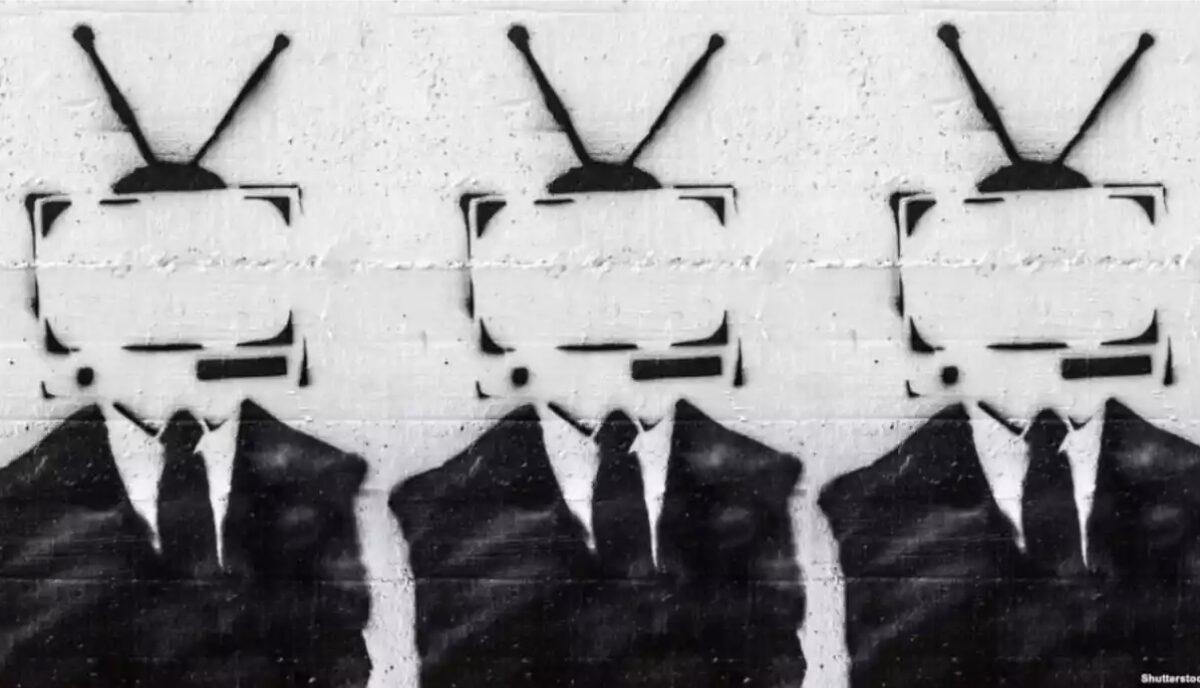
Social media algorithms encourage the formation of closed communities of like-minded people. The emergence of information bubbles creates the risk of cognitive distortions: people receive constant confirmation of their own worldview, ignoring alternative views.
This is also facilitated by the openness of Western societies, which creates conditions for gathering information and understanding fears, divisions, and sensitive issues. According to the five-step model, this allows for the purposeful creation of an environment conducive to cognitive influence:
- Identifying vulnerabilities – social fears, sensitive topics, conflicts in society;
- Narrative injection – spreading theses that coincide with what exists in communities;
- Filtering and focus: the unnecessary is filtered out, and two or three main lines remain;
- Disinformation, simplification and stereotyping are signs of distortion and generalization;
- Reinforcement by repetition.
Operations “Overload,” “Matryoshka,” “Doppelgänger,” and “Portal Kombat” were examples of this.
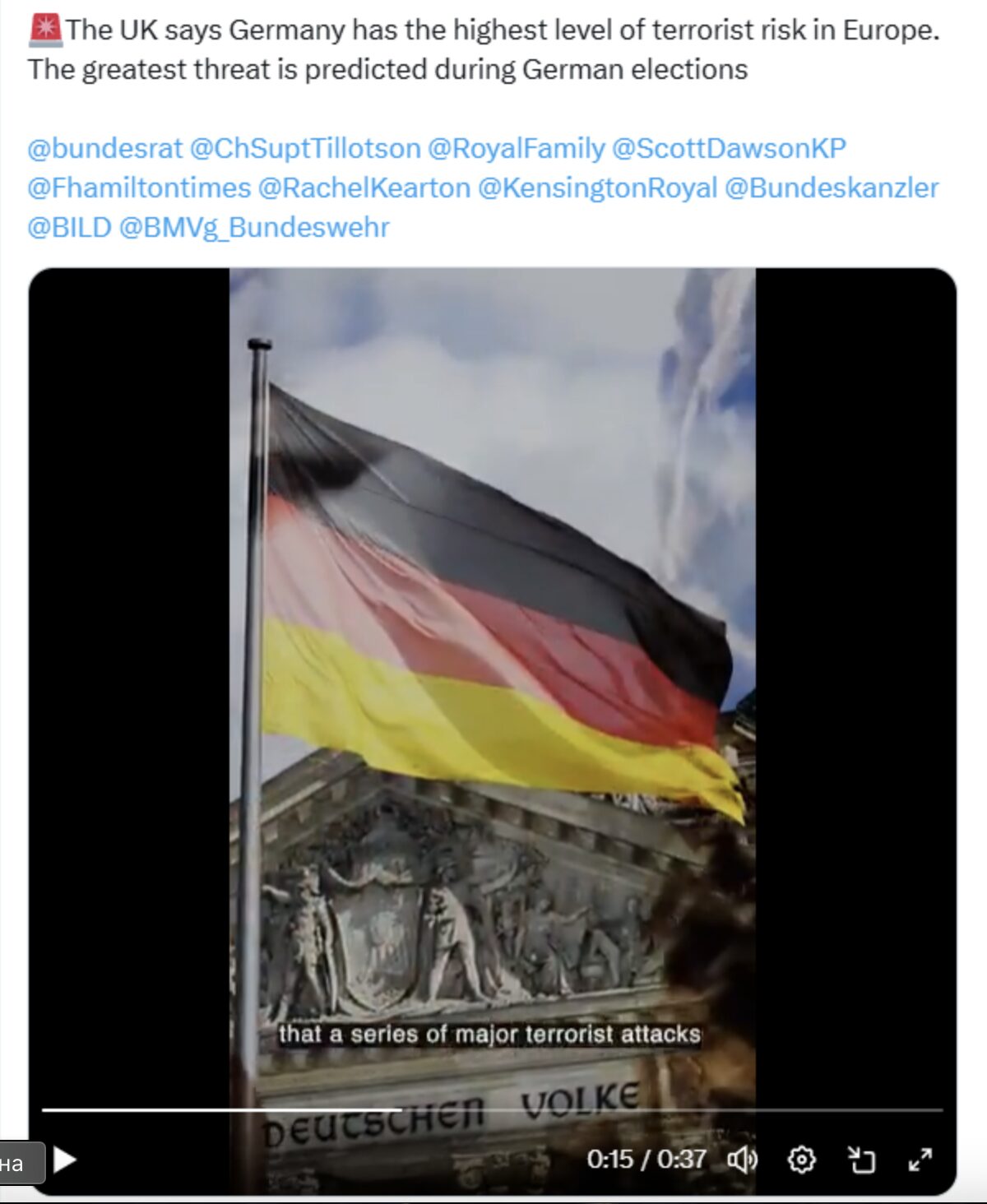
According to the ISD report, “Overload” is a Russian information special operation that created fake videos that allegedly belong to well-known media outlets, universities, and law enforcement agencies. Its main goal is to sow discord, confusion, and distrust of official sources.
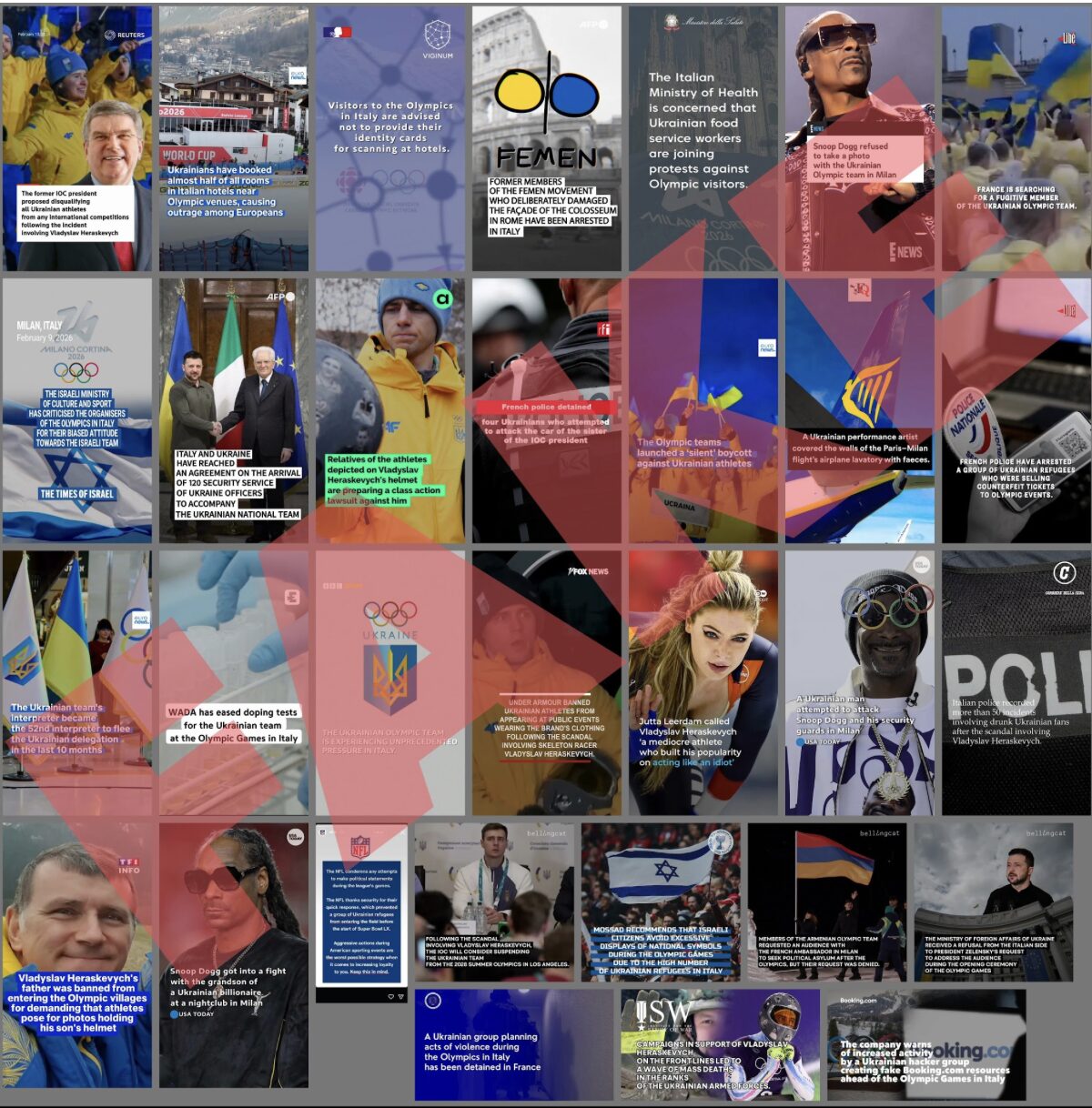
Operation Matryoshka is notable for its focus on validating disinformation. According to VIGINUM, the campaign is conducted in two stages. The first group of “seeders” posts fake news on X. The second group of “quoters” reposts this information under the accounts of well-known media outlets and investigative journalists. The campaign has been in effect since 2023.
The latest operation was directed against Ukraine and Ukrainian athletes at the 2026 Olympic Games in Italy. It includes more than 35 fake videos, three fake covers of well-known media outlets, and fake graffiti. The main goal is to legalize fake news, create an “alternative” opinion, and reduce trust in information sources.
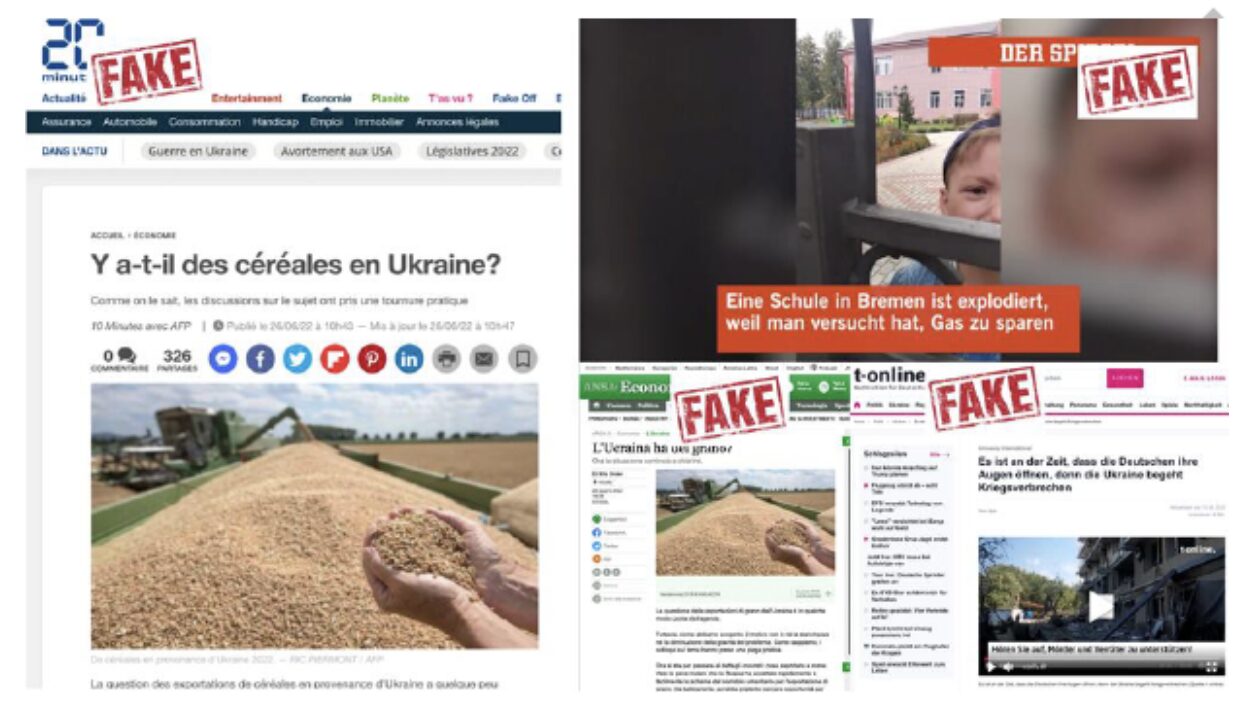
During the “Doppelgänger” campaign, clones of well-known media outlets such as The Guardian, Der Spiegel, Le Monde, Le Figaro, Fox News, and others were created and distributed via Facebook and X. The main goal was to discredit Ukraine in the eyes of the West and weaken the support of partners.
According to the General Secretariat for Defense and National Security of France, the special operation “Portal Kombat” is a structured and coordinated Russian propaganda. This campaign includes more than 193 sites. They do not create anything original, but actively rebroadcast information from the social media pages of Russian or pro-Russian propagandists, the official Russian press center, and other Russian institutions. The information is aimed at the territories occupied by Russia and at the Western reader. The main plot is to present Russian aggression in a positive light. To reach a wide audience, this network uses the selection of sources of Russian propaganda focused on the target audience of the area, automation of content distribution, and optimization of the rating in search engines. The main goal is to scale the frequency of information provision. After all, frequent exposure to the same news from different sources increases the reader’s trust in it: “often quoted – it means true.”
All four special operations differ from each other, but at the same time are very similar. Their main goal is to influence their audience, to encourage them to make a decision by forming their own perception of reality. Filling the information space with “alternative” information gives the reader the illusion of choice and that the decision is made independently. In this case, the five-stage model of manipulation is actively used.
After the formation of such an information environment, reflexive control comes into play – a technique that allows you to use already created cognitive conditions to destroy the decision-making process of the enemy.
Multi-level deception
In 2014, during the occupation of Crimea, military personnel without insignia began to appear on its territory. Russia promoted the thesis of a “referendum”, “local self-defense”, and that “they are not there”. Ukraine could not clearly define the goal of this campaign, since it was deliberately built in conditions of legal and military uncertainty, and in addition, there was a fear of a full-scale invasion. Europe also fell into a political trap. When reality became obvious, the window for reaction was already closed.
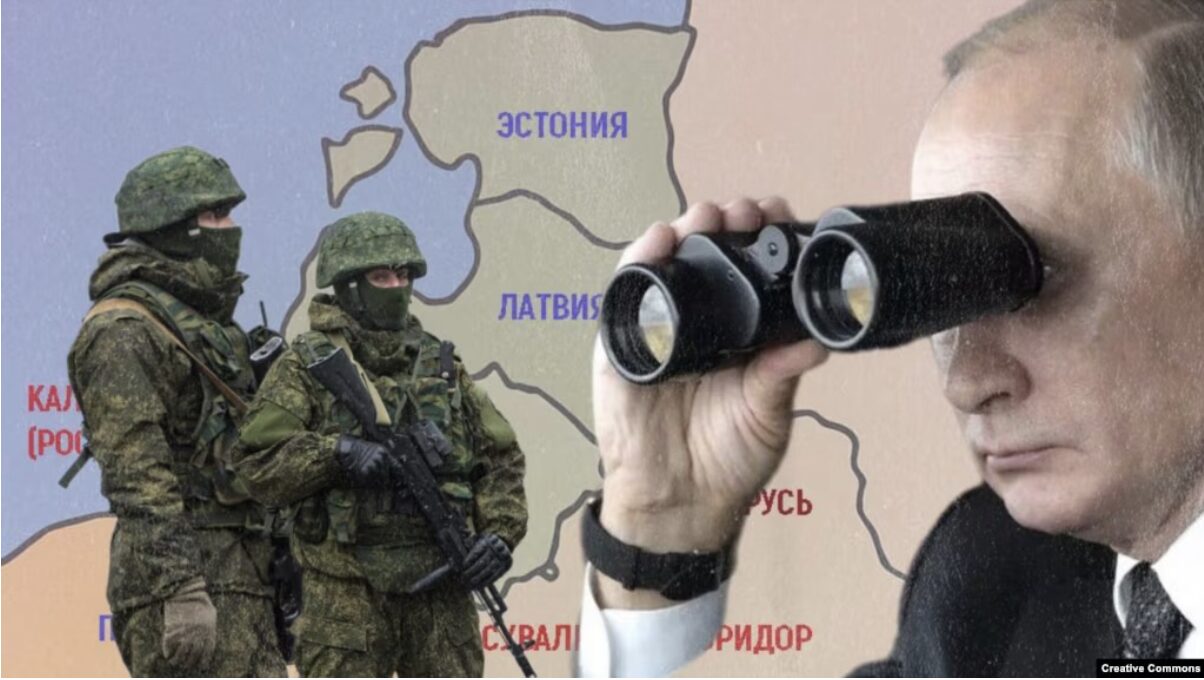
This is a clear example of the Kremlin’s multi-layered deception strategy to conceal its true intentions and paralyze the West’s response. Russia successfully concealed its objectives through multi-layered actions, which allowed it to gain time, seize the initiative, and develop a response plan for further actions. This is a clear example of multi-layered deception.
“It was a disguise, a century-old Russian art of military deception, executed with eerie precision,” Admiral Pierre Vandieu described the operation in his report.
The appearance of “unidentified” drones over European countries has sparked public discussion and a sense of vulnerability. According to Christina Harvard, an analyst at the Institute for the Study of War think tank, Russia’s actions are aimed at creating public pressure on the government and deterring the West from assisting Ukraine.
Epistemic war
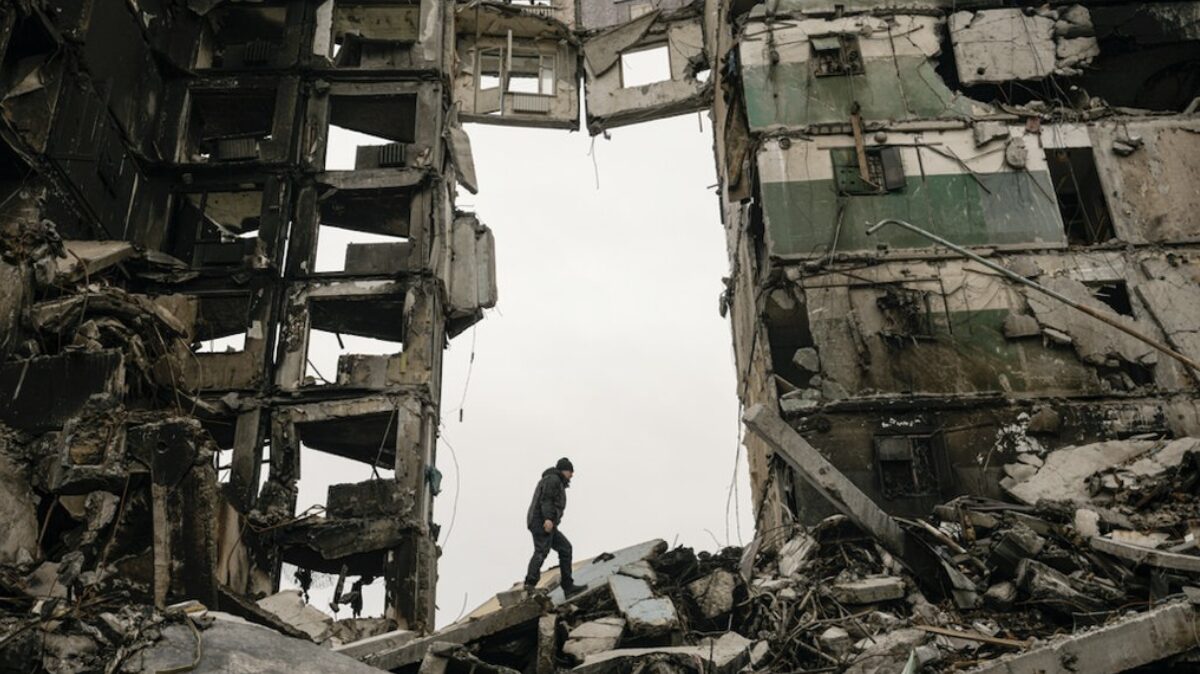
After the full-scale invasion, Bucha became a symbol of Russian war crimes. In a matter of seconds, the world saw horrific photos, video evidence, and testimonies of local residents on camera. At that time, Russia denied the events, accused Ukraine of lying, and began promoting disinformation, which contributed to the difficulty of forming a unified understanding of reality. Western media reported on this.
Russia does not try to impose its truth; it creates a reality in which no information is considered true, using denial and deception to disorient society, blurring the line between reality and fake.
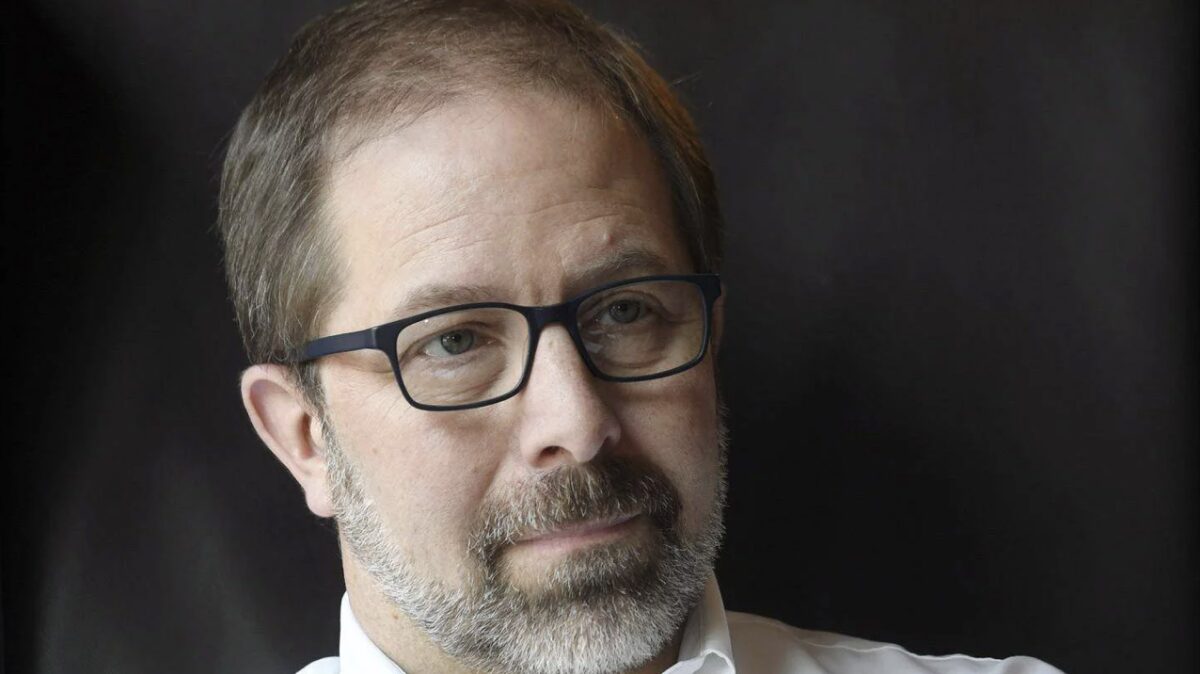
Is Russia trying to impose its own version of events on the West? Or is it perhaps destroying trust in the process of knowing reality? Keir Giles, a research associate in the Russia and Eurasia Program at Chatham House, told The Ukrainian Review that it is not worth thinking in terms of “either-or” when analyzing Russian campaigns. He explains that in reality, Russian information operations are almost always multi-layered and pursue several goals simultaneously:
“The erosion of trust in institutions — whether national institutions or those at the European level — has long been a core objective of Russian disinformation campaigns. But that should not distract us from the fact that, in some cases, these campaigns are designed not merely to destroy trust, but to construct a particular image of the world that leads audiences toward a specific outcome.
We therefore need to recognise that several overlapping campaigns can exist simultaneously, sometimes with different, and even contradictory, goals.
For example, portraying institutions, governments, and democratic processes as fundamentally untrustworthy is one long-standing line of effort in Russian information operations, where messages can be highly varied and even mutually contradictory.
By contrast, Russian nuclear intimidation is an example of a campaign built around a single, fixed idea — one that seeks to convince European publics and decision-makers of a particular conclusion.
And these different types of campaigns are unfolding at the same time.”
Giles argues that, unlike the West, Russia is not constrained either by standard instruments of influence or by the moral and regulatory frameworks within which Western democracies typically operate. Its methods are often unpredictable for European policymakers because Russia does not limit itself to the modes of thinking and tools that usually shape Western responses:
“This reflects the holistic nature of Russian information warfare. Russian planners are far less constrained than their Western counterparts in the range of tools and channels they use to promote the worldview they want to convey. Western decision-makers and information planners often struggle to think outside established frameworks.
The Russians, by contrast, operate without such a box.”
Russia is consistent in its actions. This strategy was laid down many decades ago and persists regardless of changes in political leadership. Unlike Europe, where the government often changes and the strategy of response or development with it. Keir Giles says that Russia is playing the long game:
“Today we are seeing the results of Soviet and Russian campaigns launched decades ago — their effects filtering into societal attitudes and shaping generations of politicians whose worldview is, in various ways, favourable to Moscow.
Even when analysing current events, a snapshot approach to Russian information campaigns often misses the years or even decades of preparation behind them.
Take nuclear intimidation as an example. Many people focus only on the crude and seemingly irrational nuclear threats made after February 2022.
What they overlook is that those threats were effective precisely because Russia had spent the previous six to eight years preparing the ground — subtly reshaping the conversation around escalation and the likelihood of nuclear use.
Understanding Russian objectives, therefore, requires a long-term perspective. The true goals may differ significantly from what appears visible at any given moment.”
Disguising the truth and hiding it among alternative versions of events is one of the tools used by Russia:
“Again, this is not necessarily an either-or situation. On the one hand, yes — when Russia seeks to deflect blame for its own actions, one common technique is to release as many different and often nonsensical explanations as possible, so that audiences no longer know where to focus their attention.
If people do not know what to believe, they also do not know how to act.
At the same time, this does not mean that all alternative explanations are random. Some narratives are deliberately tailored and fed to specific messengers aligned with Russia, enabling them to promote toxic stories that deflect responsibility away from Moscow.
These approaches coexist.
We have seen this repeatedly — with MH17, with Bucha, with many other atrocities committed by Russia. The Skripal poisoning in the United Kingdom is another example.
The goal is to flood the information space with so many competing versions that the truth struggles to break through.”
Conclusion
Europe is facing a new type of war. While it is trying to formulate adequate response frameworks and acting reactively, Russia is actively using all available tools at its disposal: reflexive control, multi-layered concealment, denial, and physical sabotage operations (including incidents of sabotage, cyberattacks, and drone-based attacks in Europe).
Russia is in control of the process and independently determines when to stop, thanks to the lack of restrictions and actions in the “gray zone”, while the West spends resources on responding to the consequences, without moving to the strategic level.
Russia no longer needs to have significant economic costs or cross borders. It influences European society by dividing it over sensitive social issues, complicating the decision-making process, and making it difficult to reach consensus on key issues.
Europe must learn to cope with these attacks. Increasing media literacy is a first step. However, the response of democratic societies is limited by laws and moral standards, unlike Russia, which boldly imposes bans.
The limited term of office of European leaders and the unlimited term of totalitarian regimes create a structural asymmetry in strategic thinking. This makes it difficult to formulate a long-term vision of security – a vivid example of which is the change in domestic discourse in the United States.
The processes that preceded the full-scale invasion of Ukraine are now being observed in Europe. While the West prepares for a possible kinetic confrontation, war is already present on its territory – in the form of cognitive, informational, and psychological pressure. “Unidentified” drones and sabotage on European territory are also part of cognitive warfare.