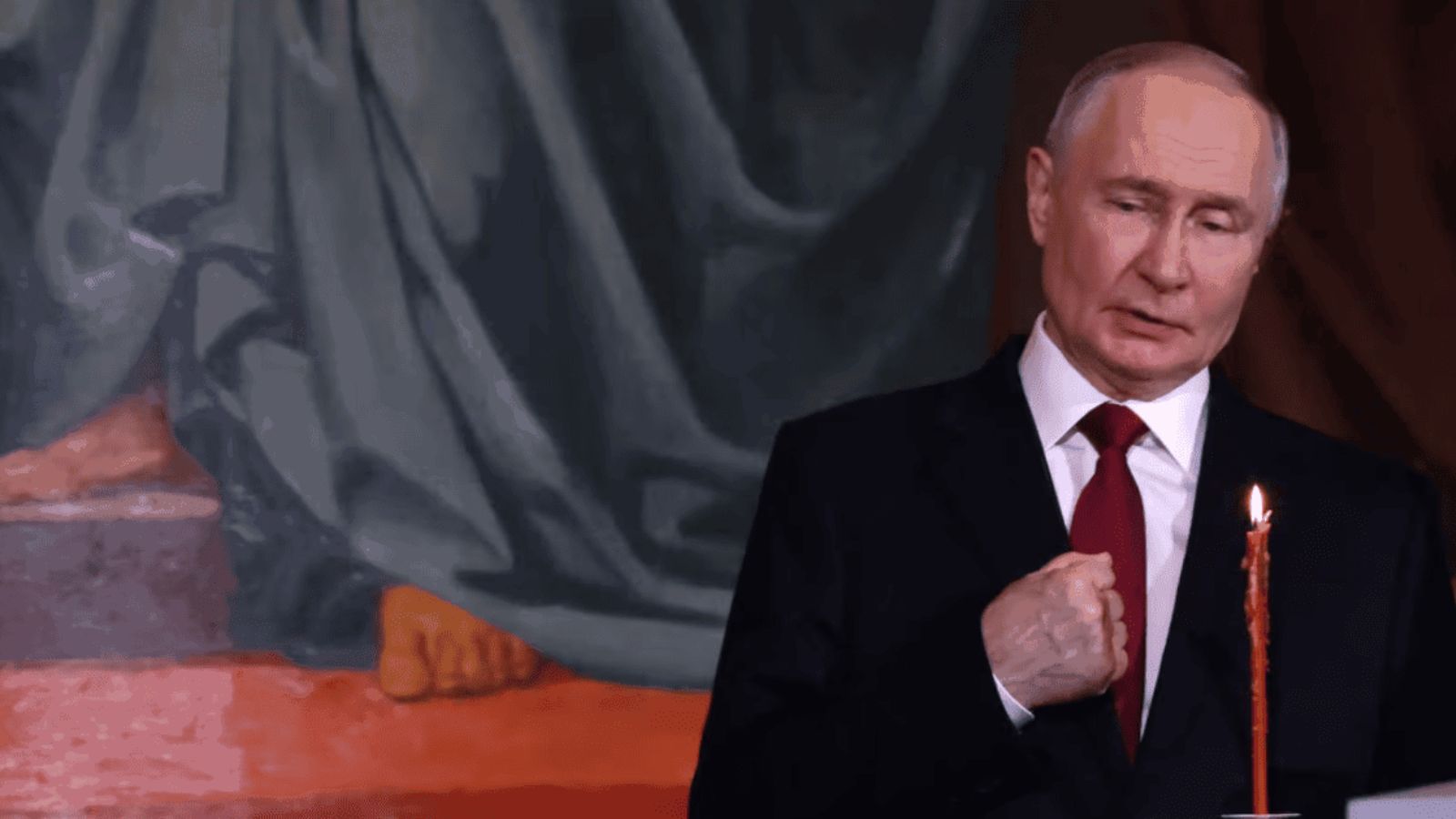


Russian leader Vladimir Putin has vanished from the public eye for over ten days following the Easter service. Since his last appearance at a Moscow cathedral, the Kremlin has failed to provide any fresh video evidence of his activities. This uncharacteristic absence has sparked intense global debate regarding his health and the potential loss of control over his inner circle.
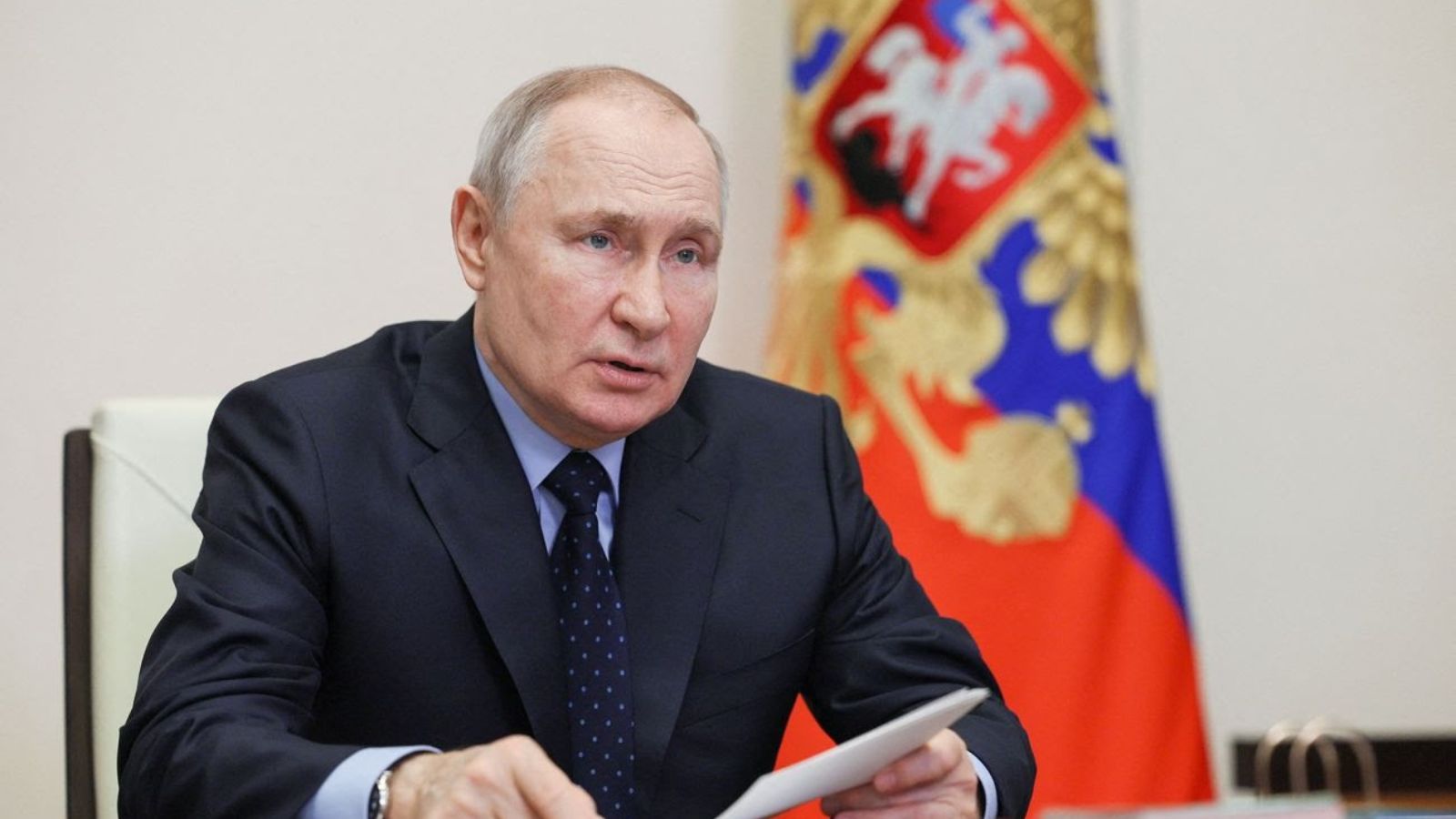
The Daily Star reported this development while analyzing the dictator’s strained behavior during his last televised event.
Observers noted that he appeared detached and physically uncomfortable while standing next to Moscow Mayor Sergey Sobyanin. Although official sources insist on a normal working schedule, the lack of live broadcasts continues to fuel rumors about a major crisis within the Russian administration.
Elite Friction and Operation Twilight
This public disappearance aligns with intelligence reports concerning a power struggle known as “Operation Twilight.” Estonian analysts suggest that friction between various factions of the Russian elite is reaching a breaking point. For instance, four years into the full-scale invasion of Ukraine, the oligarchs face devastating financial losses. Furthermore, the interests of the security services now clash with the government’s efforts to manage a failing economy.
The Russian political system currently faces immense pressure from Western sanctions and a massive budget deficit. Consequently, the loyalty of the business elite, which once anchored the regime, is rapidly eroding. The prolonged silence from the dictator only intensifies the conflict between the FSB and other powerful interest groups.
Every day without a public appearance makes the possibility of an internal coup look more credible. While the Kremlin dismisses these concerns, the international community sees clear signs of deep-seated instability.
Previously, The Ukrainian Review reported that Russia is losing record numbers of troops compared to territory gains.