


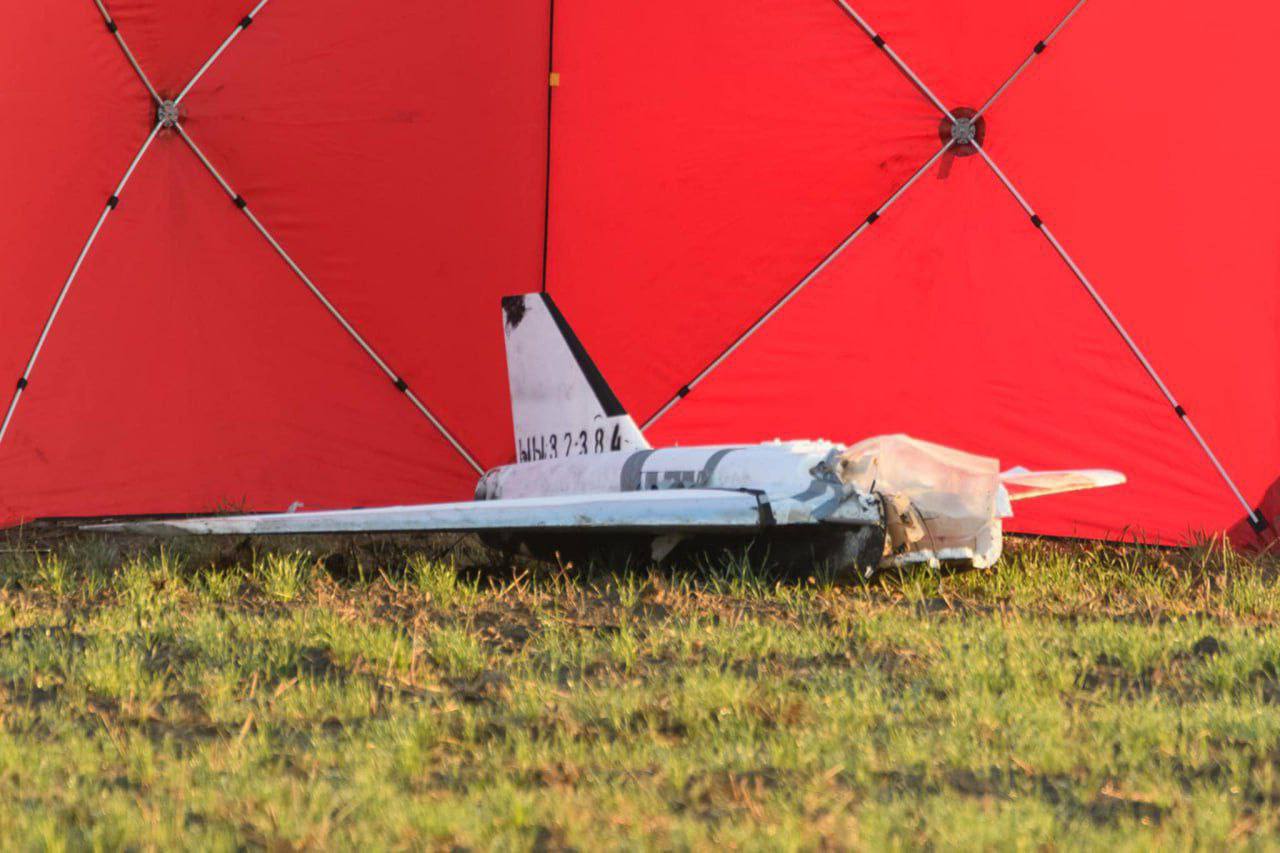
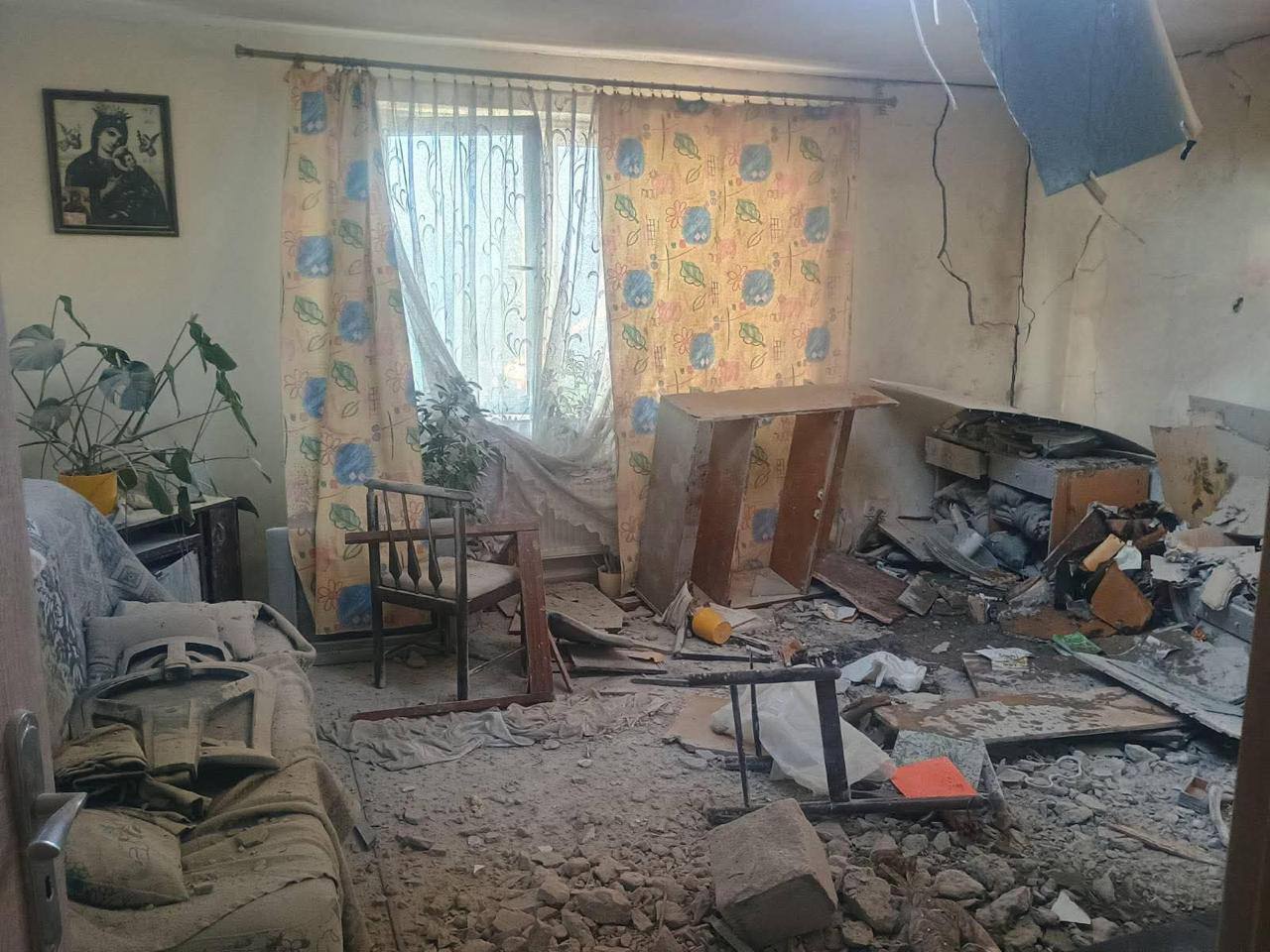
On September 10, 2025, Russia carried out another massive drone and missile attack on Ukraine. But this time the scale went far beyond the war against Ukrainian cities: at least eight Russian drones flew into Poland, causing damage to buildings. Polish media reported higher figures: Not 10, but at least 23 Russian UAVs flew into Poland.
According to Prime Minister Donald Tusk, 19 incursions into Polish airspace were recorded overnight, a significant part of the drones flew from the territory of Belarus. Poland shot down 4 of them.
This attack is not an accident
Russia deliberately directed the drones into a NATO country to test how quickly and decisively the alliance would respond to new threats. This is a kind of “probing” of the Alliance’s defense mechanisms: from government decisions and coordination between allies to the readiness of air defense units and pilots.
Putin has long threatened to strike Polish bases where Western weapons for Ukraine are stored and transported. And in a broader perspective, the Kremlin is considering scenarios of an invasion of the Baltic states. For this, it is critically important for Russia to understand what NATO states are ready for in the event of a direct attack.
Zapad-2025
The timing of this incident is no less revealing: it occurred on the eve of the large-scale joint Russian-Belarusian exercises “Zapad-2025”. The drone route laid through Poland does not look like a navigational error, but like a deliberate political signal. This is a kind of response by Moscow to the closure of the Polish border with Belarus and at the same time a test of resilience.
It is obvious that this decision was made at the highest political level in the Kremlin. Given that Poland was forced to shoot down drones heading towards major cities, it can be argued that Moscow is not only provoking, but also purposefully raising the stakes.
In parallel, the intensification of Russian information operations is expected. The Kremlin will try to intensify the atmosphere of fear, spread narratives about “NATO’s ineffectiveness” and “Poland’s inability to defend itself.” This is an information front designed to paralyze the political will of Europeans.
Conclusion
Europe has indeed begun to rearm. Countries are increasing defense budgets, deploying new production facilities, and increasing the size of their armies. But this process was launched too late. Today it is becoming obvious: Europe is not yet technically ready for a full-scale war, and even more so psychologically. And while the West is only learning to react, Russia continues to test the limits of NATO’s patience with impunity.
Team of The Ukrainian Review