

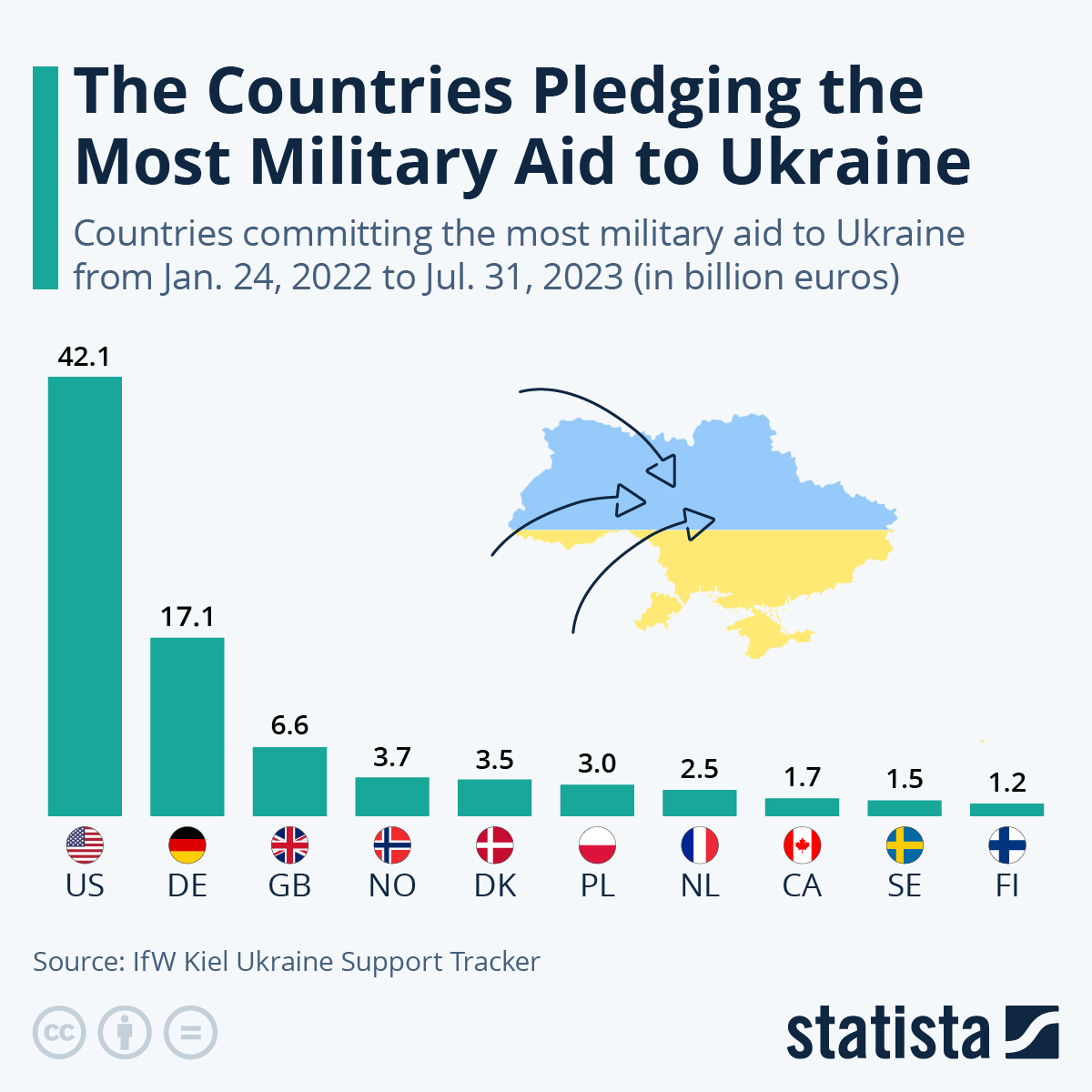
German military assistance to Ukraine is gradually taking first place among other countries. There was widespread irony in Ukraine regarding military aid to Ukraine. Here it is worth noting the former Ambassador of Ukraine to Germany, Andrii Melnyk, who in May 2022 burst out with caustic memes against the German side. Later, he was stripped of this position. Germany, despite the frankly strange policies and statements of certain media personalities, continued not only to supply weapons, but launched the Ringtausch Program.
From the Rheinmetall press release:
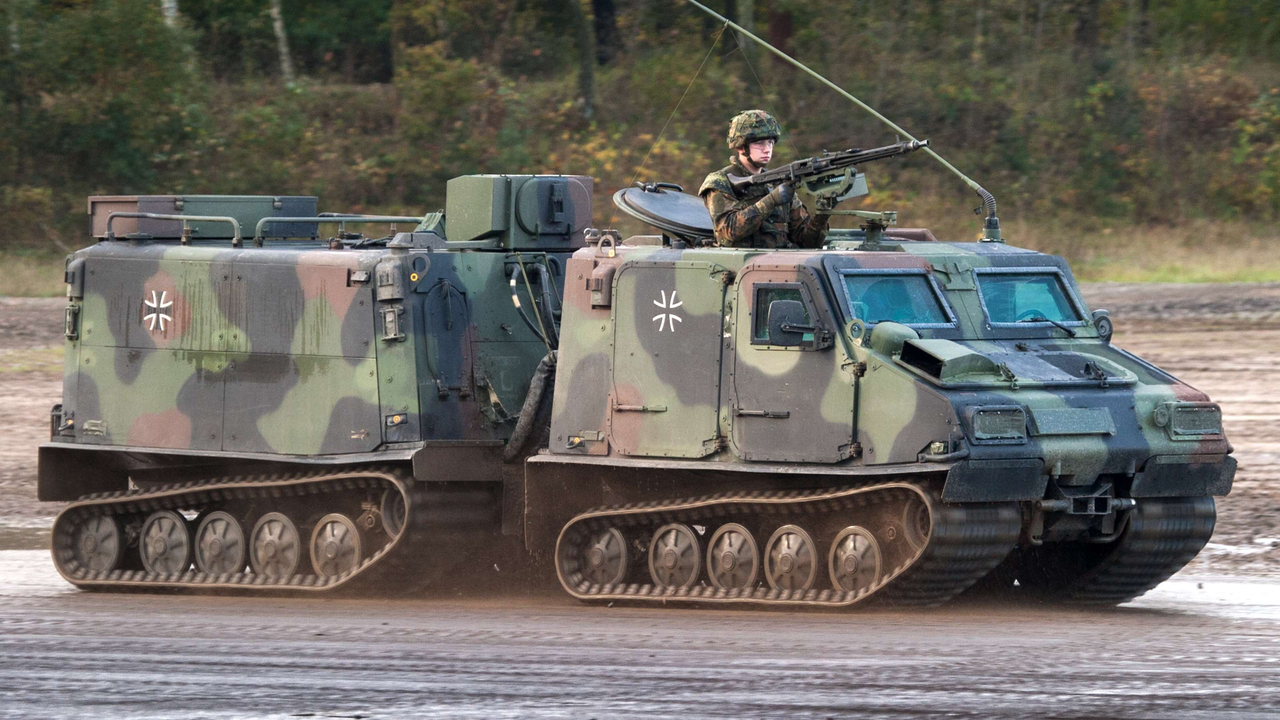
“The “Ringtausch” is a multilateral equipment exchange program designed to support Ukraine’s war effort in the face of Russian aggression. In cooperation with Germany’s European neighbors and NATO partners, Soviet-era heavy equipment is being transferred to Ukraine in exchange for surplus Western-made systems. Rheinmetall is taking part in various “Ringtausch” exchanges involving the armed forces of Greece, the Czech Republic, Slovakia and Slovenia.”
You can see what these numbers are here. These are more than 70 infantry fighting vehicles and dozens of tanks of various types.
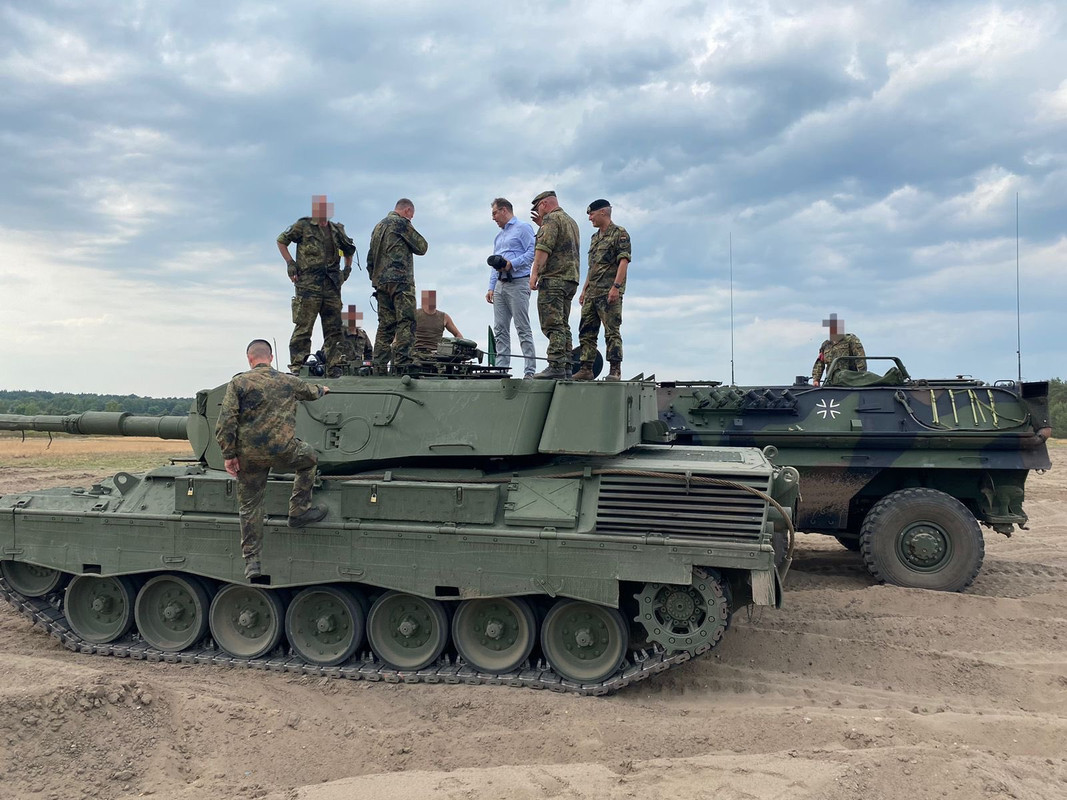
And finally, on November 21, 2023, during his visit to Ukraine, the German Defense Minister presented a new military aid package in the amount of €1.3 billion. It includes another four systems of IRIS-T medium-range missiles, 155-millimeter ammunition, and Panzer anti-tank defense mines. The level of military support for Germany stands in stark contrast to the $100 million US aid package announced on November 20, 2023. In total numbers, the United States is ahead of all countries in the world in military support for Ukraine, but the dynamics remain behind Germany.
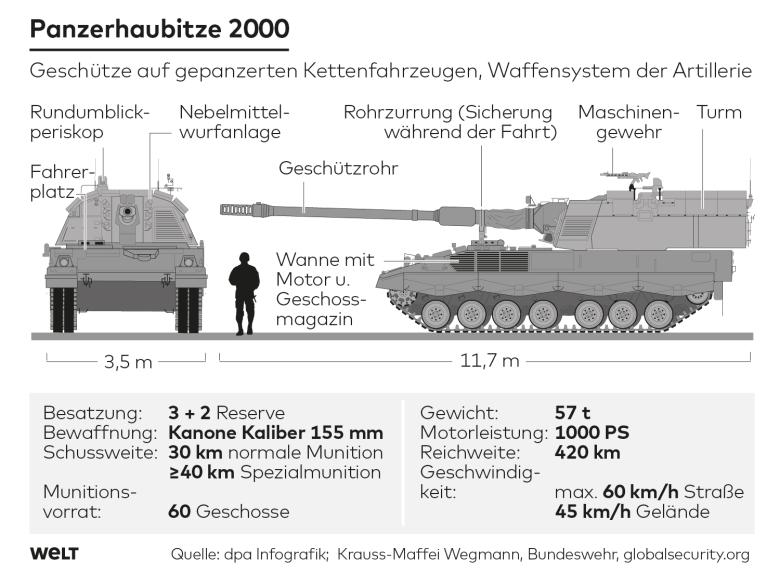
Here are specific figures for planned German aid to Ukraine: funding for Ukraine’s defense amounts to €5.4 billion for 2023 — after €2 billion in 2022. The German government had been planning to double its 2024 aid plan for Ukraine from €4 billion to €8 billion.
The figures clearly confirm that the Ukrainian top military-political leadership should pay close attention to the development of partnerships with Ukraine’s largest donor. It is especially important to do this in the face of when governments unfriendly to Ukraine are in power in Hungary and Slovakia, when there are serious misunderstandings on the border with Poland and in politics with Poland, when right-wing populists come to power even in Western European countries, opposing military assistance to Ukraine.