

Hungary is a country in the European Union known for blocking military and economic aid to Ukraine.
“If at the very beginning of the invasion, Hungary joined the pan-European condemnation of Russia’s aggression against Ukraine, since then it has resisted blockades of Russian oil and gas and has agreed to pay for gas in Russian rubles,” — Euronews journalists report.
Hungarian Foreign Minister Péter Szijjártó promised to continue blocking military aid to Ukraine.
The Hungarian authorities will also block Ukraine’s accession to the European Union.
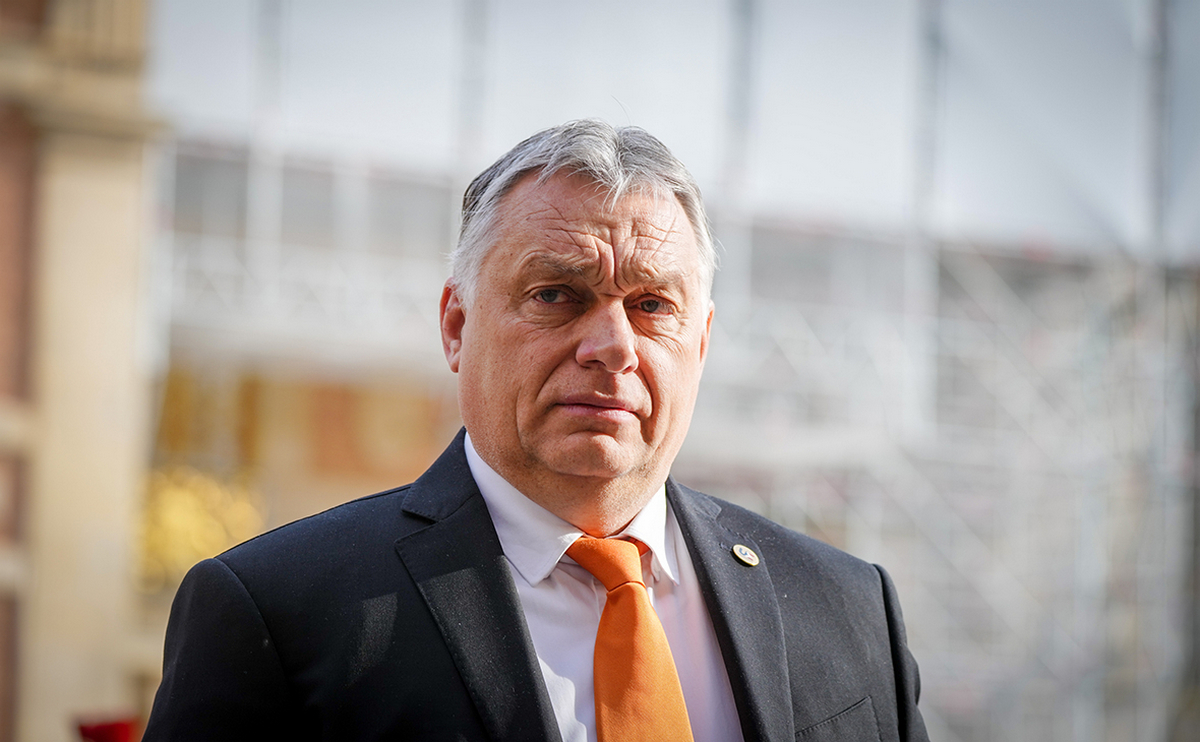
Hungarian Prime Minister Viktor Orbán called on the European Commission to stop providing financial aid to Ukraine and also refused to call Russian President Vladimir Putin a war criminal.
Orban also calls Ukraine a “no man’s land“, a “financially non-existent state” and believes that Ukraine will not be able to defeat Russia.
The politician is also known for wearing a scarf with a map of Hungary, which includes parts of the territories of neighboring countries — Romania and Ukraine.
Hungary has not officially recognized the annexation of the peninsula by Russia in 2014, and the country’s government recently published a video showing the territory of Ukraine without the peninsula.
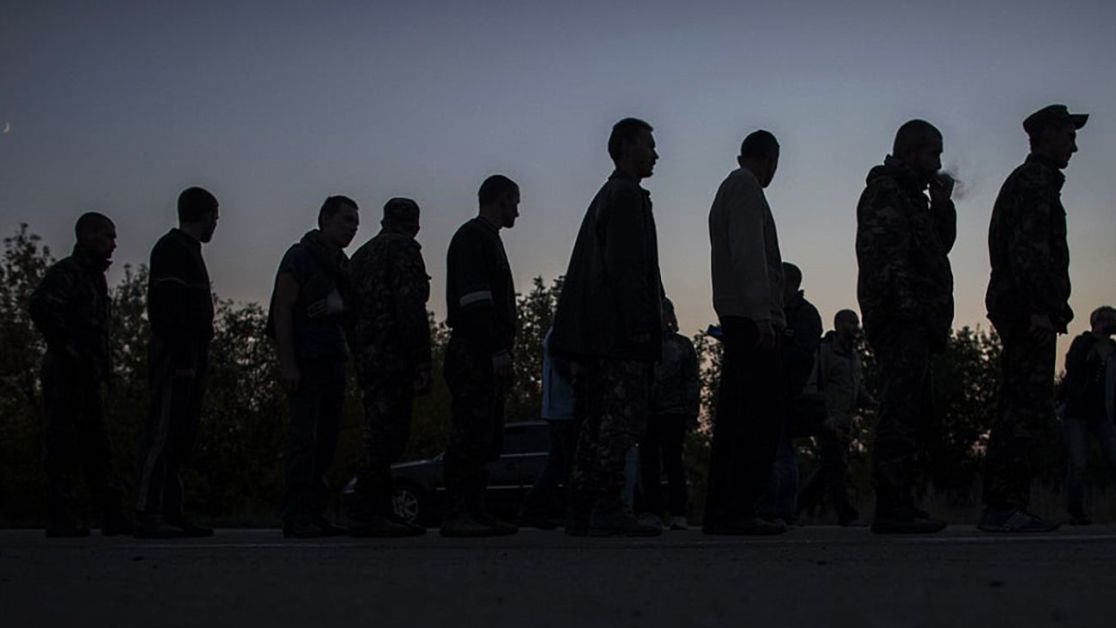
Relations between Kyiv and Budapest became even more strained after Russia handed over 11 captured Ukrainian servicemen to Hungary in June 2023. Three defenders returned to the territory of Ukraine, but Kyiv has no contact with the eight released defenders, and it is still unknown how the release took place.
“Unilateral diplomatic efforts between Hungary and Russia can be perceived as a means of undermining the EU’s collective efforts aimed at pressuring Moscow to stop invading its neighbor (Ukraine, — ed.),” Euronews journalists write.
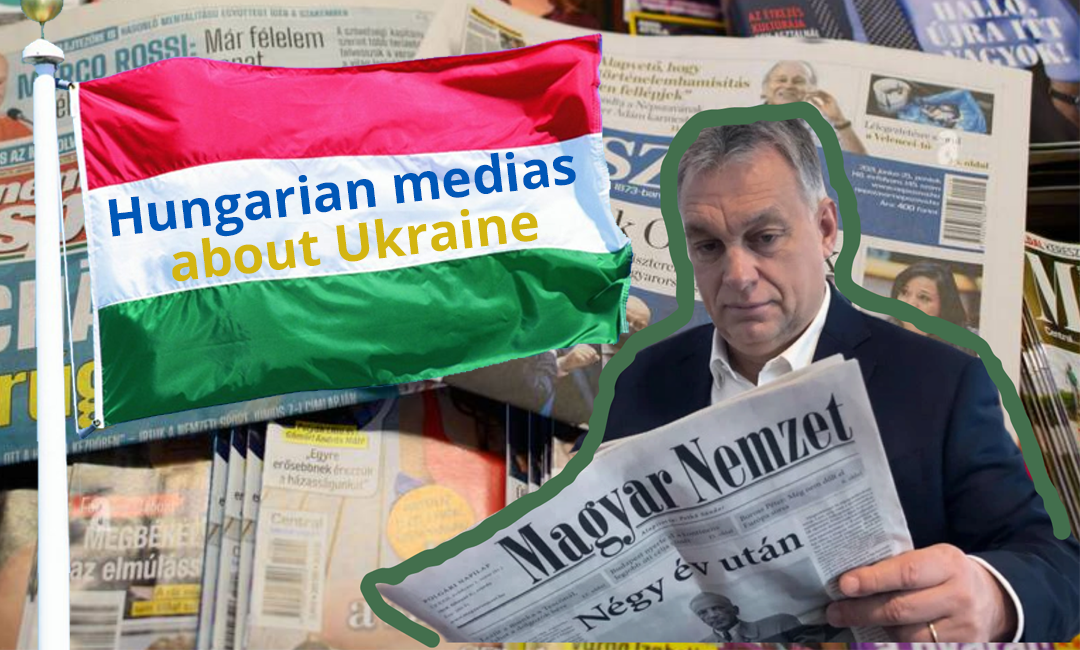
What do Hungarian journalists tell their population about Ukraine and Russia’s war of aggression?
The Ukrainian Review analyzed some Hungarian media.
Magyar Nemzet is one of the main Hungarian newspapers. Journalists of the newspaper accuse the Ukrainian authorities of concealing the true number of dead Ukrainian soldiers:
“In Ukraine, war losses are considered a strict state secret, official information about them is rarely made public. Anyone who violates the rule in any way, even by posting or commenting on social media, can expect to be jailed.”
Regarding Ukraine’s accession to NATO, Magyar Nemzet journalists write:
“If Moscow learns that a ceasefire or a peace agreement will lead to Ukraine joining NATO, it will have no intention of ending the war.”
The supply of arms to Kyiv is also accused of escalating the war: “Each supply of weapons prolongs the war and leads to the death of new people.”
Metropol is another Hungarian media that also accuses the Ukrainian authorities of concealing the number of people killed in the war:
“The issue of funerals is considered by President Zelenskyy’s team as the most serious political topic. They even regulate when and how quickly relatives are notified of a death, but also carefully allocate the number of funerals allowed per day. Obviously, they are afraid of panic due to the increasingly massive loss of life, the despair of relatives and an even sharper deterioration of the mood among civilians and soldiers.”
Metropol also accuses Kyiv of violent mobilization:
“Over the past few days, hundreds of Ukrainian soldiers and policemen have taken Transcarpathia by surprise. They transcribe and hand out summonses: on the street, in the market, on the bus, in kindergartens, in stores. They are already entering houses.”
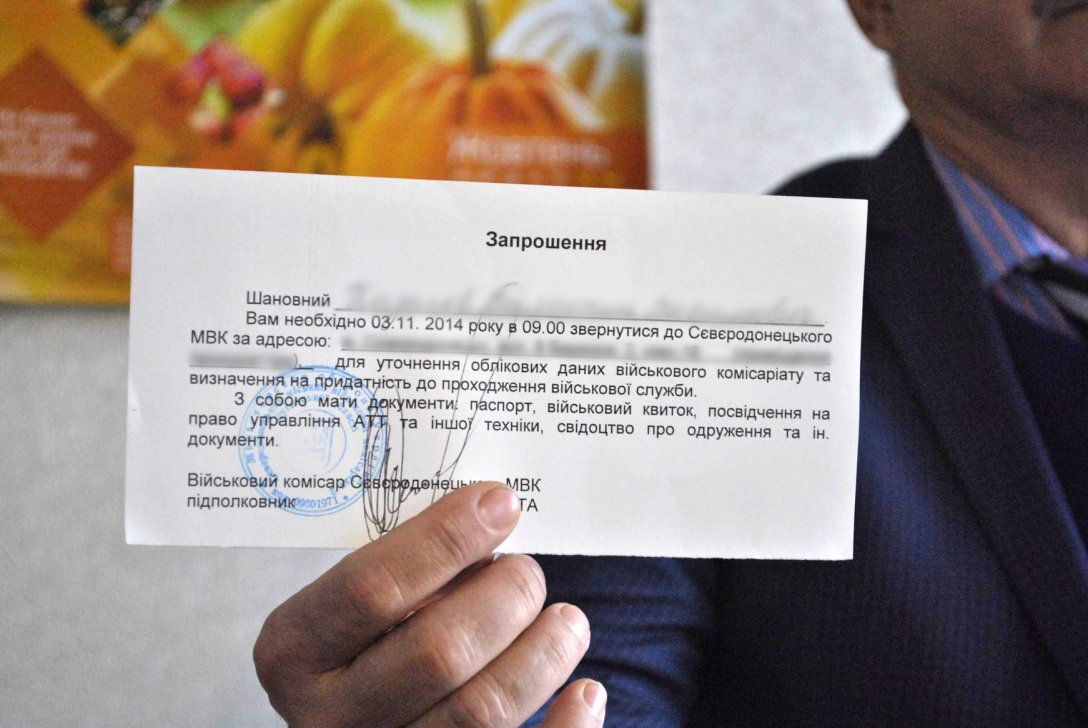
“Judging by the stories I heard before, until now they (military and policemen, – ed.) were invisible, but now they behave really rudely. More and more videos of people being forcibly dragged out of their homes onto the streets are appearing on social networks. They also made public a recording on which a man is forced to sign that he is going to military service voluntarily.”
Journalists report that they put even 16-year-olds on the military register. The conclusion of the article states that such actions lead to the fact that “soon there will be no Hungarians left in Zakarpattia because they will flee (from mobilization, — ed.)”.
The media quotes the Prime Minister of the country, Viktor Orbán, as saying that “this is a senseless and unnecessary war caused by the expansion of NATO.”
For long-term peace, Ukraine must declare neutrality, and NATO must strictly limit Ukraine’s armaments, and Ukraine can join the EU only as a neutral country.
Let’s analyze the main theses that we found in the mass media of Hungary.
“Hiding the death toll”
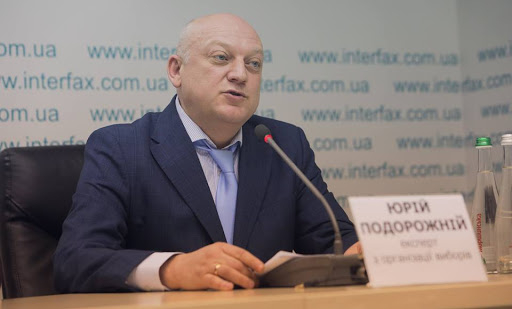
For a comment on this thesis, we turned Yury Podorozhny, an expert of the United Center for Political Forecasting:
“The hybrid war in Ukraine, which was started by the Russian Federation as an invader, has many new features that were not previously inherent in wars of this scale. In this context, we have to understand that “combat actions” take place on three equal fields — actually on the front, on the information field, and in the economic and sanctions sphere. And not infrequently, it is even difficult to determine which field is a higher priority. Ukraine, which has actually been at war with the Russian Federation since 2014, has experienced a catastrophic defeat since the beginning of the war, namely the capture and annexation of the Autonomous Republic of Crimea. It was then that we experienced a defeat not even in connection with the loss of territory, but, first of all, with the consequences of the discrediting campaign launched by the Russian Federation against Ukraine. And although everything was clear to everyone in the know, in the information field in the world, the Russian Federation had a clear motivation, why exactly it annexed the Autonomous Republic of Crimea. Instead, Ukraine was unable to “break through” the information field with an adequate position, and what’s more, we made excuses for why Ukrainians seek to return their own territories.
The example of Crimea is very revealing. And that is why, with the beginning of full-scale aggression in February 2022, Ukraine, as one of the priorities, has determined the conduct of a pro-Ukrainian information campaign both inside the country and outside its borders.
In this context, not reporting losses at the front is an element of hybrid warfare on several levels.
First, Ukraine, as a country faced with a full-scale war, introduced martial law and limited the activities of the mass media, taking them under the control of the state. This is a classic step that is taken by all states at war, regardless of the political regime. And accordingly, what the mass media report about the war must be coordinated with the state. This is done for reasons of security and the possibility of mobilizing society’s efforts to win the war. In fact, with this step, the state curtails the enemy’s ability to influence the opinions of citizens, planting the necessary RF messages, which it has traditionally and successfully broadcast to Ukrainian society.
Cutting off the Russian Federation and its collaborators from the possibility of controlling the mass media not only complicates the enemy’s maneuvers, both at the front and in the rear, but also makes the war many times more expensive for the enemy.
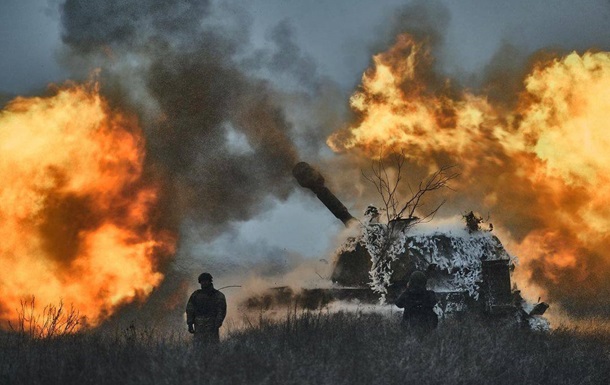
Secondly, talking about one’s own losses at the front means creating a negative background for the Armed Forces and spreading panic among the population, complicating the activities of the country’s military leadership, as well as political and economic actions for the authorities. It is clear that war is stressful. Therefore, the decision not to report one’s losses is one of the elements of preserving the peace of society and protecting it from collective neurosis and panic.
And thirdly, most importantly, from a purely military point of view, information about losses in manpower and equipment is an aid to the enemy in the planning and strategy of waging war. If such data were disclosed and the enemy knew about our losses in specific areas of the front or units, it would significantly reduce the efforts of the Russian Federation during the aggression.
In this context, the aggressor country is trying by all possible means to turn the usual practice of not reporting its losses into an excuse to destabilize Ukrainian society.
That is why Hungary, which is a “bought” ally of the Russian Federation, participates in a special information and propaganda operation in favor of the enemy. Promoting the topic of Ukraine’s losses at the front is not an isolated incident on the part of Hungary towards Ukraine, but a complex interaction with the Russian Federation, where this topic is only an element of Budapest’s hybrid participation in the war, as a key flank of the Russian information front in the EU. What is the exchange of prisoners of war worth without the participation of Ukraine? No Allied country in the war allowed this, if only because it was legally prohibited.
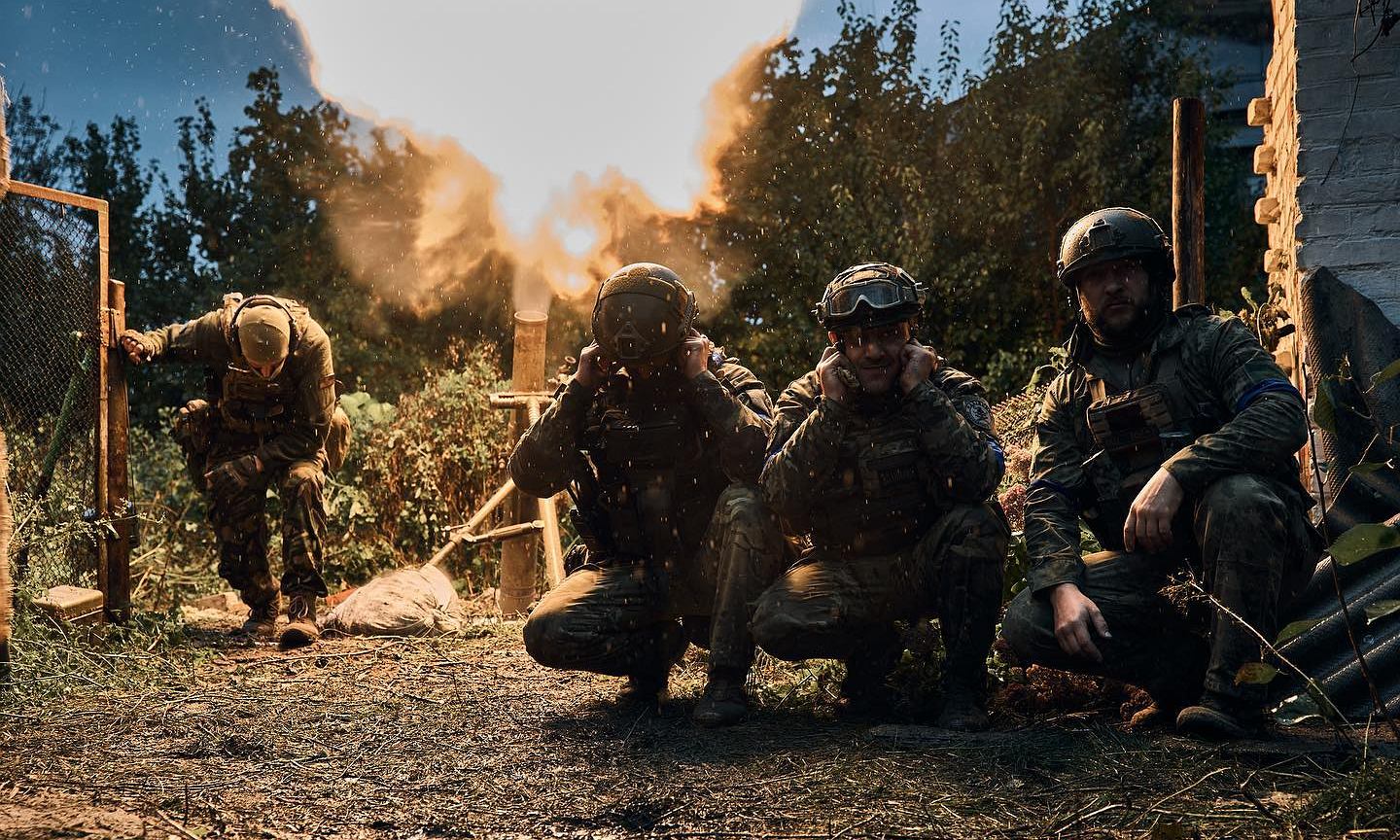
Ukraine’s accusation from Hungary that the authorities in Ukraine control messages about the death of Ukrainian soldiers in social networks, and those who violate this ban face criminal responsibility, is a fake. After all, the state “forbade” itself to report losses, not citizens. In social networks and in the media, we often see obituaries about fallen soldiers or reports of losses on the battlefield. The main condition is that these messages do not have a systemic nature and do not help the enemy to obtain information, which facilitates and cheapens the intelligence work of the Russian Armed Forces.
There is no restriction on the dissemination of information by relatives or friends about the death of a Ukrainian serviceman. On the contrary, local self-government bodies facilitate the organization of public commemorations of the fallen heroes, which are covered by both local and all-Ukrainian mass media. There is no court case in Ukraine related to the dissemination of information about the death of soldiers or losses at the front.
The news that the Office of the President regulates when and with what speed to notify the relatives of fallen servicemen looks no less fake, because this is a political topic. How and when to report the death of relatives is exclusively handled by military units, which hand over the bodies of the dead and prepare documents about the loss. This work in the army is established and does not cause complaints.
The statement about regulating the number of funerals per day is fake. The date and time of the burial is determined exclusively by the families of the fallen heroes.
Of course, these fake statements of the Hungarian media work both to justify Viktor Orbán’s position regarding the war in Ukraine in the middle of Hungary, and with the aim of destabilizing the situation in Ukraine. And, of course, this is a serious help to Russian propagandists, who, referring to such “journalistic” materials, can claim that the issue of the number of Ukrainians killed in the war is being discussed even in the EU, which is an ally of Ukraine.”
“Violent mobilization is taking place in Ukraine”
On February 24, 2022, in connection with the military aggression of the Russian Federation against Ukraine and in order to ensure the defense of the state, Law of Ukraine No. 2105-IX approved Decree of the President of Ukraine No. 69 of February 24, 2022 “On General Mobilization”.
The topic of mobilization has become one of the most common among disinformation campaigns aimed at discrediting the Ukrainian government and shaking the mood of Ukrainian society and its Western partners.
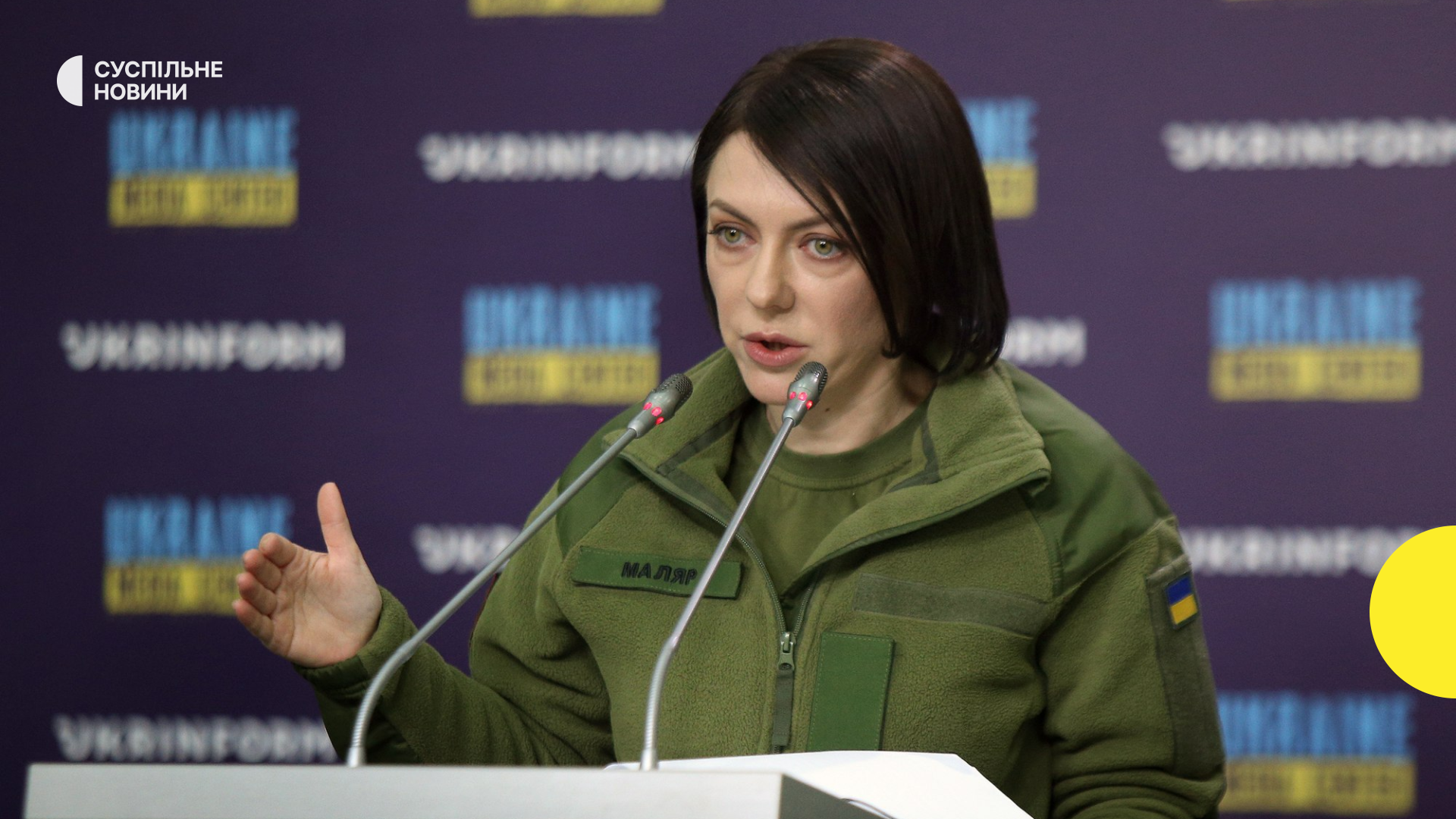
Deputy Minister of Defense of Ukraine Hanna Maliar reported that the Russian Federation spreads a lot of fake information in order to disrupt the mobilization process:
“They (the Russians — ed.) have two goals today: they want to deprive us of Western aid. This is their greatest fear that the West will give us everything they promised – weapons. Second: they want to disrupt and spoil our mobilization, because the weapons are used by people. And what they are most afraid of is our soldiers and the weapons that they will give us.”
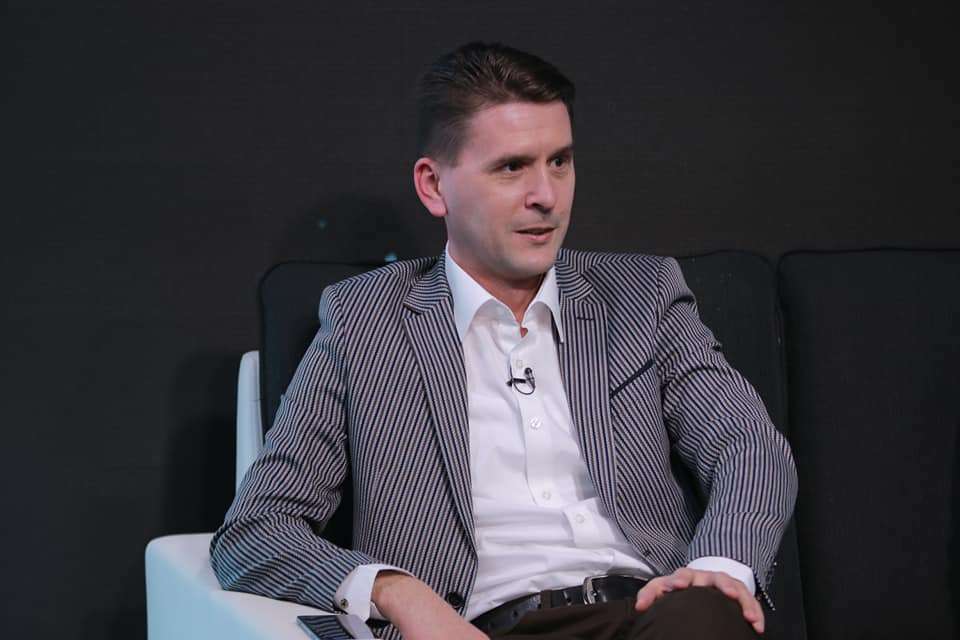
Source: https://www.facebook.com/
We asked Oleksandr Kovalenko, a military expert, about how mobilization takes place and the facts of forced mobilization:
“First of all, now we are in a state of martial law. That is, checking the entire male population is completely legal. Just because you’re served with a summons doesn’t mean you have to run in panic or hide in the woods. Why? Because this is a check of where you live, that is, a check of your residence permit. And checking when you were last checked at the Military Commissariat. When the full-scale Russian invasion of Ukraine began on February 24, 2022, many people went to the military commissariats to register as volunteers. Many of them were not accepted as volunteers because they did not fit in some parameters, more specifically, they had a specialization that was not needed at that time. Even now, if your specialization is not needed today, no one will mobilize you.
There are very “interesting” situations when people begin to reflect and show aggression when they are trying to be served with a summons. Accordingly, according to wartime, this person can be forced to go to the Military Commissariat and check his data. In general, we now have documents checked on the street: who is this person? Maybe a Russian spy? We don’t know.
Today, the powers of military commissars are indeed much wider than during peacetime. This must be understood.
When the military approaches you, you must react appropriately, not run away to be arrested, taken away for background checks, and make scandals. But our men are starting to panic. Perhaps someone is not ready to fulfill the duty to the country (that is, to defend it), who believes that the war does not concern him. Talks about forced mobilization, about repression – this reminds me very much of 2014, when Russian information and psychological special operations about the fact that “the National Guard is taken from the trams” were spread. It’s something very similar.”
“Russia will not end the war if Ukraine joins NATO after the war”
“It’s actually a bit of a schizophrenic thesis, but I understand where its legs are coming from. Ukraine will join NATO only after the end of the war — this is already a constant. As soon as Ukraine returns all its territories according to the 1991 border and there will be no disputed territories – only after that we will join the North Atlantic Alliance in a quick scenario (such as was in Finland and will also be in Sweden). That is, this thesis does not justify itself, but it is necessary in order to increase the negativity towards the very idea of joining NATO and taking into account the fact that in Hungary now a pro-Russian political force prevails (the government itself: the prime minister, the minister of foreign affairs — they are pocket-sized corruptors who feed from the hands of the terrorist country Russia and is completely dependent on it, having lost its moral principles and face. Therefore, we understand where some of mountain mass media broadcast just such narratives. But it must be understood that if we are talking about these aspects of the influence on political forces and some information resources that are under the control of the Fidesz party (i.e. Viktor Orbán), then the President of Hungary Katalin Novák is entirely and completely pro-Ukrainian. Therefore, if we are talking about Hungary in particular, then it is very important to distinguish between Viktor Orbán, who is pro-Russian, and the president of Hungary, who supports Ukraine, but does not have such full power. because Hungary is not a presidential republic,” commented Oleksandr Kovalenko, a military expert.
“For further peace, Ukraine should be a neutral country”
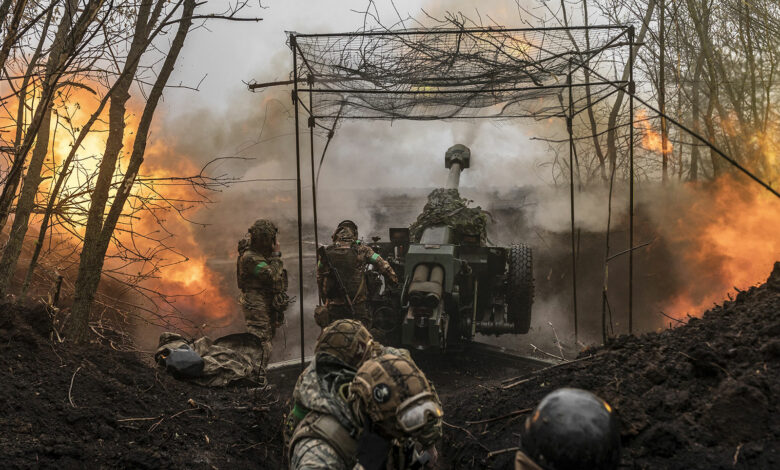
Oleksandr Kovalenko, a military expert, believes: “This thesis follows from the previous one: these are all Russia’s narratives, so that Ukraine should not be a member of the North Atlantic Alliance under any circumstances. That is, everything is interconnected, therefore this rebroadcast is exclusively of a propagandist format, Ukrainian-phobic and pro-Russian. That Ukraine would never be a member of NATO and there would always be a risk that Russia would be able to attack Ukraine again and seize its territories, declare them some kind of people’s republics — it doesn’t matter if it will be some other hybrid scenario, but it is Russia that is trying to preserve its right not to imperial revanchism through the seizure of territories. And in this way, it spreads these narratives so that the consumer of information imagines the future of Ukraine as a country that is neutral. Allegedly, this is the best option in solving the issue of ending the war, establishing peace. But these ideas are integrated into the public opinion not so much of Ukrainians as of our Western partners: as if Ukraine cannot be accepted into NATO, it will be better off on its own. But this is the worst option not so much even for Ukraine (Ukraine has already demonstrated that it can withstand the second army in the world), it is the worst option, after all, more for Europe, because if NATO does not get such an army as the Ukrainian one, then it will be worse for it not to replenish its resources with such a powerful force.
And the second — this suggests that after a certain period of time there will still be a great threat of a recurrence of a major war in Europe precisely on the territory of Ukraine. Therefore, Russia plays with such narratives because of some supposedly “pacifist” “peacemaking” waves there. And we understand why and why they are being spread in Hungary: there is a rather serious informational presence of pro-Russian elements there.”
“The war was caused by the expansion of NATO”
This thesis was repeatedly refuted by The Ukrainian Review. In particular, in this article.
We will remind that NATO members have never made any political or legal commitments not to extend the alliance beyond the borders of a united Germany.
Ukraine also actually refused to join NATO in 2008 (The Ukrainian Review wrote about the reasons and prerequisites for this event).
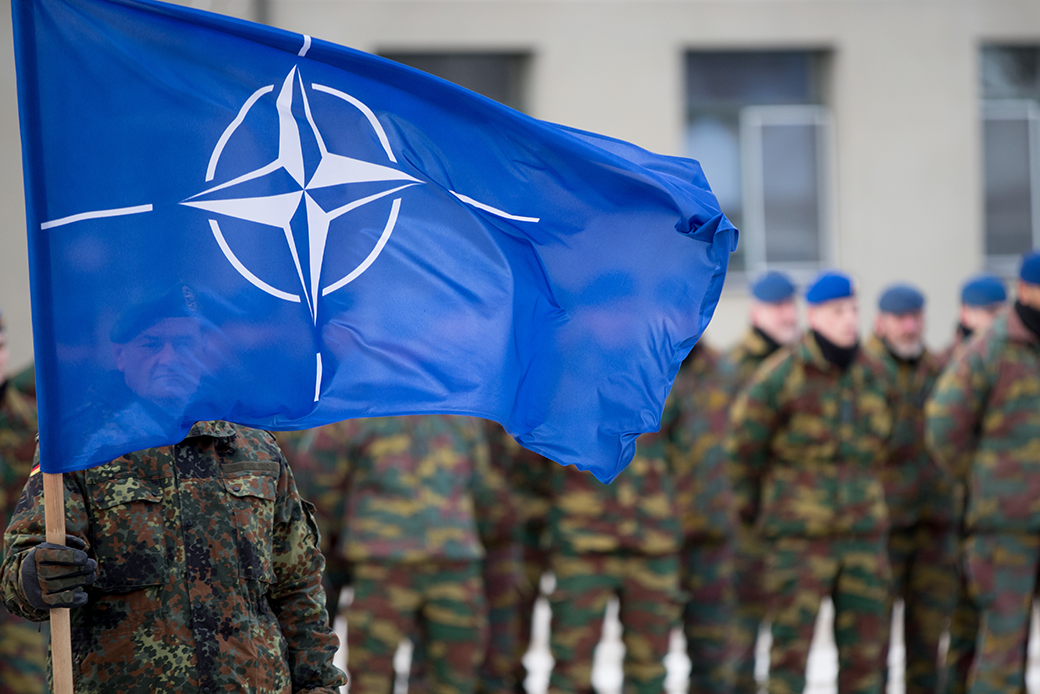
On February 21, 2022, three days before the Russian Federation’s full-scale invasion of Ukraine, DW journalists wrote: “all Ukraine’s efforts to get closer to joining NATO have so far been unsuccessful.”
That is, to talk about the beginning of the war due to the expansion of NATO at the expense of Ukraine is at least incorrect.
The Ukrainian Review also refuted the thesis that the supply of weapons leads to escalation.
How and why did Hungary become an ally of Russia?
“The answer to this question will in many ways answer all the actions of Viktor Orban’s government against Ukraine. Historically, Hungary is an opponent of all state entities on the territory of modern Ukraine. This has been done since the days of Kyivan Rus. However, the most vivid antagonism between Ukraine and Hungary appeared in the 20th century. Especially during the Second World War. Hungary at that time was an ally of Hitler’s Germany. In the period 1941 – 1943, the occupying Hungarian troops operating on the territory of Ukraine surpassed even SS executioners in their cruelty. They were especially distinguished in Chernihiv Oblast. Even in the mid-90s, you could meet people who could not hear the word “Hungarian” without tears and horror. However, Soviet historiography preferred not to research and write about it, and Ukrainian either does not know or does not want to study.
Today’s Russia and Hungary are the ruins of former empires, and the current leaders, Putin and Orban, want to revive them. For this, they need to destroy Ukraine and seize its territories. Already in January of last year, the Hungarian army stood on the border with us, allegedly to prevent unorganized refugees, but in fact to seize Ukrainian Transcarpathia at a convenient moment. Even claims about the alleged oppression of the Russian-speaking and Hungarian-speaking population in Moscow and Budapest are written according to very similar schemes.
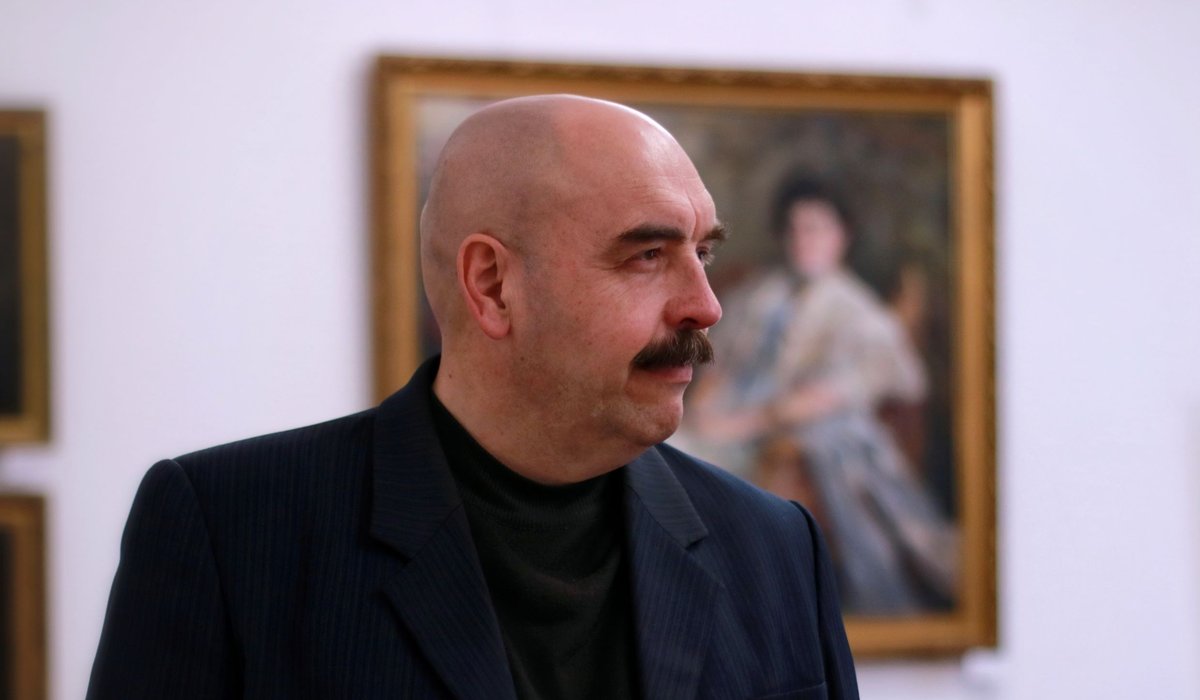
Another reason for the friendship between the current leaders of the Russian Federation and Hungary is economic. Some need markets for the sale of energy carriers, while others need energy carriers at a cheaper price. Another area of cooperation is nuclear energy. Agricultural production also joins here, because Russia does not try, but the quality of processing is mostly low. On the other hand, it is at a very high level in Hungary.
When you add the possibility of the existence of kompromat on Viktor Orbán somewhere in the bowels of the FSB, the loyalty of the Hungarian prime minister becomes even more clear and obvious”, – explains Yevhen Savisko, political expert, resident of the “Cabinet of Experts” of the movement “Vsi Razom!“.
The Hungarian government is openly pro-Russian. As a result, Russian fakes, narratives and propaganda seep into the minds of Hungarians through the media.
Anya Ostymchuk