

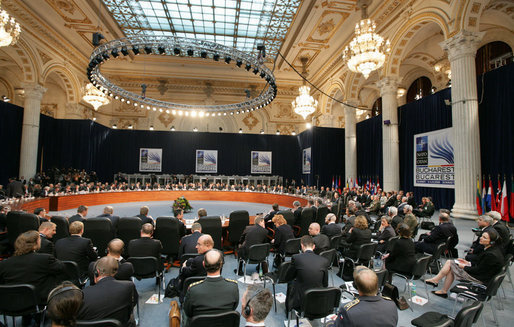
The Bucharest NATO summit in April 2008 became one of the biggest challenges for Ukraine: it was then that Kyiv first tried to take a step towards membership in one of the most powerful defense alliances.
As a result of the summit, the Accession Protocol was signed with Albania and Croatia, and the decision regarding Ukraine and Georgia was postponed until December 2008. However, the countries did not receive new concrete steps regarding accession in December either. Countries that eventually became victims of Russian aggression and occupation.
We spoke with Oleksandr Kalinichenko, an international lawyer, and head of the “Atlantist`s Notes” [project about NATO, European security and Ukraine’s foreign policy — ed.], about why Ukraine did not receive NATO membership in 2008 and what consequences it caused.
– Why was Ukraine not allowed to join the Alliance at the Bucharest NATO summit in 2008?
In April 2008, the fateful NATO summit for Eastern Europe took place in Bucharest. There were ambitious expectations for the expansion of the Alliance at the expense of Albania, Macedonia, Croatia, Ukraine, and Georgia.
As you know, following the results of the 2008 Bucharest NATO summit, under pressure from Vladimir Putin, who was supported by the leaders of Germany and France at the time, the Alliance rejected Kyiv and Tbilisi’s application for a Membership Action Plan (MAP). On the other hand, NATO emphasized that the final decisions on accession should be left to Ukraine and Georgia themselves, referring to the “open door” policy in the final decision of the Bucharest Summit, leaving the two countries without the MAP as the only effective tool for gaining membership in the defense union.
The North Atlantic Alliance succumbed to Russian pressure. In 2008, information was heard on the sidelines of the summit about a possible “Russian démarche”, when President Putin would refuse to attend the meeting of the Russia-NATO Council if Ukraine and Georgia were offered a MAP.
15 years ago, for the first time, a state that was not a member of NATO was able to obtain a de facto right of veto on the expansion of the Alliance.
The payoff for this “half-hearted” decision came in the same years of 2008 and 2014 when Russia grossly violated the sovereignty of Georgia and Ukraine by occupying their territory.
– What countries support Ukraine’s accession to NATO?
On the eve of the Alliance summit in Bucharest, which was to be held in April 2008, most of the new Eastern European members of the Alliance, the USA, and Canada, spoke in support of providing a clear prospect of NATO membership for Ukraine and Georgia. On the other hand, some Western European countries looked skeptically at the prospect of Ukraine’s membership in NATO.
– What was the reason for the fear of the Russian Federation?
Russia and its agents of influence did everything to prevent the Alliance from taking effective steps toward this expansion, at least in the two ex-Soviet states (Ukraine and Georgia).
The sensation of the summit was the speech of the President of the Russian Federation at a closed meeting of the Russia-NATO Council, during which Vladimir Putin informed his colleagues that Moscow perceives the approach of NATO to the Russian borders as a real threat to the interests of the state, and promised “adequate measures”.
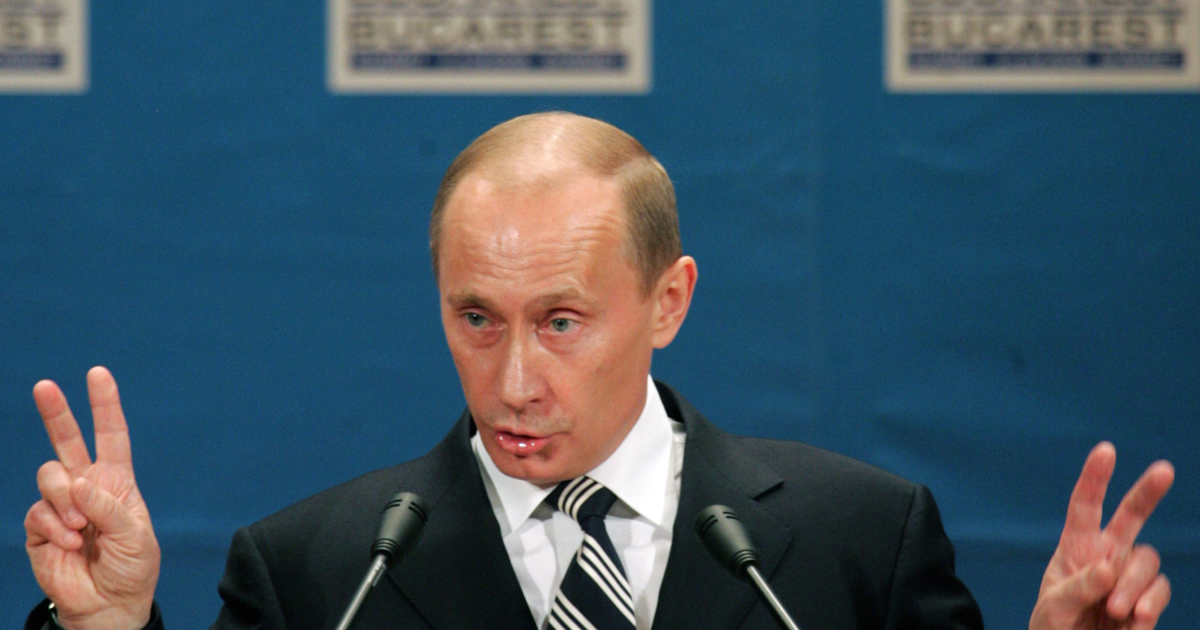
Addressing the US president, Putin said: “You do understand, George [W. Bush — ed.], that Ukraine is not even a state! What is Ukraine? Part of its territory is Eastern Europe and part, and a significant one, is a gift from us!”. The president of the Russian Federation very transparently hinted to everyone present that if Ukraine is admitted to NATO, this state will simply cease to exist.
The US position — that Ukraine and Georgia should be welcomed into the Membership Action Plan, which prepares the countries for NATO membership — directly contradicted the positions of the German and French governments. This, according to Western European NATO members, also carried the risk of “frustrating” efforts to force Russia to soften its opposition to the deployment of missile defenses in Eastern Europe.
Germany and France, in turn, have said that since neither Ukraine nor Georgia is stable enough to join the MAP now, it would be an unnecessary insult to Russia, which strongly opposes the move.
Condoleezza Rice, the US secretary of state at the time, said Putin wanted to use Ukraine, Belarus and Georgia to restore Russia’s global power, and that extending NATO membership could be the last chance to stop him.
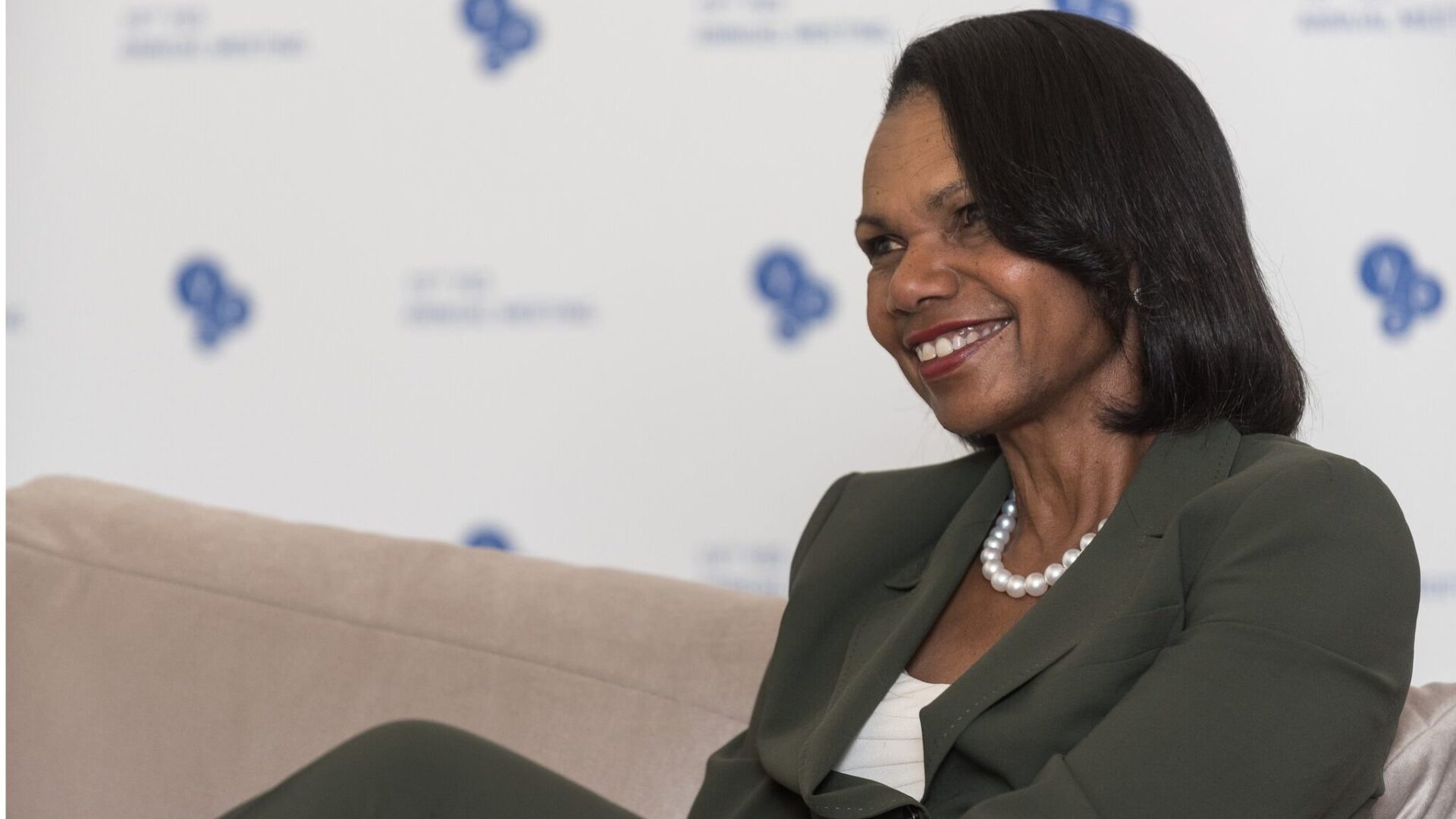
German and French officials were skeptical, believing that Russia’s economy was too weak and dependent on Western technology to become a serious security threat in Europe again.
Fedor Lukyanov, editor-in-chief of the magazine “Russia in Global Politics”, noted during the Bucharest NATO summit: “As far as I understand Russia’s position, it will try to determine the price that Ukraine and NATO will have to pay for Ukraine’s future accession. For Ukraine, it could be the introduction of a visa regime, and for NATO, it could be Russia’s withdrawal from the Russia-NATO Council or even denouncing the basic act with the alliance, which was signed in 1997.”
– What were the consequences of the Summit?
It was the Russian factor that had a decisive influence on the final decision of the Bucharest Summit on Ukraine’s accession to the MAP. Russia resorted to unprecedented threats and statements bordering on violation of international law.
This historic NATO summit culminated in Russia’s invasion of Georgia in August 2008. After 6 years, Russia occupied Crimea and part of Luhansk and Donetsk regions, defiantly violating the territorial integrity of formally “neutral” Ukraine. Fourteen years after Bucharest, Russia launched a new attack on Ukraine, unleashing a full-scale war in Europe for the first time since 1945.
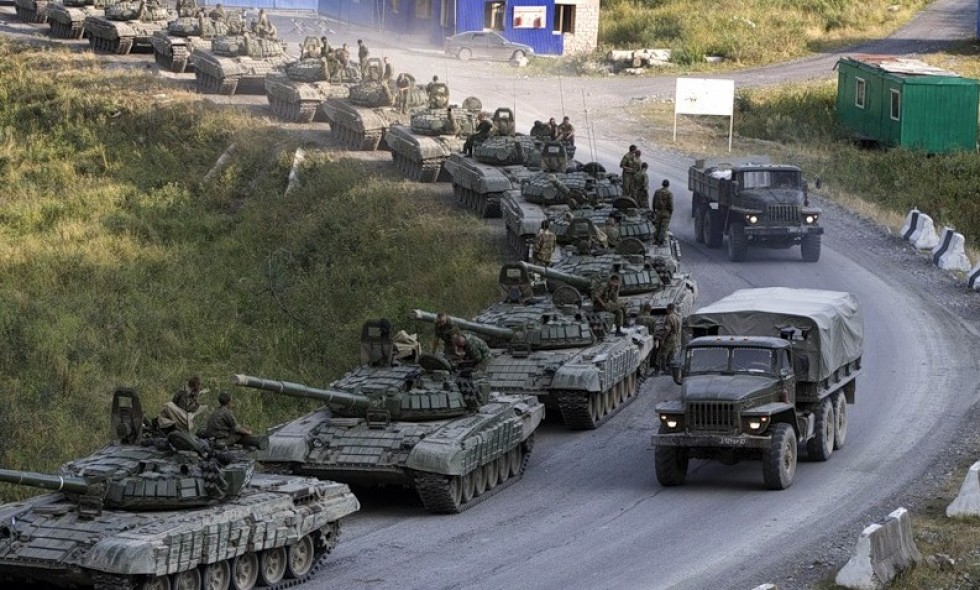
In any case, the “fatal decision” in Bucharest had consequences not only for Georgia and Ukraine. Paradoxically, the four main actors of the Bucharest decision — Germany, the United States, France and Great Britain — are now dealing with the destruction of the entire European security system.
What exactly is it about? In Kyiv, Bucharest’s mistake is primarily seen in the fact that NATO undertook to accept Ukraine, but for 15 years no real steps in this direction took place, which, in the end, made Ukraine extremely vulnerable to the aggression of the Kremlin. In NATO member states, the mistake of Bucharest-2008 is often interpreted in the sense that there was no need to record on paper the obligations that the member states did not intend to fulfill — namely, the wording that “Ukraine will become a member of the Alliance.”
15 years ago, during the Bucharest NATO Summit, it was the United States that was the driver of providing Ukraine with the Membership Action Plan (MAP). However, Washington now takes a hard position regarding the impropriety of Ukraine’s membership in NATO in the foreseeable future, preferring military assistance to Kyiv.
At the same time, in key European countries, the attitude towards Ukraine in NATO has undergone changes under the influence of a full-scale invasion.
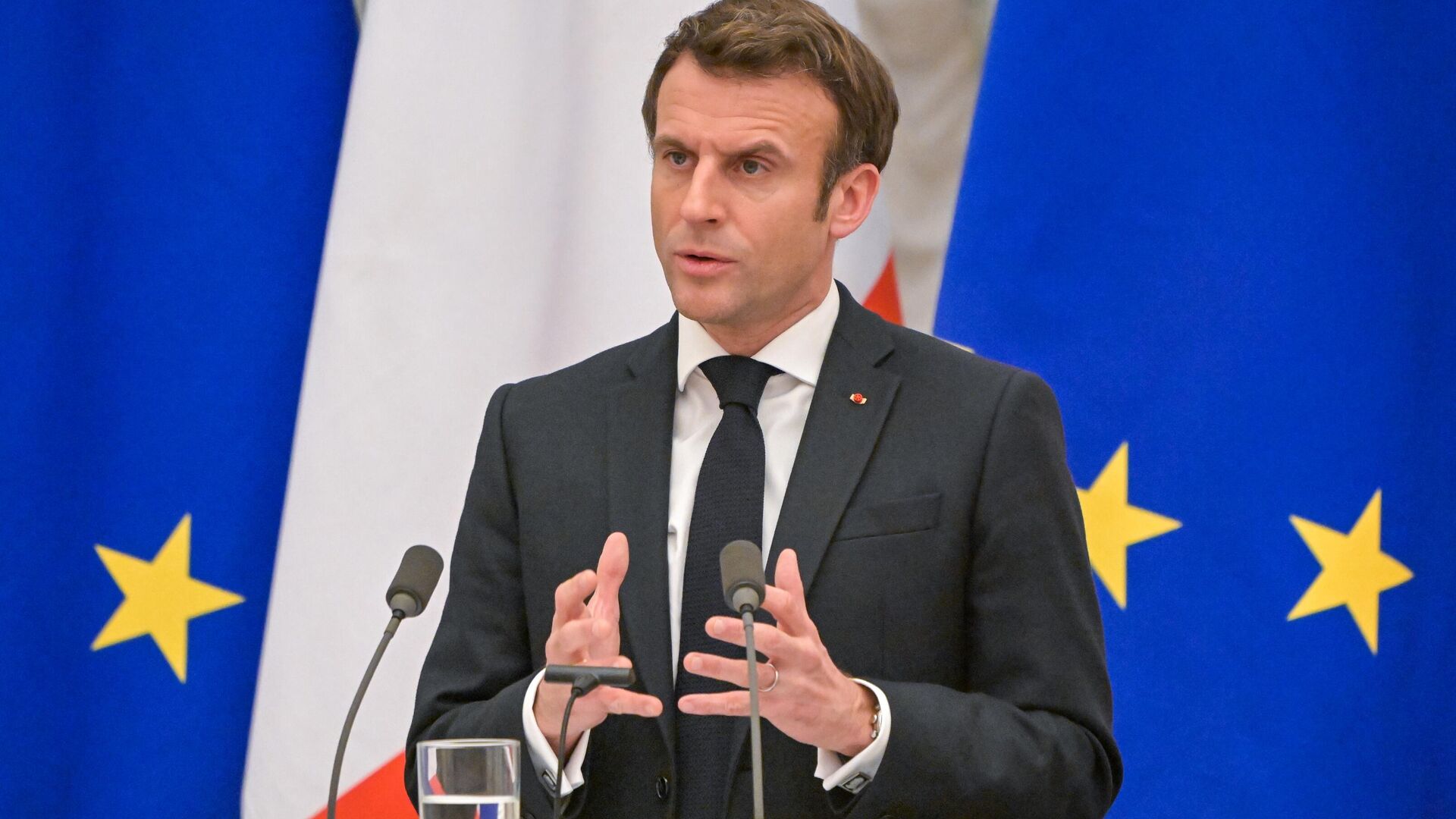
Contrary to stereotypes, France and personally President Macron are now lobbyists for inviting Ukraine to NATO. French politicians and experts admit: if a few years ago we did not support the idea of Ukraine’s membership in NATO, today they see nothing wrong with it. Germany will not oppose Ukraine’s invitation to NATO if it receives the green light from the White House.
However, President Biden’s administration currently remains the main obstacle to breakthrough signals for Ukraine at the NATO summit in Vilnius.
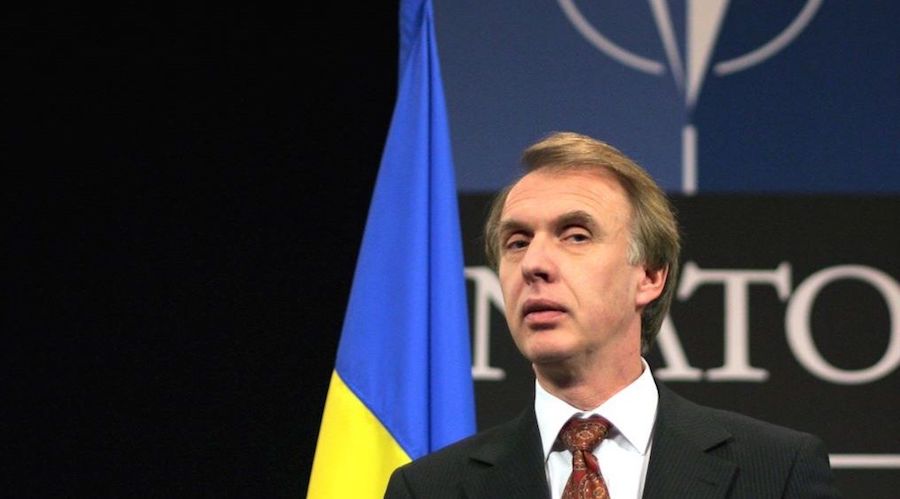
It should be noted that despite Washington’s support for Ukraine’s membership in NATO, the USA did not believe that Russia would be able to start a war against Ukraine. This was reported by Volodymyr Ogryzko, Minister of Foreign Affairs of Ukraine (2007-2009):
“In December 2008, I spoke with Condoleezza Rice, who was then the head of the US State Department, and convinced her to change the US foreign policy towards Russia. I explained that the Russian Federation is preparing to annex Crimea. Then she replied that she could not imagine a situation when the Russian Federation attacks a country like Ukraine. At that time, the USA rejected any of our statements about the threat of a Russian war against Ukraine. There they believed that there were still some remnants of common sense left in Moscow and that they had time to come to their senses.”
So, on July 11-12, 2023, the NATO summit will be held in Vilnius. On June 27, 2023, the international conference “Ukraine and NATO on the eve of the Vilnius Summit: from support through victory to membership” was held in Kyiv.
Deputy Minister of Foreign Affairs of Ukraine Yevhen Perebyinis emphasized:
“The Vilnius summit can be considered a success if the Allies take a decisive step from the vague wording that Ukraine will become a member of NATO to a clear algorithm that will show how and when it will happen.”
We talked with Stanislav Zhelikhovskyi, PhD in Political Science, an international expert, about what prospects and solutions Ukraine should expect from this summit.
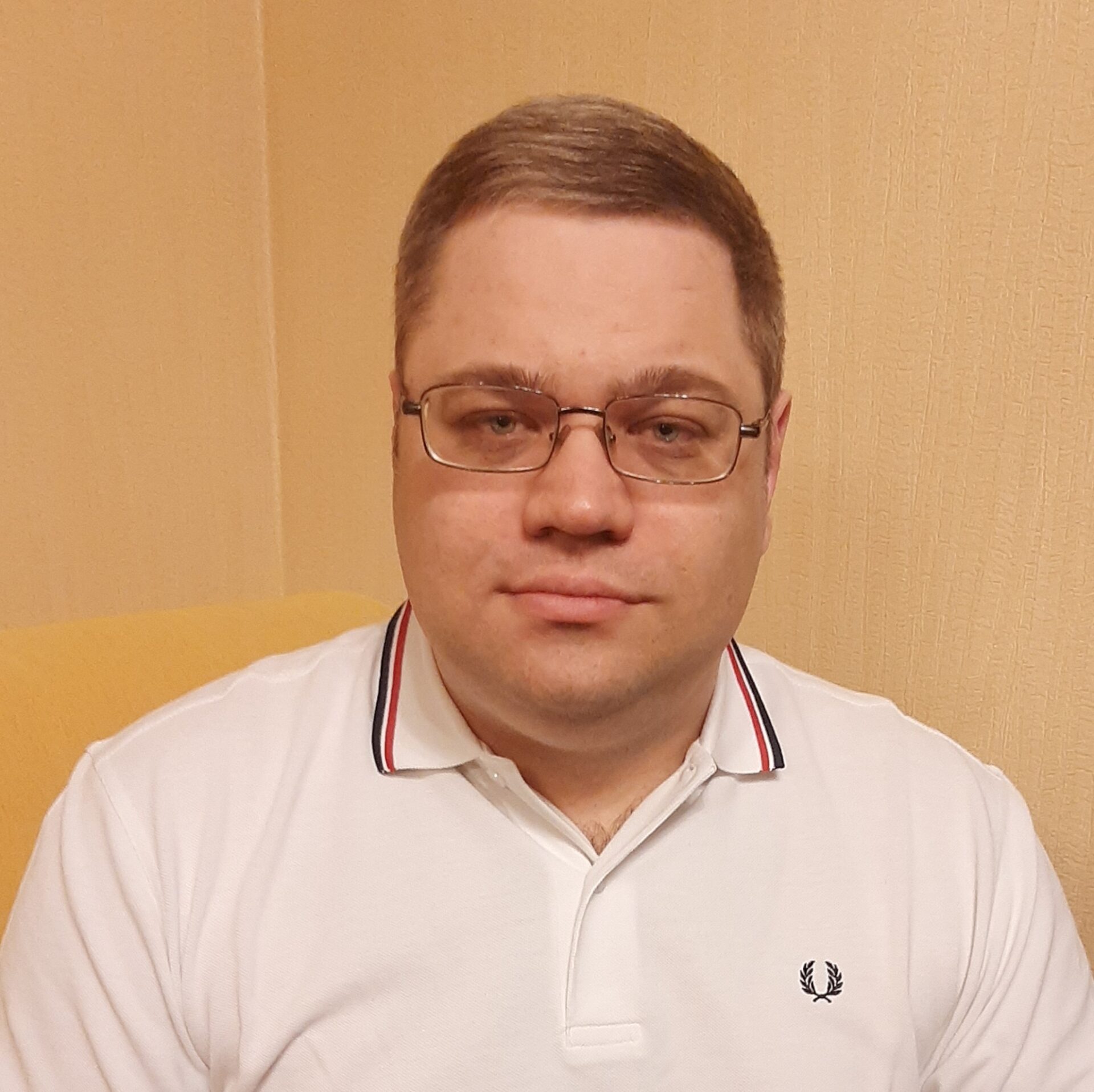
– What makes the NATO summit in Vilnius so important for Ukraine and more?
The NATO summit is one of the most important international events ever organized. This year — in Lithuania. Let me remind you that this is the country of the Lublin Triangle, which also includes Ukraine and Poland. Actually, delegations of about 40 countries — both NATO members and Alliance partners with the most influential world leaders — will come to its capital, Vilnius. In particular, US President Joseph Biden will come.
Obviously, this is a huge responsibility, as well as a sign of trust, which shows that Lithuania is a full member of the Alliance and can be trusted to host events of this scale. It is also very important that such a meeting will take place in our region in the context of the ongoing aggression of the Russian Federation.
Obviously, the summit in Vilnius will be a kind of continuation of the direction that was determined at the summit in Madrid last year (where many important decisions and a number of initiatives were taken, including applications for the admission of two new members, strategic goals and schedules for their implementation were defined, in particular, Russia was identified as the biggest and most immediate threat to NATO), as the war is still ongoing and Russia remains a threat to both Ukraine and NATO member states.
– What decisions should Ukraine expect?
Most likely, they will not speak for Ukraine’s membership in NATO, since the war is still going on. However, the issue will be on the agenda. We could repeatedly hear from high-ranking NATO officials, in particular Secretary General Jen Stoltenberg, as well as from the leaders of advanced member states, in particular from US President Joe Biden, that Ukraine will not receive membership yet, but it will be given a lot of attention.
The Alliance summit is important here, both politically and practically for Ukraine. It should be understood that the main goal of the Vilnius meeting (for Ukraine, — ed.) is to receive a clear message that the door to the most powerful defense alliance in the world is open for Ukraine. But with specific criteria, steps and deadlines.
It is possible that Ukraine will have a simplified action plan for NATO membership. In addition to the so-called “road map” of accession, we can receive security guarantees from one powerful member or several members of the North Atlantic Alliance. These guarantees are necessary for Ukraine to feel safe in the period between the end of the war and the accession to the Alliance. Parallels can be drawn with Sweden and Finland: Great Britain was involved in guaranteeing the security of these states. It is possible that it will become a guarantor of security for Ukraine as well. Together with, for example, the USA, Germany, France and some of the Eastern European partners. Here I would like to single out Poland. I think that this issue is either still being agreed upon, or has already been agreed upon, but not announced.
I would like to note that US Secretary of State Anthony Blinken noted that it is worth expecting that the summit in Vilnius will end with strong packages of political and practical support for Ukraine. He specifically noted this during a press conference with the head of Italian diplomacy, Antonio Tajani, in the middle of this month. Blinken also announced at the time that the summit would send a very strong signal to Putin.
On the other hand, Antonio Tajani, who visited Washington, said that during the summit, steps may be taken in the direction of Ukraine’s integration into NATO in the form of the creation of the Ukraine-NATO Council. It is expected that this format will be created instead of the existing Ukraine-NATO commission. Such a decision will bring us closer politically to the Alliance, as we will be able to make certain decisions together. As Stoltenberg previously explained, there is a significant difference between the commission and the council: the commission is only consultations with partner countries. Instead, the council is a format in which the 32 members of NATO and Ukraine will sit at the table as equals with equal opportunities to consult and make decisions. It is possible that the first such meeting will be at the summit in Vilnius. And, in fact, it will be determined when and how regularly such meetings will take place. This is an important political step on the way to Ukraine’s membership in NATO since our accession will no longer be abstract, but we will become a de facto member of NATO. Of course, there are still no guarantees of security in the context of the Washington Treaty, as hostilities continue. The members of the Alliance fear that this will provoke a war between NATO and Russia. The biggest fear is that the war could turn into a nuclear conflict.
– Will Ukraine join NATO immediately after the end of the war?
Undoubtedly, Ukraine will not join NATO automatically after the end of the war. Even when the war ends, it will be declared, a peace treaty will be signed, perhaps, with the Russian Federation, and all this will be recognized by the entire international community — it is clear that Ukraine will need to do certain “homework”, to reform, in order to finally complete and calibrate its standards to NATO standards. But the most important thing is for the hostilities to end. And that is why it is so important for Ukraine to receive security guarantees from Western partners so that during this period Russia does not carry out a repeated armed attack.
– What are the options for security guarantees for Ukraine?
There is a lot of talk about the Israeli scenario. In my opinion, this option is good in the context of turning us into a kind of “prickly porcupine” (that is, armed, prepared state— ed.), which Russia will no longer be able to “swallow”. However, this scenario is simply about providing Ukraine with access to the latest technologies that would guarantee Ukraine such a defense system that would keep Russia from destructive actions. We can talk here about the Iron Dome, for example.
Tel Aviv is now the largest recipient of US aid since World War II. Relations between Israel and the US are governed by ten-year agreements, and the current one provides for $38 billion in military aid from 2019 to 2028. By the way, if the Israeli model is applied to Ukraine, it is interesting how long the military aid will be given. If it is not 10 years, as in Israel, but, for example, 5 years, then it can be predicted that this is exactly the stage that NATO sees as transitional between the end of the war and joining the Alliance. Also, it is possible that Ukraine will not be helped by the USA, but by another country, or several at the same time.
But I am more impressed by Japan’s security guarantees, which provide for its protection by the United States and the placement of American soldiers on its territory. There are now 55 thousand of them, by the way. These American guarantees include security guarantees for disputed territories, such as the Senkaku Islands, which are the subject of a dispute between Japan and China. This is very important, since we do not know what the situation will be with the territories-claims (by Russia, — ed.) in Ukraine at the end of the war. Here, first of all, I would highlight the Crimean Peninsula. It is possible that Ukraine will already de-occupy it at that time, but it is possible that Russia will continue to have territorial claims to us regarding Crimea. As well as 4 other regions that it illegally annexed. If Moscow does not remove these territories from its Constitution, they will be the subject of a territorial dispute. The Japanese option would be important for us since the US would protect these territories with a nuclear umbrella. This is better than the Israeli scenario. Israel is given no guarantees that the US will enter the war on its side.
However, in the public space, the first option is being pushed more: Ukraine will get access to the latest technologies, intelligence, and large sums of money. Or it is quite possible that this will be our Ukrainian unique case and document.
– What other issues will be raised at the summit in Vilnius?
A lot of attention will be paid, in particular, to our neighbors — the Republic of Poland and the Baltic States. These countries are now worried about the placement of tactical nuclear weapons on the territory of Belarus, as well as the fighters of the PMC “Wagner” and their leader Yevgeny Prigozhin.
The issue of borders will be discussed: recently we have seen an intensification of the transfer of migrants to the borders from the territory of Belarus. We can state that the migration crisis is beginning to intensify again. In addition, Lithuania 2021 became a victim of this migration crisis, which was created by the Lukashenko regime to destabilize the situation in the region. Therefore, considerable attention will be paid to Vilnius, the capital of this state.
Also, many other issues will be raised at the summit, in particular regarding cyber security, environmental crimes (here, I think, the undermining of the Kakhovskaya HPP dam will be discussed), attention will be paid to the issue of nuclear security, in particular nuclear terrorism, which may be committed by the Russian Federation at the Zaporizhzhia nuclear power plant and other nuclear facilities on the territory of Ukraine, which are vulnerable (in particular, to missile attacks).
In general, the summit in Vilnius will be more intense than the one in Madrid, as all the challenges that Russia has made this year will be taken into account. I would also add that there were attacks on the energy infrastructure, the use of Iranian drones. That is, this is not a purely war issue in Ukraine, but an issue of the whole world, since many participants are involved both on the side of Ukraine and on the side of the Russian Federation. A separate case will be devoted to the People’s Republic of China, how to understand its role in the modern international situation. They will also respond to other risks in Europe, in particular to agents of influence on European territory and other possible options for influence exerted by Russia on the territory of Western countries.
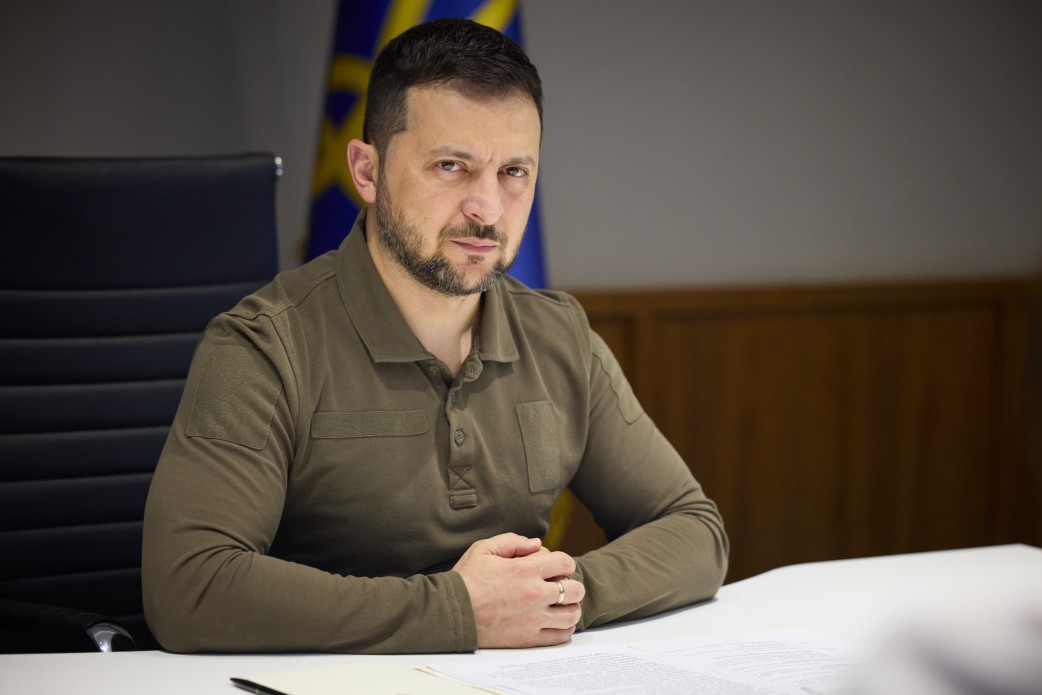
Volodymyr Zelenskyy was invited to the summit in Vilnius, but the deputy head of the Office of the President Ihor Zhovkva said that if there is no result at the summit in Vilnius (regarding the answer to the application for NATO membership submitted by Kyiv on September 30, 2022 — ed.), the President of Ukraine there will be no reason or time to go.
Therefore, from the NATO summit in Vilnius, Ukraine expects a clear answer regarding joining NATO. The Alliance summit may make historic decisions that will have implications for security around the world.
Anya Ostymchuk