

On November 15, 2023, the Centre for Strategic Communication and Information Security presented the study Genocidal Rhetoric of the Russian Regime. War is not only military operations with the use of weapons, it is also information wars, where the weapons are the mass media and accounts on social networks. The new study is designed to highlight the topic of Genocidal Rhetoric of the Russian Regime in the media, texts and social media.
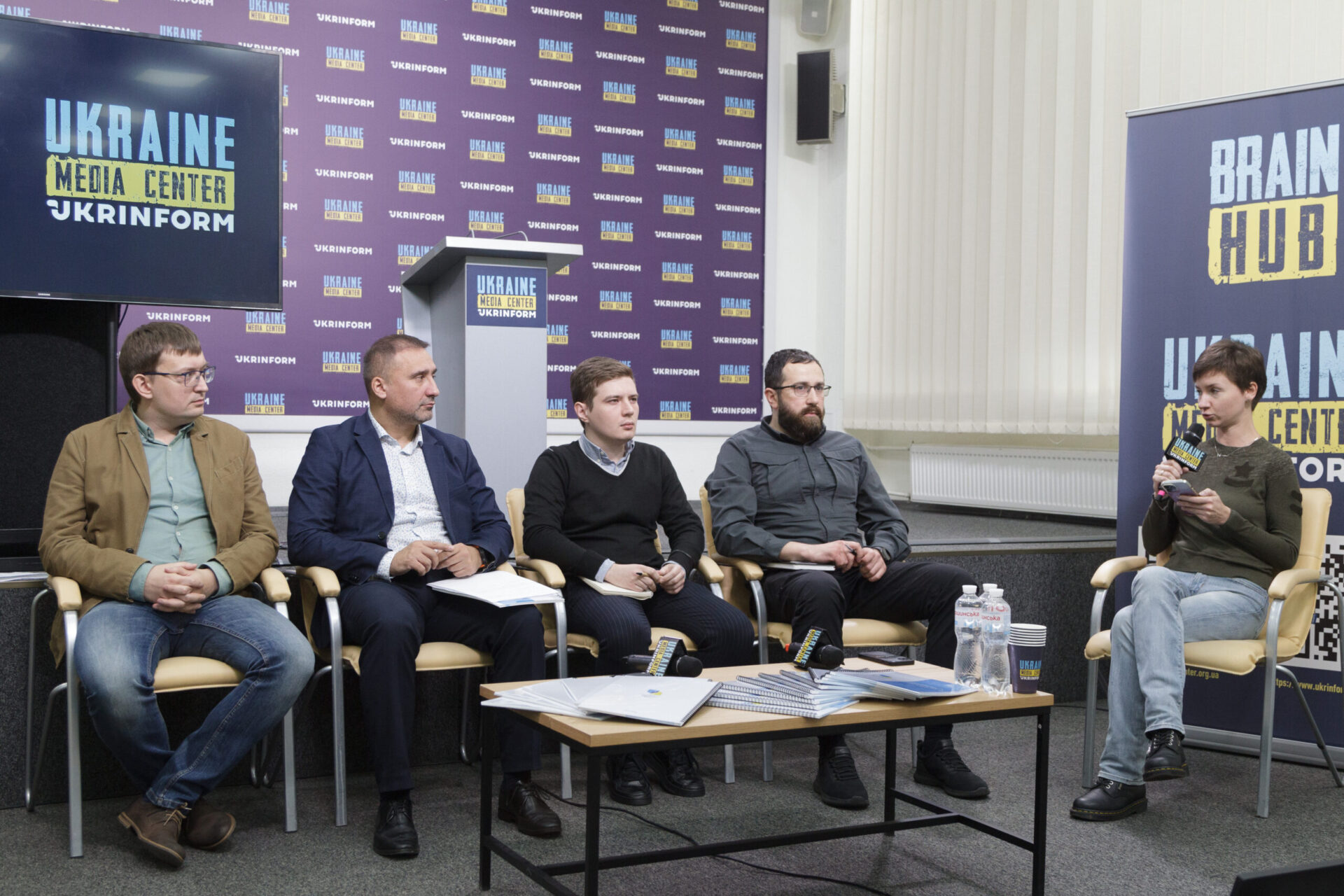
Experts from the Centre for Strategic Communication and Information Security found elements of such rhetoric in the vocabulary of representatives of the Russian authorities and materials, the creation and distribution of which takes place on the order and under the control of the government of Russia:
- in school textbooks;
- in materials spread in official publications of the authorities;
- in publications of federal media that are subordinate to and financed by the russian government.
Ihor Solovei, the head of the Centre, stresses that there are no more media in the classical sense in Russia because the Russian regime consolidated the power, and the media were the first to get under repressions.
“All these media, especially after February 24, [2022], became part of the Russian military machine. Those disloyal to the regime were shut down or labelled a “foreign agent”. Everyone presenting a certain perspective on the events in Russia or on the war is part of this military information machine, a fighter of the information front. They bear the same responsibility as the servicemen of the Russian Armed Forces. The main task is to prove the criminal intent of these propagandists,” — Ihor Solovei.
Serhii Zhukov, the analyst at the Centre, noted that this definition included public calls for the killing of people, their illegal transfer, removal, and physical and mental harm.
“These crimes are already being investigated by our law enforcement officers, the evidence base is being collected. As a source base during the creation of our study, we relied on the legislation of Russia, speeches, articles, and interviews of Putin and people affiliated with him, publications in the official Kremlin media and history books”.
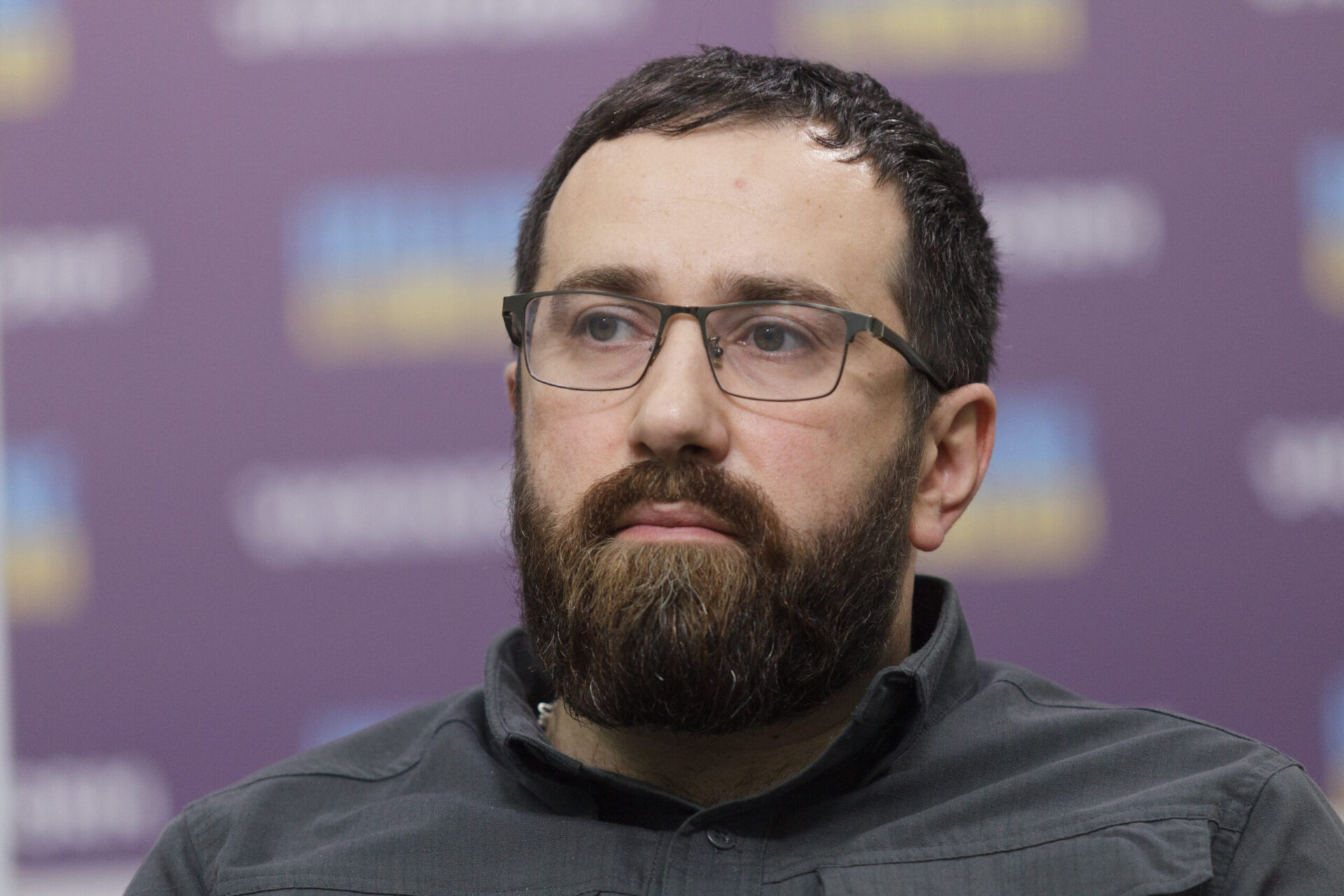
Taras Semkiv, Deputy Head of the War Crimes Department of the Prosecutor General’s Office, emphasized that all the propagandists and those committing crimes should be brought to justice — both at the level of Ukrainian and international legislation.
“Obviously, before the full-scale invasion, the aggressor prepared not only tanks that entered our territory but also places for the detention of Ukrainians, special certificates for persons who opposed the “special military operation”. It is obvious that one of such practices was genocidal rhetoric because, without the support of the Russians, a number of actions might not have found their justification. We will definitely use the analytical document prepared by the Centre in our investigations, and use the points that our colleagues provide us with; these conclusions will be included in the relevant documents, in the conclusions of forensic examinations, which we will try to use in the evidence base when bringing the perpetrators to justice,” — Taras Semkiv.
You can download the full text of the research via the link.
P.S. If you think that Russian propaganda is found only in Russian, authorized and affiliated media, then this is not so. There are a number of studies that show the spread of Russian propaganda. Be vigilant and use only trusted sources of information.