Anti-Ukrainian statements of the new Slovak government: what to expect from the election results
01.11.2023
Share:
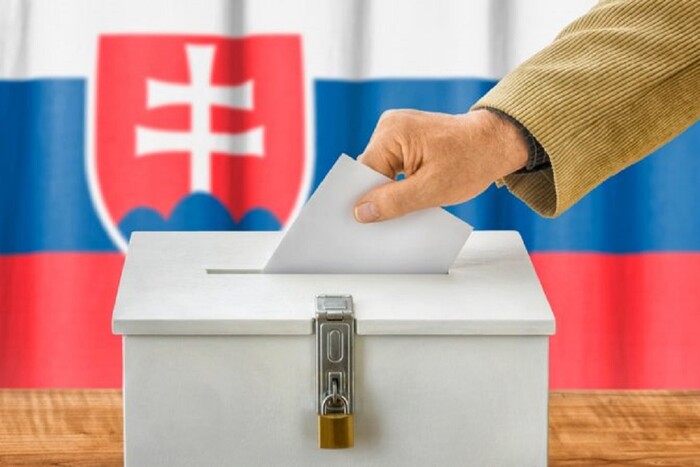
On September 30, 2023, extraordinary parliamentary elections were held in Slovakia. The party of ex-prime minister Robert Fico, SMER-SD, which is known for its pro-Russian views, received the largest number of votes. In particular, he announced the end of support for Ukraine and called for the start of peace negotiations with the Russian Federation. Fico also blamed the start of the war on “Ukrainian Nazis and fascists”, who allegedly provoked Putin to attack Ukraine.
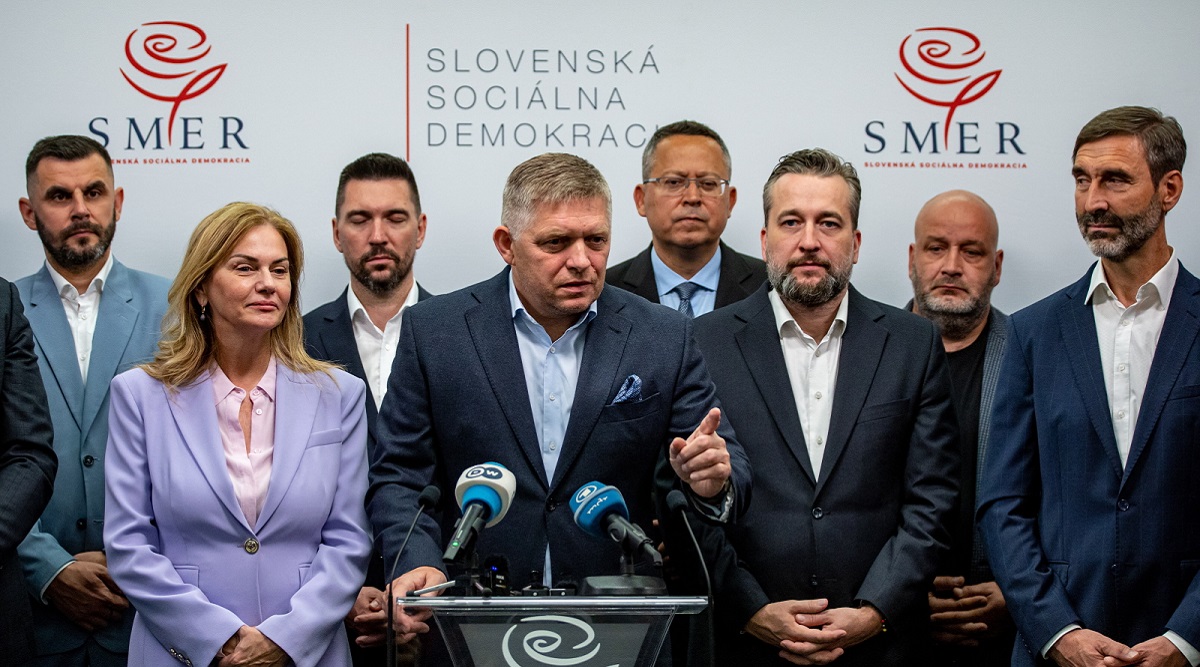
Slovak former Prime Minister and chairman of the SMER-SD party Robert Fico talks to media after Slovakia’s parliamentary elections at party’s headquarters in Bratislava, Slovakia, 01 October 2023. According to official results, Smer-SD party with leader Robert Fico won the parliamentary elections with almost 23 percent. Progresivne Slovensko party (Progressive Slovakia) ended up behind him, with almost 18 percent. EPA/MARTIN DIVISEK
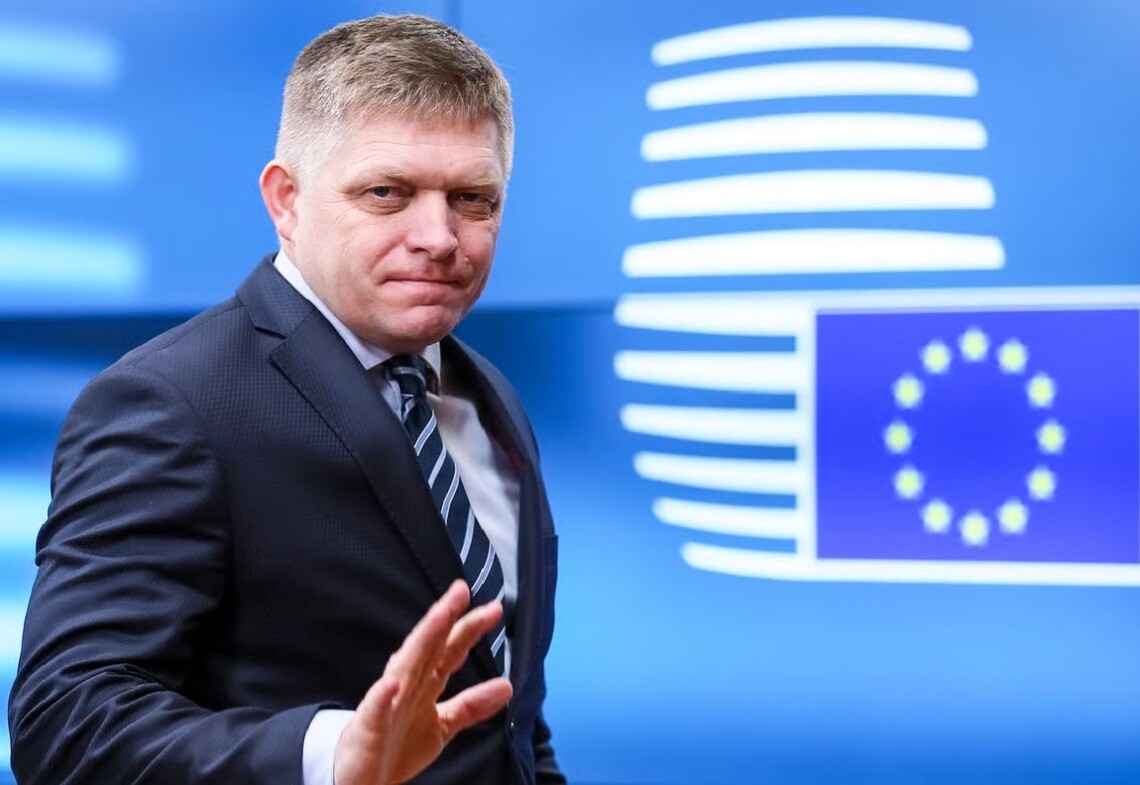
On October 25, 2023, Robert Fico became the new prime minister of Slovakia. He previously stated that he would not change his rhetoric regarding Ukraine and would rather “pay the price” for being excluded from the EU group to which his party belongs.
Robert Fico new prime minister of Slovakia
Fico had anti-Ukrainian statements before. In particular, he said that Ukraine fulfills the Minsk agreements worse than Russia.
What affected the election results?
As reported by the National Institute for Strategic Studies, the results of the elections in Slovakia were influenced by the presence of Russian propaganda in the Slovak information space aimed at:
undermining trust in Western partners;
weakening of social and political support for aid to Ukraine;
preventing new sanctions against the Russian Federation.
All these theses were directly or indirectly spread among the audience of SMER-SD.
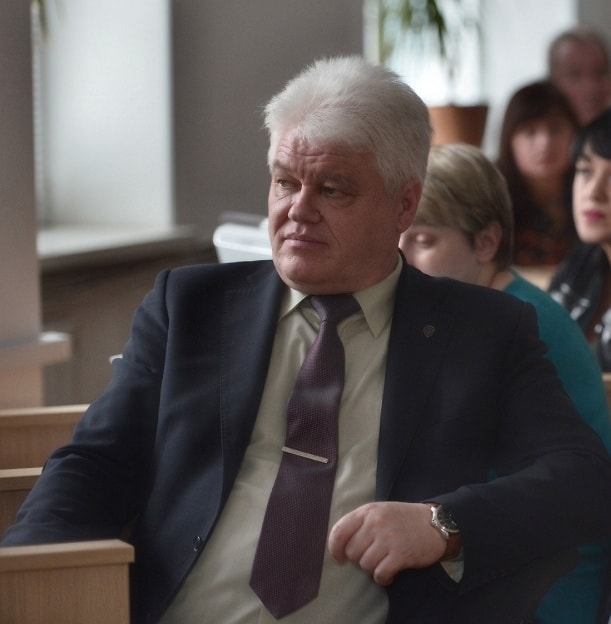
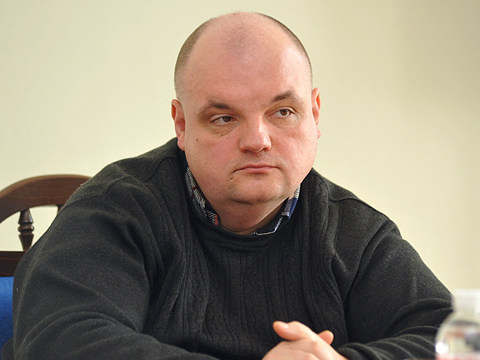
Illya Dovzhenko, first deputy director of the Ukrainian Trade Union Institute
Illya Dovzhenko, first deputy director of the Ukrainian Trade Union Institute, explains how Robert Fico managed to win the parliamentary elections in Slovakia:
“The victory of Fico’s party was influenced by several factors. First, Slovak voters were disappointed in the actions of the government (already the previous one, — ed.), which failed to solve a number of problems, such as rising prices and corruption. Second, Fico was successful in his campaign, focusing on economic issues and promising to restore stability to Slovakia. Thirdly, pro-Russian sentiments in Slovakia remain strong, especially in rural areas.”
Andriy Martynov, senior scientific fellow at the Institute of History of Ukraine
Andriy Martynov, senior scientific fellow at the Institute of History of Ukraine, adds:
“The formation of Fico’s government witnessed a crisis in the liberal and center-right spectrum of Slovak politics. Fico managed to play on the rhetoric of voter fatigue from high inflation, fears of accepting new refugees, and a certain nostalgia for stable times. Another thing is that Fiсo’s government is unlikely to be able to satisfy these aspirations. Therefore, the extraordinary elections held in Slovakia may not be the last.”
How does the victory of SMER-SD threaten Europe and Ukraine in particular?
CNN notes that the victory of SMER-SD will be “a challenge to the unity of Slovakia with the European Union — primarily on the issue of Ukraine.” Robert Fico can also team up with Hungarian Prime Minister Viktor Orbán, who is also known for his pro-Russian views and often blocks aid to Ukraine. Together, they can create problems for the European Union (by blocking EU decisions, — ed.).
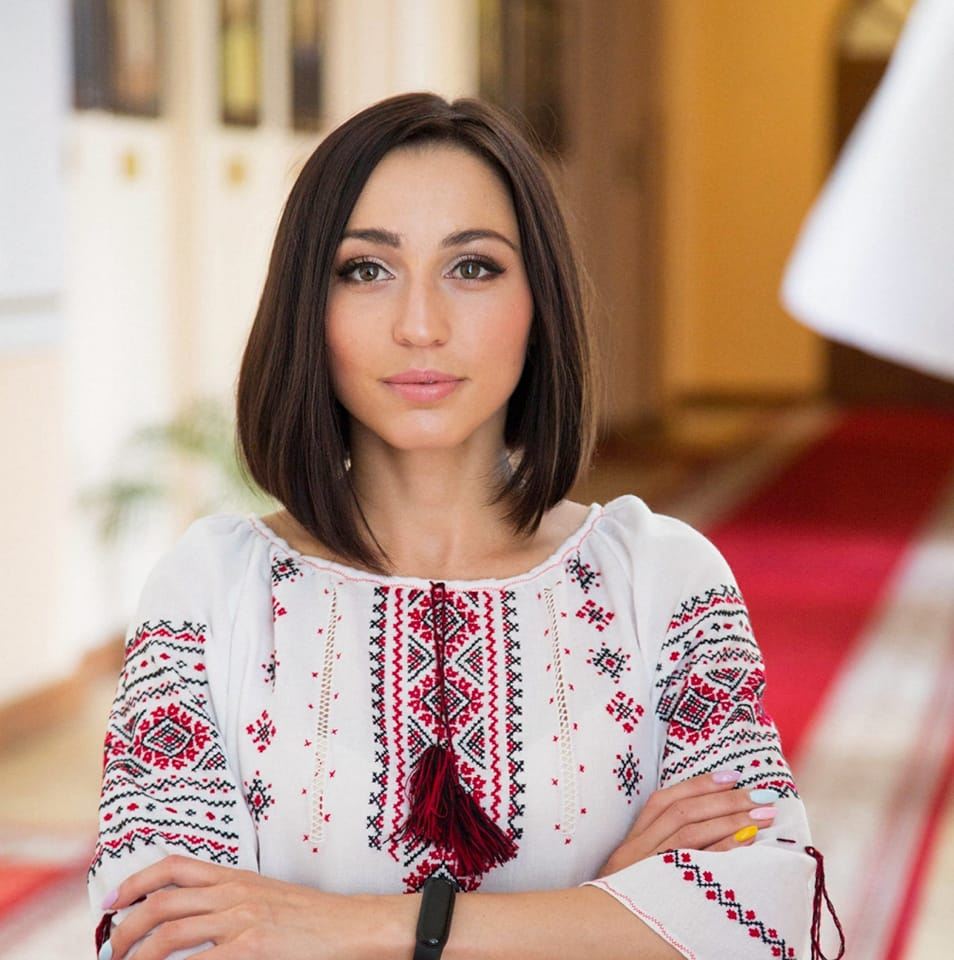
Anastasiya Shtelmashenko, Candidate of Political Sciences of Taras Shevchenko Kyiv National University, political scientist
What Ukraine should expect from the results of the elections in Slovakia is explained by Anastasiya Shtelmashenko, Candidate of Political Sciences of Taras Shevchenko Kyiv National University, political scientist:
“We should expect inhibition by Slovakia (individually or jointly with the Hungarian side) of certain initiatives at the level of European institutions in exchange for economic preferences; the use of individual disagreements with the EU for timely mobilization of the electorate or justifications of socio-economic problems in the state, etc. This will be another test of the strength of the unity of the positions of the European Union against the background of increasing socio-political tension within the European states.
The results of the elections can affect aid to Ukraine, at least indirectly — due to the possible delay of certain decisions at the level of the EU, NATO, and other international organizations regarding Ukraine’s membership in these structures, the development of new sanctions packages against the Russian Federation, the provision of weapons to our state, the use of Slovak territory for its transit, continuation of Ukrainian military training in Slovakia, etc.”
What will be the results of the elections in Slovakia for Ukraine
Illya Dovzhenko comments on the victory of Robert Fico’s party:
“The victory of the pro-Russian SMER-SD party of Robert Fico in the parliamentary elections in Slovakia on September 30, 2023, is a significant geopolitical upheaval. This could have far-reaching consequences for Europe and Ukraine, especially in the context of the Russian-Ukrainian war.
What should Europe and Ukraine expect from the election results?
First of all, we should expect that Slovakia will be more critical of sanctions against Russia and support for Ukraine. Fico has already stated that his government will not increase military aid to Ukraine and will support a diplomatic solution to the conflict. This could lead to a weakening of the EU and NATO in their opposition to Russia.
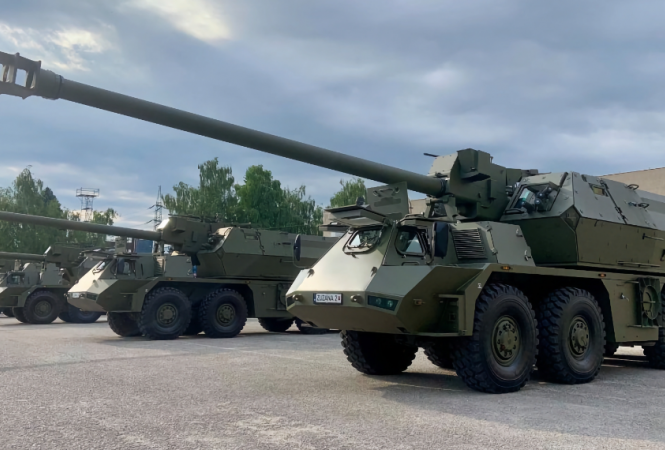
The Slovak government has announced the end of military aid to Ukraine, but private companies will continue to fulfill military orders for Ukraine. The photo shows the 155 mm SpGH Zuzana, which is in service with Ukraine.
Will Slovakia really stop supporting Ukraine?
This question is still open. Fico assures that Slovakia will continue to support Ukraine with humanitarian and financial aid. However, his previous statements and actions indicate that he may make concessions to Russia in order to maintain economic ties. On October 25 of this year, the President of Slovakia, Zuzana Čaputova, approved the new government. It was headed by Robert Fico. In the future, we will see what will come out of this.”
***
Pro-Russian sentiment is increasing among European leaders, which can be very beneficial for the Russian Federation. Because then they inhibit the provision of financial and military aid to Ukraine, which is critical for winning the war against Russia.