

My perspective may not reflect the general opinion, as my expertise lies in foreign and security matters, including a focus on monitoring the level of public support and assistance to Ukraine.
Firstly, it’s important to note that Ukrainians are extremely sensitive to any signals of diminishing support, which they perceive as pressure for a “compromise,” which is just another way to put the subjugation of Ukraine to Russia. In 2014, the Obama Administration failed to deter Russia’s illegal annexation of Crimea and the start of the Russian proxy war in Donbas. Subsequently, figures like Merkel and Holland pushed for the implementation of the Minsk Accords on Ukraine, which was met with opposition from Ukrainian civil society and the expert community. At the time, Ukrainian civil society and expert community were in opposition to the ideas of then president Poroshenko to implement the accords in the Ukrainian Constitution and laws. We blamed him for presenting in these documents the conflict as a civil war and his readiness to damage our Constitution and political system, which would have provided Russia with more leverage over Ukraine.
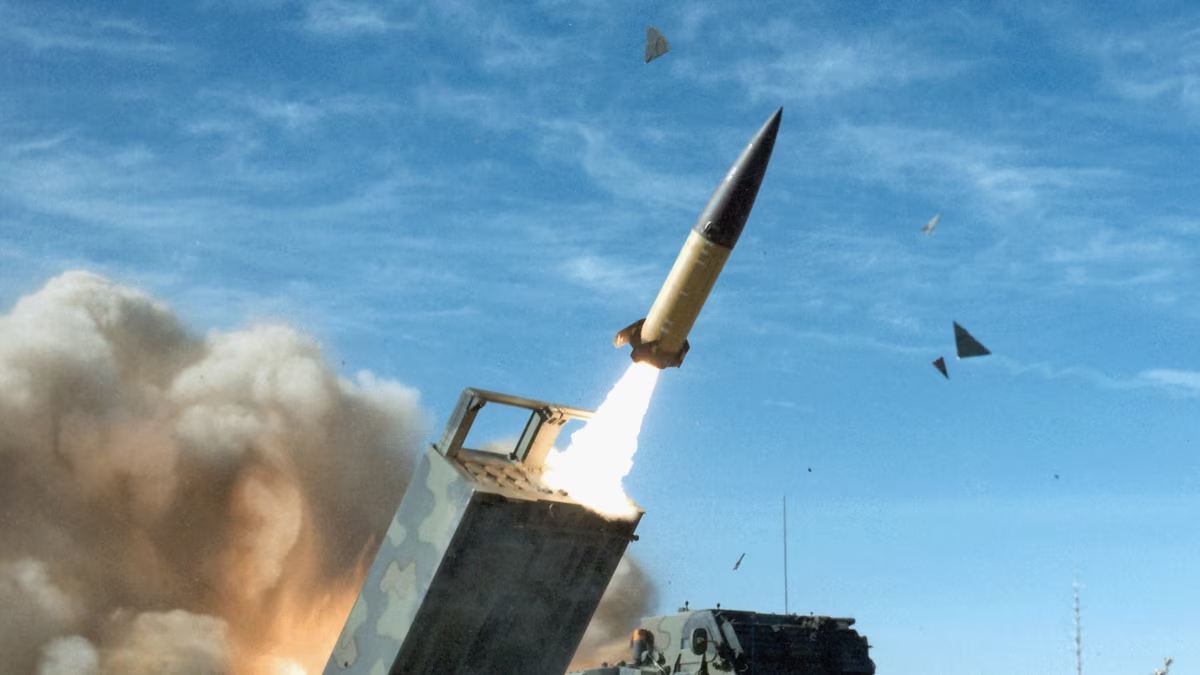
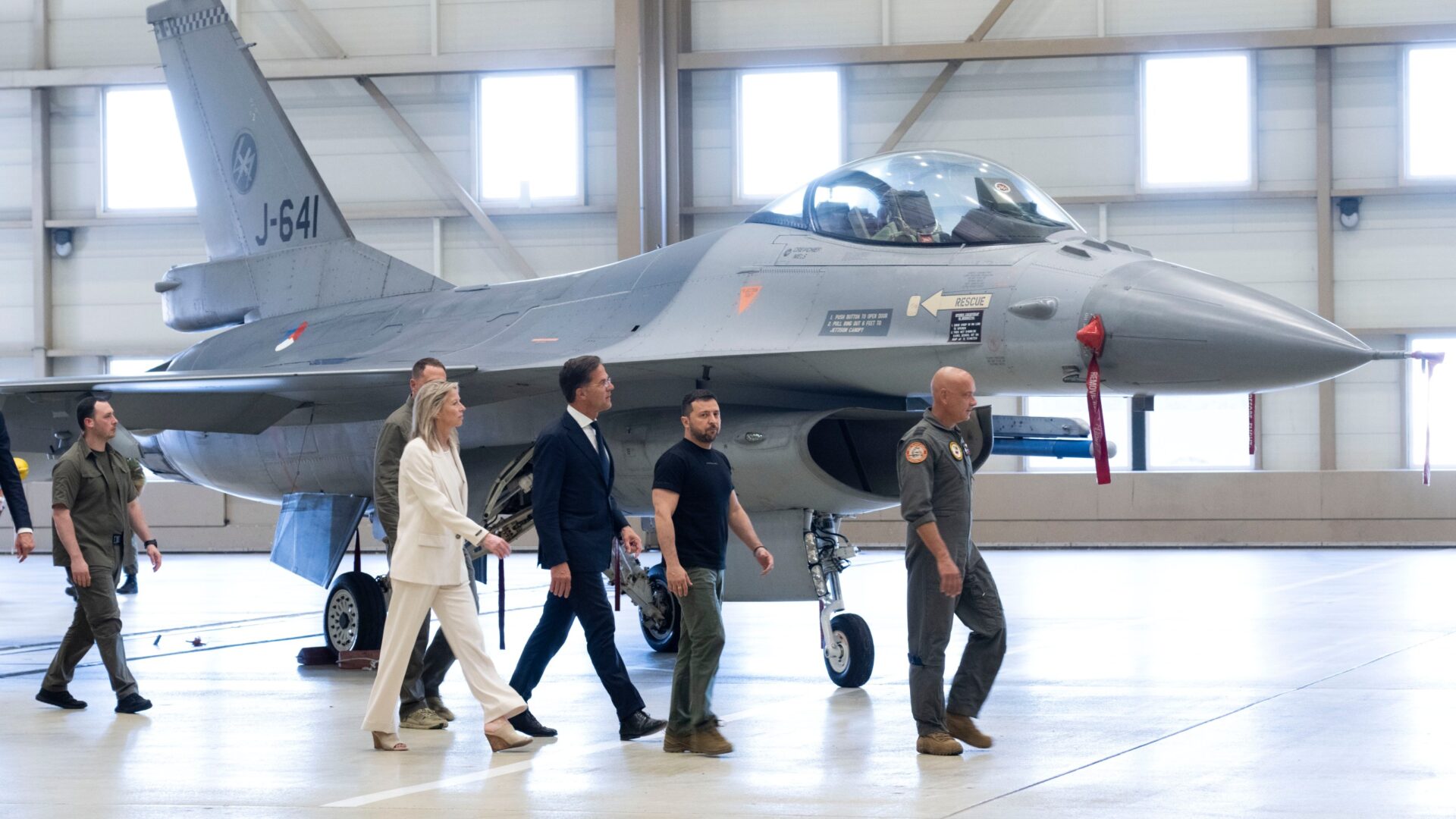
Secondly, while we greatly appreciate Western support since last year, we’ve noticed a pattern of gradual assistance. During this period, we were losing both people and territories. This gradual approach from the Americans stemmed from a fear of escalation, which still lingers today. This fear is why we have not received certain types of systems like ATACMS and Taurus missiles or Western fighter jets (F-16). The concern centers around the risk of an escalation, including the potential use of weapons of mass destruction or the spillover of the war into NATO countries, as well as a fear of Russia’s collapse.
Thirdly, we observe the presence of certain actors within the U.S. and Europe who are promoting damaging narratives about the ceasefire, “compromise”, and “peace” talks, and stopping aid to Ukraine. A particularly concerning trend has emerged in the U.S., where Trump still maintains political influence and the potential to return to the presidency. During his previous tenure, he exhibited a conciliatory attitude towards Putin and now he is ready to “solve” the war issue in two phone calls. This approach suggests a willingness to sacrifice Ukrainian territories in the pursuit of normalized relations with Russia. While Trump may not frequently address the ongoing conflict, some of his supporters do. Figures like Representatives MTG, Matt Gaetz, Jim Jordan, and others advocate for a complete cessation of aid to Ukraine. They parrot Kremlin propaganda while masking their intentions behind concerns about the risk of nuclear war, fiscal responsibility, the prioritization of U.S. security interests, a focus on countering China, and, more recently, the need to support a formal ally at the expense of an informal one.
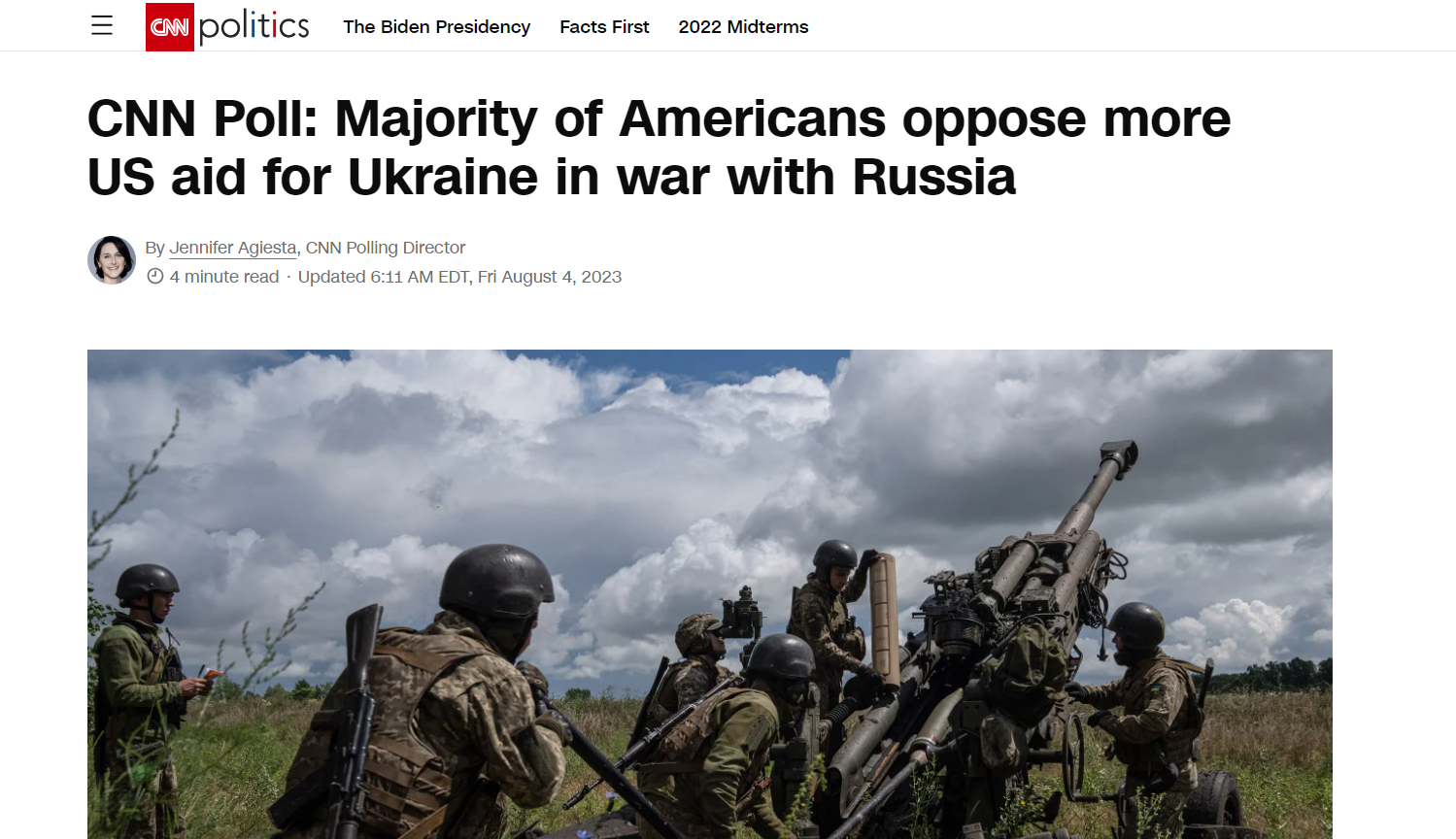
Overall, 55% say the U.S. Congress should not authorize additional funding to support Ukraine vs. 45% who say Congress should authorize such funding. And 51% say that the U.S. has already done enough to help Ukraine, while 48% say it should do more. A poll conducted in the early days of the Russian invasion in late February 2022 found 62% who felt the U.S. should have been doing more. Republicans broadly say that Congress should not authorize new funding (71%) and that the U.S. has done enough to assist Ukraine (59%). Among Democrats, most say the opposite, 62% favor additional funding and 61% say that the U.S. should do more.
There’s massive anti-Ukrainian propaganda on social media, with Tacker Clarkson, Elon Mask and his crypto and conspiracy theories’ friends pushing the cut aid messages.
Following the removal of Speaker Kevin McCarthy*, there are concerns about the House’s ability to approve any assistance. The potential ascension of Jim Jordan to the Speaker’s position is causing apprehension. However, there is optimism that the Biden Administration may succeed in the House passing a combined resolution encompassing support for Ukraine, Israel, and possibly Taiwan. Alternatively, a bill that combines the U.S. border program, a top GOP priority, with aid for Ukraine is under consideration. Thus, there appears to be a likelihood of receiving assistance for the upcoming year or a portion of it.
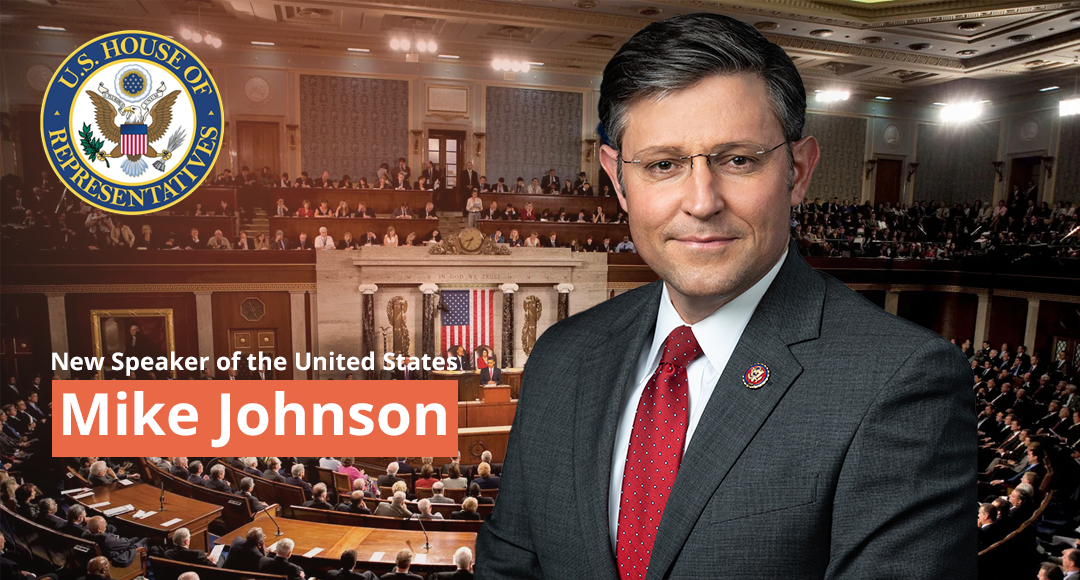
*Mike Johnson from Louisiana State was elected as the new Speaker of the United States House of Representatives – ed.
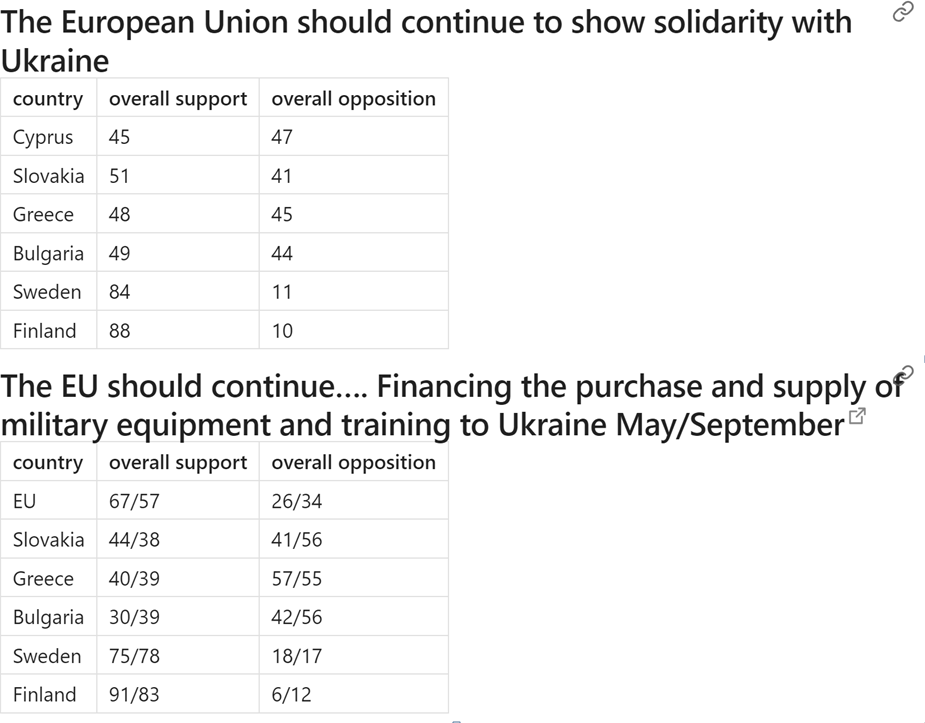
In Europe, there has been a certain decline in public support. Between May and September, there was a 10% decrease in the number of Europeans willing to endorse military assistance, while the count of those opposing it increased by 8%. Notably, public sentiment in Slovakia, Bulgaria, and Greece is largely against such assistance, with over half of the population opposing it. Conversely, strong support for aid exists in the Baltic States, Poland, and Northern Europe, with approval rates ranging from 70% to 83%.
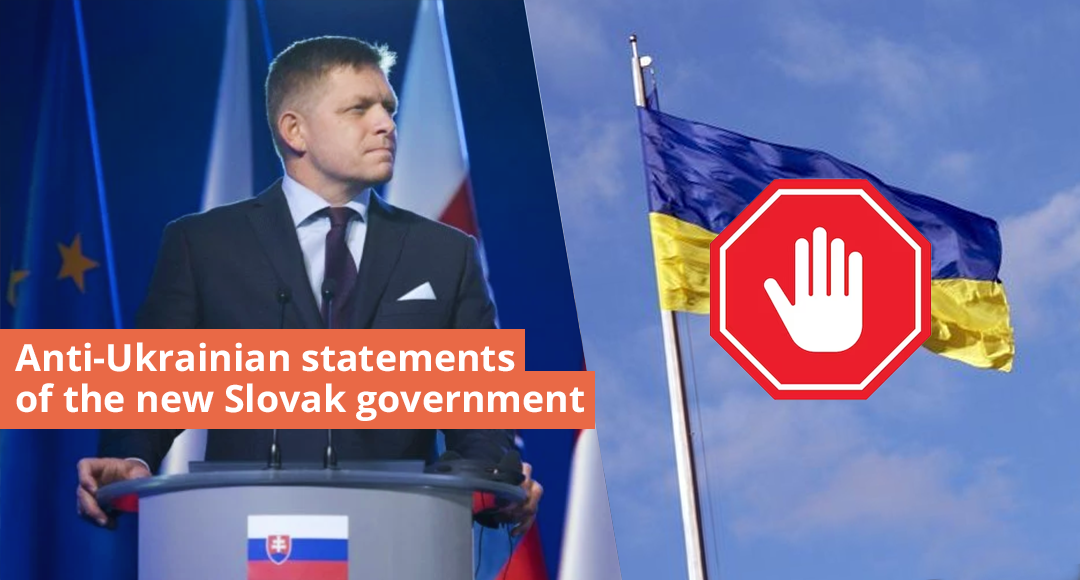
The pro-Russian inclinations of Greece, Cyprus, and Bulgaria are traditional, while in Slovakia, dissatisfaction with the previous government and concerns about a broader European conflict led to the election of pro-Russian leader Robert Fico. Hungary’s leader has adopted a stance akin to Trump’s, effectively turning the country into a Russian Trojan horse within the EU and NATO. Conversely, there is no significant worry about losing the support of Poland, despite occasional tensions, especially during election campaigns. Poland’s national interest aligns with Ukraine’s success in the conflict and its integration into the EU and NATO.
The EU support according to the Eurobarometer in May (the first table and the first digits in the second one) and September (the second digits in the second table after a slash).
However, the Russian activities in various regions such as the Middle East (with direct involvement in Syria and Libya, and indirect influence in Israel), the Balkans (particularly in Kosovo and Serbia), and Africa (where the Wagner Group plays a role in juntas’ rise in the Sahel region) raises concerns. These activities could potentially destabilize Europe, diverting its focus from supporting Ukraine. The consequences might include waves of refugees, increased instability, and conflicts in the Middle East and Africa, possibly leading to the rise of far-right and populist governments in Europe. Such developments could result in Ukraine losing a significant portion of the crucial aid it requires.
Western assistance, diplomatic and political support, and public backing are pivotal for Ukraine’s survival. Halting our efforts in the conflict would effectively signify the end of Ukrainian statehood and pose a grave risk to the Ukrainian nation. The world has witnessed what happened in Bucha and Mariupol, and hundreds of villages, dozens of cities and towns. The Russian government and the general public don’t hide anymore their genocidal intentions.
Ukrainians are fighting the war the whole NATO has been preparing to fight since its creation. There exists a significant disparity in resources, including demographics, economic power, and military capabilities. Just as Europe couldn’t defeat Nazism and fascism during World War II without the support of the United States, Ukraine cannot prevail without the backing of the U.S., Europe, and other freedom-loving nations.
The United States has allocated approximately $43.9 billion in security assistance to Ukraine since Russia’s invasion in February 2022. In addition, it has provided €23.8 billion in economic aid and €3.5 billion in humanitarian aid. The European Union has primarily focused on economic assistance, amounting to €77.1 billion. The contributions of individual countries in terms of security assistance are also of great significance. Germany ranks second to the U.S., with €17.1 billion in aid, followed by the United Kingdom in third place with €6.58 billion.
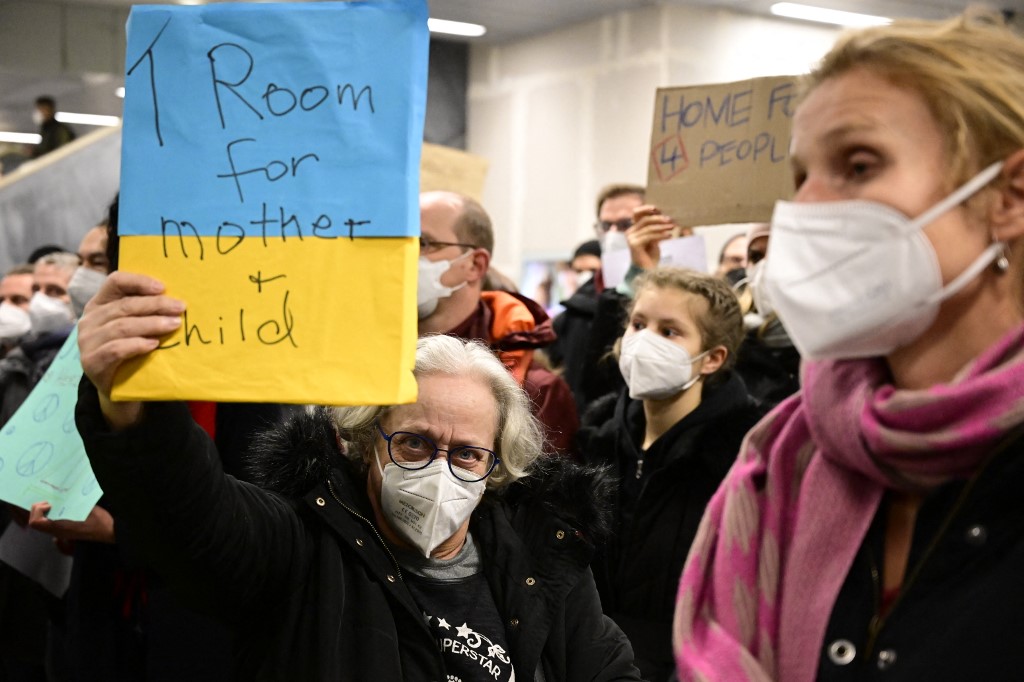
Our need for modern weaponry is paramount to bridge the resource gap with Russia. We also require economic assistance due to the significant economic toll inflicted by the Russian conflict, resulting in a loss of one-third of our GDP. The humanitarian aspect is equally vital, given that 5.8 million Ukrainians are living as refugees abroad, and 4.9 million have been registered as internally displaced persons, with potentially even more who haven’t been officially accounted for. According to the United Nations, an estimated 12 million people within Ukraine are in dire need of relief and protection. It’s crucial to note that Russia has illegally deported up to 150,000 Ukrainian children to its territory, though as of now, only 19,546 cases have been officially confirmed.
Russia poses an existential threat to both the Ukrainian state and its people, and we are committed to continuing the fight until we secure the liberation of all internationally recognized borders, with Crimea being a top priority. It’s essential to recognize that Russia represents a direct threat to Europe, which it views as an adversary. Furthermore, Russia’s actions undermine the rules-based international order and jeopardize global stability. Failing to halt Russia’s advances on our territory could embolden it to target other neighboring nations, potentially igniting a conflict between a nuclear-armed Russia and NATO.
We call upon the democratic societies of the world to persist and increase their support, enabling us to achieve victory on our soil as swiftly as possible. Such support would curtail the prospects of a protracted conflict and the capacity for Russia to harm not only Europe but also other regions with far-reaching implications for Europe. Defeating Russia in Ukraine would significantly diminish its aggressive capabilities, rendering it incapable of launching attacks for a considerable period, possibly five to ten years. A Ukrainian victory would also trigger transformative changes within Russia, leading to reduced destructive activities in regions like the Mediterranean, the Middle East, and Africa.
Accountability for Russia’s war crimes and crimes against humanity is imperative, as impunity only paves the way for further transgressions. Russia’s glorification of figures like Stalin and the Soviet regime, while denying historical truths and the impact on former Soviet Union republics and nations in Central and Eastern Europe, underscores the urgency of holding Russia responsible. Russia’s history of perpetrating crimes in regions such as Chechnya, Syria, and others cannot go unchecked.
It’s important to recognize that if Russia achieves any form of success, it may embolden China to pursue forceful action against Taiwan, potentially entangling free nations in a global conflict. Therefore, Western resolve in supporting Ukraine and preventing Russia from retaining an inch of Ukrainian territory is an integral component of the broader deterrence strategy aimed at China.
We’re fighting for our freedom and yours. Our victory will be yours as well.
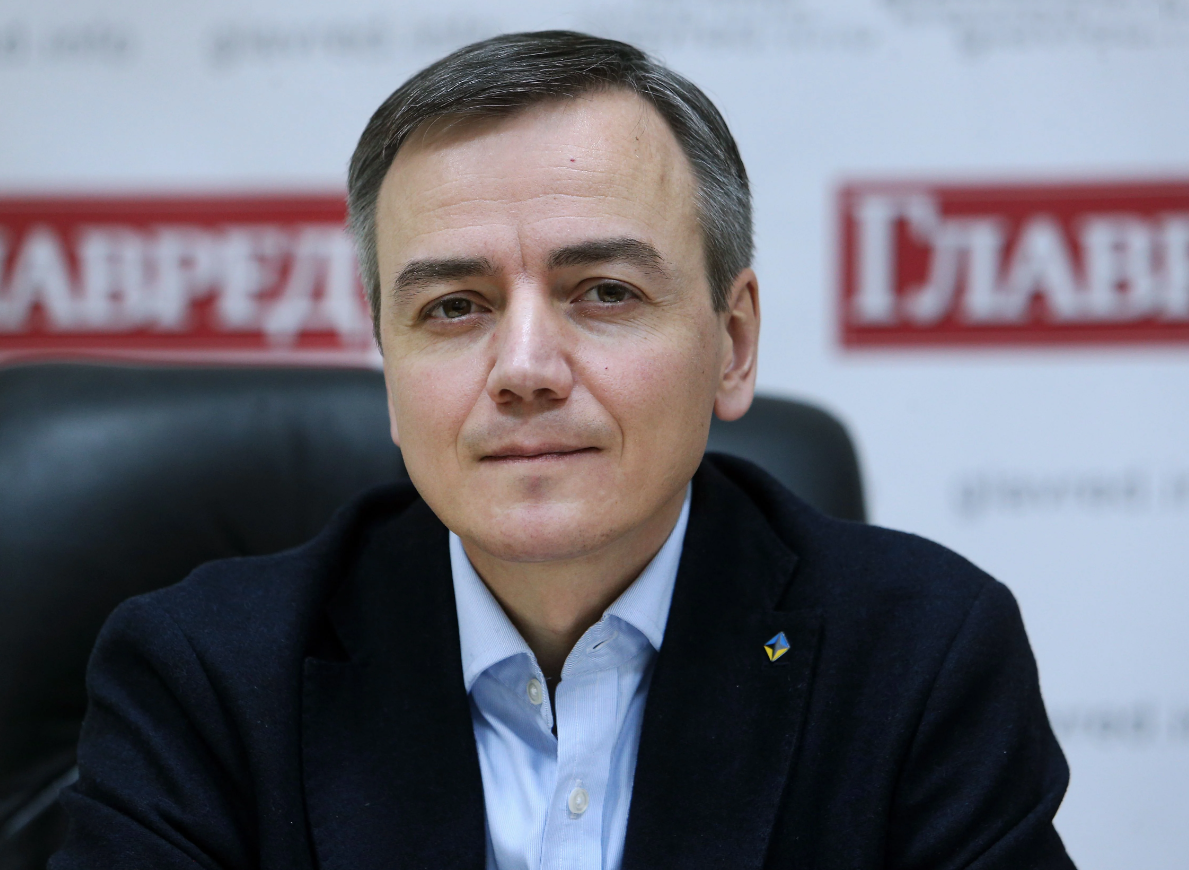
Alexander Khara
Centre of Defence Strategies, Kyiv, Ukraine