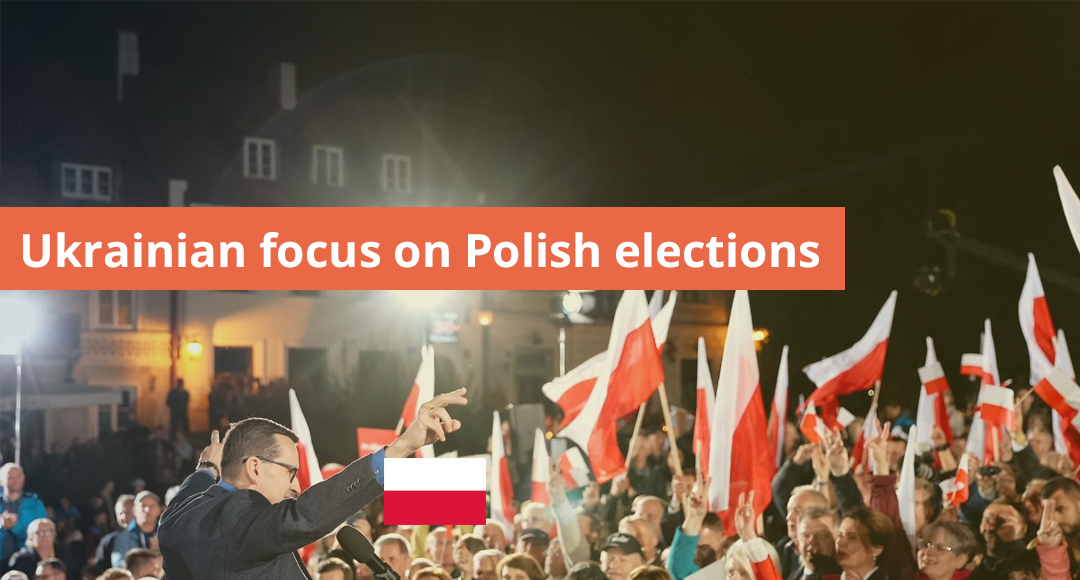


On October 15, 2023, another parliamentary election was held in Poland. The ruling party Law and Justice (Prawo i Sprawiedliwość, PiS) of Jarosław Kaczyński won the largest number of votes — 35.38% and 191 mandates, respectively. However, this number is not enough for a de facto majority in the parliament, since the opposition — Civil Platform (Platforma Obywatelska), Third Way (Trzecia Droga), and Left (Lewica) have 248 votes in the Sejm (lower house of the bicameral parliament of Poland).
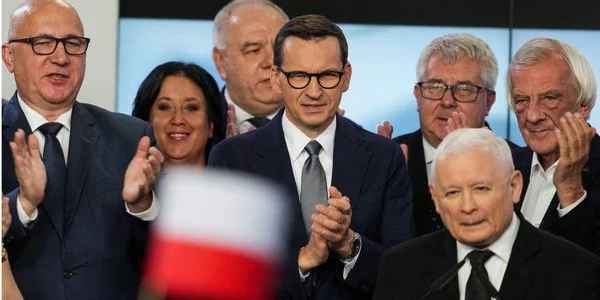
The majority in the upper house of the parliament — the Senate — was also won by the opposition and candidates running from their own committees: 66 out of 100 seats.
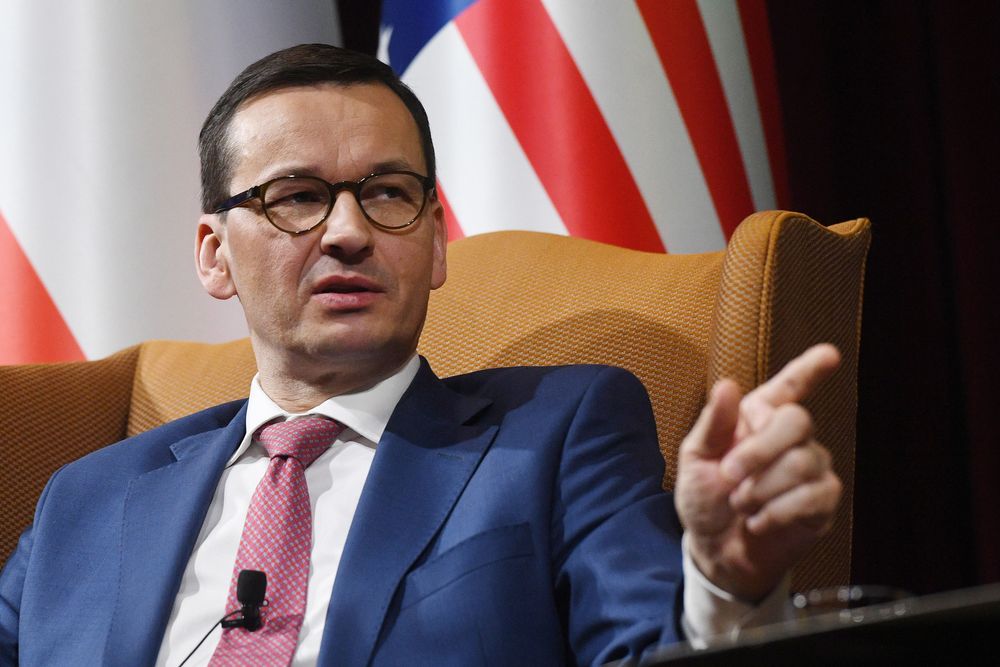
Elections in Poland created tension in Polish-Ukrainian relations. During the election campaigns, Warsaw banned the import of Ukrainian grain, the Minister of the Chancellery of the President of Poland, Marcin Pshidach declared the ingratitude of Ukrainians, Prime Minister Mateusz Morawiecki spoke about stopping the supply of weapons, the representative of the government and Piotr Müller spoke about the suspension of payments to Ukrainian refugees. The statements were submitted by representatives of the PiS party.
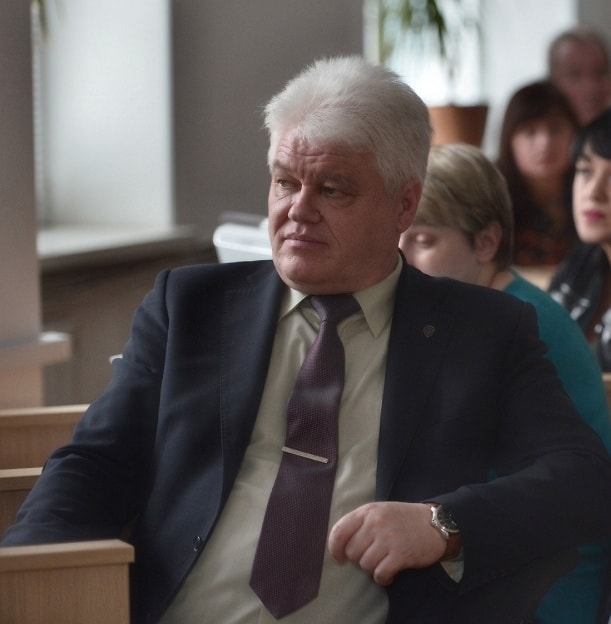
What to expect from the results of the parliamentary elections in Poland and more details about the course of the elections, we spoke with political expert Illya Dovzhenko.
What personnel changes may occur as a result of the elections?
The results of the elections in Poland on October 15, 2023, were, at first glance, a success for the PiS party. The party retained its majority in the lower house of the Parliament. However, the total majority in the next Sejm will be held by three political forces that took the second, third, and fourth places in the elections — Platforma Obywatelska, Trzecia Droga, and Lewica. In other words, all three are not against uniting and forming a new Polish government, that is, they have 249 mandates out of 460. To elect a prime minister and form a government, a majority of at least 231 votes is required.
An important indicator of this process will be the election of its speaker. To which political camp the speaker belongs, from there, with all confidence, the future prime minister will come. According to the constitution of Poland, the right to nominate the prime minister belongs to the president. Andrzej Duda, a member of PiS himself, said on the eve of the elections that in Poland the mandate to form a government was given to the political force that won the elections, and he is not going to deviate from this tradition.
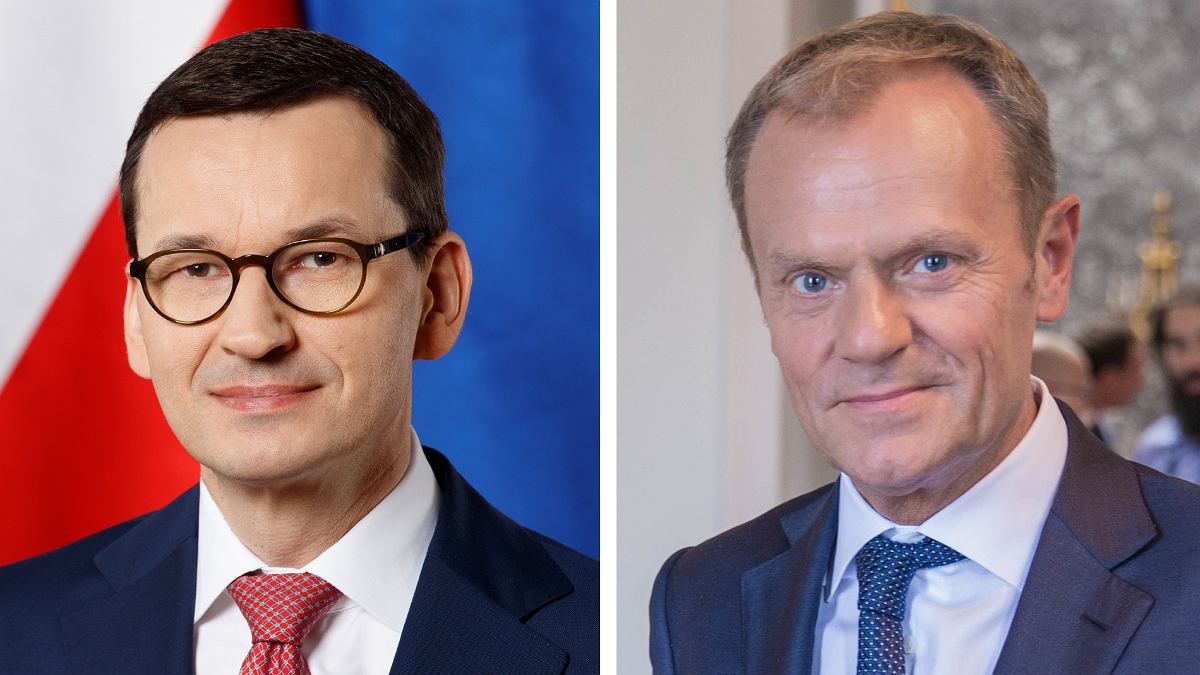
That is, with a high probability, Duda — as it should be, within 14 days from the day of the first session of the Sejm — will offer the deputies to approve the PiS candidate: most likely, the current Prime Minister Mateusz Morawiecki. But the option with Duda submitting the candidacy of the leader of the opposition, the same Donald Tusk, who is the leader of the Platforma Obywatelska — the party around which the opposition union was formed, is not excluded. Given the specifics of Poland’s political structure, any option is possible. Moreover, the very next day after the start of the work of the new parliament, Polish politicians will be forced to remember one more election: in the spring [2024] local authorities will be elected in the country, and the campaign for these elections will informally begin in the fall. And immediately after them — in the summer of next year — the elections to the European Parliament.
Why did Polish politicians limit mention the war in Ukraine in their election campaigns?
This is not surprising: the topic of this war was frankly secondary in the framework of the election campaign and was actualized only for a few weeks during the height of the “grain crisis” in relations between Kyiv and Warsaw and the exchange of harsh statements between politicians from both countries.
Then representatives of the Polish pro-government camp raised slogans on their flags that could well be called anti-Ukrainian: Prime Minister Mateusz Morawiecki said that Poland no longer supplies Ukraine with weapons, and government representative Piotr Müller suggested that in the near future, Warsaw will cancel social benefits for Ukrainian refugees.
Opposition politicians scathingly commented on these statements. For example, Donald Tusk said that PiS’s statements only show its inconsistency and lack of strategic thinking: they say that they first gave Ukraine almost all of its tanks, and then we declared war on it.
In any case, already in the last weeks before the elections, the Ukrainian topic disappeared from the lexicon of Polish politicians.
How did such rhetoric affect voters?
Polish observers do not agree on how the use of this topic affected the PiS campaign. Some believe that it is harmful: with a sharp change in attitude towards Ukraine and Ukrainians, the party in power allegedly only confused its voters and demotivated them from voting for themselves.
Others are sure that in this way PiS managed to capture a certain part of the voters of the far-right Confederation (Konfederacja Wolność i Niepodległość) — the only party that used anti-Ukrainian slogans openly throughout the campaign.
One way or another, the complete absence of the topic of Ukraine in the post-election narrative of Polish politicians is the best proof that a hypothetical change of power is unlikely to lead to a change in official Warsaw’s policy towards Kyiv.
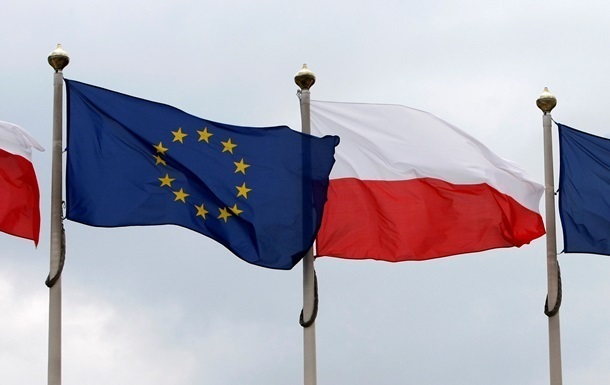
Another thing is that the expected warming in the relations between Poland and the European Union can hypothetically affect the relations between Warsaw and Kyiv.
They are likely to become more systematic and predictable, less dependent on the factor of personal relations between the representatives of the authorities of these countries. And changes in Poland’s attitude to Ukraine or to the war that Russia has unleashed on the territory of its neighbor should not be expected in the event of a change of power in Warsaw.
What should Europe and Ukraine in particular expect from the election results?
Poland, as before, will play a significant role in supporting Ukraine in the war with Russia.
Of course, these are only predictions, and actual changes may differ from those expected. However, given the importance of the war in Ukraine for Poland, it is likely that the election results will have a significant impact on the country’s policy towards Ukraine.
Here are some specific aspects that can be expected from Poland’s policy towards Ukraine:
- Poland will continue to provide military and economic aid to Ukraine.
- Poland will support Ukraine’s bid for NATO and EU membership.
- Poland will actively provide assistance to Ukraine for reconstruction after the war.
I believe that these changes will be positive for Ukraine, they will help it protect itself from Russian aggression and recover after the war.
***
Despite the tense election campaign in the context of Ukraine, Poland continues to support Ukraine in its resistance to Russian aggression and provides support to Ukrainian refugees.
Anya Ostymchuk