

“No Peace Without Justice”
Russian forces on the territory of sovereign Ukraine consistently commit war crimes against Ukrainian prisoners of war – from executing unarmed captives to systematic torture in penal colonies and detention facilities. These acts constitute direct and repeated violations of the Third Geneva Convention relative to the Treatment of Prisoners of War.
The “No Peace Without Justice” initiative documents these crimes, combining fact-finding with political advocacy. Our objective is to ensure that executions on the battlefield and torture chambers in colonies do not remain “just another news story,” but instead become instruments of real political pressure that shape a clear understanding of the nature of the aggressor Ukraine is facing.
We seek public recognition of these crimes by all States Parties to the Geneva Conventions and all UN member states, as this creates the foundation for inevitable accountability and establishes a unified international stance on Russia’s actions.
Documented episodes from November–December 2025
(based on reports from the Office of the Prosecutor General and the Donetsk Regional Prosecutor’s Office)
December 2025
Siversk direction, Donetsk region.
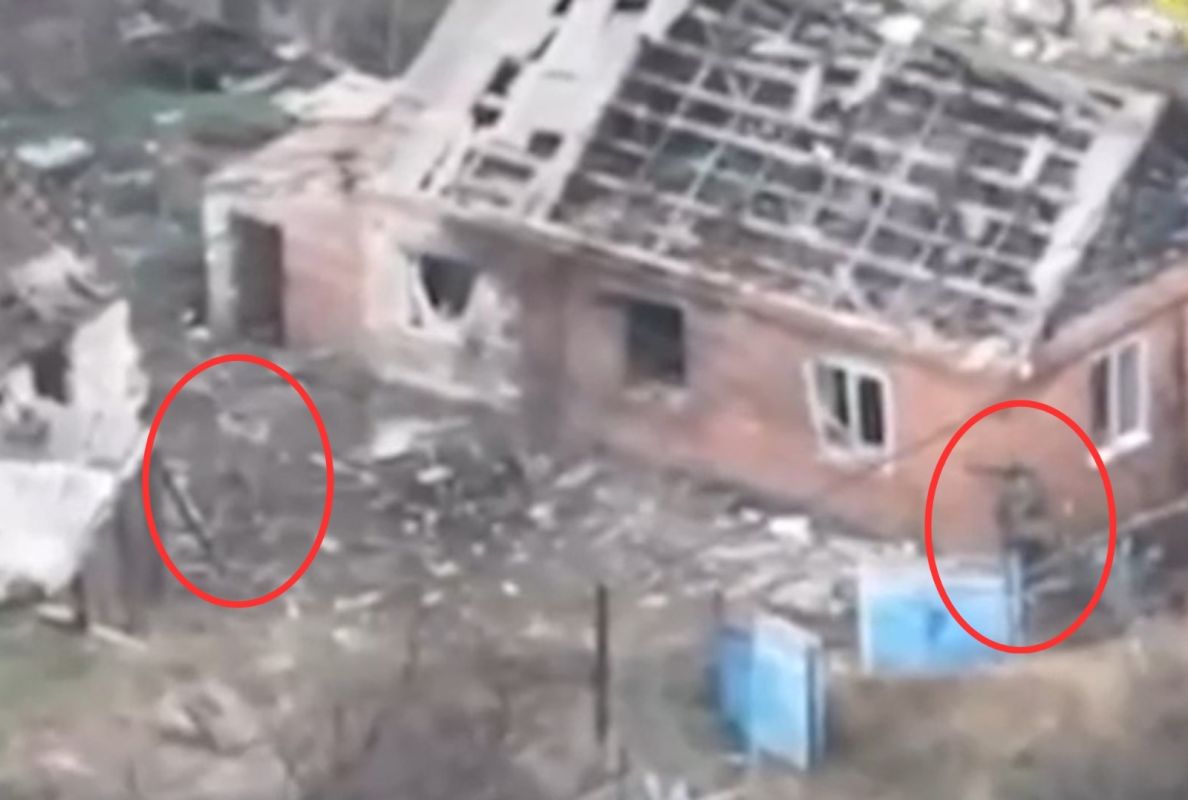
During a “clearing operation” in a residential area near the village of Sviato-Pokrovske, Siversk community, a Russian soldier found a Ukrainian serviceman hiding in an outbuilding. When the soldier of the Armed Forces of Ukraine emerged with his hands raised, signaling his intention to surrender, the occupant opened fire from an ambush, wounded him, and then executed him with a burst of automatic gunfire. A pre-trial investigation has been initiated under Part 2, Article 438 of the Criminal Code of Ukraine.*
*The opening of a pre-trial investigation means that the state officially records this episode as a war crime, establishing the legal basis for Russia’s international responsibility and enabling the further transfer of evidence to international mechanisms of justice.
Republic of Mordovia (Russian Federation), Penal Colony No.10.
In Penal Colony, Ukrainian prisoners of war were held under the supervision of medical unit paramedic Ilya Sorokin, whom the prisoners referred to as “doctor Evil.” According to the investigation, under the guise of “medical examinations,” he used an electric shock device on wounded Ukrainian soldiers, causing loss of consciousness or temporary paralysis of limbs, beat them with various objects, and deliberately deprived them of pain relief and proper medical dressings. His actions were qualified as cruel treatment of prisoners of war. The Security Service of Ukraine notified him of suspicion in absentia under Article 438 of the Criminal Code of Ukraine.
A similar case was recorded in November concerning the Suchodilsk Penal Colony No. 4 in the occupied Luhansk region.
November 2025
Village of Hnativka, Pokrovsk district (Donetsk region).
During an assault on Ukrainian positions near the village of Hnativka, Russian soldiers encircled and captured a Ukrainian serviceman. One of the occupiers tied his hands, while another struck him several times with a rifle butt. When the unarmed prisoner no longer showed signs of resistance, they executed him. Criminal proceedings have been opened under Article 438 of the Criminal Code of Ukraine.
Settlement of Kotlyne, Pokrovsk district (Donetsk region).
During fighting near the settlement of Kotlyne, Russian servicemen captured five Ukrainian defenders. While the unarmed prisoners lay face down on the ground, one of the occupiers opened fire with an automatic rifle, killing all five. Criminal proceedings have been opened under Article 438 of the Criminal Code of Ukraine.
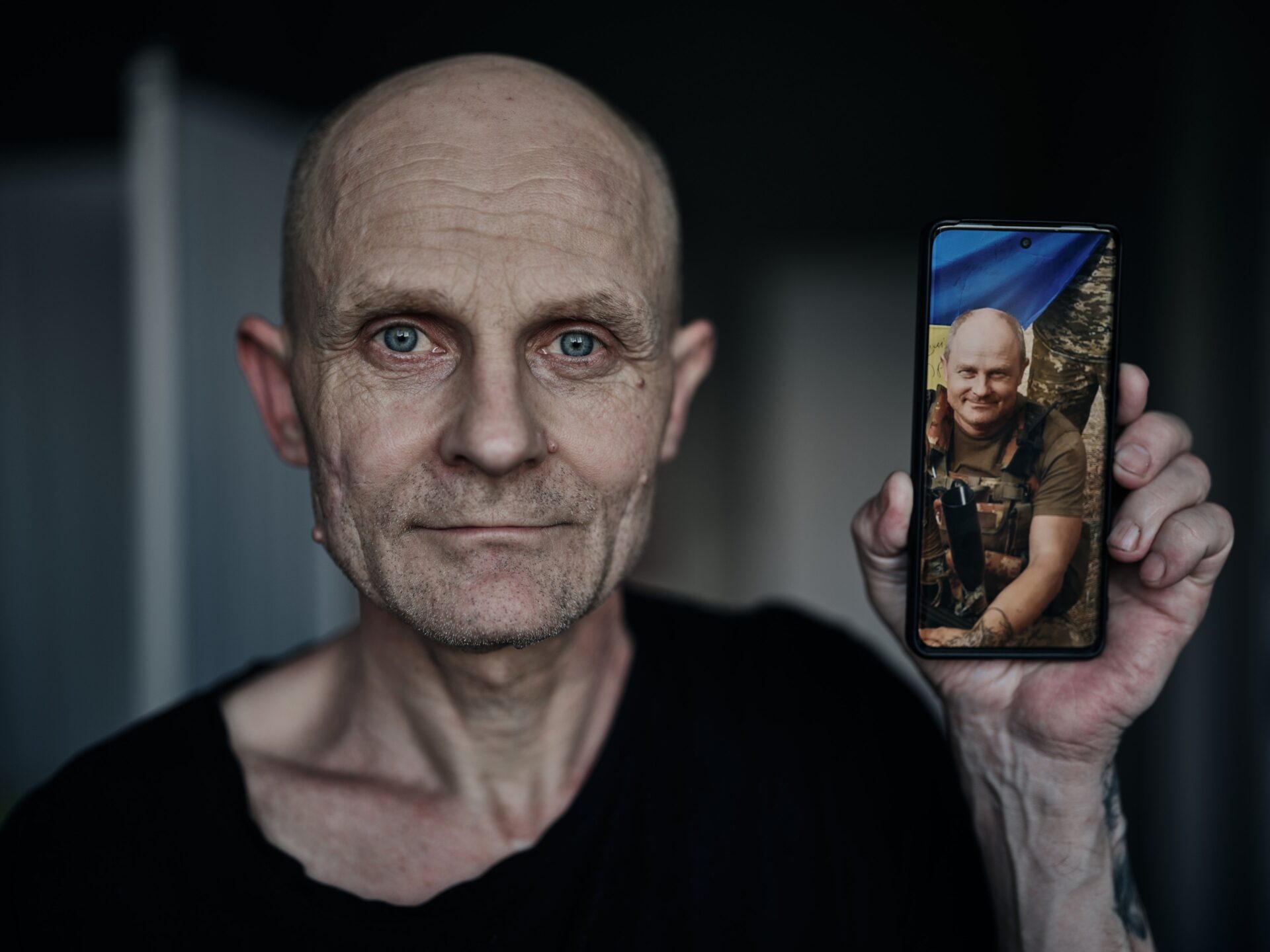
These stories represent only a small part of the picture. They became public thanks to video evidence, survivor testimonies, statements from prosecutors, and the work of journalists and human rights defenders. But behind each documented case lie dozens of episodes that the world will learn about only from the testimonies of prisoners released from captivity.
International reactions
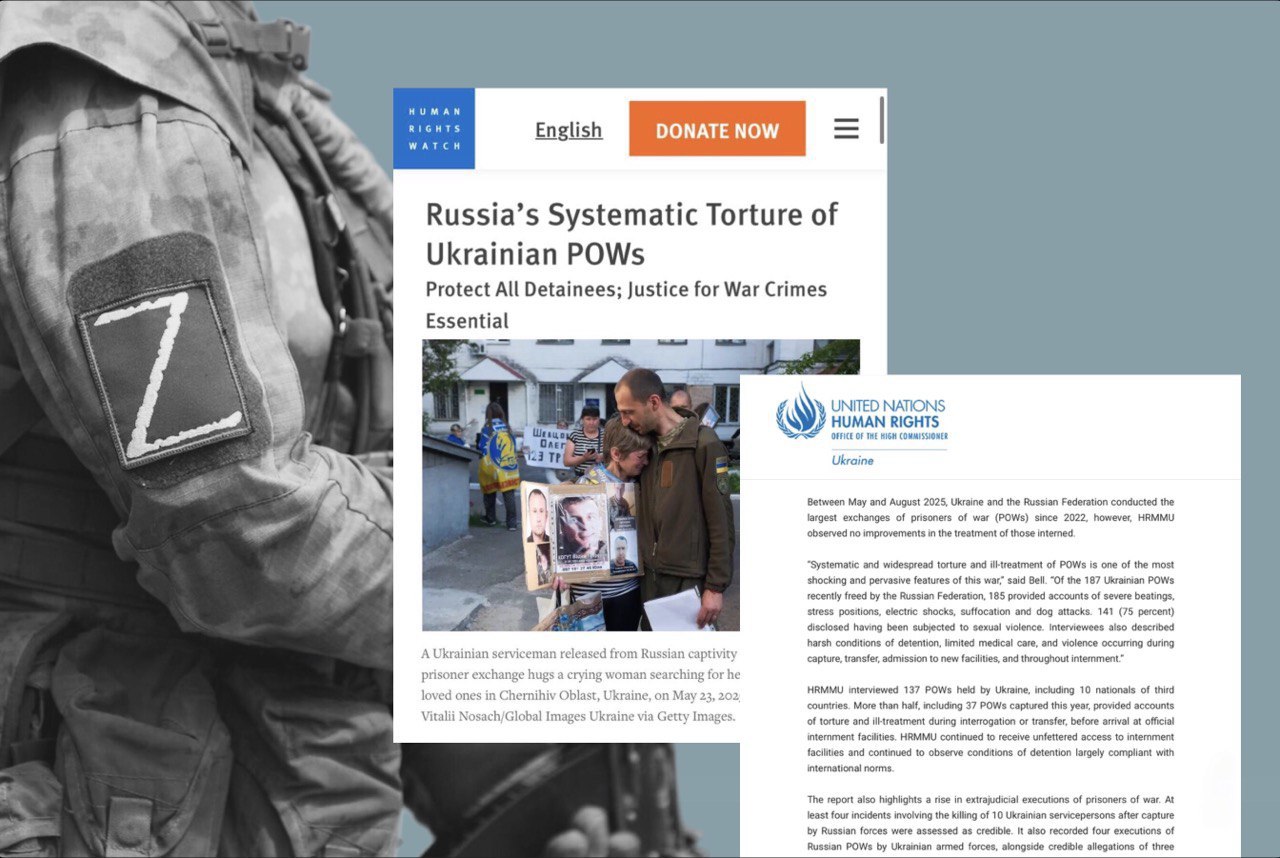
On December 11, Human Rights Watch published a report stating:
“Russian authorities’ abhorrent systematic torture of Ukrainian prisoners of war is a serious violation of core protections under international humanitarian law,” said Holly Cartner, deputy program director at Human Rights Watch. “POWs face daily life-threatening ordeals in Russian custody, and all those responsible for these atrocities should be held to account.”
The UN Human Rights Monitoring Mission in Ukraine confirms the systemic nature of the abuse:
“Systematic and widespread torture and ill-treatment of POWs is one of the most shocking and pervasive features of this war,” said Danielle Bell, who heads the Human Rights Monitoring Mission in Ukraine (HRMMU). “Of the 187 Ukrainian POWs recently freed by the Russian Federation, 185 provided accounts of severe beatings, stress positions, electric shocks, suffocation, and dog attacks. 141 (75 percent) disclosed having been subjected to sexual violence. Interviewees also described harsh conditions of detention, limited medical care, and violence occurring during capture, transfer, admission to new facilities, and throughout internment.”
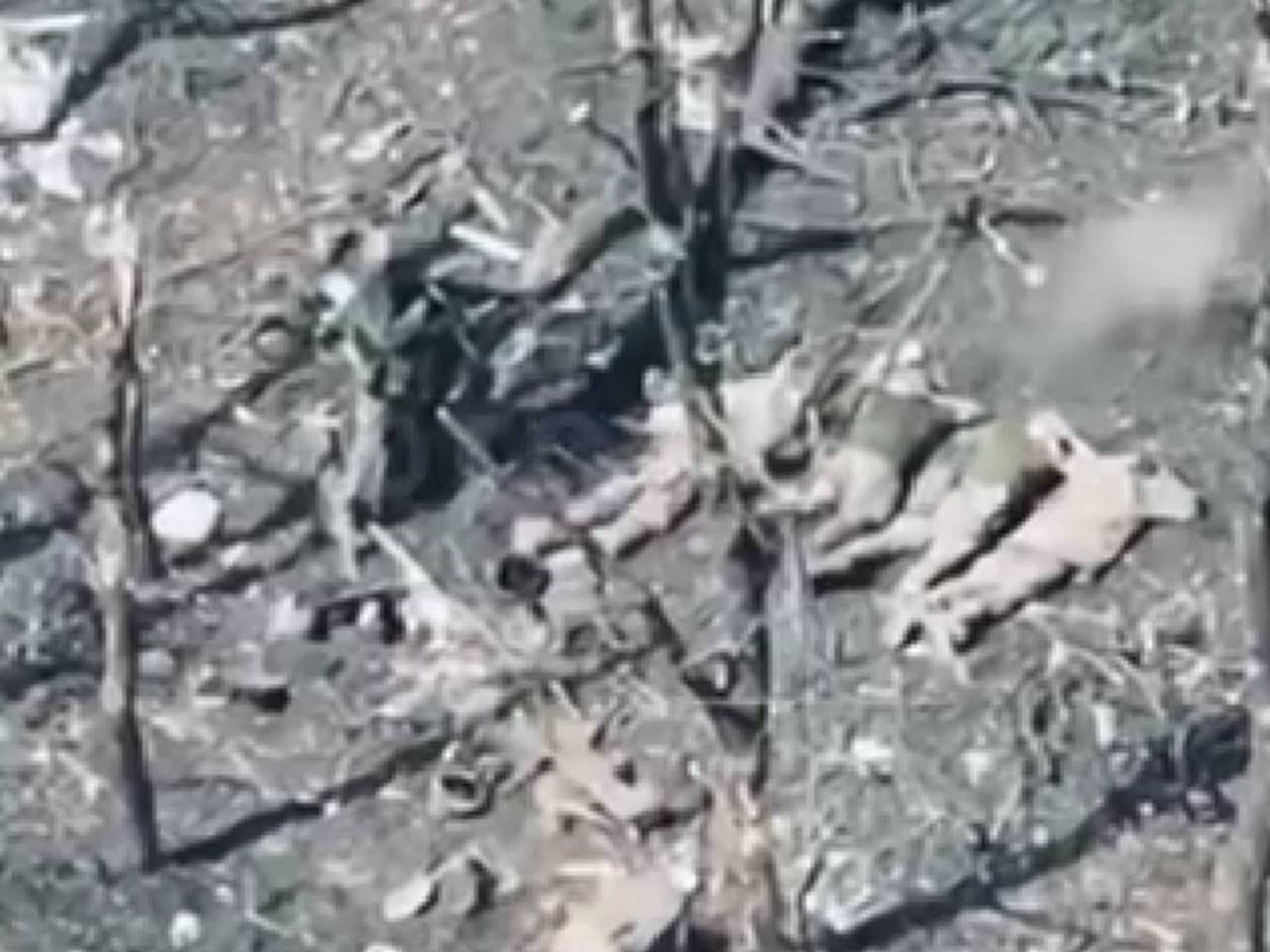
These are not isolated incidents but indications of possible systemic abuse. Public statements by representatives of the aggressor state and testimonies of released captives raise a key question: at what level can decisions leading to the execution of prisoners of war originate — at the level of unit commanders, or with the tacit approval of higher leadership?
Such actions may constitute grave breaches of the Geneva Conventions and may fall under the classification of war crimes or crimes against humanity.
This requires further investigation, and we will report verified findings in subsequent materials.
For the international community, the conclusion is evident: no discussion of “peace” or a “frozen conflict” can take place separately from the issue of accountability for these crimes.
This is why the “No Peace Without Justice” initiative insists that without punishment of the perpetrators and their political patrons, any peace will be merely a pause before a new phase of violence, not a sustainable solution.
We are convinced that without proper accountability for these crimes, the world risks entering a reality in which future conflicts unfold with no rules at all. Ignoring clear violations of the Geneva Conventions creates a dangerous precedent: warring parties may increasingly resort to terror, mass executions, and torture, believing they will not be held responsible. This poses a direct threat to all civilized states, as it undermines the very foundation of international humanitarian law and erodes the principles of humanity that are meant to limit the worst forms of violence in war.