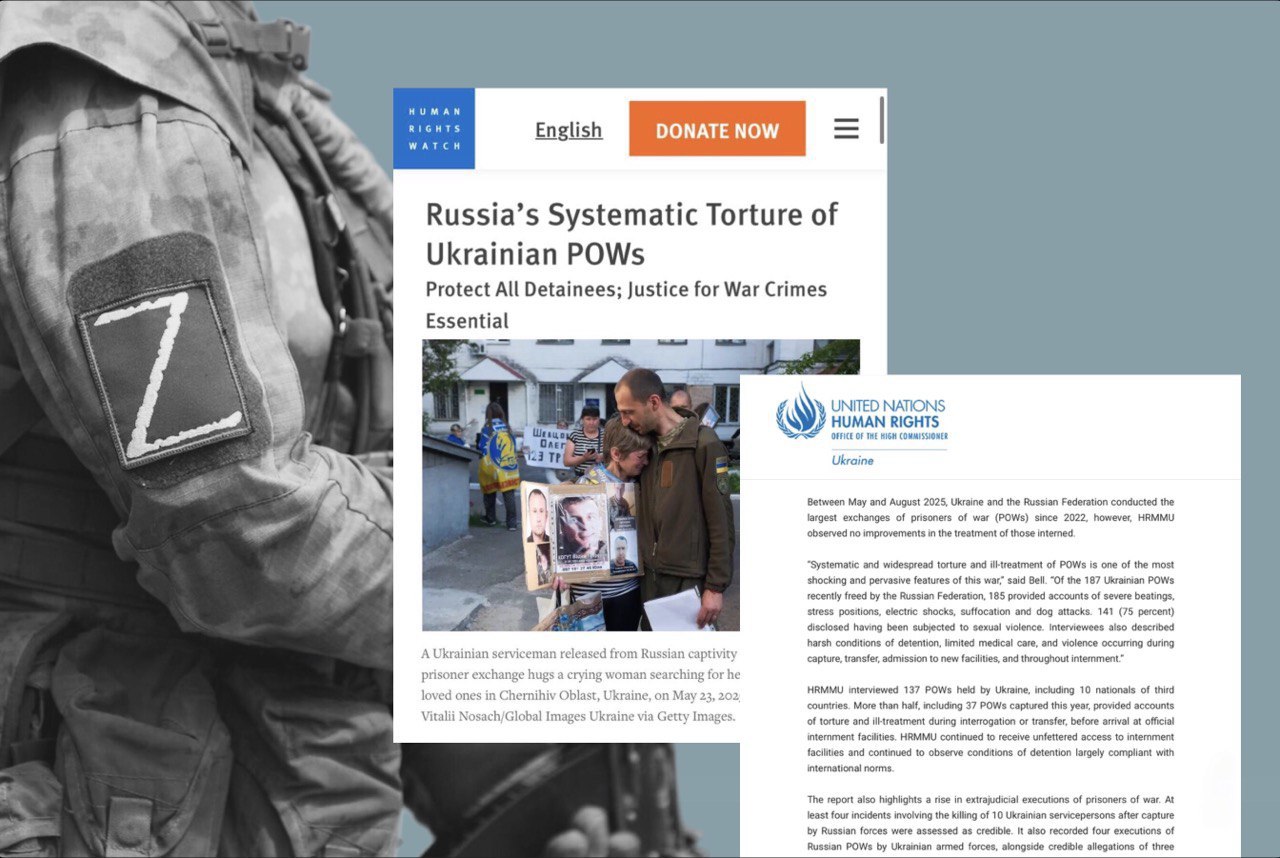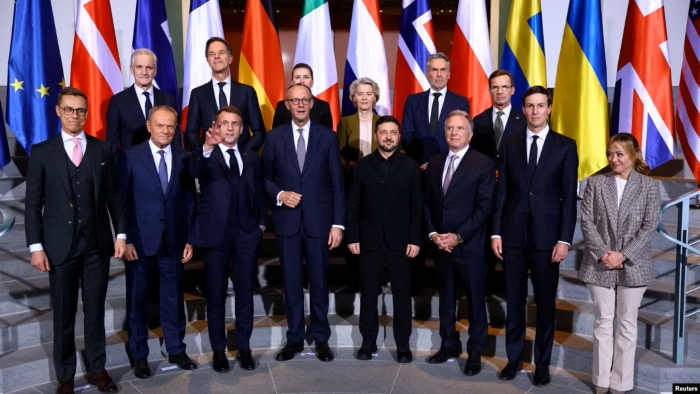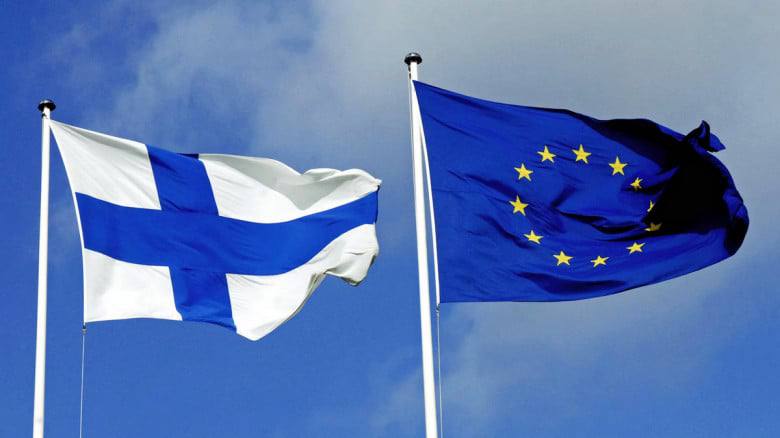


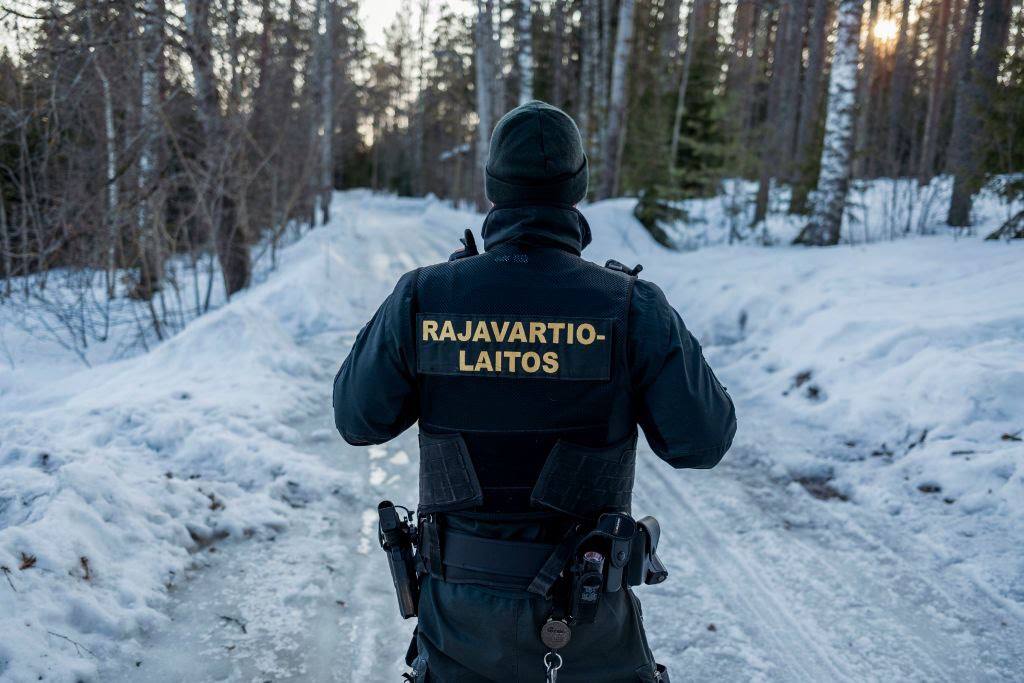
European states on the Union’s eastern flank are feeling increasing pressure from Russia. Border provocations, including Russian military aircraft crossing Estonian airspace and drone flights over Poland and Romania, are forcing countries to seek common defence mechanisms. Additionally, actions by Moscow’s ally Belarus, which are blocking air traffic in Lithuania, and Kremlin threats against Finland underscore the seriousness of the danger. The frontline EU states are concerned that defence will remain their national problem and are urging Brussels to allocate dedicated funding to strengthen their borders. The issue of defence funding and coordination is becoming particularly acute ahead of the planned summit in Helsinki.
Defence Funding in the EU
On Tuesday, the leaders of eight European states—Finland, Sweden, Estonia, Latvia, Lithuania, Poland, Romania, and Bulgaria—will meet in Helsinki to discuss strengthening their countries’ defence capabilities.
“Strengthening Europe’s eastern flank must become a shared responsibility for Europe,” Estonian Prime Minister Kristen Michal stated.
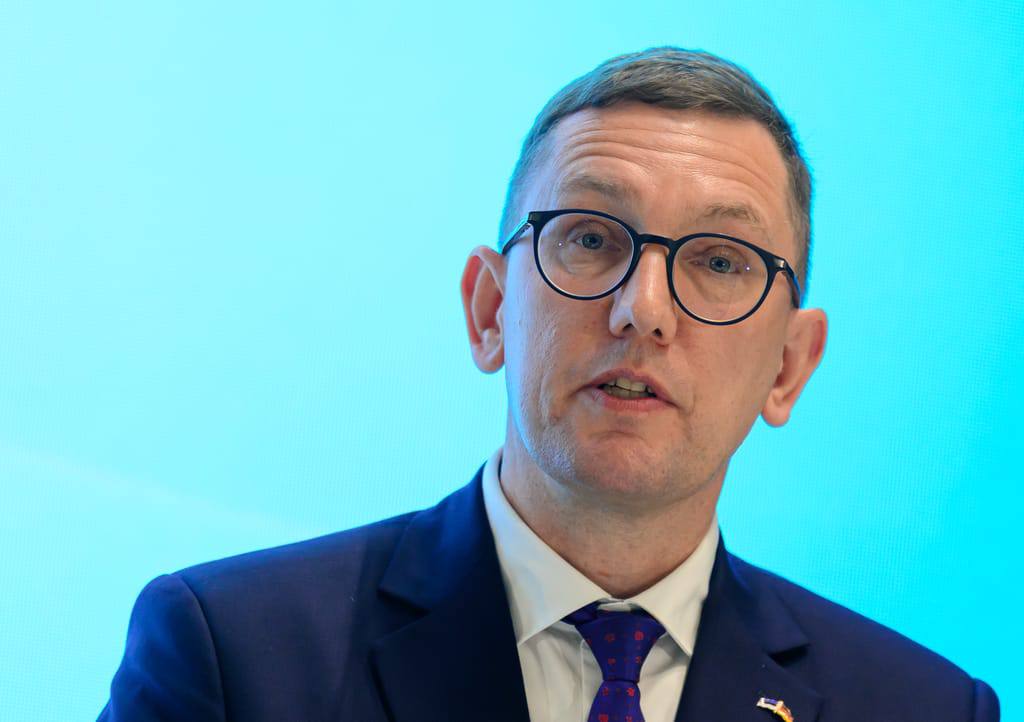
At the centre of the discussion will be financial support from the EU, including proposals for the new 2028–2034 budget, which foresees a fivefold increase in defence spending to €131 billion. The countries of the EU’s eastern flank hope that a portion of these funds will be directed towards modernising their armed forces.
Finnish Prime Minister Petteri Orpo noted: “Russia is a threat to Europe… far into the future. There is always a competition for resources in the EU, but [defence funding] is not something that is taken away from anyone.”
This involves the purchase of modern weaponry, the development of air defence systems, military training, and the strengthening of borders.
In addition to traditional financing, member states are discussing the creation of new financial instruments, such as the SAFE program, which provides loans for the purchase of weapons. The European Commission has been asked to launch a “second SAFE” as the first program has been oversubscribed. Furthermore, the mentioned states support counter-drone projects, including the Eastern Flank Watch and the European Drone Defense Initiative.
Geopolitical Challenges
Despite the initiatives, significant challenges remain. Some states lack sufficiently qualified personnel to effectively utilise modern weaponry, and army modernisation requires time. Moreover, proposals to reserve a portion of the EU budget may face resistance from other countries, so the eastern flank states are attempting to link defence funding with the region’s economic development and open tenders for private companies.
Another challenge is strained relations with the US. Some European leaders have been characterised as “weak” by President Donald Trump, and the frontline countries are concerned that any peace agreement in Ukraine could give Russia more resources to transfer troops to the EU’s eastern borders.
“If the war stops in Ukraine… [Russia’s] desire is to keep its soldiers busy. Europe should take over [its own] defences,” noted one senior NATO diplomat.
Conclusion
The Helsinki summit demonstrates that the EU’s eastern flank countries recognise the necessity of common defence and financial support from Brussels. The timely allocation of funds and the coordination of efforts within the framework of new programs are critically important for deterring Russian aggression. However, the success of these initiatives depends not only on funding but also on the countries’ readiness to effectively use resources, train personnel, and strengthen security systems. In light of the escalating threat from Moscow, the role of the eastern flank states becomes key, and European solidarity is decisive in ensuring the continent’s stability.