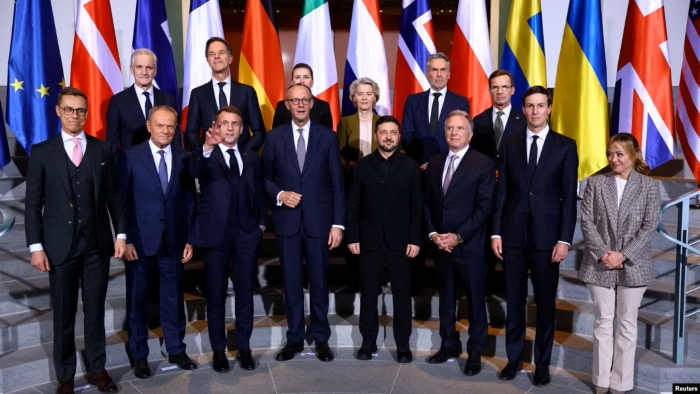


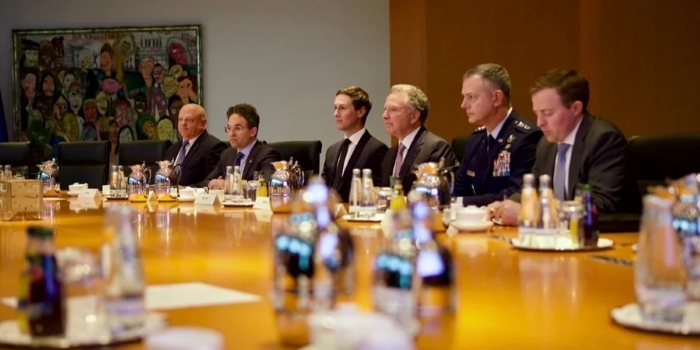
At talks in Berlin, European partners, the United States, and Ukraine aligned their positions on possible ways to end the war in Ukraine.
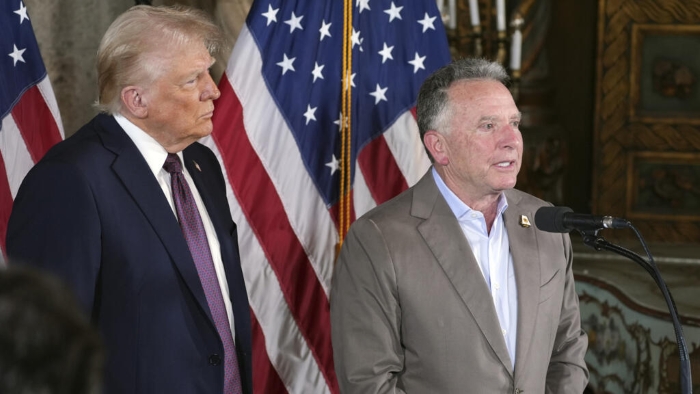
Donald Trump once again reaffirmed his belief that Russia is ready for a deal and that the agreement is as close as never. He claimed that Russia wants the war to end, but may suddenly abandon this intention. He voiced a similar concern about Ukraine, suggesting that Kyiv could also change its position unexpectedly.
The next round of negotiations between Ukraine and the United States may take place this weekend in the U.S., reportedly in Miami.
The Real Situation
Shortly before Trump’s positive statements, Russian Ambassador to the UK Andrey Kelin said there would be “no agreement” and that Ukraine “must look on the ground.” These remarks directly signaled Russia’s unwillingness to compromise. Subsequent developments reinforced this stance.
Polish Prime Minister Donald Tusk stated that a ceasefire by Christmas was unlikely because “the Russians are not very interested in peace talks or a ceasefire.” President Volodymyr Zelenskyy, in turn, confirmed that Ukraine is ready for agreements and stressed that an energy truce could serve as a good point.
As expected, Tusk’s assessment proved accurate. Kremlin spokesperson Dmitry Peskov stated: “We want peace, we don’t want a truce to give Ukraine a break and prepare for the continuation of the war.”
Russia violated the energy truce agreed upon in March and shows little interest in even temporary compliance. Obviously, any ceasefire would give both sides time. However, Russia now seeks to force Ukraine into concessions without pauses or stabilization.
Security Guarantees
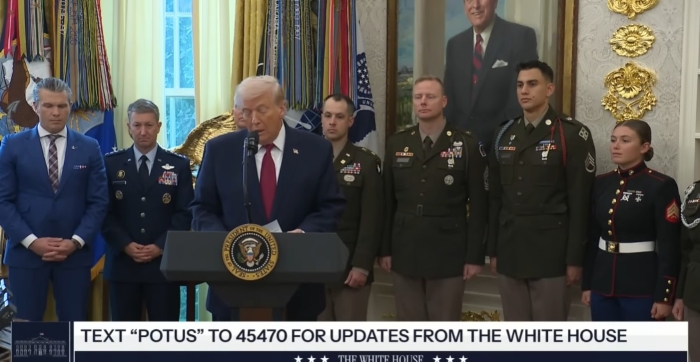
The United States is discussing security guarantees for Ukraine that would resemble NATO’s Article 5, the principle of collective defense, without granting formal NATO membership. Officials are considering this option within the broader framework of peace talks with Russia.
The proposals include legally binding guarantees that would require review and approval by the U.S. Congress through a formal vote. A U.S. government official confirmed to Axios that such guarantees “must be approved by the Senate.”
The approval process depends on the legal format of the guarantees, whether they take the form of a bilateral agreement, an international treaty, or a legislative act. More importantly, their real implementation remains uncertain.
Conclusion
When shaping peace agreements, policymakers must listen to those who understand how Russian officials think and act. While the U.S. side often approaches negotiations as a business deal, Russia operates through imperial logic and seeks to demonstrate dominance at any cost.
At the same time, both sides state that territorial concessions remain a red line. Once again, the U.S. is reportedly setting short timelines for Ukraine to approve a peace framework. However, it remains unclear how Washington intends to compel Russia to accept a deal.