

In the protracted war between Russia and Ukraine, talks about a possible peace agreement have resurfaced. Russian diplomatic sources claim that the parties are allegedly “on the verge” of a deal, while Moscow is formulating conditions that contradict the fundamental interests of Ukraine and its Western partners. At the center of the current international debate is not simply the question of a ceasefire, but a shift in the balance of power, the status of NATO, and territorial claims, which only exacerbates the uncertainty surrounding the reality of stable peace. The Kremlin demands recognition of its control over occupied territories and the exclusive role of Russian culture and language on Ukrainian lands—all under the guise of a “just settlement” of the conflict.
Moscow’s Position
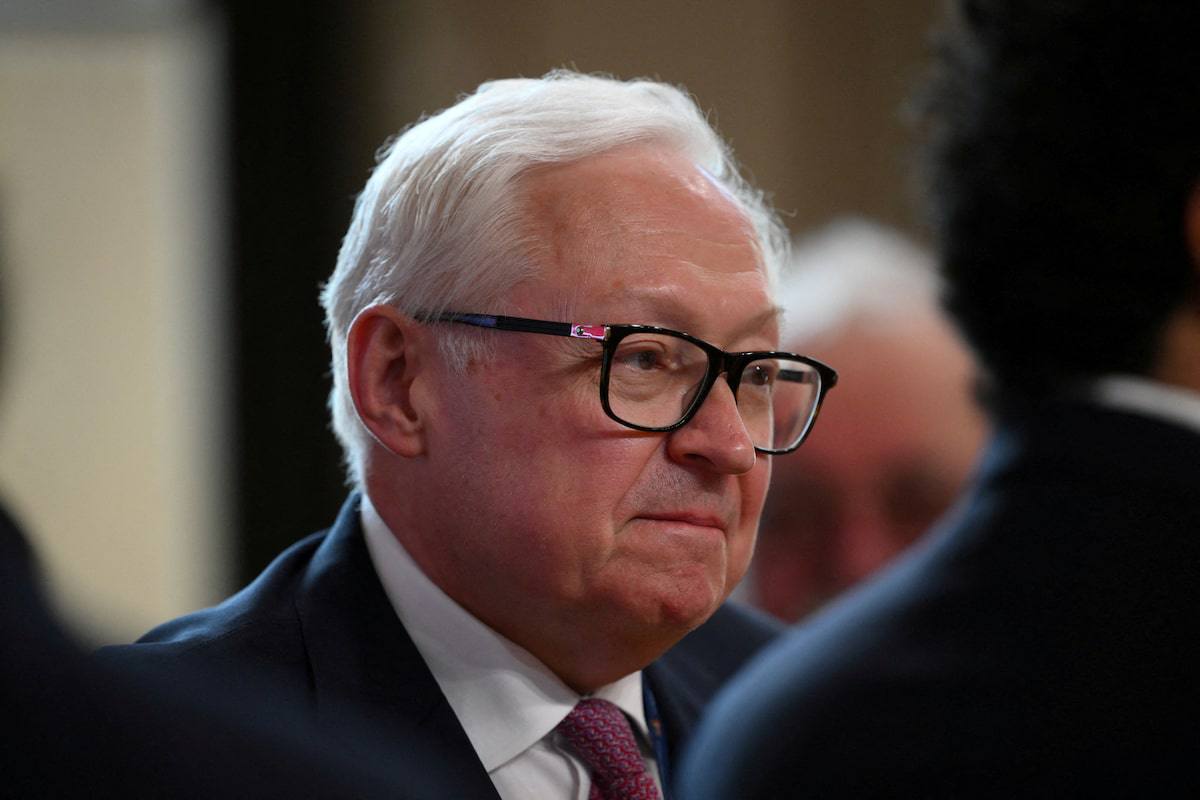
Russian Deputy Foreign Minister Sergey Ryabkov asserted in a major interview with ABC News that Russia and Ukraine are allegedly “on the verge” of a diplomatic solution to end the war. According to him, Moscow is “ready for a deal” and hopes it will happen “as soon as possible.” However, these statements are accompanied by stringent conditions. Ryabkov emphasized that Russia would never agree to a peace plan that involves a NATO troop presence in Ukraine—even in the format of security guarantees or a “Coalition of the Willing.”
He stated: “We definitely will not at any moment subscribe to, agree to, or even be content with, any presence of NATO troops on the Ukrainian territory“.
Furthermore, Ryabkov directly indicated the desire to maintain control over Ukrainian territories occupied by Russia: Crimea, Donetsk, Luhansk, Kherson, and Zaporizhzhia Oblasts.
“We have five altogether and we are not able, in any form, to compromise on this,” Ryabkov said regarding Russia’s control over the territories.
This approach by the Kremlin is consistent with the recent public positions of the Russian Ministry of Foreign Affairs (MFA), where they stressed that Moscow seeks a “long-term peace agreement,” but only on the condition of eliminating the “root causes” of the conflict, which, in the Russian Federation’s view, lie in differences of culture, language, and religion.
Lavrov on the Conditions for Peace
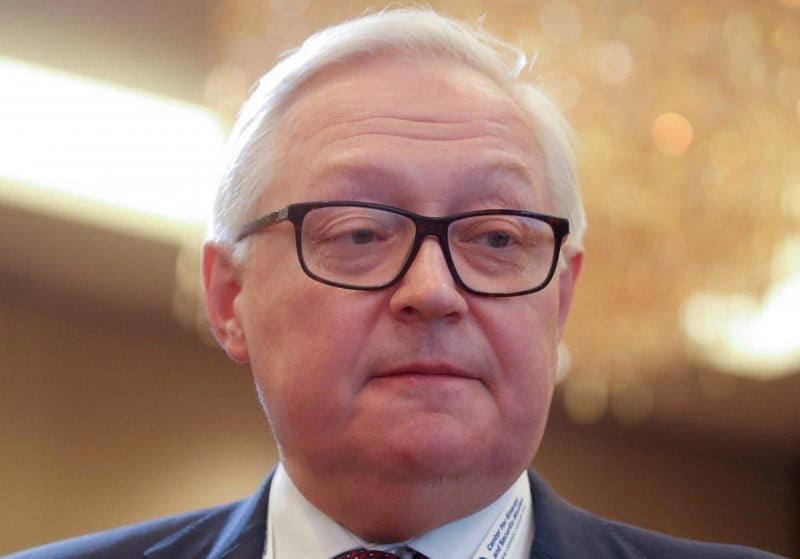
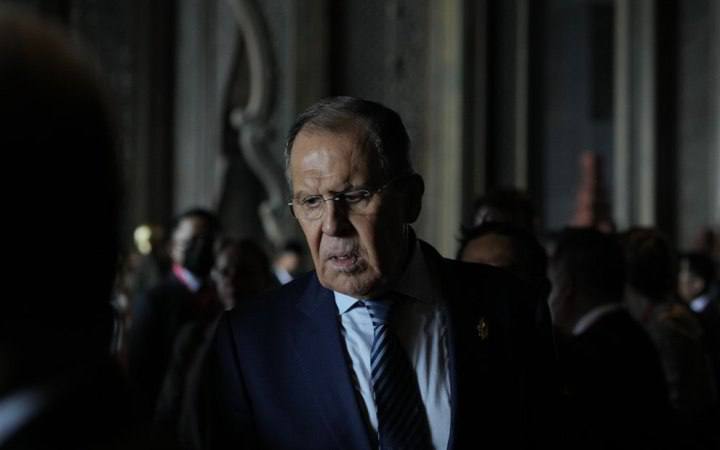
In parallel with Ryabkov’s rhetoric, Russian Foreign Minister Sergey Lavrov went even further in his assessments. In his speech, he referenced the US position regarding the absence of plans to admit Ukraine to NATO and voiced the thesis of historical grounds for Russian claims to certain regions. Lavrov also asserted that Washington expressed support for restoring the rights of Russian culture and language in Ukraine, as well as the rights of the canonical Ukrainian Orthodox Church—a position that is perceived in the Ukrainian environment as unacceptable external pressure.
“The US has clearly said that there can be no NATO for Ukraine, and they have clearly said that those lands where Russians have lived for centuries must become Russian again,” Lavrov claimed.
Such rhetoric once again demonstrates Russia’s desire to solidify its own vision of the conflict in the public and diplomatic sphere.
Why This May Not Become Peace
Despite the rhetoric about “agreements,” the reality of the negotiation process remains complex and contradictory. Russian demands regarding NATO status and controlled territories significantly differ from the key demands of Ukraine and its Western partners. On one hand, Kyiv and its allies are indeed discussing security guarantees and terms for ending the war, which may be presented to the Kremlin in the coming days. But any proposals that would involve Ukraine ceding sovereignty over its territories or limiting its foreign policy choices automatically risk being rejected.
This chasm between the statements of Russian officials and the real expectations of Ukraine and the West shows that peace without compromises—major compromises—remains distant. If Moscow continues to formulate peace as concessions that contradict Ukrainian interests and international law, then any “agreements” are more likely to become another attempt at re-negotiation rather than the end of the war.
Conclusion
Moscow’s recent statements about “readiness for a peace agreement” look more like a diplomatic conundrum with unacceptable conditions than a realistic plan for ending the war. They underscore that the difference in the parties’ positions remains deep: Russia seeks to cement its geopolitical and cultural ambitions, while Ukraine and its allies insist on protecting sovereignty and internationally recognized borders. In such a context, even an “agreement on the verge” risks becoming merely an illusion of peace.