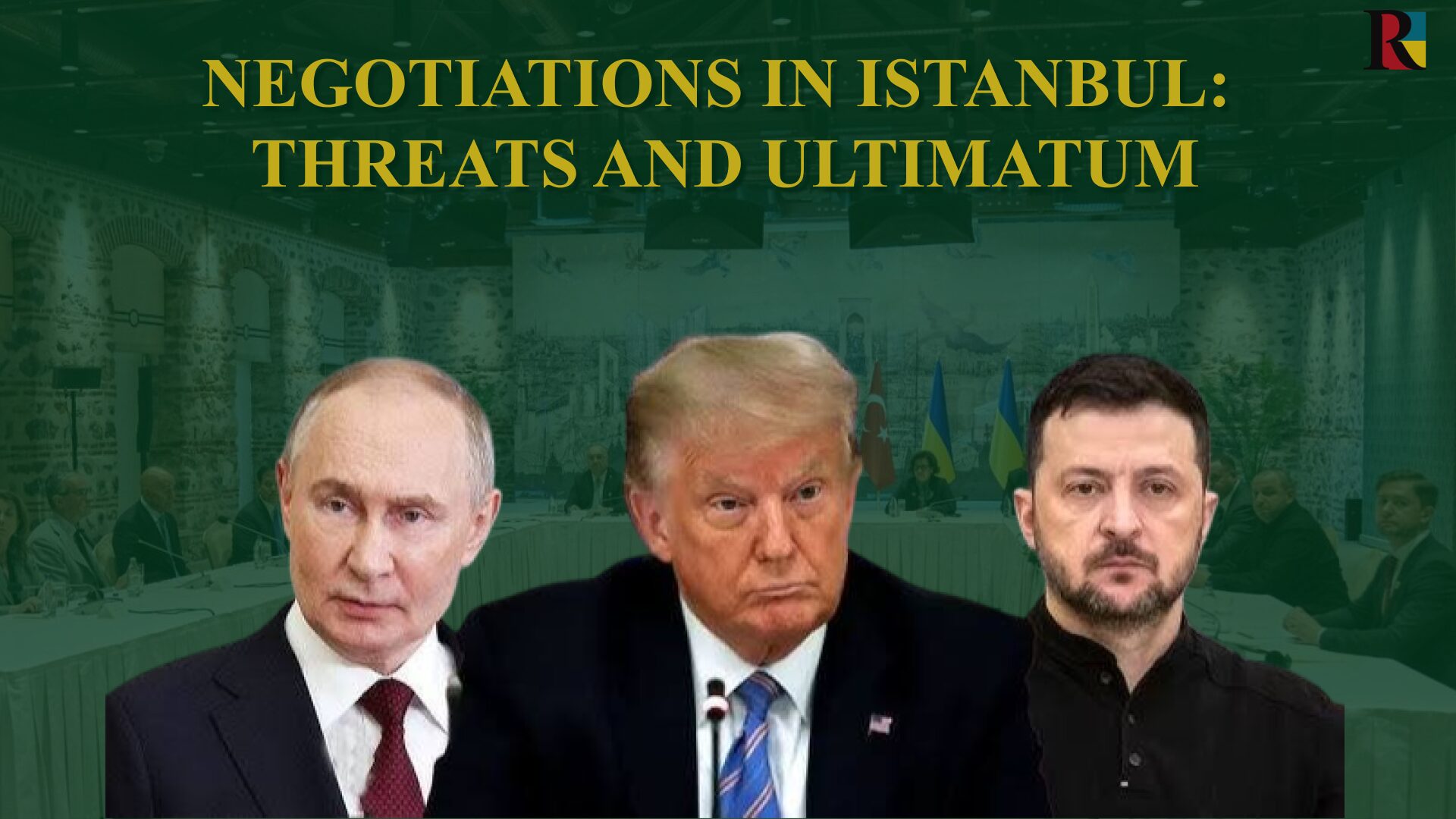


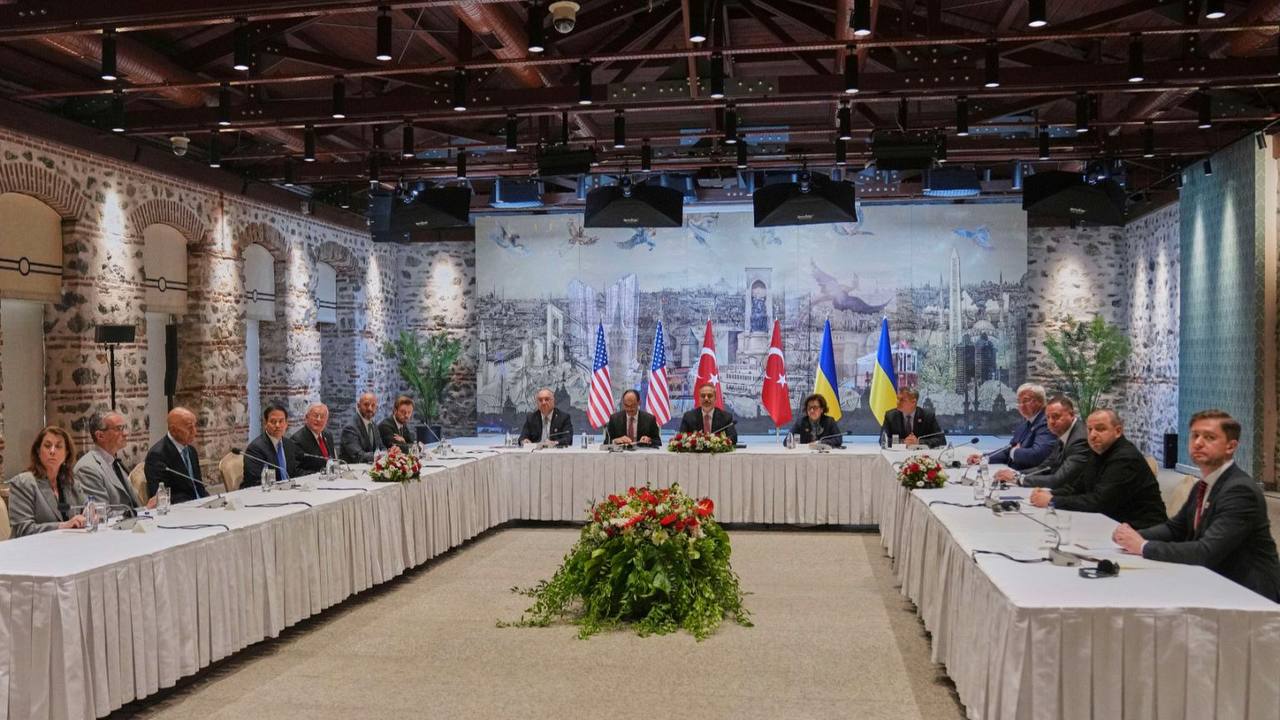
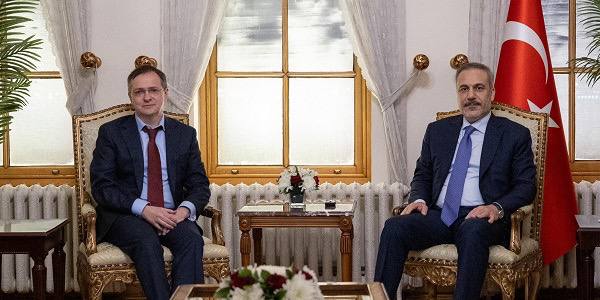
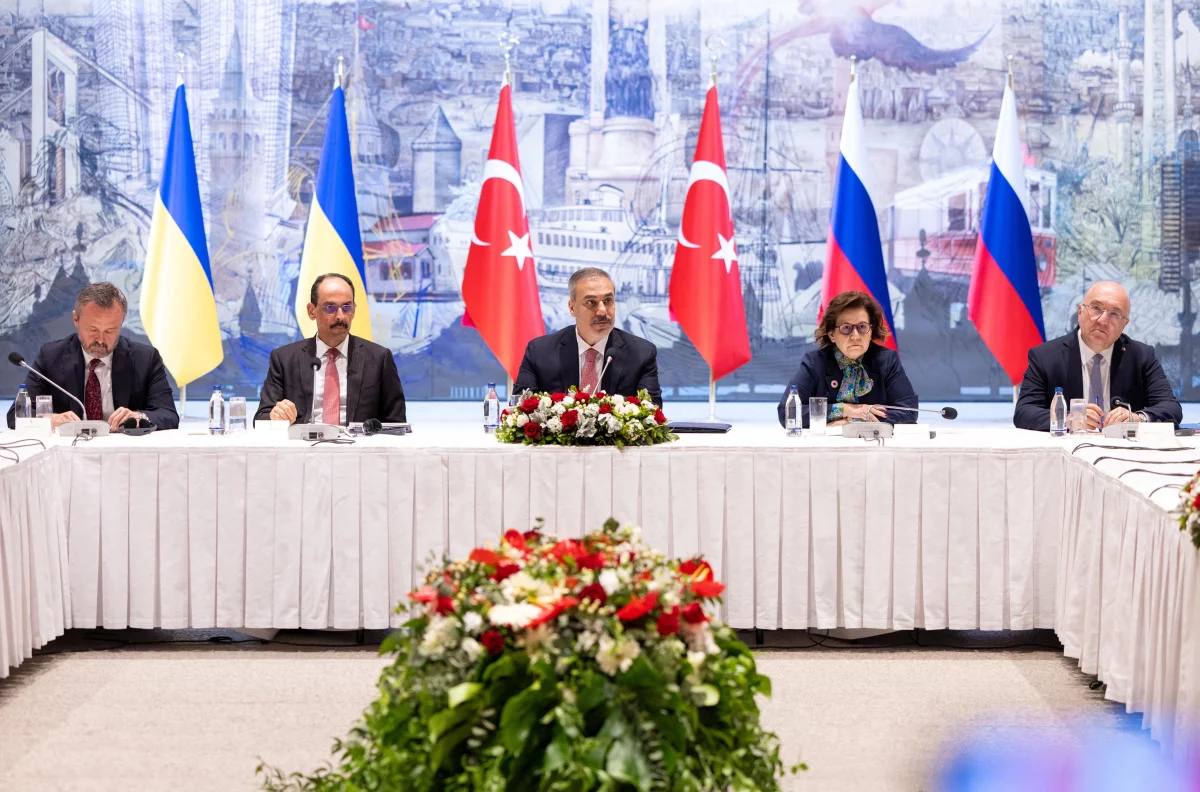
In 2025, Russia and Ukraine will again sit down at the negotiating table in Istanbul – almost three years after the start of the full-scale invasion. For many, this evoked associations with the events of March 2022, when the parties discussed ending the war in the same city. Then everything ended in nothing. And now there is a feeling that the situation is repeating itself – but already in a new phase of war and geopolitics.
Among the main results of the meeting is an agreement on the exchange of prisoners of war according to the formula 1000 for 1000, which will be the largest exchange since the start of the full-scale war. This is certainly a positive signal, as it confirms that the dialogue between the parties has not been completely destroyed.
However, there was no breakthrough on the main issue – a ceasefire. The Russian delegation put forward a tough demand: the complete withdrawal of the Armed Forces of Ukraine from all four temporarily occupied regions, including Zaporizhia and Kherson. For Ukraine, this is a red line that cannot be crossed. The result is a dead end.
Kremlin rhetoric
At the same time, the rhetoric of the Russian side, in particular that of Medinsky, indicates continued blackmail: “We fought with Sweden for 21 years. How long are you ready?” Such statements devalue the very format of the negotiations as a search for a compromise. Moreover, against the background of threats about the possible capture of Sumy and Kharkiv, they look more like part of psychological pressure than a diplomatic process.
Russia tried to organize “Istanbul-2” – an imitation of the peace process under the guise of an initiative of the United States and Turkey, in particular to satisfy the request of Donald Trump, who seeks to present himself as a peacemaker. And although formally all parties agreed to the meeting, it seems that the Russian Federation tried to drag Ukraine into a diplomatic trap: come, smile, issue an ultimatum – and accuse Kyiv of disrupting the process.
The virtual absence of authorized persons in the Russian delegation only emphasizes that Moscow did not plan real concessions. At the same time, Ukraine retained its dignity by not agreeing to capitulation terms, but left room for continued dialogue, in particular with international mediators.
Escalation
The current Istanbul, like the previous one, may instead of peace become a kind of ritual before the war moves to a new level of escalation.
Diplomacy, unfortunately, has lost its function of “anti-determinism”, when any catastrophe in the future can be prevented, and not fixed post-factum.
We are in a historical phase of the “death of diplomacy”, when foreknowledge sweeps away everything in its path.
Conclusion
In this scenario, diplomacy no longer prevents a catastrophe, but only formalizes it after the fact.
Yes, the exchange of prisoners is important and humane. But it cannot replace real peace. While the Russian rhetoric remains ultimatum-like, and Ukraine stands its ground, it is too early to talk about any cessation of the war. Most likely, war awaits us in 2026.
Istanbul became only a prelude to a new wave of escalation. And peace is still possible – but not when one of the parties wants capitulation, not compromise.
Volodymyr Savchenko, CEO of “The Ukrainian Review.