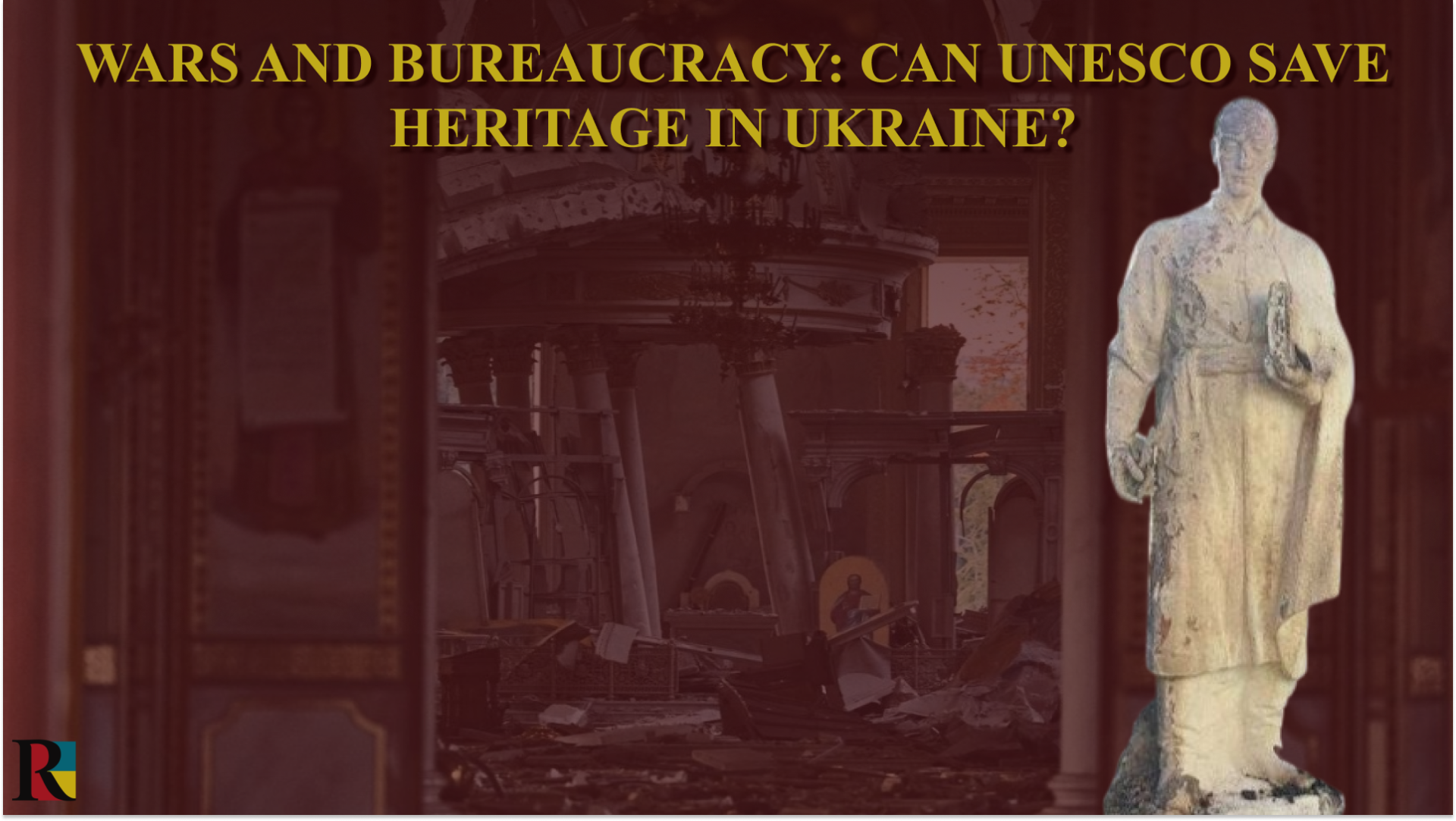


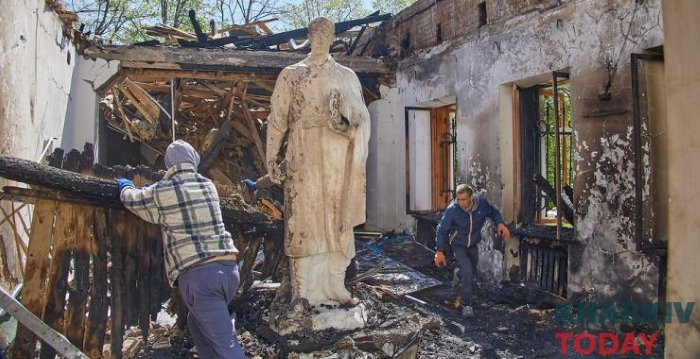
Several cultural objects in Ukraine became targets of Russian attacks. UNESCO verified 485 damaged sites as of April 16, 2025, while in March 2025, the Ministry of Culture and Information Policy reported on 1255 such objects. This brings the public discussion to a question of the World’s organisations’ obligations to wars and the ability to protect historical heritage. What are UNESCO’s position, responsibilities, and obstacles in Ukraine?
History vs structure of UNESCO
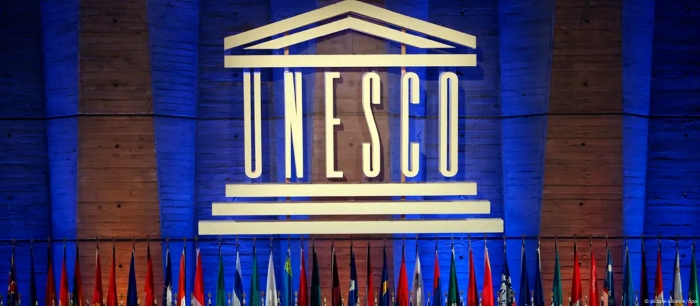
UNESCO (United Nations Educational, Scientific and Cultural Organisation) was created as a response to WW2 with the mission to contribute to the building of a culture of peace, the eradication of poverty, sustainable development, and intercultural dialogue through education, the sciences, culture, communication, and information, as declared on their website. It consists of 194 member states and 12 associate members.
Russia and UNESCO
Despite all committed war crimes, Russia remains a member of the UNESCO. According to the rules, membership in the United Nations opens the right to membership in UNESCO. In turn, in the UN Russia inherited from the Soviet Union the right to veto all the decisions, including the one about its exclusion. However, in November 2023 the Russian Federation was for the first time ousted from the Executive Board of UNESCO. This organ consists of 58 members, responsible for the agenda of the General Conference, examination of the program of work for UNESCO, and corresponding budget estimates submitted to it by the Director-General.
At the beginning of the full-scale invasion of Ukraine, a Russian representative was Chairperson of the World Heritage Committee but resigned from his post in November 2022 due to the outcry of other members.
Ukraine and UNESCO
In opposite, on November 22, Ukraine was elected to the UNESCO World Heritage Committee for the first time, membership in which allows pushing the Ukrainian agenda more effectively.
Currently, the list of Ukrainian UNESCO material heritage consists of 8 positions:
- Kyiv: Saint-Sophia Cathedral and Related Monastic Buildings, Kyiv-Pechersk Lavra
- L’viv — the Ensemble of the Historic Centre
- Struve Geodetic Arc
- Ancient and Primeval Beech Forests of the Carpathians and Other Regions of Europe
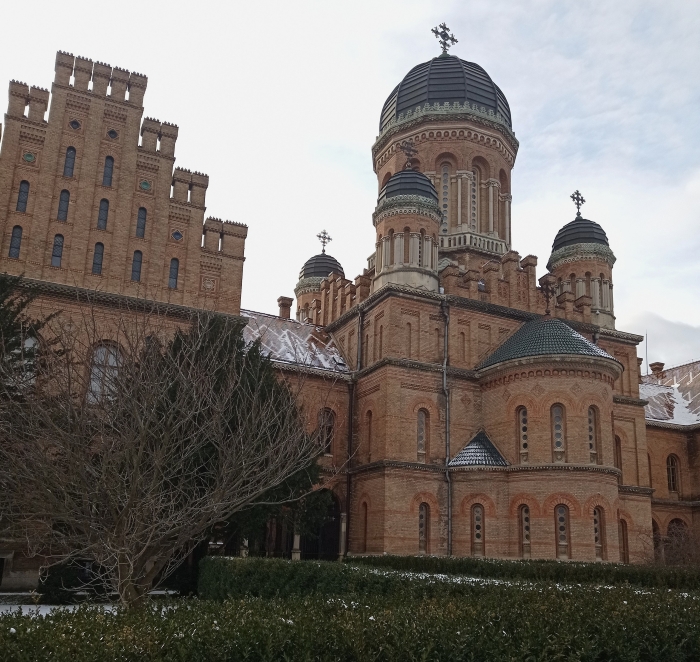
- Chernivtsi: Residence of Bukovinian and Dalmatian Metropolitans
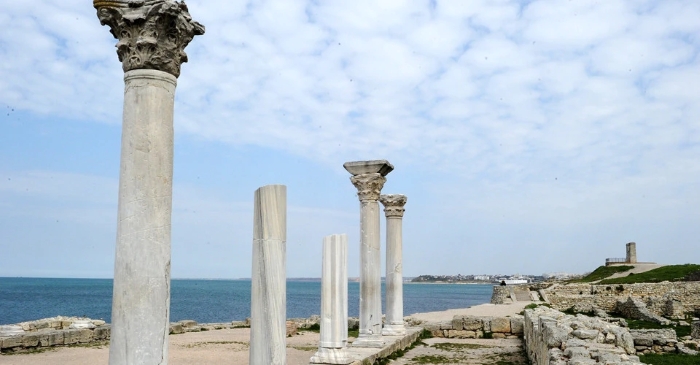
- Sevastopol, Crimea: Ancient City of Tauric Chersonese and its Chora
- Wooden Tserkvas of the Carpathian Region in Poland and Ukraine
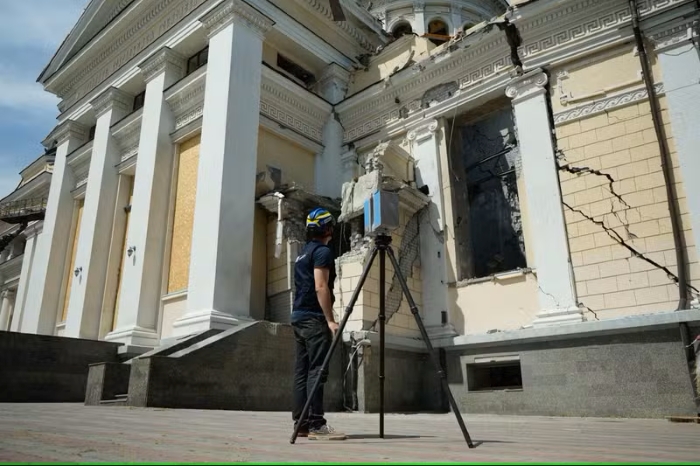
- The Historic Centre of Odesa
Kyiv, Lviv, and Odesa historic centres are in the List of World Heritage in Danger, which consists of 56 properties worldwide, while the total amount of UNESCO’s heritage sites is 1223.
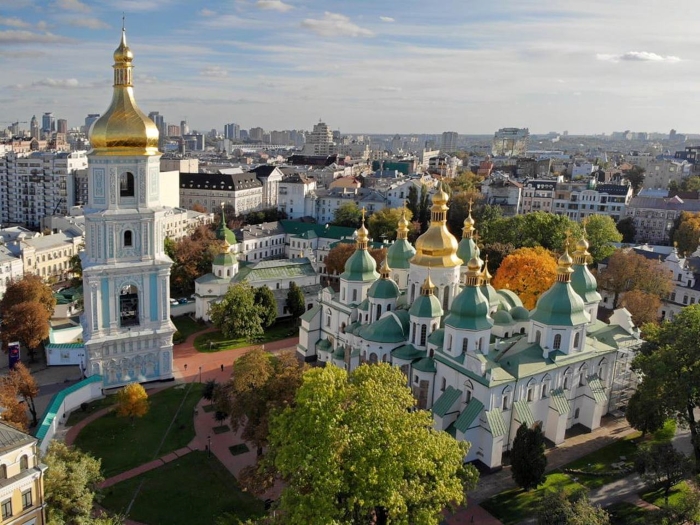
Saint-Sophia Cathedral is the first position in the Ukrainian list, added in 1990. It was built in the 11th century and belongs to Kyiv Rus times. As it is described on the website of UNESCO, it played a role in the spreading of the Orthodox faith on the European continent. This is the oldest Christian temple, completely preserved in the East Slavic, with the unique frescoes and mosaics inside. As the Facebook page of the National Reserve “Sophia of Kyiv” reported in 2022, there was a danger for the place since it became the target for Russia.
General Director of the reserve Nelia Kukovalska confirmed that Ukrainian intelligence had data about Russian intention to destroy the monument:
The Ministry of Culture contacted UNESCO, the UN, and other major international organisations, and I reached my colleagues around the world.
I’ve researched the Internet, looking rot the methods how monuments were protected during the Second World War or the wars that are happening now, but each option is individual. We have laid down the weakest points of the cathedral. Only air defence can protect it from a direct hit.
Nelia notes that she did not receive a response to the threat, but the International Council on Monuments and Sites, UNESCO’s partner, promised to help with the 3-D scanning of the monument, but the matter was not followed through. Later, the digitisation took place after an appeal to the President of the Association of European Cathedrals Architects, and a scanner was sent from Vienna.
General Director of the reserve added:
I have been working here for 24 years, and the only practical assistance we have had from UNESCO is advice and some grants for equipment. When we had a protectorate over Crimea, we bought good equipment in Sudak at UNESCO’s expense to conduct comprehensive monitoring of the slopes. I wanted UNESCO to be more proactive and pragmatic. I know that the Japanese government gave a lot of money for Ukraine. We have not seen them practically. There were seminars and roundtables organised with big budgets. They were basically 90% useless to Ukraine. We need practical things. Equipment, money to fix the state of disrepair of monuments, etc.
The Ministry of Culture and Strategic Communications specifically mentioned UNESCO’s plans for the reserve in a response to The Ukrainian Review’s request:
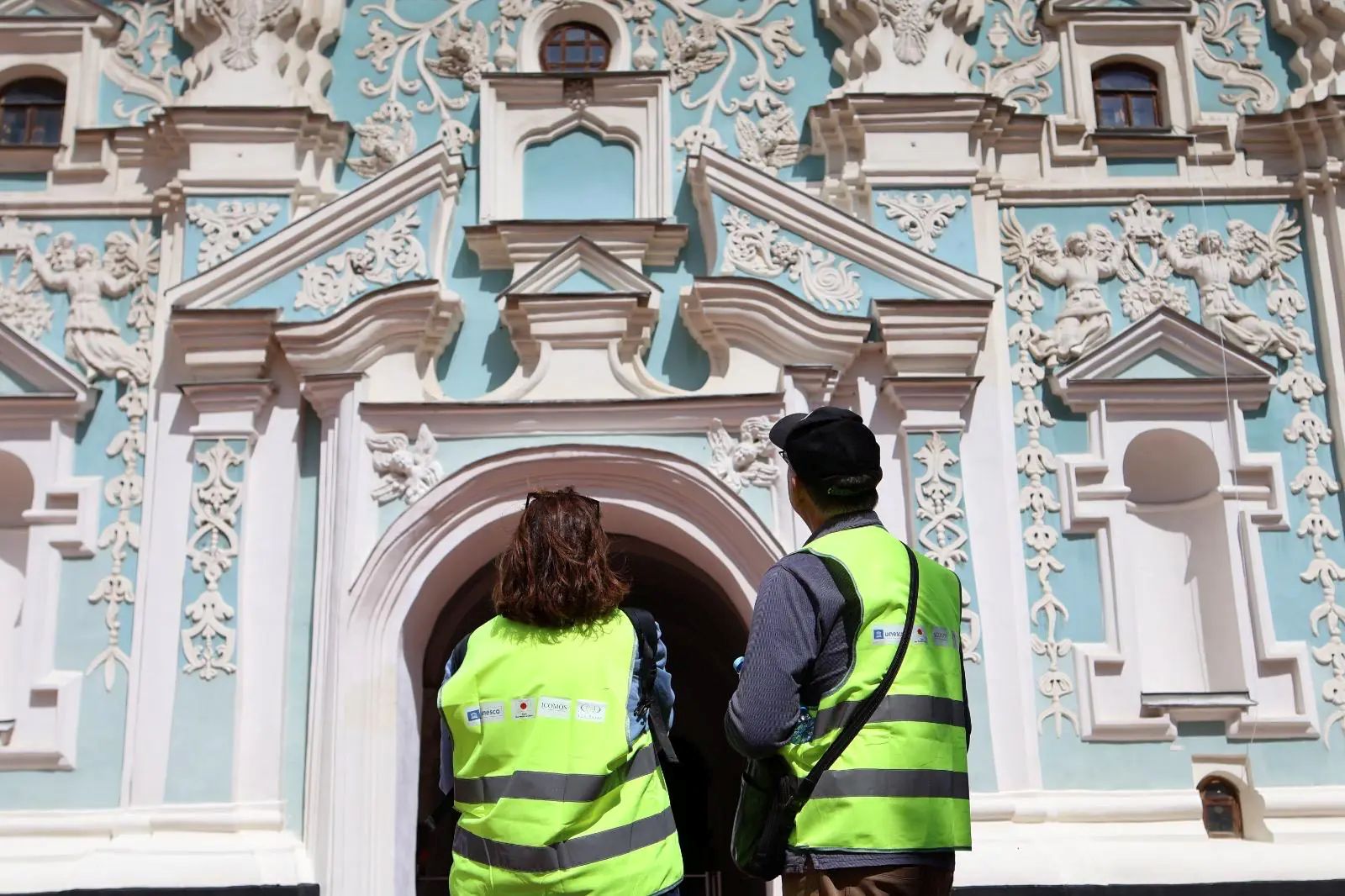
In addition, as part of UNESCO’s assistance to Ukraine for the protection of the World Heritage Site ‘Kyiv: St Sophia Cathedral and Adjacent Monastery Buildings, Kyiv-Pechersk Lavra’, it is planned to develop an emergency preparedness plan for World Heritage sites. The programme is funded by Japan.
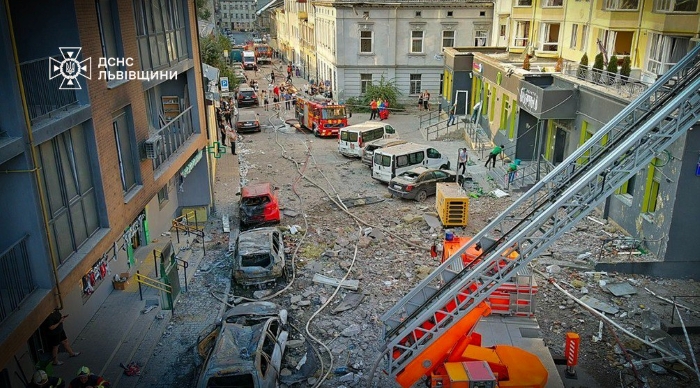
The next position in the list — Lviv historic centre. On September 4, 2024 Russia attacked this area with drones, killing 7 people. 17 cultural buildings were damaged.
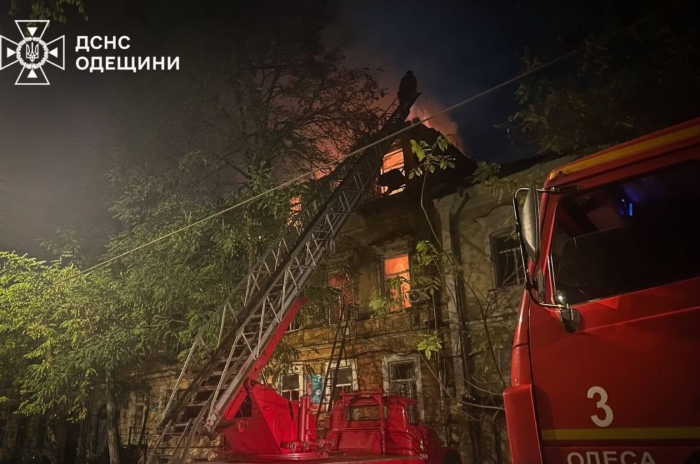
Two months later, on November 15 Russia attacked Odesa centre. Around 20 buildings were damaged. At that night, one person was killed and 10 injured. UNESCO officially condemned this attack.
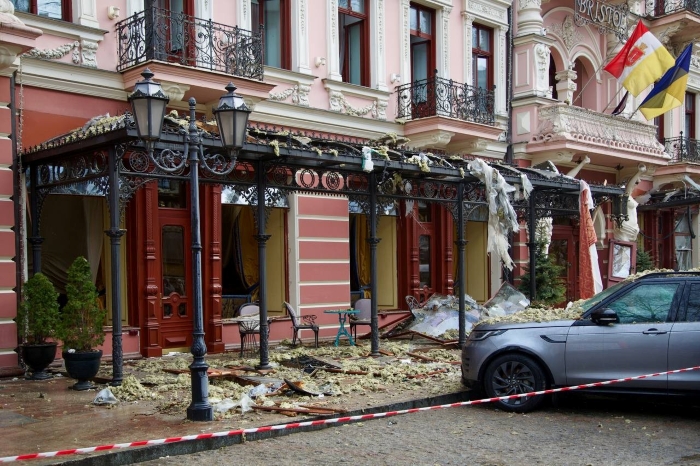
On 31 January 2025, 15 monuments in Odesa, including the Bristol Hotel and the Philharmonic, which had been under enhanced UNESCO protection since 2023, were severely damaged by missile attacks.
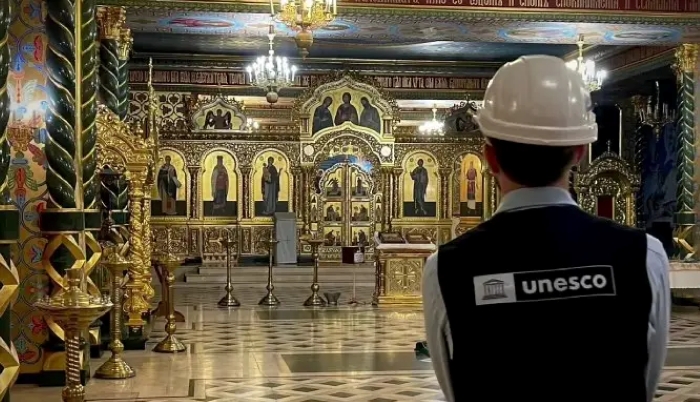
Earlier, in the summer of 2023, Russia destroyed the Transfiguration Cathedral in Odesa. Then Italy, having signed an agreement with UNESCO, allocated 500,000 euros for the reconstruction.
The worst situation is currently with the occupied monument of Tauric Chersonese in Crimea. Part of the heritage was looted and taken to the territory of the Russian Federation. Authentic layers with artefacts were removed without research and the territory was built up with new structures, called by the invades as “New Chersonese”.
To a certain extent, UNESCO tracks the situation in annexed Crimea. It is declared in “Follow-up of the situation in the Autonomous Republic of Crimea (Ukraine)”, in which the sovereignty of Ukraine was affirmed by the organisation. The website of the Permanent Delegation of Ukraine to UNESCO stated that as of 2021, more than 30 meetings had been held with reports on violations on the occupied peninsula. Due to the inability of experts to assess the situation on site, the monument is not included in the list of endangered sites. Although, as reported by Suspilne Crimea in 2024, the process of finding a legal algorithm for adding the monument to it is currently underway. UNESCO has no mechanisms for actual enforcement of international law. However, it can be more effective by providing tools to help restore already damaged objects.
In 2024, as a necessity to comply with the provisions of the 1954 Hague Convention for the Protection of Cultural Property in the Event of Armed Conflict, a cultural heritage protection unit was established in the Armed Forces of Ukraine. However, the principles of its functioning are not disclosed.
Tourism and prosecution: prospects for cooperation
The procedure of submitting monuments to the list is not an initiative of the countries, but rather has an image purpose. At the same time, it is an additional consolidation of monuments for Ukraine and an advantage in the development of tourism potential.
In a commentary to The Ukrainian Review, the Ministry of Culture and Strategic Communications of Ukraine noted that measures to expand the list of UNESCO heritage sites are currently underway:
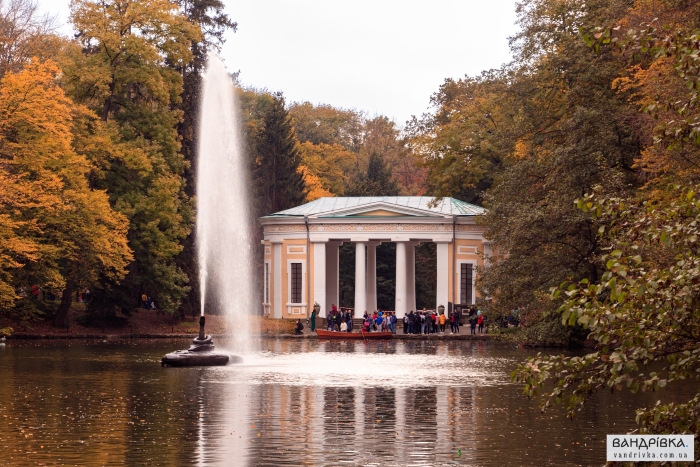
The issue is currently being worked out jointly with other relevant organisations and institutions, city councils, regional military administrations, and institutions under the management of the MCSC. In particular, the nomination dossier for the cultural heritage site “Sofiyivka Park. Romantic park — an echo of antiquity” was submitted to the MCSC for consideration.
At the same time, in accordance with part one of Article 376 of the Law of Ukraine “On Protection of Cultural Heritage”, a cultural heritage site that may have outstanding universal value and meets the criteria set by the UNESCO World Heritage Committee is nominated by the central executive body responsible for the formation of state policy in the field of cultural heritage protection upon the recommendation of the Ukrainian National Committee of the International Council on Monuments and Sites.
The MCSC notes that they, for their part, inform the international community about the damage and destruction of monuments, and UNESCO monitors these damages in order to assess the extent and further assist in the restoration (respectively, of the part they have verified).
Such missions took place in the cities of Chernihiv, Odesa, Kharkiv, and Lviv. Reports of these missions with UNESCO’s recommendations for appropriate measures are currently awaited. The decision to provide international assistance is made on the basis of requests from the MCSC and local authorities in the framework of regular coordination consultations, subject to the availability of appropriate funding.
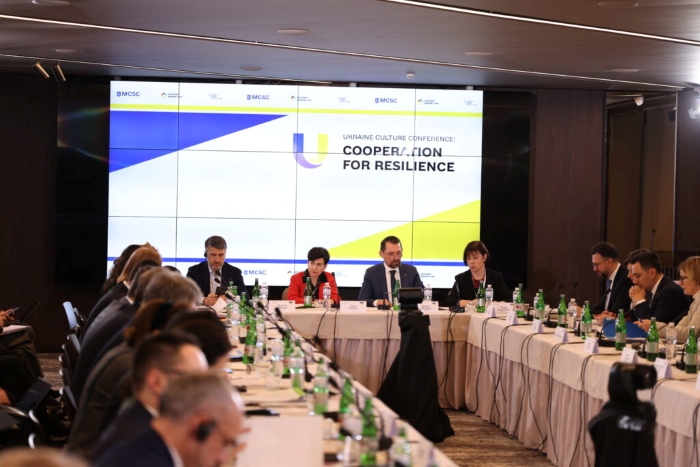
Ukraine highlights the issue of damage and destruction of cultural heritage at events organised by UNESCO and foreign states. In particular, the above-mentioned issue was highlighted at the first international conference on the culture of Ukraine “Cooperation for Resilience”, which took place on 01.02.2025 in Uzhhorod and was attended by 28 delegations of partner countries, as well as representatives of the European Commission and UNESCO… As a result of the conference, a Declaration on Strengthening the Resilience of the Cultural Sector in Ukraine was adopted.
The ministry emphasises that measures to record damage can serve as evidence in the possible prosecution of the aggressor country:
The issue of creating a relevant document that would provide for sanctions, mechanisms of responsibility for damage and destruction of cultural property in times of war is currently being considered. This should be a joint and comprehensive effort to improve mechanisms for holding aggressors accountable for the destruction of cultural heritage. And the experience of countries at war must be taken into account on a mandatory basis.
It is important for Ukraine to establish consultations with UNESCO, for example, to use UNESCO’s technical, expert, and methodological capabilities to prepare reports that can be used in the preparation of materials for the International Criminal Court on the destruction of cultural heritage.
Cooperation with UNESCO contributes to Ukraine’s tourist visibility, provides additional opportunities to restore damaged sites and collect evidence of Russia’s war crimes against culture. At the same time, bureaucratic procedures slow down these processes, and the status of a UNESCO World Heritage Site and a site under enhanced protection does not prevent Russian attacks on the territories controlled by Ukraine and the looting of sites under occupation. The war in Ukraine, like other armed confrontations in the world, is becoming a huge challenge for organisations that were created to function in peace, and UNESCO is now also in need of transformation.