

A gunman tried to kill Donald Trump at a rally
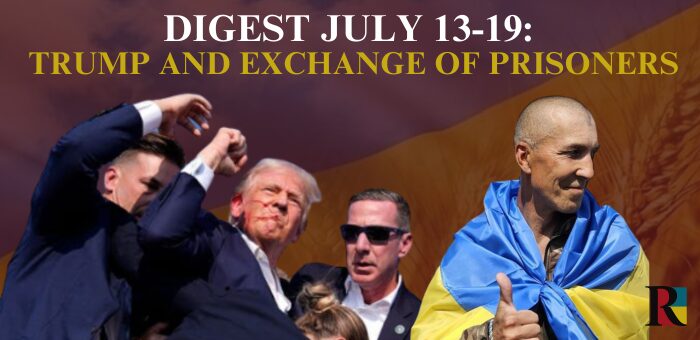
On July 13, former US President Donald Trump was allegedly assassinated at a rally in Pennsylvania.
Trump was giving a speech when he was shot. In a post on his Truth Social network, Trump said that the bullet pierced the “top” of his right ear. He has already been discharged from the hospital.
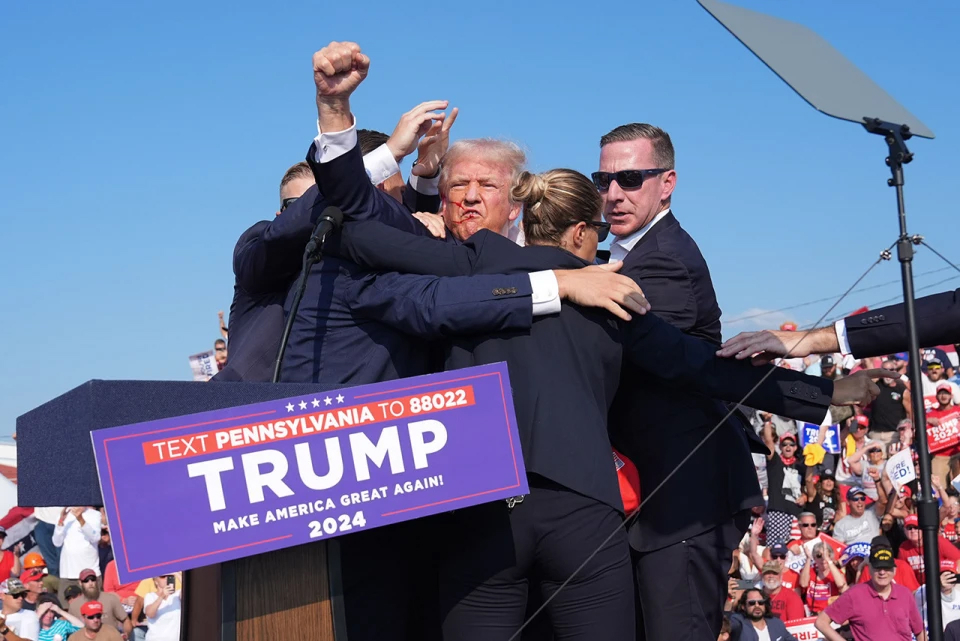
The suspect in the attack was killed. At least one other rally participant was also killed, the district attorney said.
Later, the FBI announced the name of the suspect in the attack – 20-year-old Thomas Matthew Crooks.
Also later, Donald Trump announced his vice presidential candidate. It was Ohio Senator, James David Vance, who opposed military aid to Ukraine.
Ukraine exchanges prisoners of war with Russia – 95 soldiers return home
On July 17, 95 prisoners of war were returned to Ukraine as part of an exchange with Russia. Among them were servicemen of the Armed Forces of Ukraine, the National Guard and border guards.
The exchange was mediated by the United Arab Emirates.
The Coordination Headquarters for the Treatment of Prisoners of War reported that all the released men were men: 88 privates and sergeants, 7 officers.
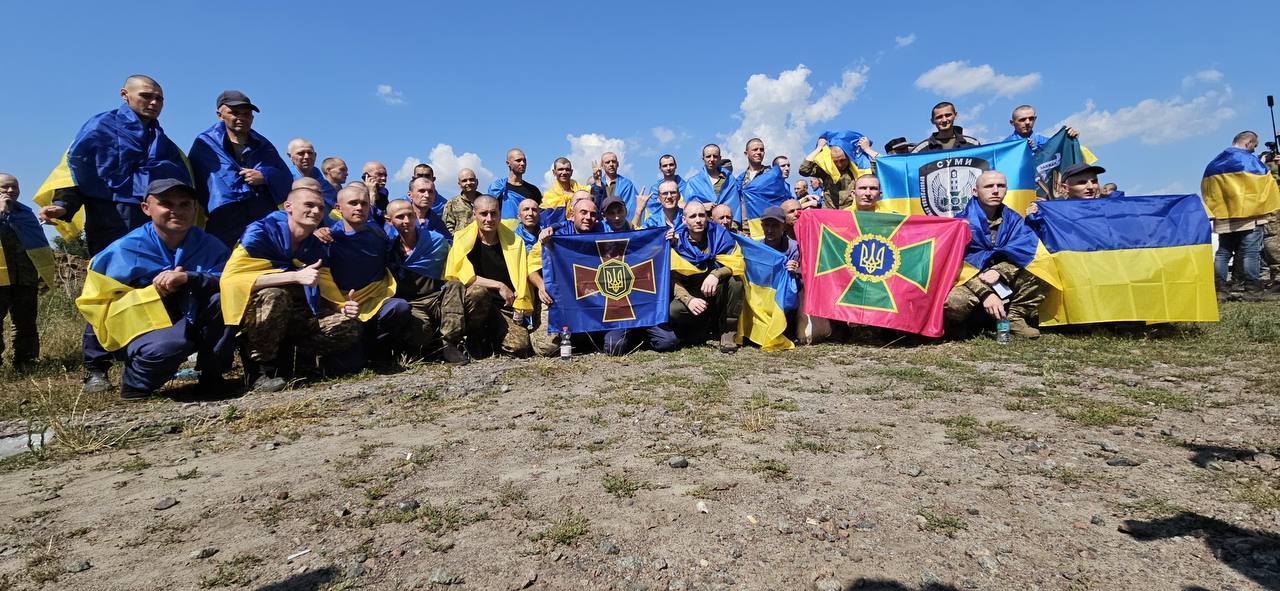
Most of them had been held captive by the aggressor country since 2022. Among those released is a defense lawyer who was considered missing.
This is the 54th prisoner exchange since the beginning of the full-scale invasion. In total, the Coordination Center has managed to return 3405 people.
Japan plans to provide Ukraine with a $3.3 billion loan from frozen Russian assets
Ukraine may receive a $3.3 billion loan from Japan using the interest earned on frozen Russian assets.
The distribution of aid will be coordinated by the G7 members after their leaders agreed to allocate $50 billion to support Ukraine during the summit in Italy in June.
The US and EU will allocate $20 billion each. Japan, the United Kingdom, and Canada will share the remaining $10 billion. The project is scheduled to start this year.
The loan agreement was made amid fears of “Ukraine fatigue”, as doubts remain about how long the U.S. and other partners will be able to help Kyiv with weapons and help rebuild its shattered infrastructure.
Ursula von der Leyen re-elected as President of the European Commission
The European Parliament has voted in favor of Ursula von der Leyen’s candidacy for the post of President of the European Commission for the next 5 years.
401 MEPs voted in favor of Ursula von der Leyen’s appointment, 284 voted against. The voting was secret.
In her election program, von der Leyen promised to strengthen the EU’s defense policy, introduce defense commissioners to the European Commission, and promote the integration of Ukraine, Moldova, Georgia and the Western Balkans into the EU.
Von der Leyen’s appointment does not mean that the new European Commission will start working. The European Parliament still has to approve the candidacies of all the commissioners, which may take weeks.
Ukraine signs security agreements with the Czech Republic and Slovenia
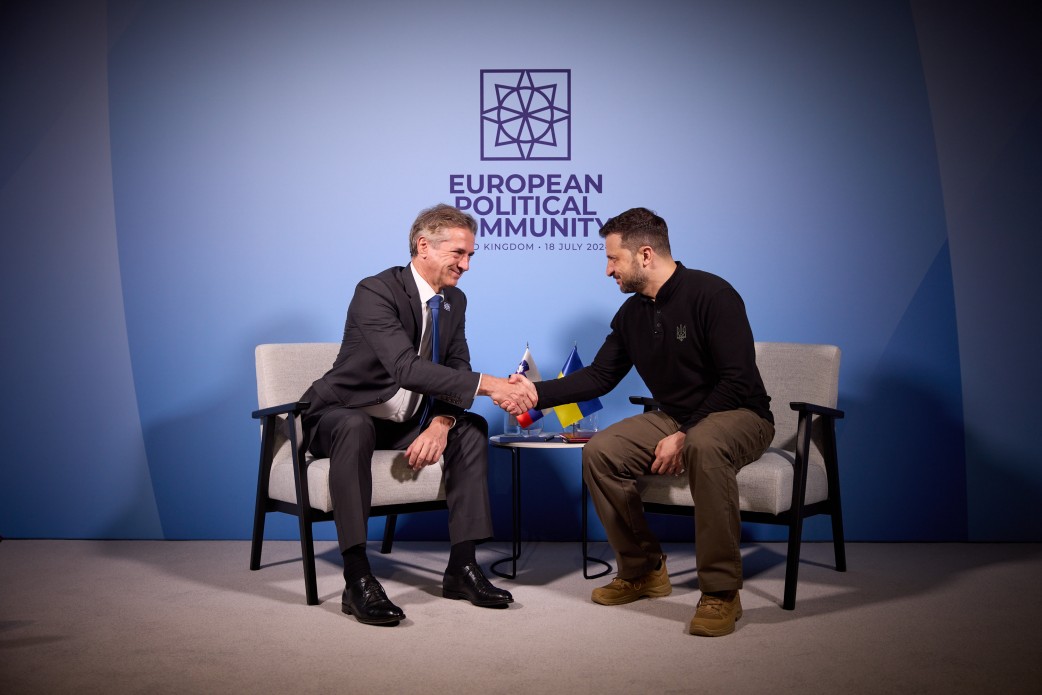
Ukraine has signed security agreements with two more European countries. These are the Czech Republic and Slovenia.
The agreement signed by Ukrainian President Volodymyr Zelenskyy with Czech Prime Minister Petr Fiala states that since the beginning of the full-scale Russian invasion, the Czech Republic has provided Ukraine with military assistance worth about 400 million euros. Prague will continue to maintain the same dynamics over the 10 years of the document’s validity.
Meanwhile, Slovenia also pledged to maintain the level of support throughout the ten-year agreement with Ukraine and to facilitate the implementation of Ukrainian defense industry projects within the EU Mission.
Both countries also reaffirmed their support for Ukraine on its path to future EU and NATO membership.
Kateryna Yashchuk