

In January 2024, I was re-elected as Chair of the Committee on Migration, Refugees and Displaced Persons of the Parliamentary Assembly of the Council of Europe (PACE). It is a great responsibility to serve as a representative of Ukraine on the PACE Bureau. My mission is to defend the interests of Ukrainians affected by war and to counter Russian aggression on all fronts – legal, humanitarian, and informational.
Against the backdrop of Russia’s full-scale war, Ukrainian representatives in international institutions face a dual mission: to be the voice of our people and a shield against the aggressor.
Protecting Ukrainians who escaped the war
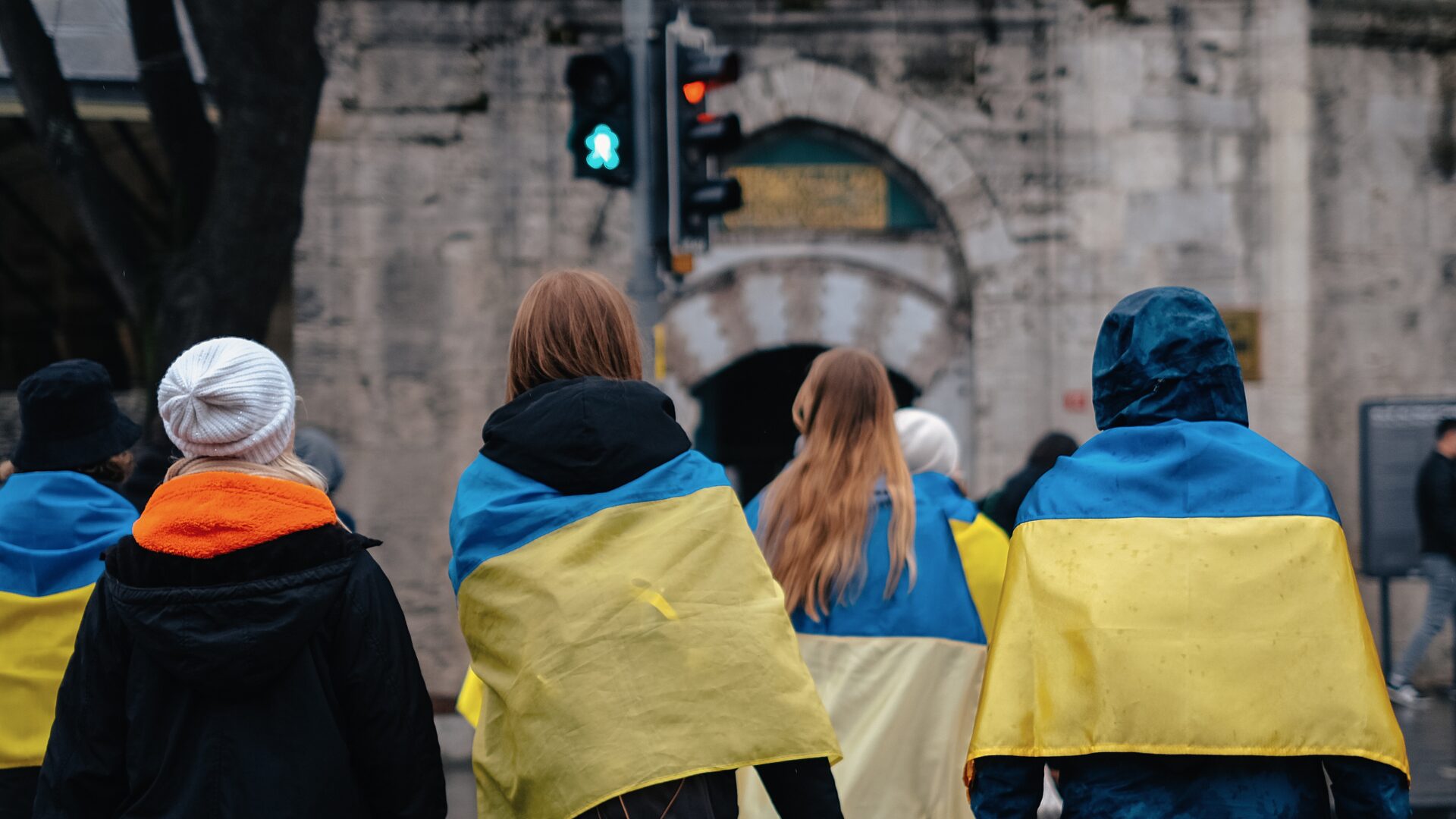
Protecting Ukrainians abroad is my top priority as Chair of the Migration and Refugee Committee. Millions have left their homes, lost their familiar lives, their families, and the future they were building for decades. Each one of them has the right to safety, dignity, and support. That’s why we constantly work on expanding legal tools to support those who were forced to leave their homeland.
In June 2024, PACE supported a breakthrough initiative – my amendment to a resolution introducing concrete financial support for Ukrainian refugees, children, persons with disabilities, and internally displaced persons (IDPs).
The key provisions include:
- Regular payments to IDPs in Ukraine: pensions, social assistance, business grants, and housing support;
- Automatic recognition of disability status for Ukrainian refugees across EU countries, enabling them to access healthcare without redundant procedures;
- Mandatory inclusion of the Ukrainian language in school curricula in host countries;
- Financial support mechanisms for Ukrainians returning home post-war to ease reintegration.
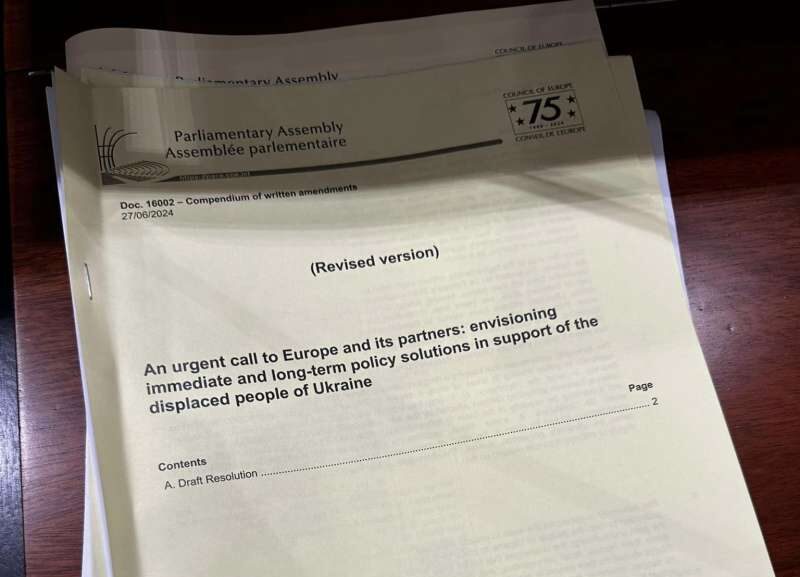
The resolution passed unanimously – all PACE political groups supported it. This proves the world can still unite around dignity, human rights, and international solidarity.
The future of Ukrainian refugees
In committee sessions and speeches at PACE, I’ve repeatedly emphasized that offering temporary protection to millions of Ukrainians is not only an act of solidarity – it’s a test of Europe’s values. As some countries, like Germany, begin tightening regulations for refugees, I continue to underline: Ukrainians are fleeing war, missiles, and destruction – not poverty.
At the same time, in peacetime, the return of Ukrainians must be voluntary, not forced. In PACE, I’ve initiated resolutions focused on the rights and integration of displaced persons into European society. Europe should not see Ukrainians as a burden, but as potential – educated, hardworking, and highly motivated individuals.
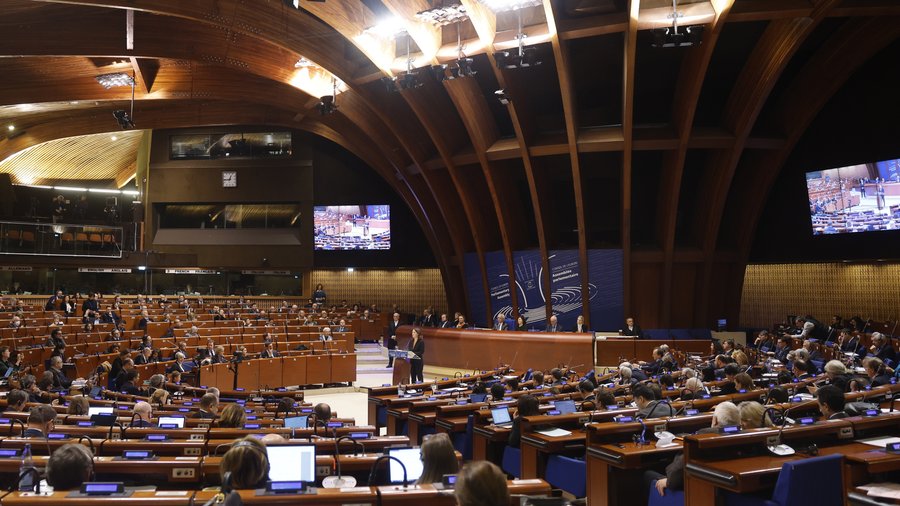
Among my key priorities: developing intergovernmental agreements on education for Ukrainian children, access to healthcare, and labor market integration.
Compensation as a mechanism of justice
Justice is not an abstraction – it’s the right of those who suffered to receive reparation. That’s why we’re fighting for frozen Russian assets to be used to support the victims. It’s not only about large economic recovery plans – it’s about direct compensation for individuals who lost their homes, jobs, or families.
On April 9, 2025, PACE adopted a resolution supporting the creation of an international compensation mechanism. I insisted that the funds should be directed primarily toward:
- Rebuilding Ukrainian towns and villages destroyed by Russian shelling;
- Providing housing for IDPs unable to return home;
- Supporting rehabilitation centers for the wounded, war-disabled, and orphaned children;
- Compensating the families of deported Ukrainians, including those from temporarily occupied Crimea.
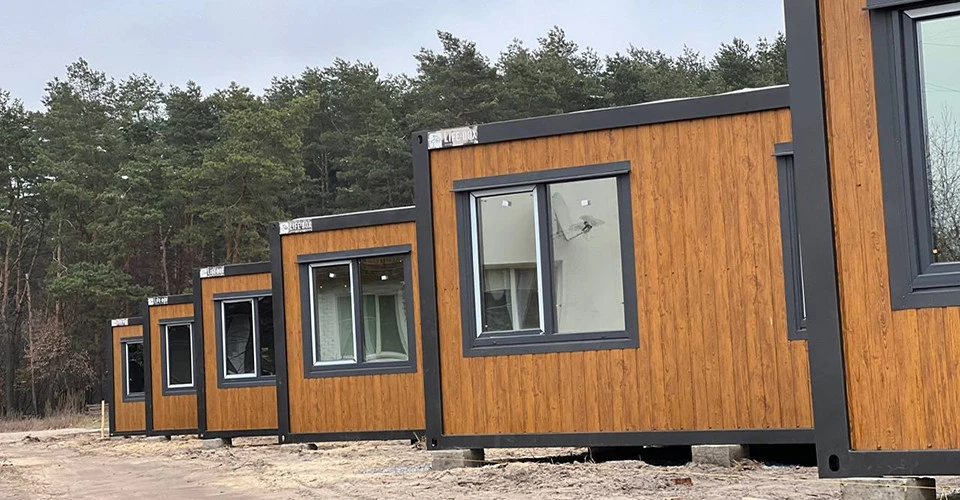
We also defended a crucial principle: the register of damages must cover all of Russia’s aggression – starting from 2014. This means that those who lost everything in Donetsk, Luhansk, and Crimea – even before the full-scale invasion – must also have the right to compensation. This is a matter of historical justice.
Fighting for accountability
Another front in our struggle is the information war. For decades, Russian media have conducted subversive operations across Europe, using TV, the internet, and religious structures as instruments of influence. On April 8, 2025, I proposed amendments to a PACE resolution clearly stating: RT and Sputnik are not media – they are weapons.
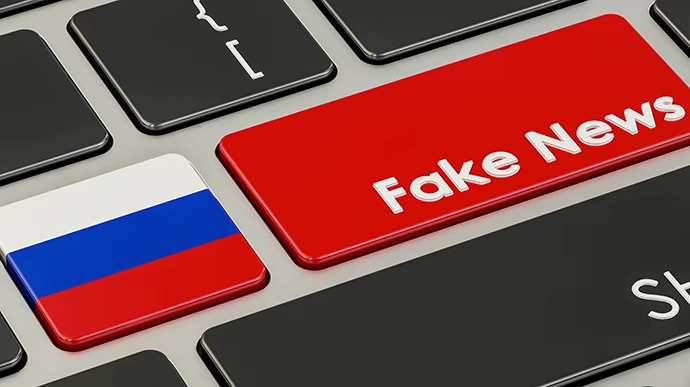
For the first time, my amendment officially recorded that these outlets spread disinformation and are tools of Russia’s hybrid warfare.
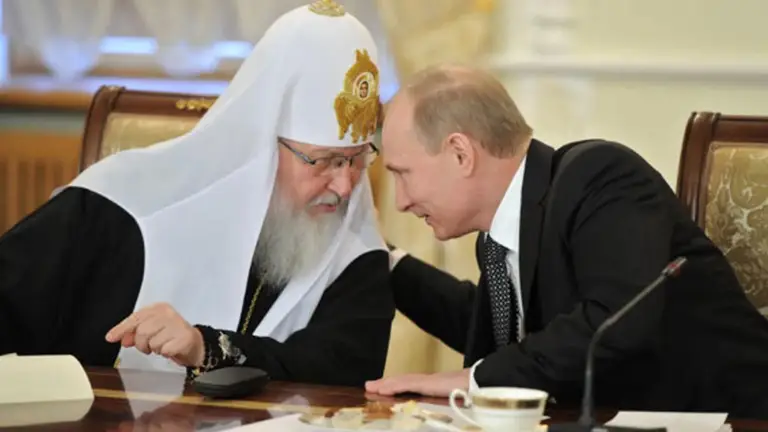
Equally important, PACE recognized the Russian Orthodox Church as an instrument of state propaganda. A church that should unite people instead serves the Kremlin’s interests. Europe must strengthen oversight of religious institutions that act as foreign influence channels.
PACE also supported my amendment introducing sanctions on the Russian military-industrial complex — particularly the business empire of oligarch Vladimir Lisin. This is a clear signal: companies that fuel war cannot operate in Europe with impunity.
Conclusion
Ukraine is not a victim – it is a fighter. And our fight is not only for ourselves. It is a fight for Europe, for democracy, and for the freedom of nations to determine their future.
In PACE, I work for justice. My presence here is a constant battle – for votes, for resolutions, for the wording that lays the groundwork for real decisions in support of Ukraine’s interests.
Oleksiy Goncharenko
*These opinions are solely those of the author. The Ukrainian Review does not take any position and is not responsible for the words of the author.
Oleksiy Goncharenko is a Ukrainian politician, member of the Ukrainian delegation to the Parliamentary Assembly of the Council of Europe and President of the PACE Committee on Migration, Refugees and Displaced Persons. In 2014, he was the head of the Odesa Regional Council.