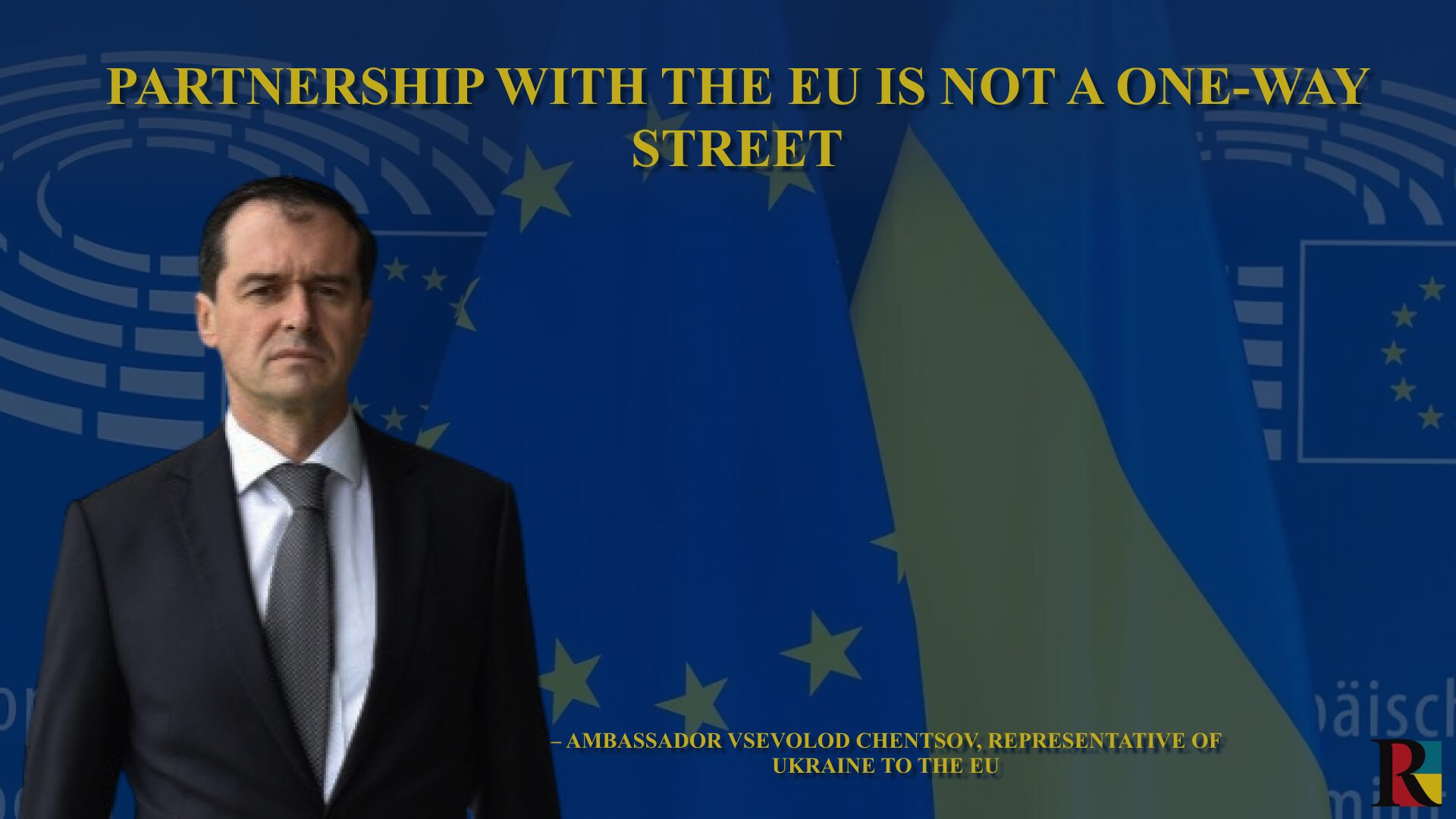


Step by step, Ukraine is approaching its goal of joining the EU. In the course of this process, we face various challenges, such as the blocking of negotiations by Hungary and the postponement of the opening of Cluster 1. We talked to Ambassador Vsevolod Chentsov, Representative of Ukraine to the EU, who told us about the mood of the European community, our advantages and main challenges in the accession process.
Tetiana Stelmakh: On April 30, the EU Ambassador to Ukraine, Katarína Mathernová, stated that the separation of Ukraine’s and Moldova’s accession processes to the EU is currently not being considered. In your opinion, why have the negotiations not yet been opened? How might this affect our European integration process?
Vsevolod Chentsov: Ukraine and Moldova are moving in a synchronized manner through the EU membership negotiation process. We share a common calendar of screening meetings – both countries are completing the legislative screening by September, and both are demonstrating significant progress in reforms. Currently, the opening of Cluster 1, “Fundamentals,” is being blocked. Delays and unjustified obstructions in the negotiation process undermine the EU’s core principle – the merit-based approach.
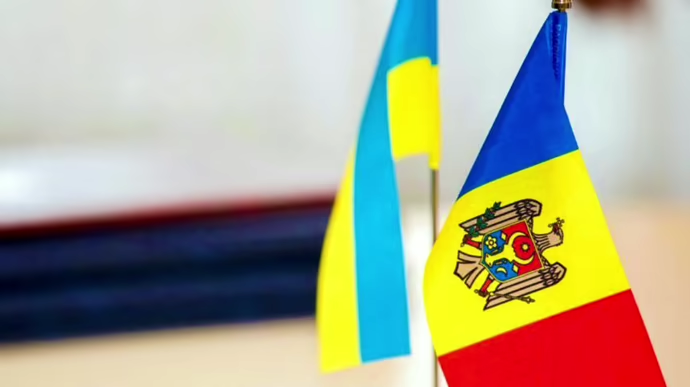
Since, under the enlargement methodology, Cluster 1 must be opened first, its blockage prevents the opening of other negotiation clusters. At the same time, to avoid wasting time, Ukraine and Moldova are cooperating with the European Commission to technically prepare for the opening of negotiation clusters.
Tetiana Stelmakh: Do all EU member states want to see Ukraine in the Union? For example, there are reports that Hungary is taking a negative stance, particularly through blocking negotiations to secure expanded rights for its minority. Should we perceive this as lobbying of its own interests through some kind of blackmail?
Vsevolod Chentsov: We have the support of 26 member states for opening Cluster 1. In order to unblock the negotiation process, the Ukrainian side proposed an algorithm – agreeing with the Hungarian side on an action plan regarding the protection of national minorities.
The Ukrainian side prepared and submitted this action plan to the
side. On April 29, the first bilateral meeting was held to discuss the protection of minority rights, and on May 26, the second meeting took place at the expert level concerning the protection of minority rights in the educational sphere.
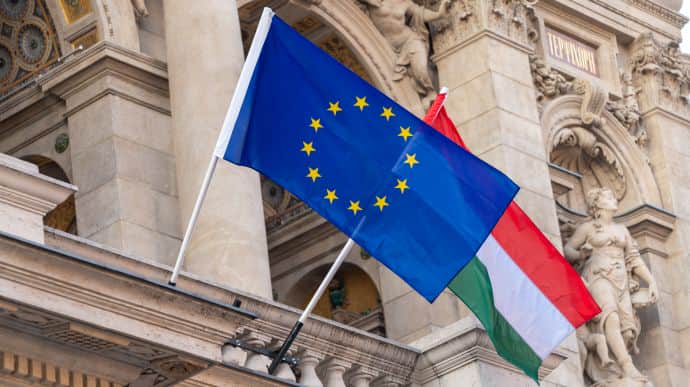
However, the Ukrainian side has not yet received Hungary’s agreement to the proposed algorithm for unblocking the opening of Cluster 1. Minister for Foreign Affairs of Ukraine Andrii Sybiha reiterated Ukraine’s readiness to continue constructive dialogue with Hungary during the meetings of the Foreign Affairs Council in Brussels on May 20, 2025.
Tetiana Stelmakh: What kind of partner does the EU see in us: a promising destination for investment and a source of agricultural products, or merely a market for its own goods? Should we expect an influx of EU products, and more importantly, will we be able to withstand the competition?
Vsevolod Chentsov: The European Union sees Ukraine as a strategic partner, particularly in the agricultural sector. We are able to supply a significant part of the EU’s needs for critical agricultural products. Our agricultural sector has a number of key advantages: big production volumes, flexibility, high quality products and the ability to quickly adapt to new realities.
Given the global shortage of protein and the growing demand for high-quality, environmentally friendly agricultural products, the Ukrainian agricultural sector has every chance to become not just the “breadbasket of Europe” but a technologically advanced partner capable of providing sustainable and competitive exports. This opens the way to creating added value domestically and strengthening our position in the EU market.
However, this partnership is not a one-way street – opening our market to European goods also means increased competition. EU goods are often backed by strong market positions and subsidies, which will undoubtedly create additional challenges for Ukrainian producers.
To this end, integration into the EU Single Market will require not only economic preparedness but also subtle diplomacy, a balanced agricultural policy, and a readiness to make compromises. Nevertheless, if we approach this process systematically and strategically, Ukraine will not only withstand the competition but also secure a new, pivotal role in the future EU Common Agricultural Policy. Ukraine and the EU can jointly access other markets and contribute to the global food security.
Tetiana Stelmakh: How would you assess Ukraine’s readiness for EU membership? Which sectors are least prepared for integration, and which are most aligned with EU requirements?
Vsevolod Chentsov: The negotiation process consists of specific stages. Currently, as part of the bilateral screening of legislation, an assessment is being made regarding the alignment with EU norms. During the screening sessions, the Ukrainian side presents the European Commission with a concrete schedule for bringing national legislation fully in line with EU standards. The European Commission also provides its own assessment in reports following the completion of screening within each negotiation cluster.
At the same time, based on the screening results, the Ukrainian side is developing a national legislative adaptation program, which will become the reform matrix for the membership negotiation process. For example, Ukraine’s digital transformation and energy market reforms are already strongly aligned with EU frameworks.
It is also important to note that European integration reforms and the process of legislative approximation began under the Ukraine–EU Association Agreement and continue today. Our progress is evaluated in the European Commission’s annual report as part of the enlargement package, and the Commission’s recommendations are implemented based on relevant government action plans.
In other words, the EU accession negotiation process is a structured process involving specific stages. A country’s compliance with the reform timeline and legislative alignment is the key determinant of its readiness for EU membership.
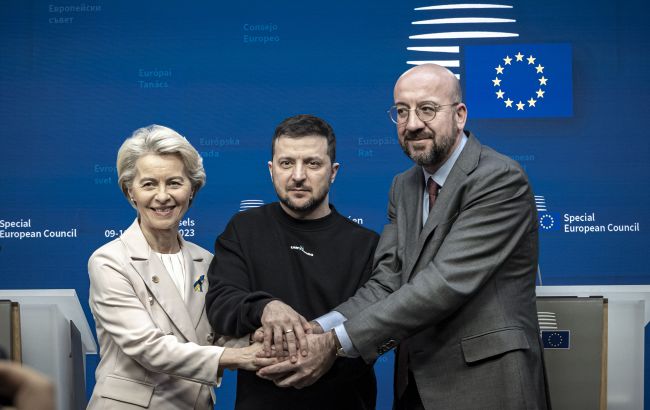
Tetiana Stelmakh: Marta Kos stated that if the pace of negotiations with Ukraine on EU membership continues, the Union could open all clusters in the negotiation process by autumn of this year. How likely is this, given Hungary’s resistance to opening Cluster 1?
Vsevolod Chentsov: In September, we are completing the legislative screening for all six clusters. Technically, the European Commission and the Ukrainian and Moldovan sides will be ready to open all clusters in autumn 2025. However, the formal opening of negotiations for Cluster 1 and the others requires the unanimous agreement of all EU member states.
Tetiana Stelmakh: What are the next three key steps Ukraine should take to bring itself closer to EU membership?
Vsevolod Chentsov: Ukraine is taking all the necessary steps to move closer to EU membership. At the same time, the three key components of a successful formula are:
- The success (timeliness and effectiveness) of reforms;
- Political support from all member states (each stage of the negotiation process requires unanimity among member states);
- The EU’s readiness for enlargement (including readiness to reform certain policies and internal institutional structures).
Tetiana Stelmakh: What is the role of the European Parliament in supporting Ukraine on its path to EU membership and in countering Russia’s war against Ukraine?
Vsevolod Chentsov: The European Parliament has been a steadfast supporter of Ukraine’s fight for freedom against the Russian aggressor, as well as a great supporter on our EU path.
Under the leadership of President Roberta Metsola, who has been a vocal and consistent advocate for Ukraine, the European Parliament has played a unique political role in mobilizing support across the EU and worldwide. It was among the first to call for granting Ukraine EU candidate status and continues to advocate for the opening of accession negotiations. Following the 2024 elections, the Parliament’s support has grown even stronger reflecting the will of European citizens, as MEPs are directly elected and represent their voices.
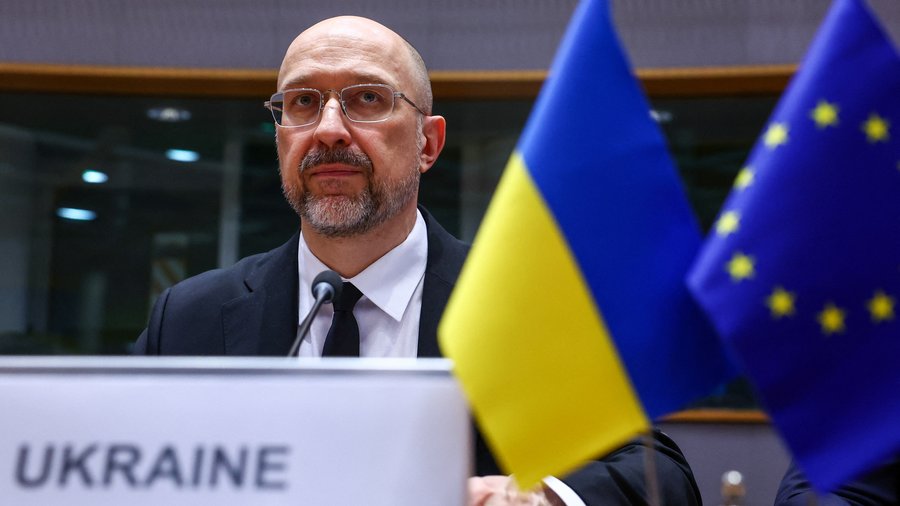
The Parliament has adopted numerous resolutions calling for increased aid, tougher sanctions on Russia and its allies, and the establishment of a Special Tribunal for the crime of aggression against Ukraine. It has also called for the use of frozen Russian assets for Ukraine’s reconstruction and to support the country’s resilience in the face of ongoing Russian aggression. Such strong political position significantly contributes to our ability to accumulate political support, push for necessary decisions and demonstrates to the people of Ukraine that the European Union stands firmly by their side.
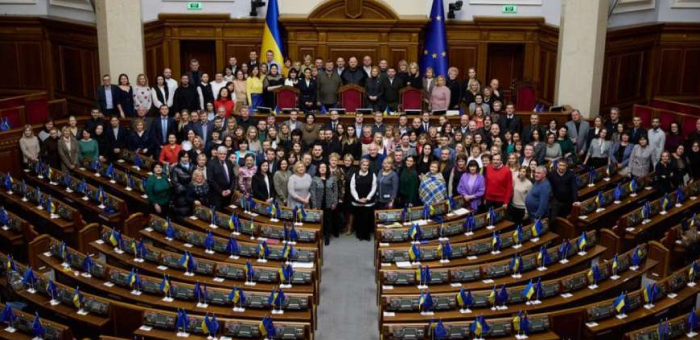
I would also like to note that parliamentary cooperation between Ukraine and the EU has reached an unprecedented level: in 2023 a new format of committee-to-committee cooperation between the Verkhovna Rada of Ukraine and the European Parliament has been established to support Ukraine’s legislative alignment with the EU. Committees now exchange views regularly on a broad range of topics, and I believe this format is an excellent instrument – not only for accelerating our European integration by learning directly from EU lawmakers, but also for contributing to shaping our shared European future.
Tetiana Stelmakh: Who needs whom more: the EU as a guarantor of security and economic development for Ukraine, or Ukraine as an experienced country in the fields of defence and agriculture for the EU?
Vsevolod Chentsov: From the point of view of agricultural potential, the EU needs Ukraine no less than the Ukraine needs the EU.
Ukraine is already one of the key suppliers of agricultural products to the EU, and against this background, our importance will only grow. The EU, which is increasingly focusing on sustainable food policy, needs a reliable and close source of quality agricultural products. Unlike distant markets of third countries, Ukrainian export is logistically more convenient, more flexible, and able to ensure stable supplies even in times of global instability.
It is especially important that, as a future EU Member State, Ukraine is already proactively implementing European production standards. This means that we are not just aspiring to join the EU, but are already de facto working according to its rules. In addition, Ukraine’s unique experience in countering full-scale military aggression makes it a key contributor to Europe’s collective defence and resilience. By integrating Ukraine into the EU’s security architecture, the Union strengthens its own strategic autonomy and gains a partner that has already withstood hybrid threats, cyberattacks, and conventional warfare.
At the same time, Ukraine needs the EU as a space of opportunities. Therefore, this is not a matter of who needs whom more. This is a strategic partnership in which strong agrarian and resilient Ukraine can strengthen Europe’s food autonomy and security, and Europe can accelerate the technological transformation of our agricultural sector while reinforcing its defence capabilities through deeper cooperation with Ukraine.
Tetiana Stelmakh: In your view, is EU membership a sufficient security guarantee for Ukraine? In the event of a hypothetical renewed Russian attack on our country, should we expect a more decisive and concrete response from our allies?
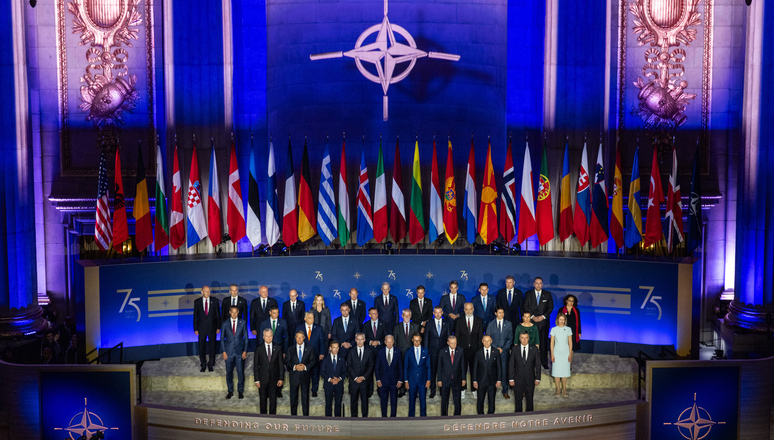
Vsevolod Chentsov: EU membership is an important part of Ukraine’s security strategy, but it is not, by itself, a guarantee against military aggression. The EU is a political and economic union, not a military alliance – this is why NATO remains key in providing concrete security guarantees.
Still, accession to the EU would significantly strengthen Ukraine’s resilience, reduce vulnerability to external threats, and deepen defence cooperation with member states. It is equally important to advance bilateral defence partnerships and develop a broader network of security guarantees.
European integration is a strategic choice that not only enhances Ukraine’s defence capabilities but also enables deeper integration of the European and Ukrainian defence industries, contributing to the EU’s overall security and strategic autonomy.
Tetiana Stelmakh
*The interview was conducted on 12 June 2025