

The question of deported Ukrainian children – referring to the forcible transfer and deportation of Ukrainian children to Russia or Russian-occupied territories during the war – has become a matter of global importance.
Deporting children from occupied territory is a violation of the Fourth Geneva Convention. The forcible transfer of children from one group to another with intent to erase their identity can constitute genocide under the Genocide Convention (1948). In 2023, the International Criminal Court (ICC) issued arrest warrants for Vladimir Putin and Russia’s children’s rights commissioner Maria Lvova-Belova specifically for this issue. That shows how seriously the world treats it. What steps does Ukraine take to return the children?
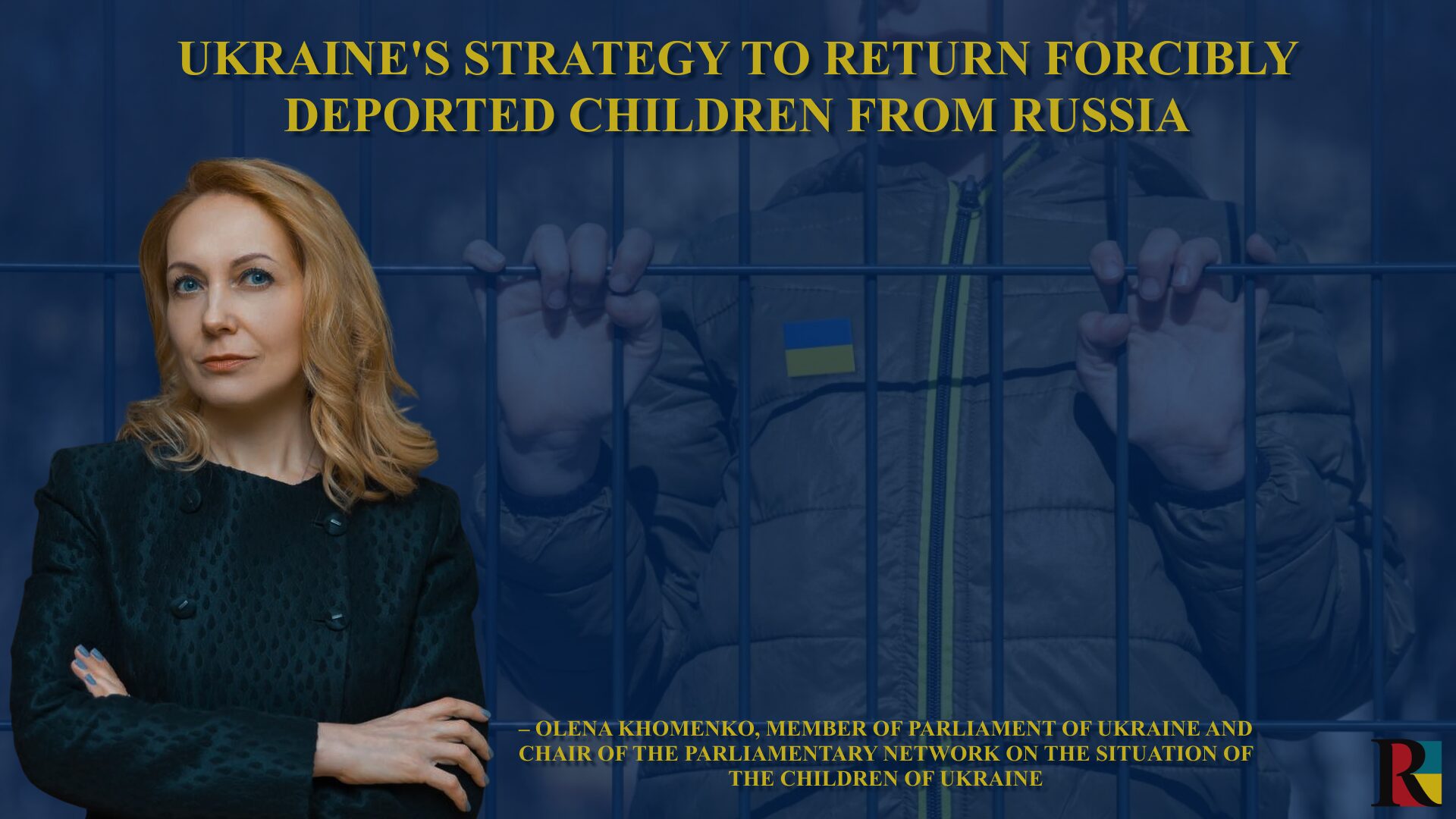
We offer you our attention to an Interview with Olena Khomenko focusing on her role as a Member of Parliament of Ukraine and Chair of the Parliamentary Network on the situation of the children of Ukraine, regarding the return of Ukrainian children.
S.K.: Can you provide updated figures on how many Ukrainian children have been forcibly deported to Russia, and are there verified cases of children being taken to Belarus as well?
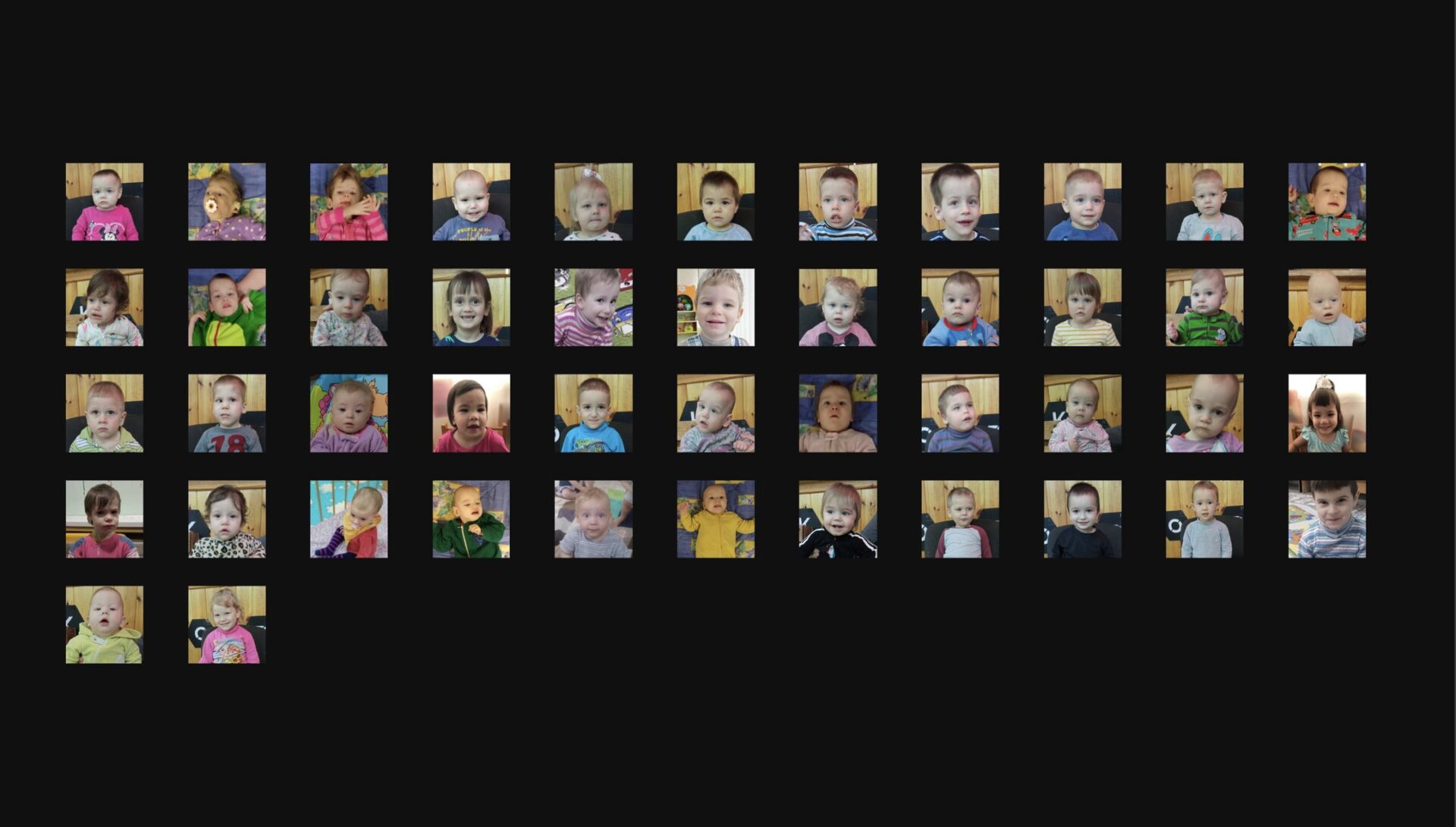
Olena Khomenko: As of now, Ukrainian authorities have officially recorded 19,546 cases of unlawful deportation of children to Russia. However, this number likely underrepresents the true scale due to restricted access and deliberate information suppression by the occupying forces.
Russia’s war against Ukraine has affected children on a massive scale. Since 2014 and especially following the full-scale invasion in 2022, an estimated 1.6 million Ukrainian children – about 20% of Ukraine’s total child population – have lived under Russian occupation or in areas temporarily controlled by Russia. These children have been exposed to systemic violations, including indoctrination, forced Russification, and the risk of deportation.
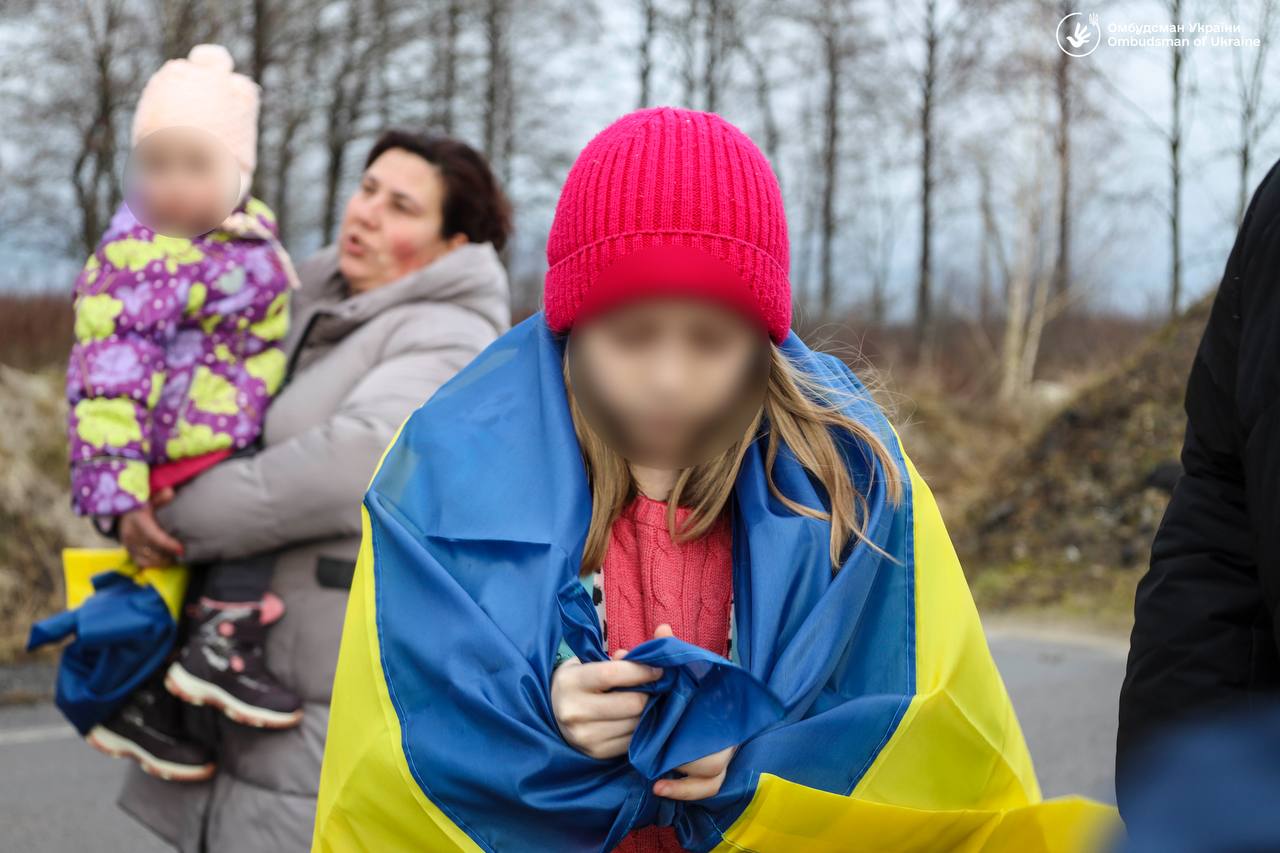
A clearer sense of the magnitude came from Russia’s own Commissioner for Children’s Rights, Maria Lvova-Belova, who publicly claimed that since February 2022, Russia has taken in approximately 700,000 Ukrainian children. This figure starkly contrasts earlier estimates and underscores the scale of mass transfers that remain largely unaccounted for.
Additionally, at least 2,219 Ukrainian children have been identified as having been taken to Belarus, based on open-source investigations by human rights groups. Belarus’s direct role in the displacement, re-education, and militarization of Ukrainian children is now well documented and must be addressed as part of broader accountability efforts.
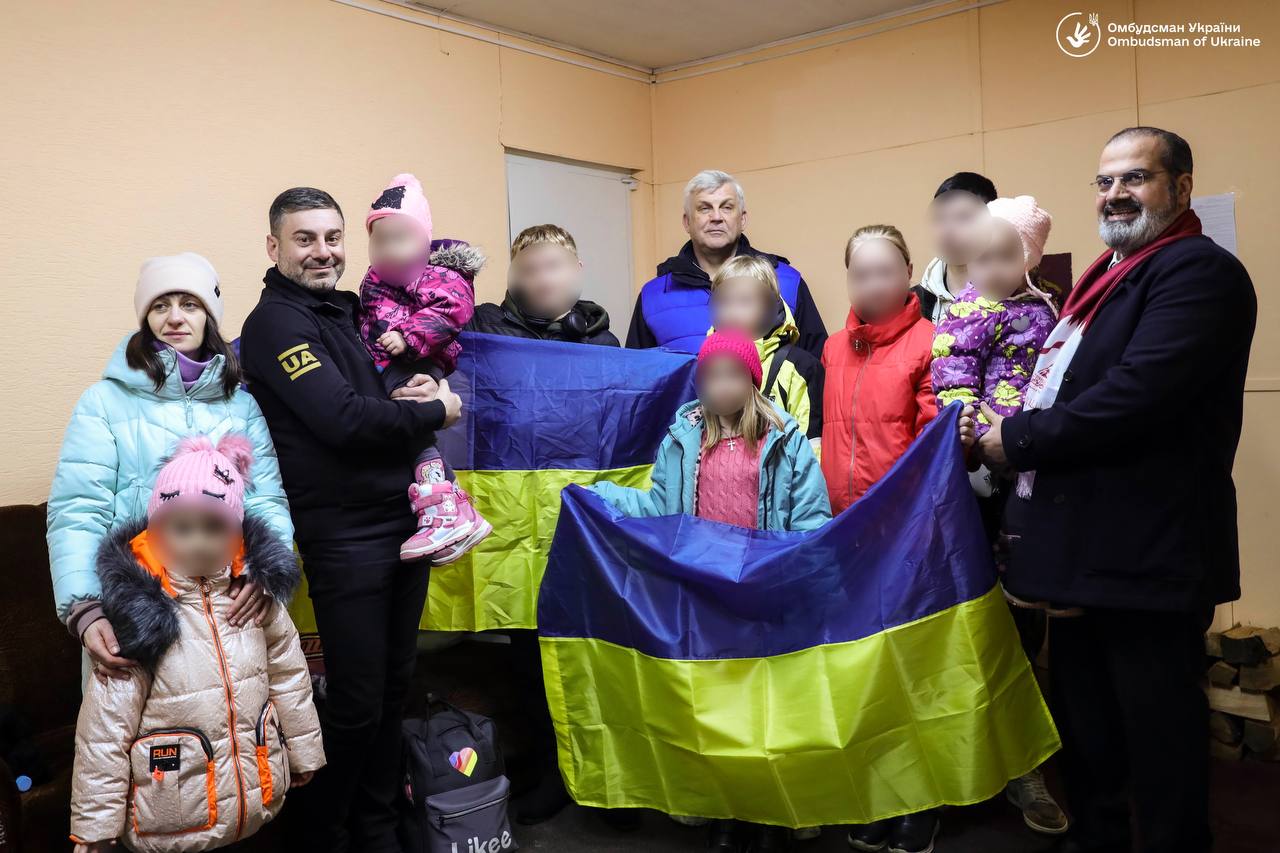
S.K.: The Ukrainian government is currently using what mechanisms and channels to locate, identify, and return children who have been deported to Russia or Belarus? Are they effective enough?
Olena Khomenko: To locate, identify, and return deported children, Ukraine employs a combination of governmental, legal, technological, and diplomatic tools. These include:
- Direct negotiations and third-party mediation through neutral countries or humanitarian actors to return children.
- Cooperation with families and guardians to collect verified testimonies.
- Using open-source intelligence (OSINT) and emerging technologies to trace digital evidence of transfers.
- Appeals to international bodies, including the International Criminal Court and UN agencies, to document war crimes.
- Planning and implementation of the return operations with the help of non-governmental actors.
Ukrainian and international civil society organisations have been on the frontline of rescue missions, reunification efforts, and cross-border mediation. In fact, the majority of successful returns to date have been conducted with the help of civil society actors. However, we must note the extremely important role of Ukrainian governmental bodies, such as our intelligence agencies, the Security Service of Ukraine, the Ombudsman of Ukraine, and others, who work in close cooperation with each other to identify, trace and return children.
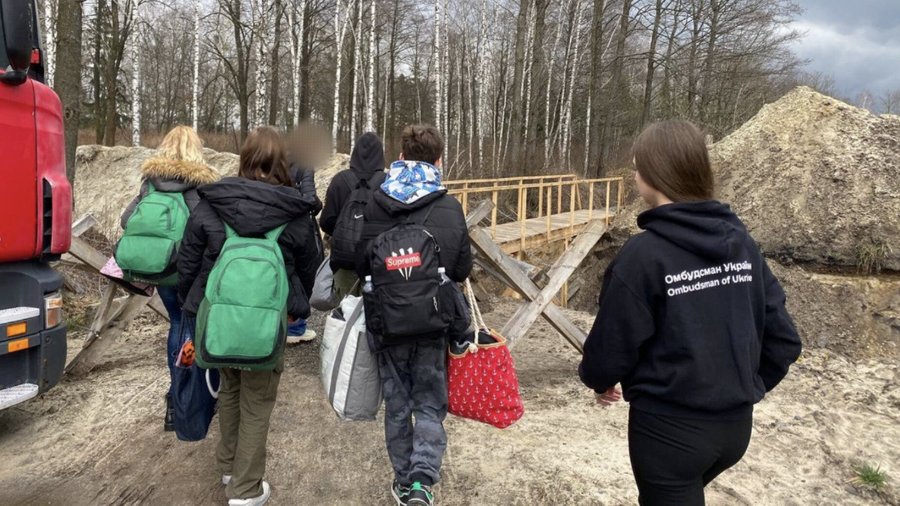
That said, these efforts, as heroic and impactful as they are, remain a drop in the ocean compared to the scale of the problem. Each return is a high-stakes, individual operation. What Ukraine urgently needs – and continues to call for – is a mechanism that can ensure systematic, large-scale identification and repatriation of deported children.
S.K.: From your position as the Chair of the Parliamentary Network on the situation of the children of Ukraine, how do you assess PACE’s contribution to supporting Ukraine in its efforts to bring back deported children?
Olena Khomenko: PACE has taken an exemplary leadership role in addressing the issue of deported Ukrainian children. Two major resolutions – including Resolution 2529 (2024), for which I was the Rapporteur – have helped shift the conversation from condemnation to coordinated action. For instance, we are now working on increasing pressure on the Russian Federation through a common sanctions policy.
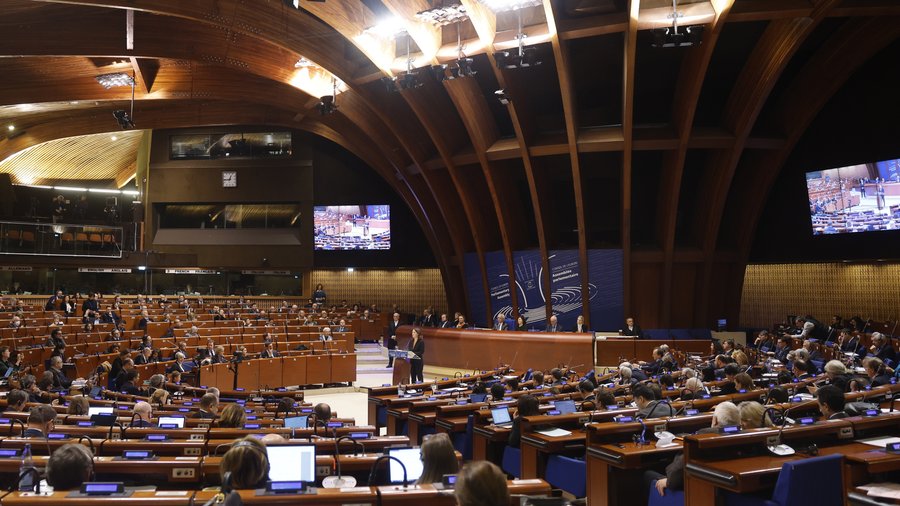
The creation of the Parliamentary Network on the Situation of the Children of Ukraine was a concrete follow-up. With 46 participating countries, we are building a permanent advocacy and coordination platform that bridges international support with the urgent needs on the ground.
S.K.: We are aware that there were instances of children being returned, involving third countries. Is it possible to find out the statistics for the last year? How successful is this experience involving third parties in facilitating the return of Ukrainian children?
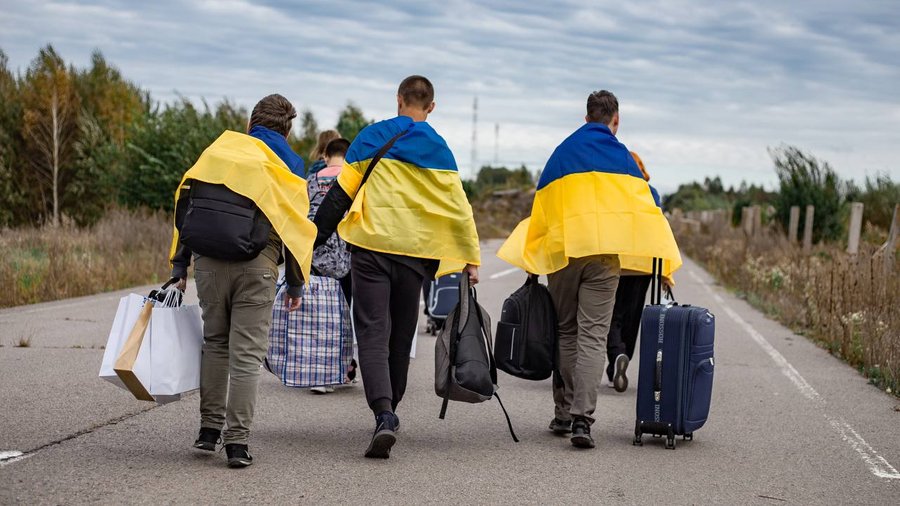
Olena Khomenko: To date, over 1,300 Ukrainian children have been returned, some with the essential involvement of third countries and international intermediaries. While this number may seem small compared to the overall scale, each case represents an immense effort, often entailing months of negotiation, coordination with family members, and secure transportation.
There are no public figures, but this experience proves that third-party mediation works. Yet, it also underscores the need to institutionalize such mechanisms, rather than relying on ad hoc operations.
S.K.: What legal frameworks or diplomatic tools are available now to hold those responsible for the deportation of Ukrainian children accountable, both within Russia and Belarus, despite the ongoing war?
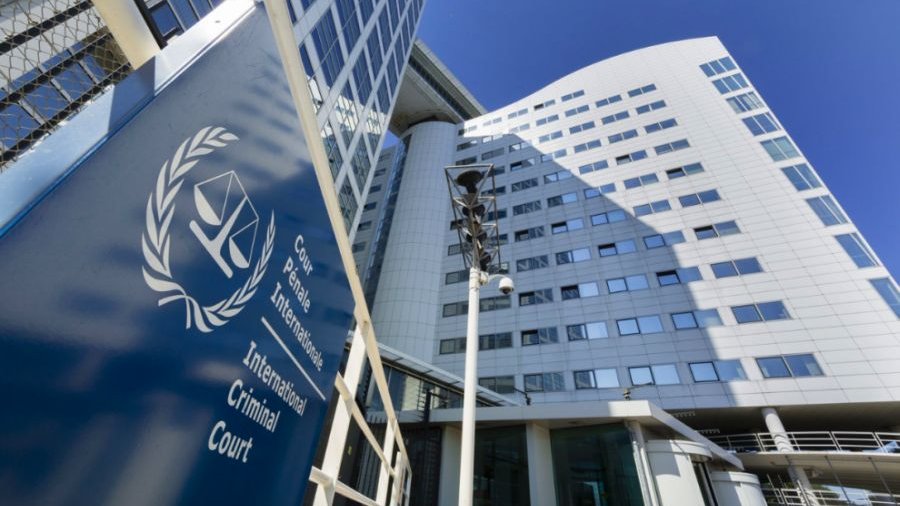
Olena Khomenko: The most significant step toward accountability so far has been the issuance of arrest warrants by the International Criminal Court for Russian President Vladimir Putin and Child Commissioner Maria Lvova-Belova in connection with the unlawful deportation of Ukrainian children. However, this is only the beginning of what must become a broader legal and diplomatic response.
Ukraine, together with its partners, continues to advocate for the expansion of these warrants to include Belarusian officials and actors within the so-called Union State of Russia and Belarus, who have also been complicit in these crimes. In parallel, we should explore the application of universal jurisdiction, which allows national courts to prosecute individuals for war crimes and crimes against humanity regardless of where those crimes were committed.
A crucial diplomatic tool would be the creation of a joint sanctions mechanism, which would list all individuals, from high-level officials to local administrators and adoption authorities, involved in the chain of deportation, forced adoption, indoctrination, and the unjustified delay in repatriation. This would help harmonize and strengthen sanctions policies across jurisdictions.
While the war continues, we must not wait for its end to deliver justice. Legal instruments already exist, and the challenge now is to mobilize political will to apply them consistently and at scale, against all individuals and institutions responsible, not just the most visible figures.
Stanisalv Kinka