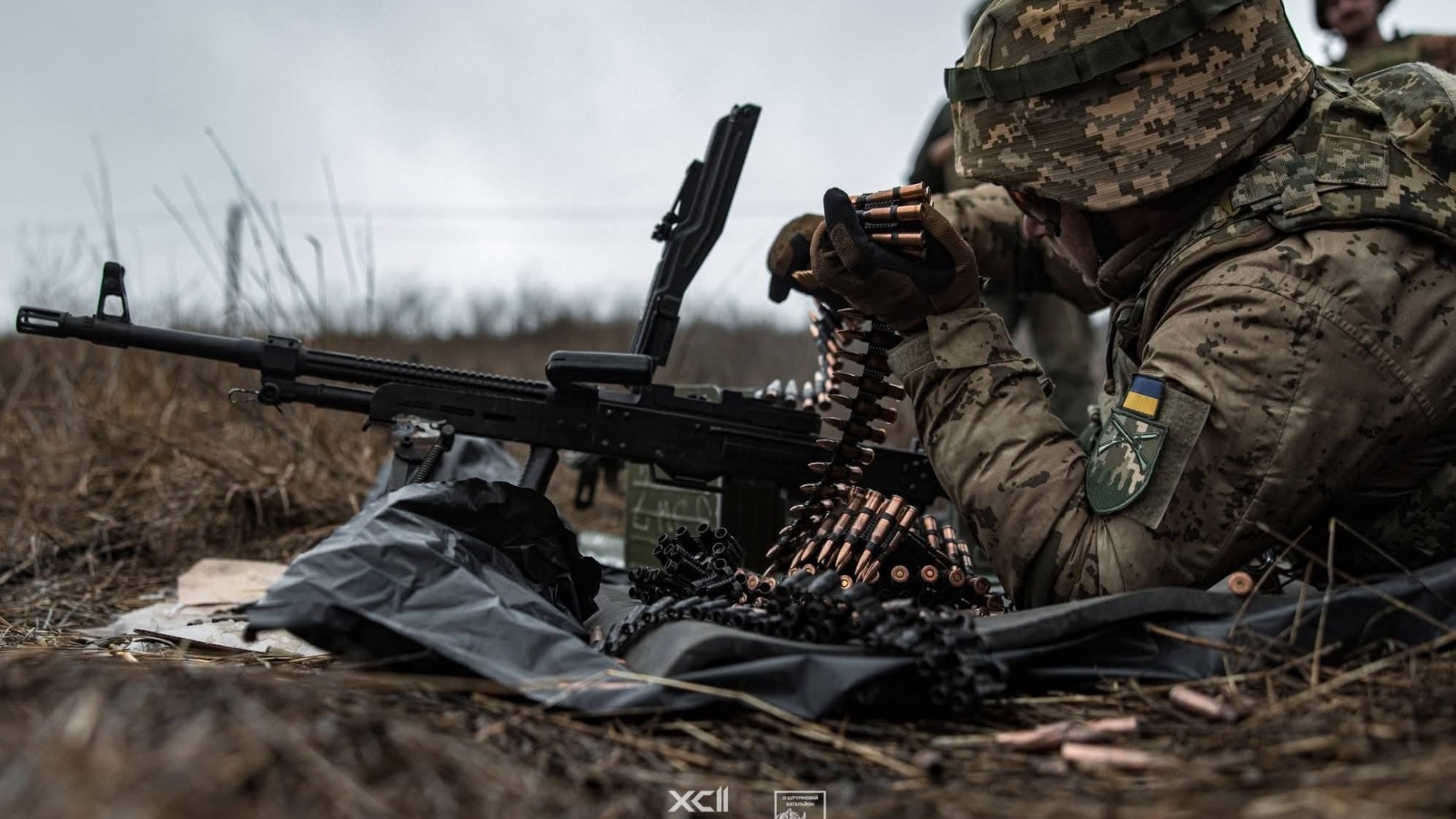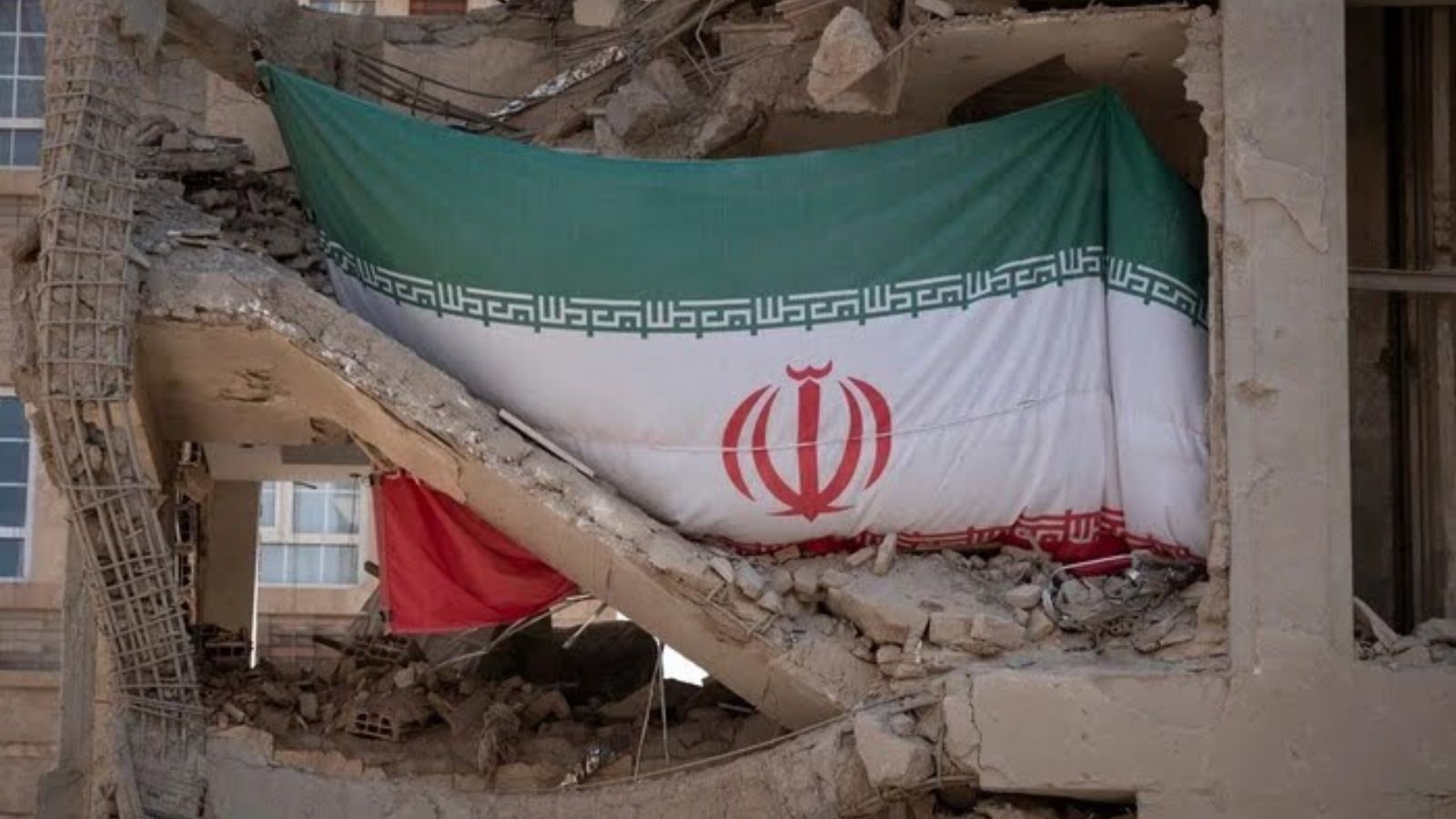
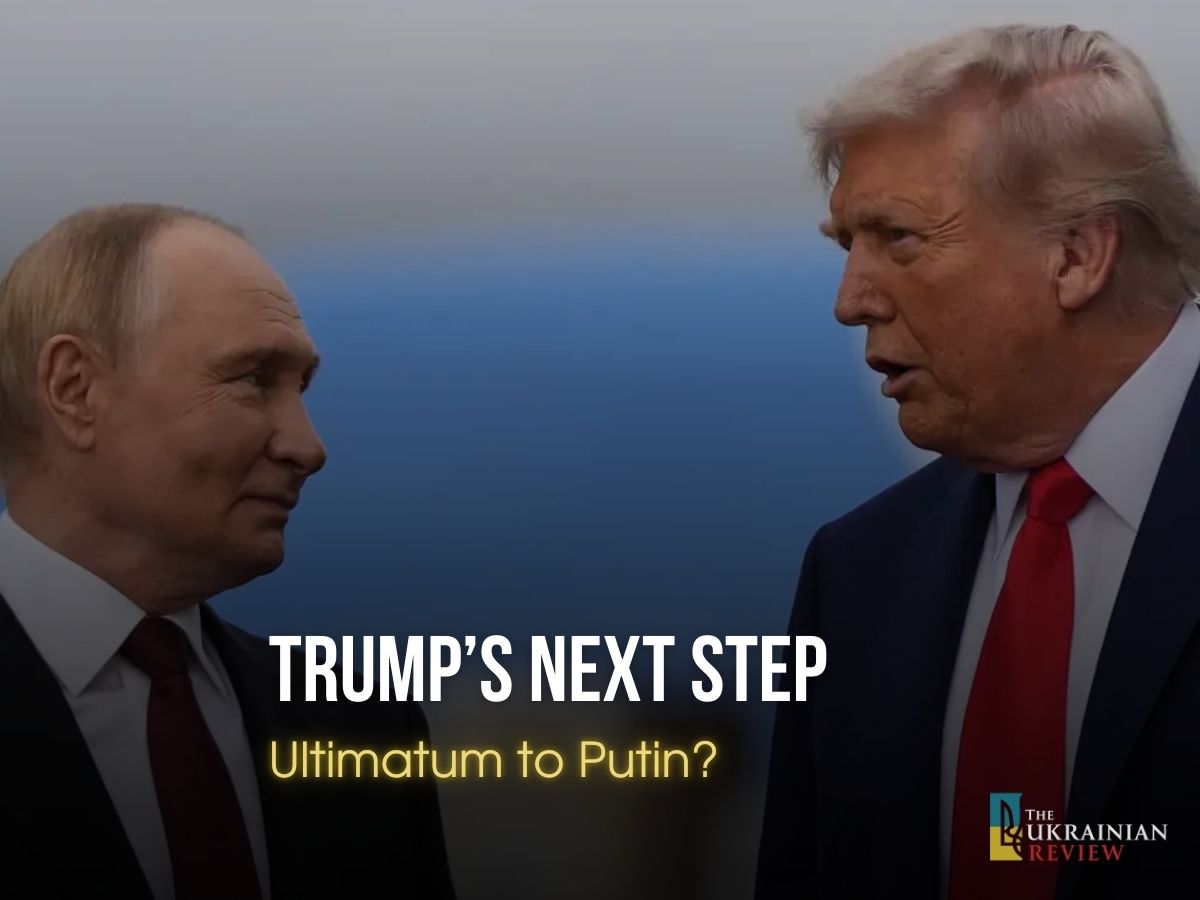


On February 28, 2026, the United States and Israel launched large-scale strikes against Iran’s military and nuclear facilities. The operation, referred to in the media as Operation Epic Fury / Lion’s Roar, was publicly presented by President Donald Trump as a preventive action against a strategic threat. Iran responded with missile strikes and drone attacks, while Russia sharply condemned Washington’s actions, calling them “unprovoked aggression.” In effect, Moscow demonstrated how important the Iranian vector and strategic alliance are to it.
Weakening Iran Means Weakening Russia
This development has a direct Ukrainian dimension. Iran is one of Russia’s key military partners, particularly in supplying Shahed-type attack drones that are widely used against Ukrainian cities. On February 28, President Volodymyr Zelenskyy publicly supported the United States’ resolve in a video address, emphasizing that weakening Iran means weakening Russia’s capabilities. Thus, the strike on Tehran automatically targeted one of the Kremlin’s rear resource bases.
Negotiations in Abu Dhabi
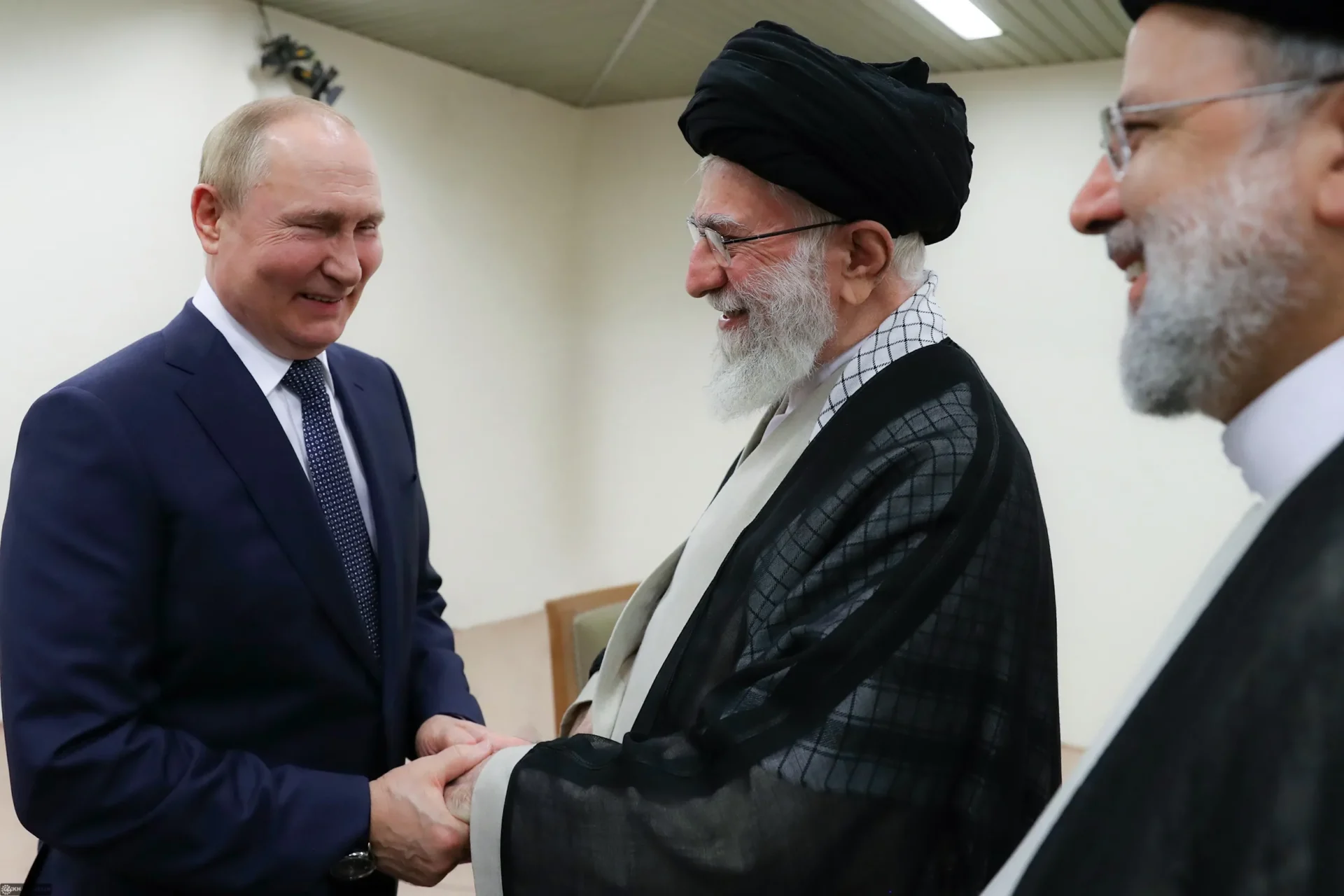
Peace negotiations involving the United States, Ukraine, and Russia regarding a potential peace plan are currently taking place in Abu Dhabi. However, given the escalation of hostilities and strikes in the region, including security threats in the Persian Gulf area, the round of talks scheduled for March 2, 2026, has effectively been postponed. In our assessment, the pause will last at least two weeks—until the hot phase of escalation around Iran subsides, as it is directly affecting the diplomatic timetable and the parties’ focus.
Leverage and the Prospect of an Ultimatum
At the same time, the Trump administration has signaled that security guarantees for Ukraine may be linked to achieving a peace agreement, potentially involving difficult compromises. Trump himself has repeatedly stated that “the war must end quickly,” yet the format of such an end remains subject to negotiation.
This is where a strategic opportunity emerges: after demonstrating force against Iran, Trump has acquired leverage that could be converted into a tougher approach toward Moscow. A potential “ultimatum to Putin” would likely not take the form of a political statement, but rather a package: a clear ceasefire deadline, a demand for genuine negotiations with verification mechanisms, humanitarian steps, and agreement on effective security guarantees for Ukraine with U.S. participation. In case of refusal, this would be followed by strengthened sanctions, increased pressure on sanctions-evasion channels, and further isolation.
Risks of Escalation and Strategic Distraction
However, risks remain. Escalation in the Middle East could divert U.S. attention from the Ukrainian track, while Moscow continues to insist on territorial conditions that Kyiv considers unacceptable.
Thus, the strikes on Iran have become not only a Middle Eastern crisis, but also a potential turning point in Russia’s war against Ukraine. The key question is whether Donald Trump can transform a firm stance on Ukraine into direct pressure on Vladimir Putin and compel the Kremlin to move from geopolitical maneuvering to genuine negotiations. For four years, Moscow has shielded itself behind “strategic interests,” avoiding adequate Ukrainian conditions and continuing coercive pressure. Whether Washington can break this “might makes right” logic and force Russia into substantive dialogue will be decisive for the future course of the war.
Elections and Symbolic Deadlines
For Donald Trump, the Ukrainian negotiation track also carries domestic political significance. On November 3, 2026, the United States will hold midterm congressional elections, which will determine the balance of power in the House of Representatives and the Senate. For the Republican Party, this is a crucial test of public support. Therefore, it is important for Trump to demonstrate tangible results in a major international conflict and show that he is capable of “ending wars” on his own terms.
In addition, July 4 this year will mark a major anniversary — 250 years since the proclamation of U.S. independence. This symbolic milestone is likely another date by which Trump would want to showcase achievements.
For this reason, throughout 2026, pressure on Vladimir Putin may reach its peak.