
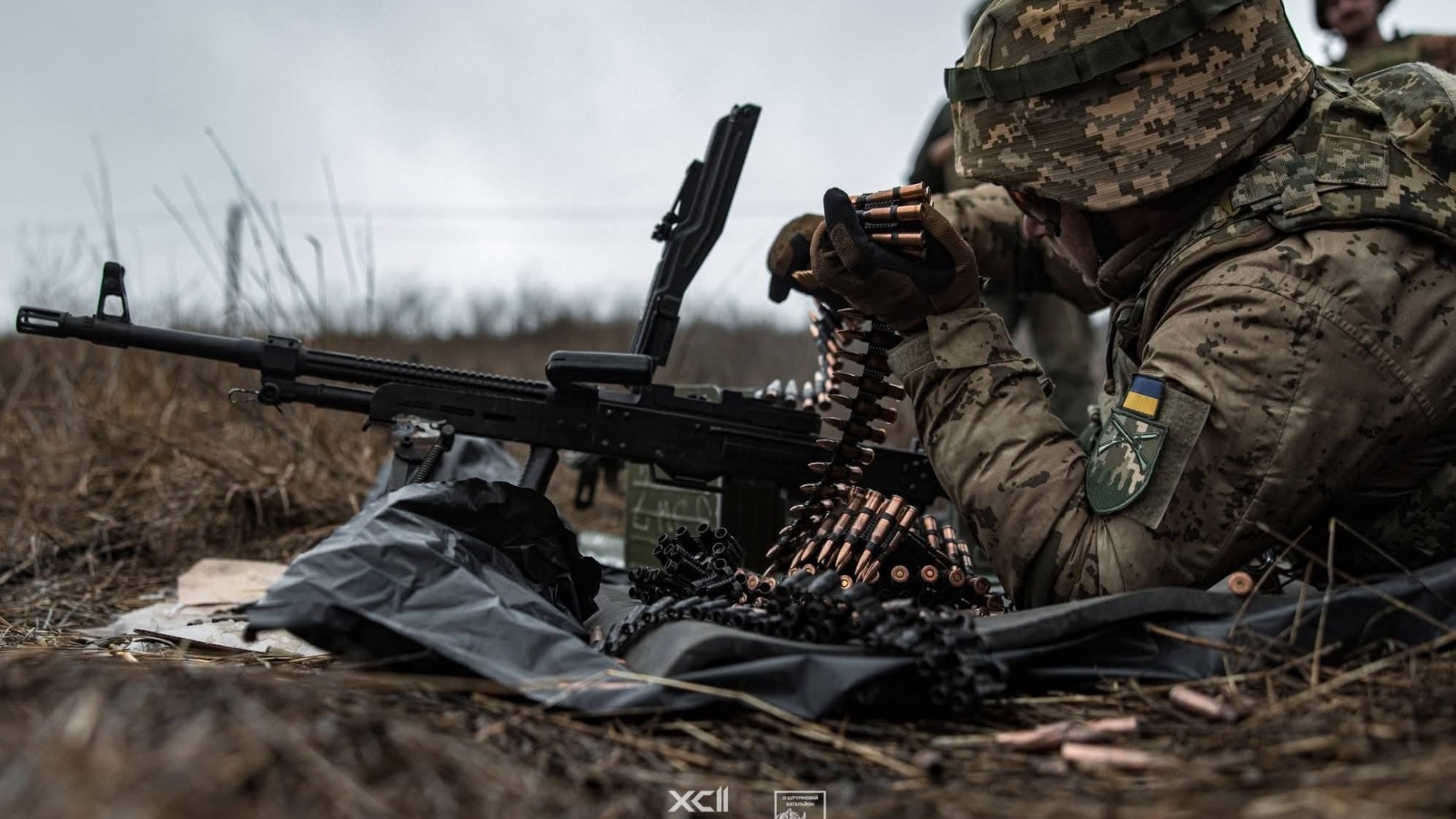


On the night of March 1, 2026, the Ukrainian military launched a series of precision strikes against Russian air defense and logistics hubs. These operations targeted occupied areas in Donetsk and Zaporizhzhia regions, as well as Russia’s Belgorod region. Key successes include the destruction of rare radar stations and strategic drone command centers.
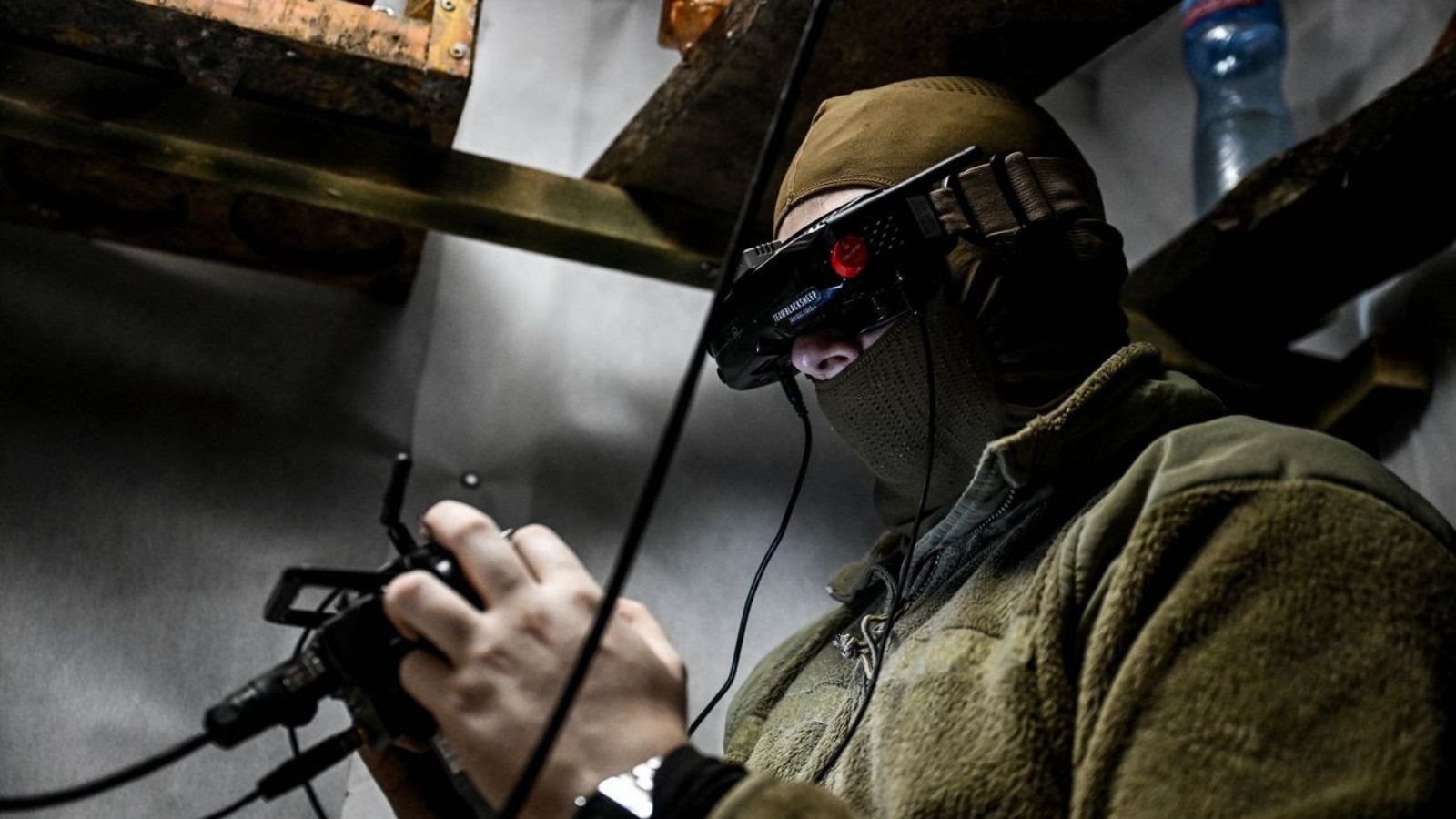
The General Staff of the Armed Forces of Ukraine reported these successful engagements. Ukrainian units hit an S-300 radar station near Manhush and an S-300V4 radar near Novokrasnivka. Furthermore, pilots from the 1st Center of the Unmanned Systems Forces (SBS) destroyed a 9A84 launcher-loader vehicle. SBS Commander Robert Brovdi stated that the team used powerful Ukrainian-made FP-2 drones for the mission. These drones carry a payload exceeding 100 kg, ensuring the total destruction of heavy military hardware rather than mere damage.
Impact of the operation and rare targets
Ukrainian defenders also neutralized several Russian logistics sites and specialized equipment. One of the primary targets was the 9S19 “Imbir” radar, a high-tech station capable of detecting ballistic missiles at a range of 175 km. Russia has produced only about 200 such units. Additionally, a fuel depot near Pryshyb and a repair unit near Bahativka were struck. The military also eliminated drone control points in Russia’s Belgorod region and near the occupied Rodynske.
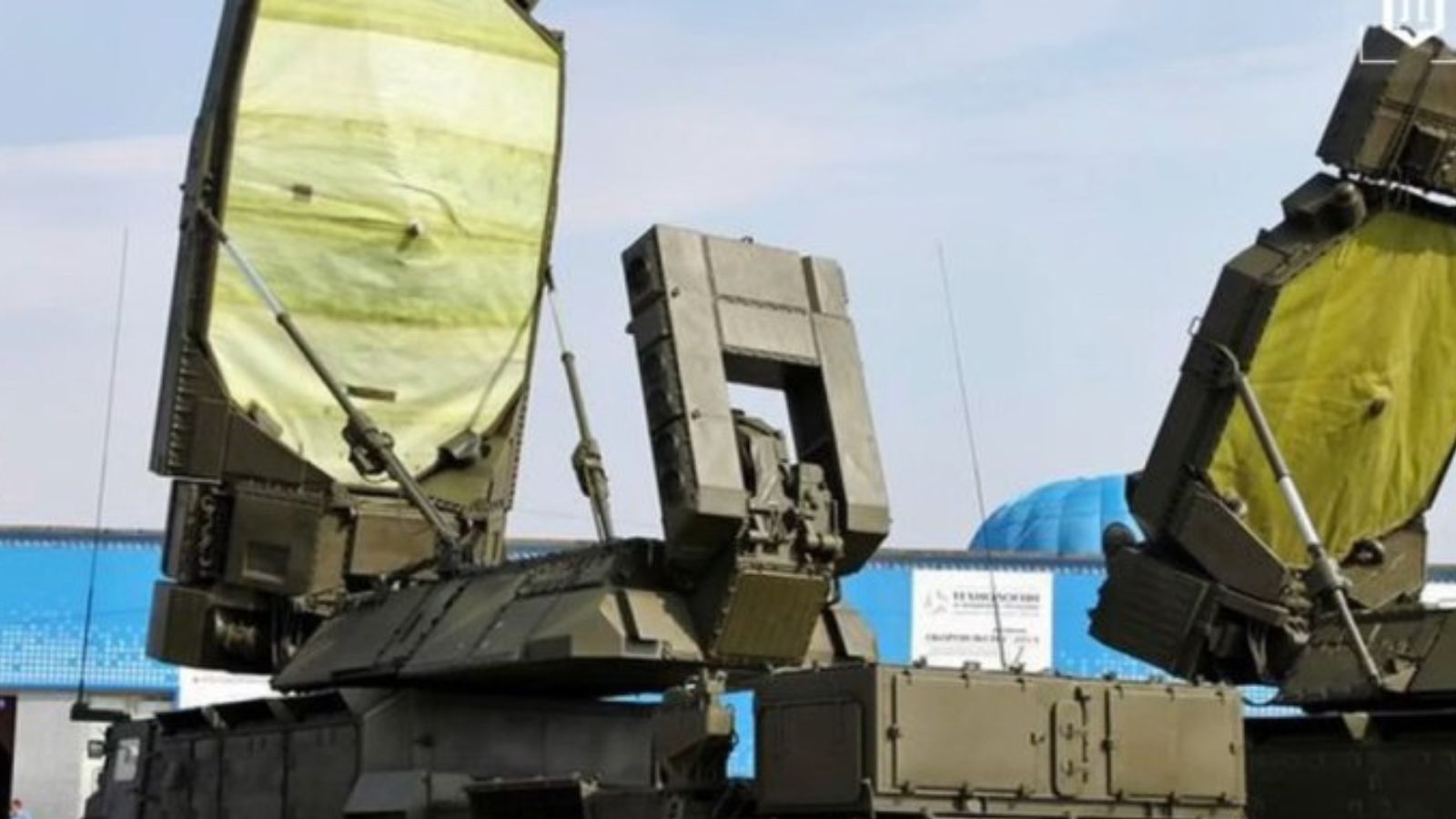
The operation was carried out in coordination with the SBS Deep Strike Coordination Center. This new structure plans and synchronizes complex missions deep behind the front lines. Using heavy attack drones significantly degrades the Russian military’s combat capabilities during the full-scale invasion. In mid-February, SBS operators had already disabled similar air defense systems near Mariupol. These systematic strikes weaken Russia’s ability to protect its strategic assets from future aerial attacks.
Previously, The Ukrainian Review reported that Ukraine’s Defense Ministry launched a system to analyze Russian attacks, which helps plan more effective counterstrikes. This technology automates the collection of data regarding weapon types and strike intensity to assist military commanders in rapid decision-making.