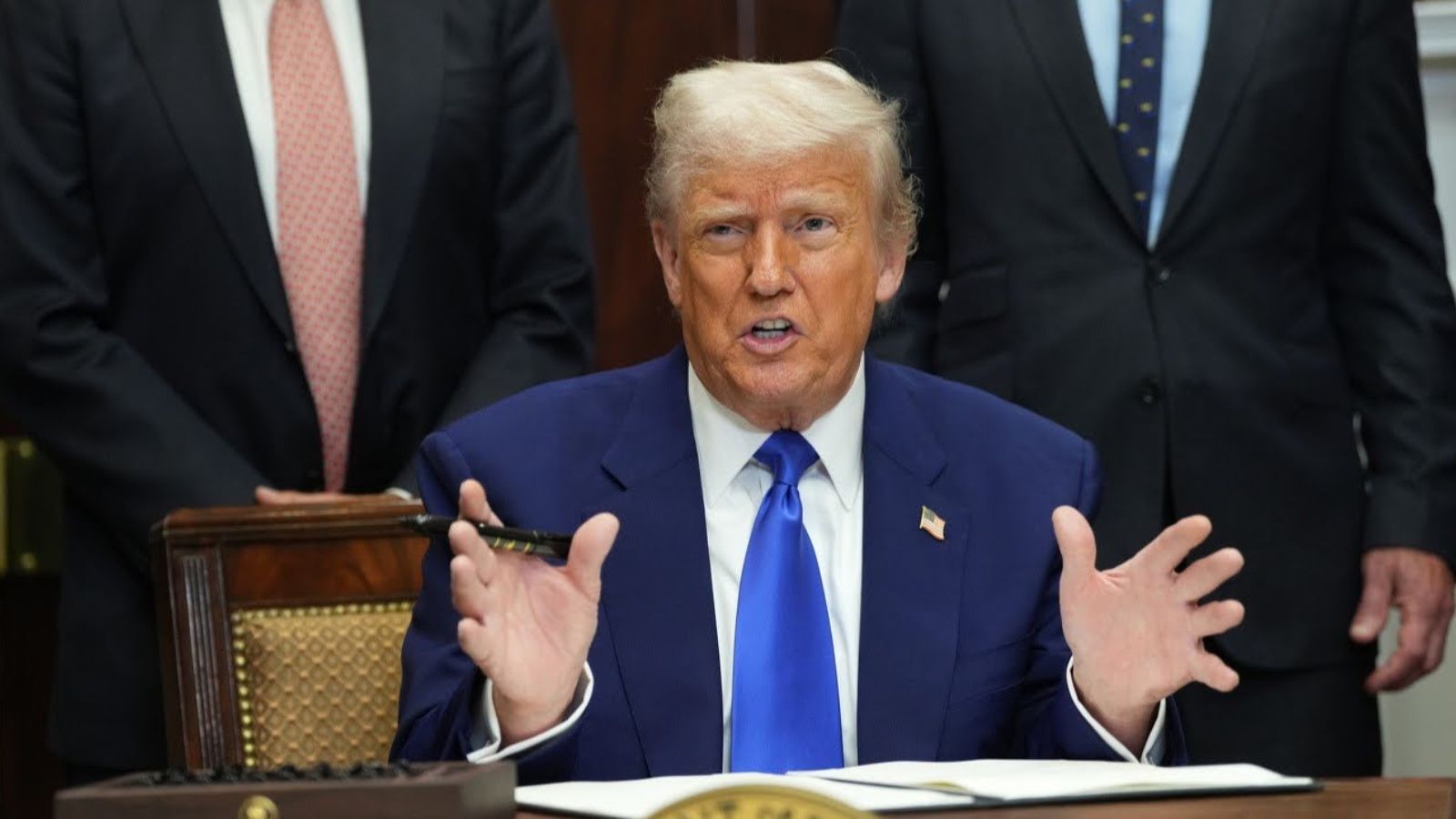


President Donald Trump initiated a massive air campaign against Iran after intense lobbying from Israel and Saudi Arabia. The operation resulted in the death of Supreme Leader Ali Khamenei and approximately 40 high-ranking officials. Trump now claims these strikes create a unique opportunity for a diplomatic solution and a transition of power within Iran.
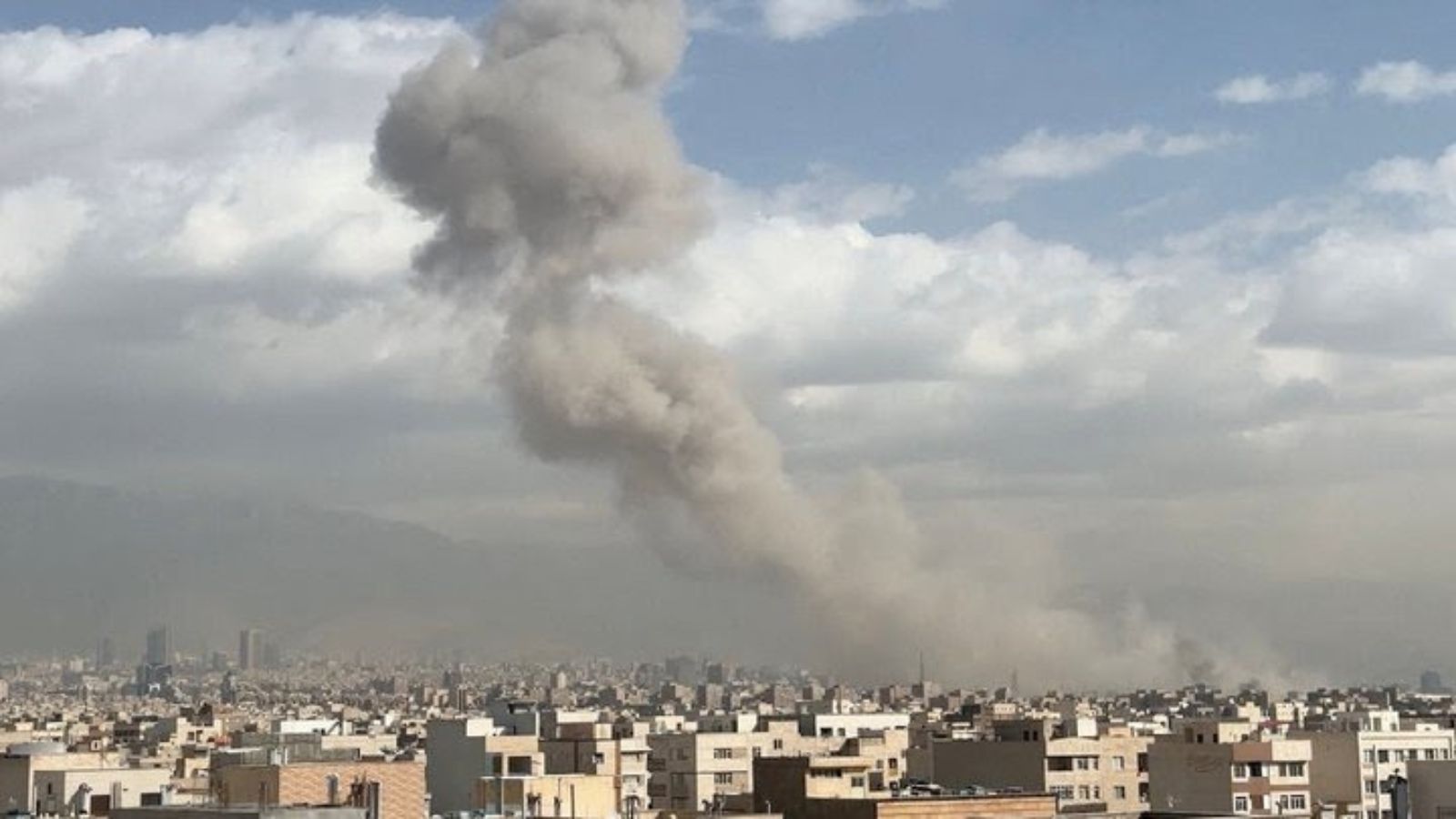
The Washington Post reports that the decision followed weeks of private discussions with regional allies. According to intelligence sources, Saudi Crown Prince Mohammed bin Salman repeatedly urged Trump to act during private calls. Interestingly, the Prince publicly supported diplomatic efforts while privately warning Washington about the dangers of restraint. Simultaneously, Israeli Prime Minister Benjamin Netanyahu pushed for a military buildup in the Persian Gulf. He continues to view the Iranian regime as an existential threat to Israel. These combined efforts eventually persuaded the White House to authorize the major military operation.
The White House Position
The military strikes began on the morning of February 28 as a coordinated effort between the United States and Israel. In an interview with CBS News, Trump confirmed the success of the mission. He stated that a diplomatic resolution is now “much easier now than it was a day ago” following the removal of Khamenei. Trump mentioned there are “several good candidates” to lead Iran now, though he declined to name them. Additionally, the President explicitly encouraged the Iranian people to seize this chance to overthrow their repressive regime. Iran responded by striking territories of several Gulf countries where U.S. facilities are located. Saudi Arabia officially assured Tehran it would not allow its airspace to be used, but secretly warned the Americans of the threat that would stem from refraining from a strike on Tehran.
Escalation details
The campaign proceeded despite previous U.S. intelligence assessments suggesting Iranian forces would not pose a direct threat for a decade. Saudi Defense Minister Khalid bin Salman played a crucial role during his January visit to Washington. He warned American officials about the severe consequences of leaving Iran alone. Trump called the operation “a great day for this country, a great day for the world” and noted that Iran’s retaliation was expected but “less than we thought”—roughly half of the anticipated scale. Currently, there are no reported U.S. casualties, while approximately 40 Iranian officials and senior commanders have been killed. The President remains focused on eliminating threats and is open to working with Congress on the next steps.
Previously, The Ukrainian Review reported that Iranian leader Ali Khamenei was killed during a joint US-Israeli air operation against the Iranian regime.