

On February 28, Iran’s Supreme Leader Ayatollah Ali Khamenei was killed during a joint US-Israeli air operation against the Iranian regime. At first, Iran denied the reports.
Khamenei’s Death
Throughout February 28, the United States and Israel struck an area in Tehran where Khamenei’s residence is located. Satellite images showed significant damage to the target. However, Iranian authorities told the press that Khamenei was not in the capital at the time. They said he was likely outside the country and safe.
“Khamenei, one of the most evil people in History, is dead,” Donald Trump said on the evening of February 28.
He added that the people of Iran had received justice, as had “all Great Americans.” According to Trump, Khamenei failed to evade US intelligence and advanced surveillance systems.
Initially, the ayatollah’s office called the reports psychological warfare. They denied that he had been killed. Trump later wrote that other leaders had also died alongside Khamenei.
On the morning of March 1, Iran confirmed Khamenei’s death, Reuters reported. Iran also confirmed the death of Khamenei’s adviser, Ali Shamkhani. Among those killed was the commander of Iran’s Islamic Revolutionary Guard Corps, Mohammad Pakpour.
The Iranian government declared forty days of mourning and raised a black flag. The cabinet warned that this “great crime will never go unanswered.”
Reaction of People
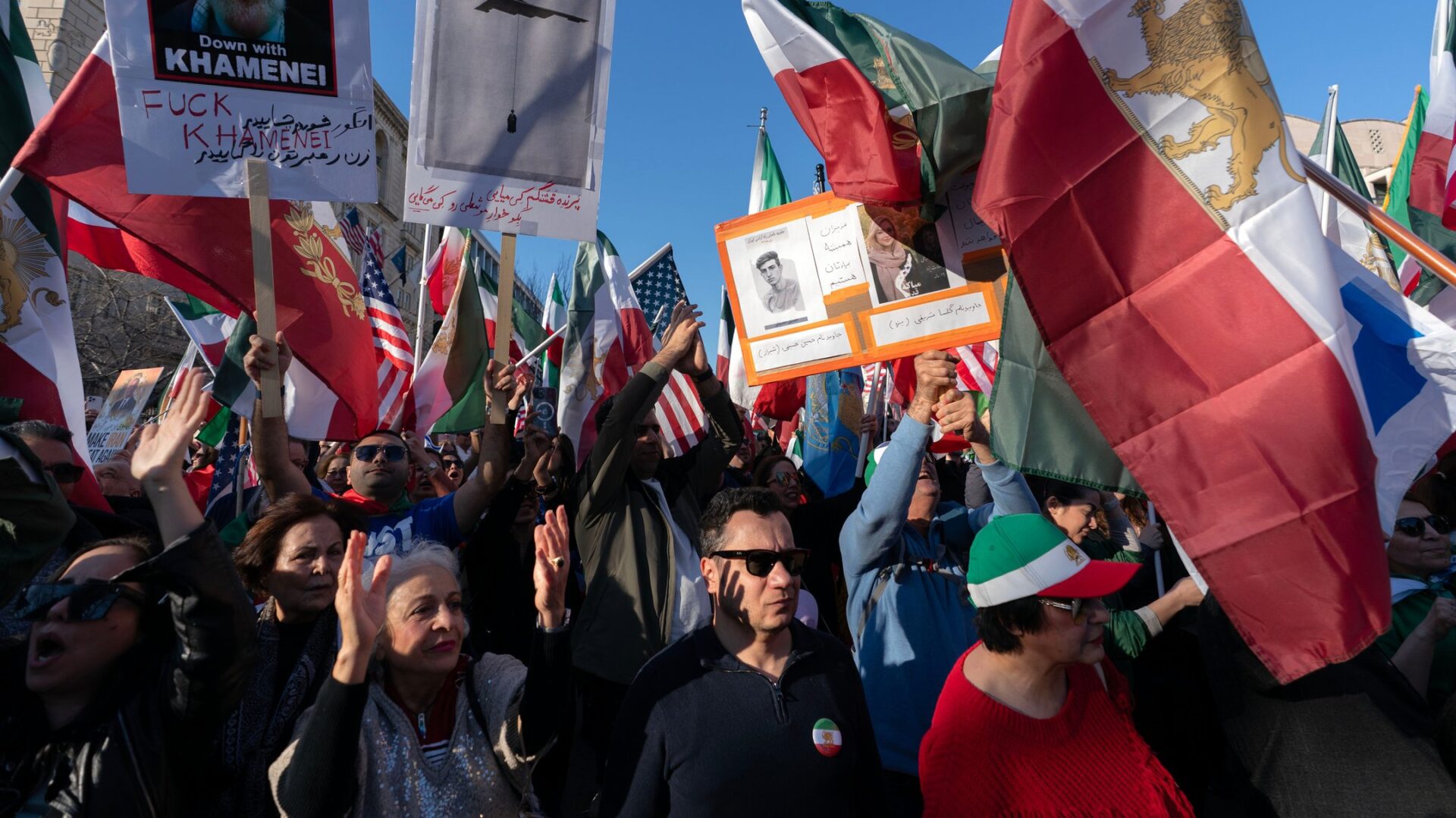
Hundreds of Iranians in Tehran and other cities took to the streets to celebrate the news of the Supreme Leader’s killing. People launched fireworks, danced to loud music, and shouted slogans about freedom. In Abdanan, in western Iran, residents tore down a monument bearing Khamenei’s silhouette.
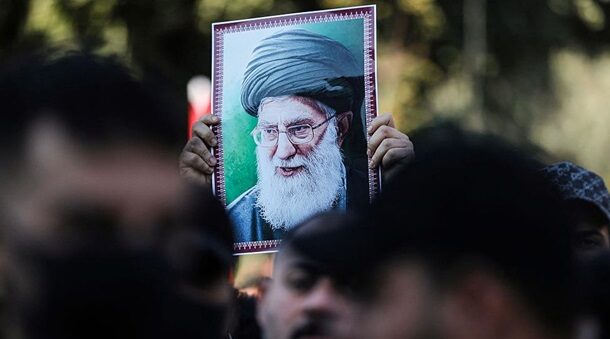
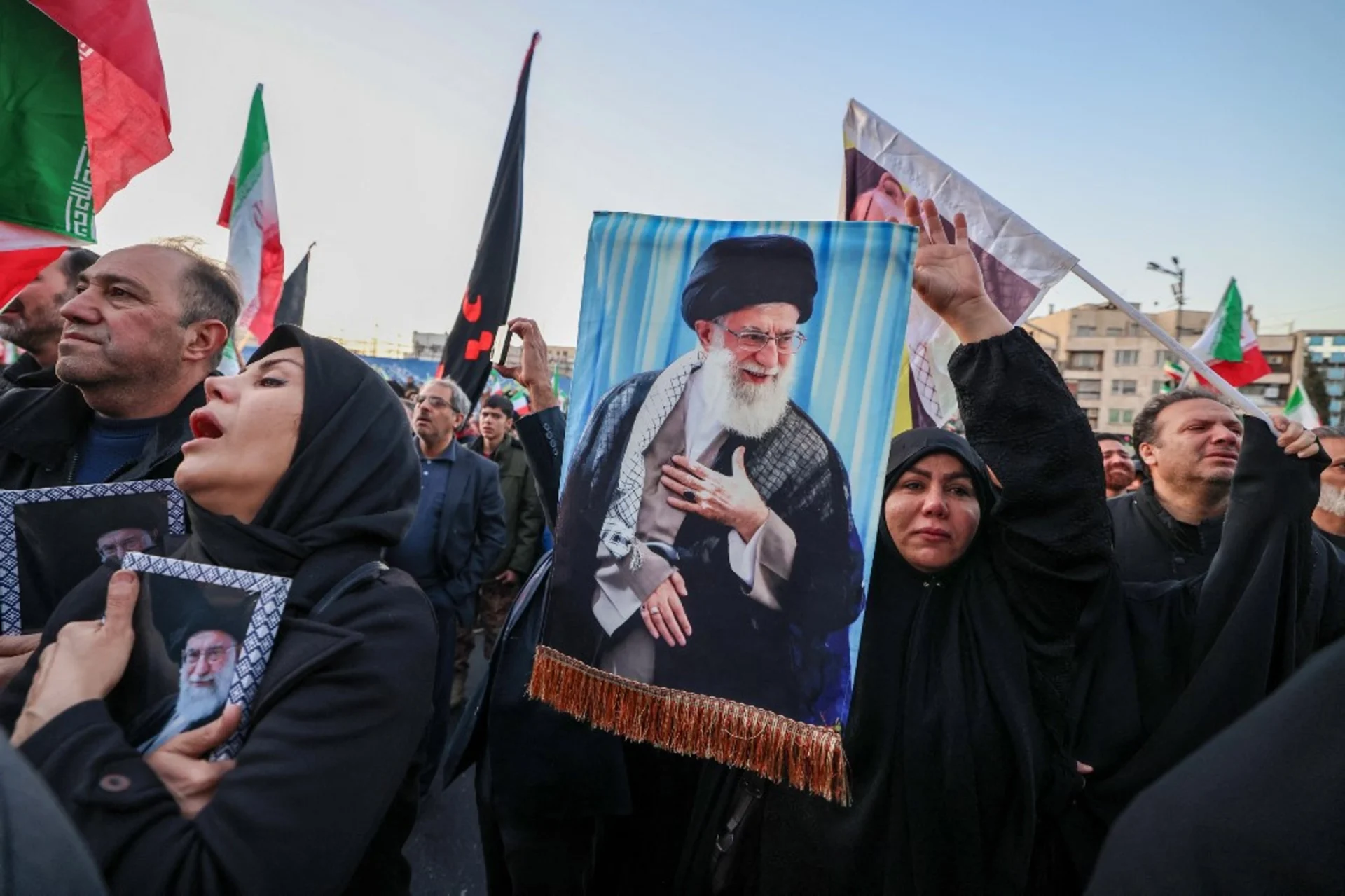
At the same time, videos appeared on social media showing Khamenei supporters gathering in the streets. Carrying flags and portraits of the ayatollah, they called for revenge. However, their numbers were significantly smaller than those celebrating his death.
Who Was Ayatollah Ali Khamenei?
Ayatollah Ali Khamenei was Iran’s highest-ranking official and its spiritual leader. He was 86 at the time of his death. He had led the country for nearly forty years. Khamenei ruled as an authoritarian leader. He used force against his own people, imprisoned opposition figures, and resisted foreign influence. His policies pushed Iran into international isolation.
Protests frequently took place in Iran. The bloodiest ones targeted the Islamic Republic. They lasted from late December 2025 to early January 2026. Authorities crushed the demonstrations brutally. According to official figures, more than 7,000 protesters died. The real number may be four times higher. Khamenei blamed foreign forces for the unrest. He said they aimed to weaken the Islamic Republic.
Radio Liberty writes that for decades the ayatollah had the final say on nearly every issue – from whether women could ride bicycles in public to the course of relations with the United States, which he called the “Great Satan.” Khamenei abused his power over Iran’s judiciary, state broadcasting, and military. He militarized the country’s politics and integrated the clergy into the system of governance.
Earlier, The Ukrainian Review reported that Iran began striking back after the US-Israeli attack. World leaders reacted to the situation.