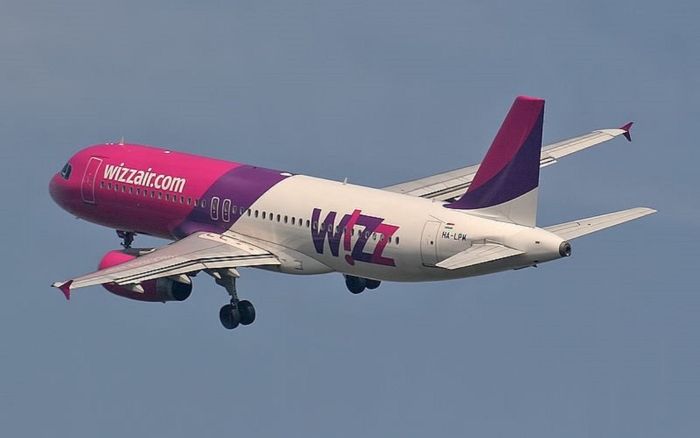


Europe’s low-cost airlines are preparing to re-enter Ukraine as soon as a peace deal allows airports to open again for travelers — as they predict a boom from “catastrophe tourism” and from people returning to the country, FT reported. Wizz Air plans to keep 15 aircraft in Ukraine within two years of a peace agreement, and up to 50 in seven years. Ryanair says it could relaunch services within two weeks of any deal. Ryanair executives have already visited major Ukrainian airports and aim to increase traveler numbers to 4mn.
However, these plans may be premature.
Postponed plans about flights
A year ago, in the autumn of 2024, there was a discussion about launching flights in stages. Government representatives and airport directors drafted a roadmap: a gradual opening of one or two airports. They also discussed strict security conditions, extra protective measures, coordination with European regulators, and state insurance for war risks. The idea offered a symbolic “restart” from the western part of the country, followed by expansion to other regions.
Nevertheless, the project was marked as too dangerous.
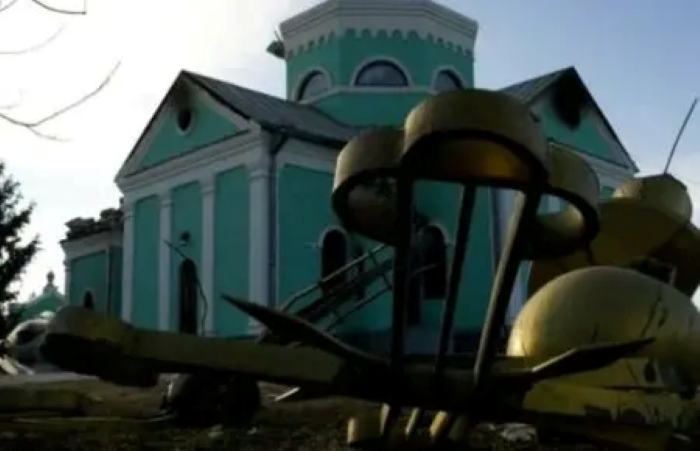
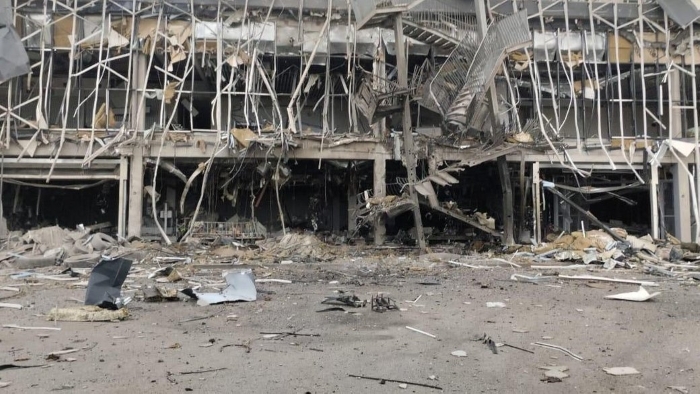
On top of that, many Ukrainian airports suffered direct damage. According to the Kyiv School of Economics (KSE), 19 civilian and civil-military airports and airfields suffered destruction or damage since the start of the full-scale invasion. Local airports lost hundreds of millions of hryvnias in infrastructure, and several facilities recorded losses over €500 million over the past years.
IATA and Eurocontrol also mention financial losses in related sectors and extra costs for airlines because of longer routes, fuel expenses, and extended flight times.
Risks
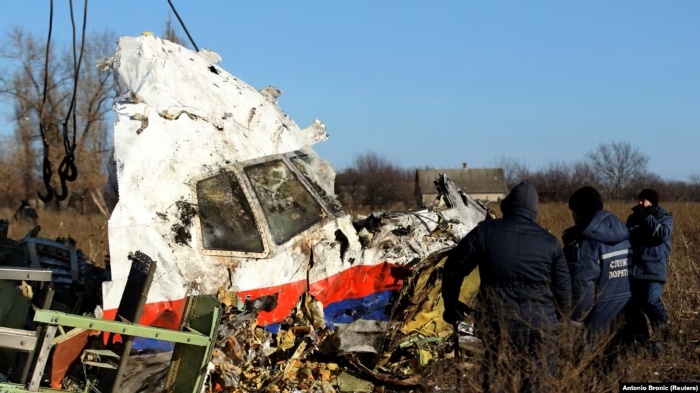
The second crucial reason is psychological: the memory of the Malaysia Airlines flight MH17 disaster in July 2014. The Boeing 777 followed a transcontinental route over the east of Ukraine when a Buk missile hit it over territory controlled by pro-Russian armed groups; 298 people died. A Dutch-led investigation proved that Russia supplied and launched the missile.
Russia still keeps parts of its airspace open near the war zone. The consequences remain tragic: last year, Russian forces shot down an Azerbaijani aircraft. As a result of the plane crash, 38 of the 67 people on board were killed.
Conclusion
Flights over Ukraine will not become a first priority even if a ceasefire starts. Russia shows no intention to slow down the war. It increases military spending, blocks negotiations, and prepares new offensives. These facts make people fear flying over Ukraine, regardless of any agreements. Returning home will also stay difficult until a just peace appears, and for many Ukrainians, there is simply no place to return to while their homes remain under occupation.