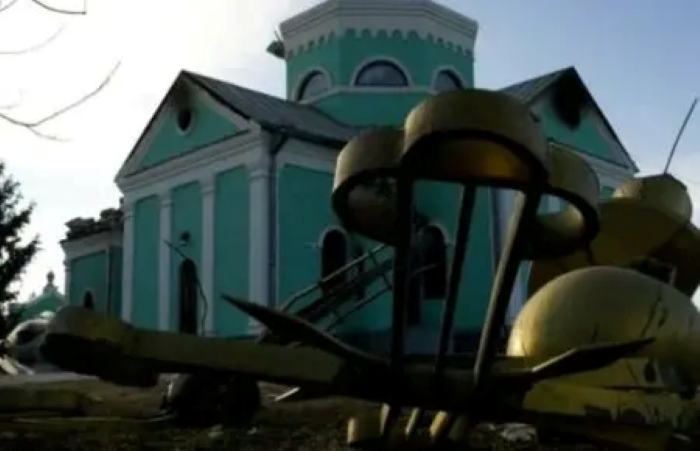


Russian military propagandists circulate claims that their next major attacks will target Kharkiv and Chernihiv. The head of the Center for Countering Disinformation, Andriy Kovalenko, states that this is a cognitive operation against Ukraine. He links these narratives to Russia’s diplomatic pressure tactics and attempts to influence negotiations and delay U.S. decisions on support for Kyiv.
Kharkiv: 2024 Offensive
In May 2024, Russia launched a new offensive toward Kharkiv Region, claiming Kharkiv as the aim. At the same time, Russian information channels pushed mutually exclusive messages designed to spread panic among Ukrainians and boost patriotic sentiment inside Russia. One prominent claim said the offensive was “unexpected” for Kyiv and its allies. In reality, Ukrainian intelligence revealed Russian preparations around the Kharkiv and Sumy regions in advance. President Volodymyr Zelenskyy publicly confirmed that Ukraine knew about the invader’s plans on the day this phase began. Another narrative insisted that Ukraine lacked resources to defend its territory. The goal was to create the illusion that Russia held “everything under control.” The attack, however, prompted rapid decisions on military aid, including renewed deliveries of HIMARS and Patriot munitions from the United States under the previous administration. Propagandists also repeated claims that Ukrainian soldiers were “surrendering en masse,” although no officials or independent journalists confirmed this. Identical wording across Telegram channels pointed to a coordinated distribution of these allegations. Moscow aimed at its domestic audience. It wanted to introduce new names of Ukrainian towns into war reports and keep Russian viewers engaged.
Chernihiv: 2022 and Now
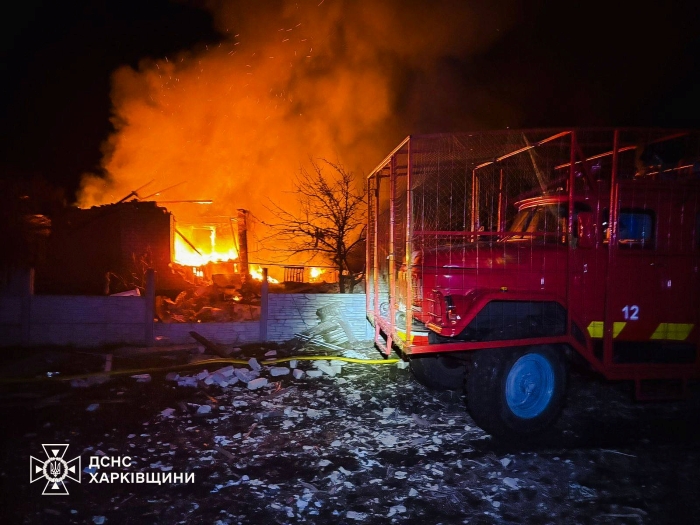
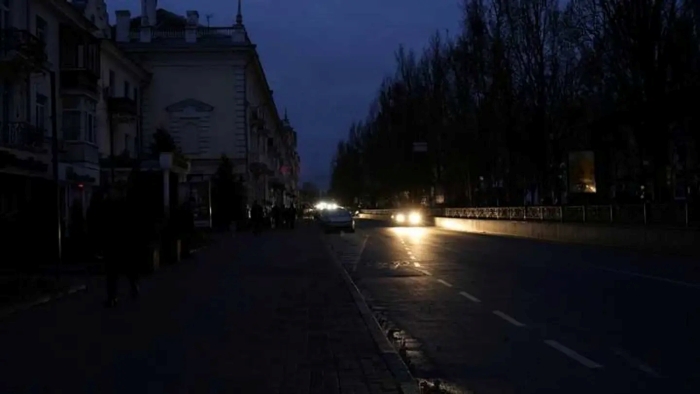
Neither Kharkiv nor Chernihiv saw occupation, but both cities faced critical moments in the initial months of the full-scale invasion. Systematic terror continues today. In 2022, Chernihiv endured a blockade and constant shelling from rockets, airstrikes, and artillery. Strikes hit residential buildings, schools, markets, and social infrastructure. Ukrainian forces then pushed the enemy back. At the end of 2025, repeated strikes on power infrastructure in the Chernihiv region cut electricity for more than 332,000 consumers. Chernihiv became one of the primary blackout targets this autumn-winter season.
Conclusion
As talk of peace proposals continues, Russia will increase informational pressure to destabilize Ukrainian society and show military “potential” to U.S. policymakers. Internal problems in Russia become harder to hide, so propaganda efforts continue to escalate. This approach repeats the same pattern used before. Intelligences usually warns in advance about real threats. Psychological operations should not be confused with actual military capabilities.
In reality, the main direction for aggressor now is Pokrovsk, where the situation is critical.