
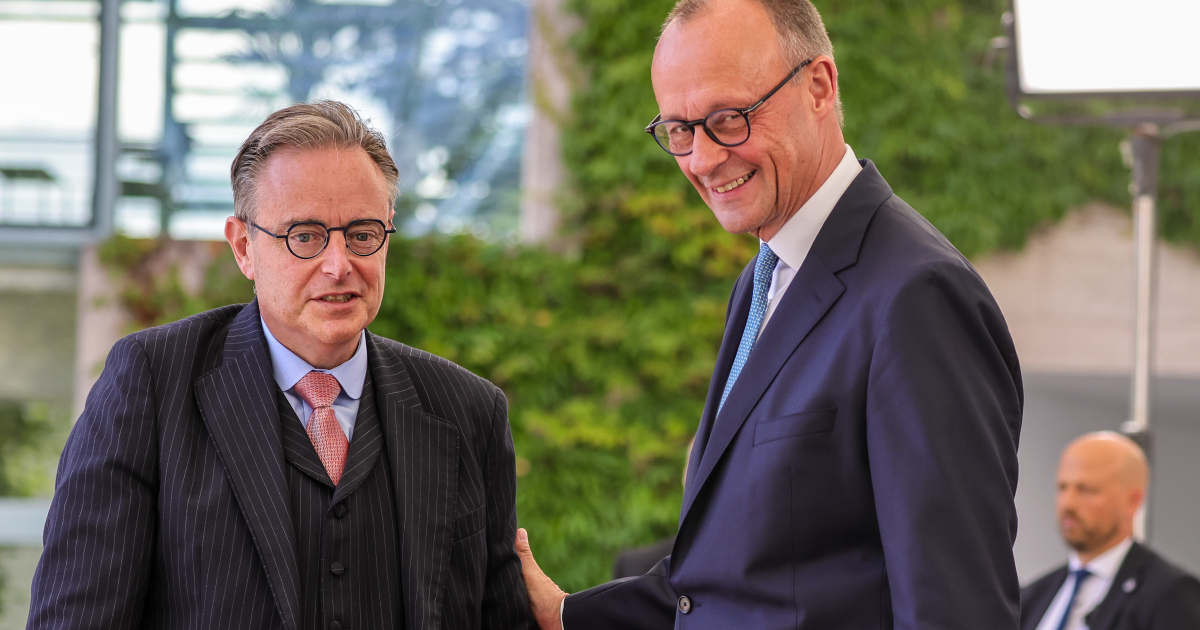


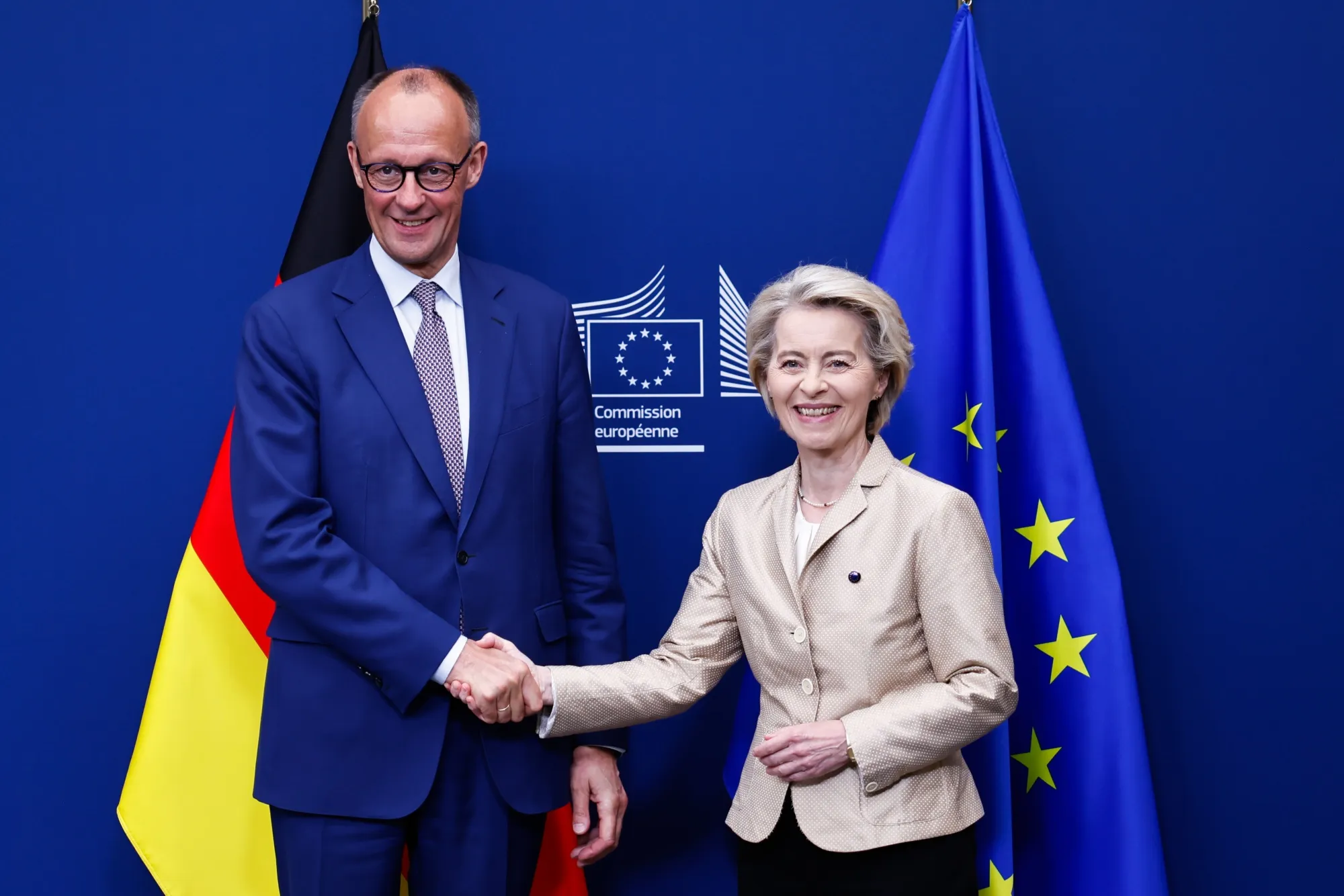
German Chancellor Friedrich Merz will arrive in Brussels on Friday for a crisis meeting with Belgian Prime Minister Bart De Wever and European Commission President Ursula von der Leyen. Euronews reports that the talks aim to unblock the proposal for a “reparations loan” for Ukraine—a mechanism that would channel frozen Russian assets to support Kyiv.
Why the Meeting Matters
Merz abruptly changed his schedule and cancelled a planned trip to Norway. This signals that the issue has reached a critical stage. According to Euronews, EU leaders are expected to make a final decision in two weeks, and without progress now, the initiative risks stalling.
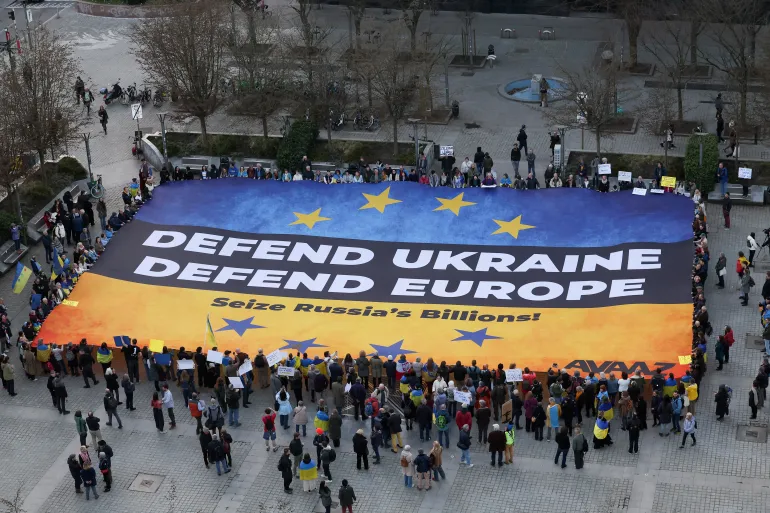
Under the Commission’s plan, the immobilised assets of the Russian Central Bank would serve as the basis for a zero-interest loan to Ukraine. Kyiv would have to repay the loan only once Russia agrees to compensate for wartime damages. This would happen at an undefined point in the future.
However, Belgium remains the strongest opponent. Around €185 billion in Russian assets are located in Brussels. The Belgian government argues that it should not bear disproportionate risks.
Belgium’s Position
Prime Minister Bart De Wever sent von der Leyen a sharply worded letter calling the scheme dangerous and “fundamentally wrong.” He warned it could result in multi-billion-euro losses for Belgium and Euroclear.
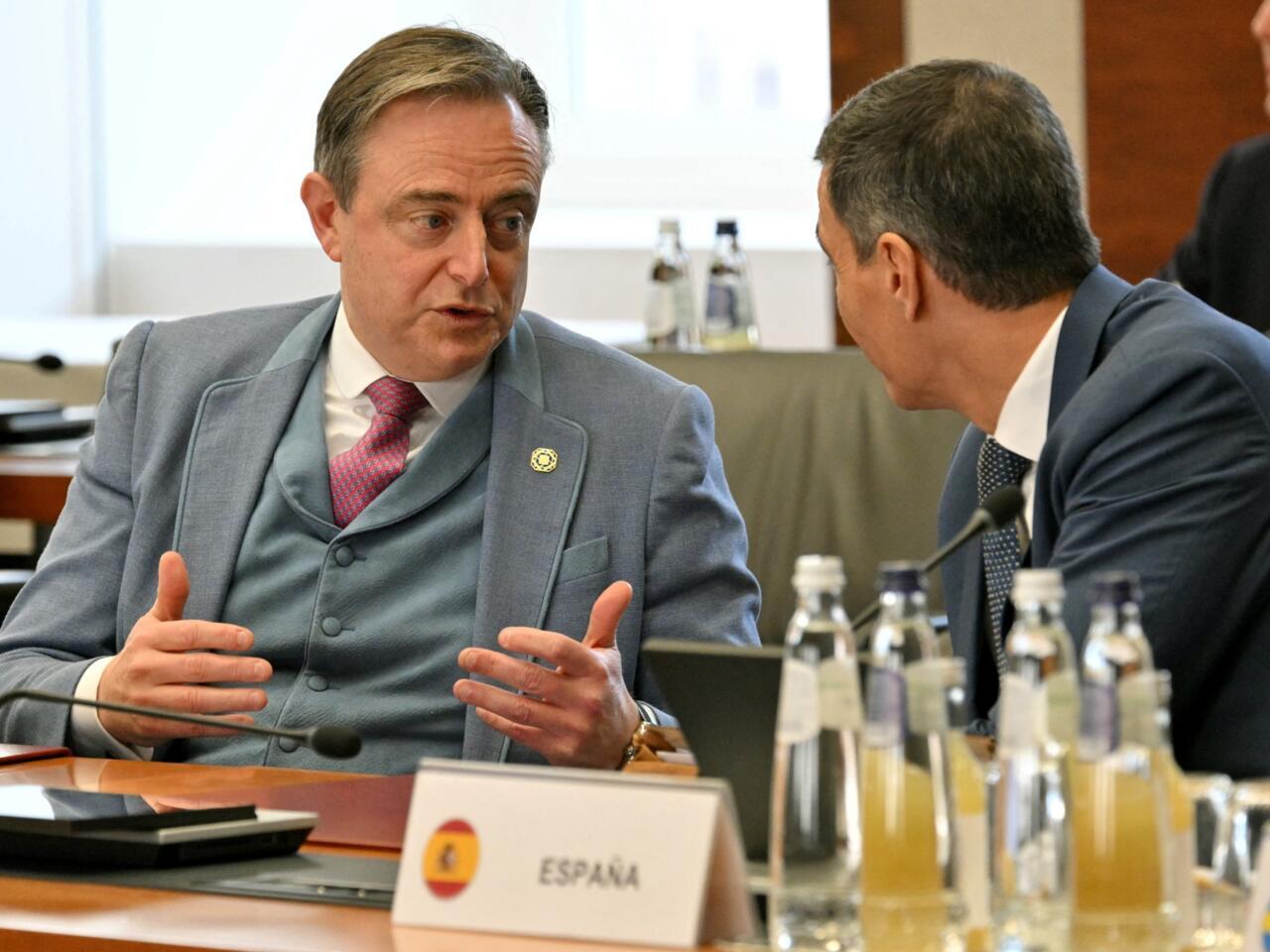
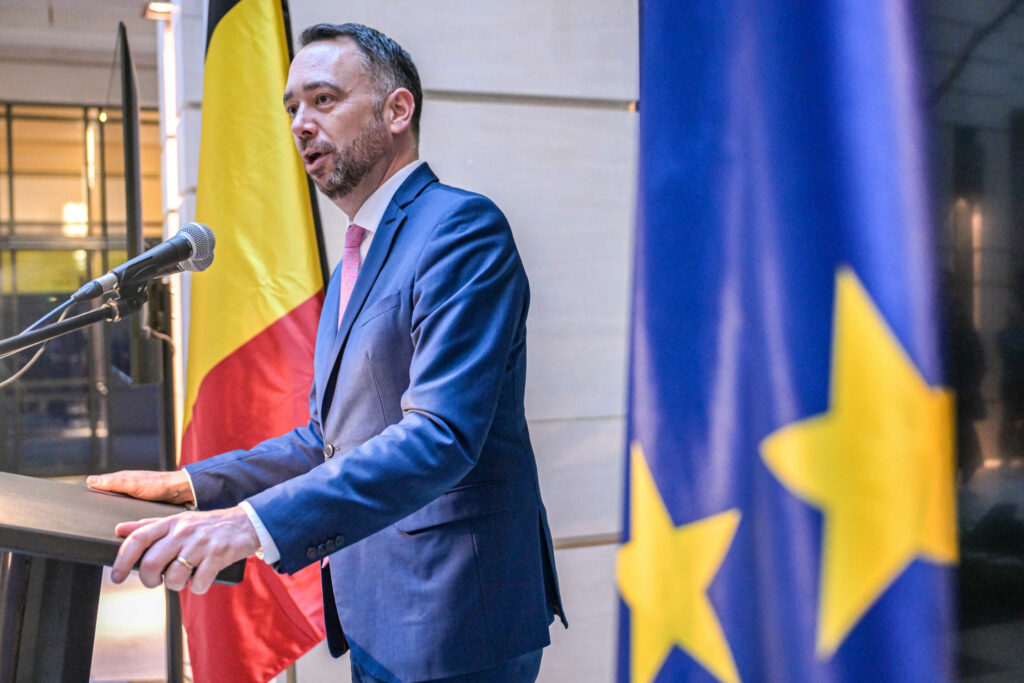
Foreign Minister Maxim Prévot echoed this position, stating that the government sees the reparations loan as the worst possible option because no one has ever used the mechanism before and it carries significant financial risk. Belgium instead advocates for a traditional solution—EU borrowing directly on the market.
Prévot also stressed that Belgium’s concerns are being “dismissed,” and that the Commission’s proposed guarantees do not adequately cover the risks for his country.
Merz’s Position
Merz, by contrast, is one of the strongest supporters of using frozen Russian assets. Euronews notes that he says all EU member states should share the risks proportionally to their economic capacity. While acknowledging Belgium’s concerns, he insists the EU must act in solidarity and finalize robust legal guarantees swiftly.
Von der Leyen has also promised additional safeguards. These include bilateral contributions from member states, an EU budget backstop, a ban on transferring sovereign Russian assets back to Moscow, and other protective measures.

What This Means for Ukraine
The situation remains uncertain. If Belgium does not shift its position, the EU will need an alternative financing source. This will likely involve borrowing on the market, which may be more expensive and slower.
For Ukraine, the decision is crucial. External support is expected to run short by 2026. Access to frozen Russian assets could become a stable source of funding for wartime needs and reconstruction.
Conclusion
The crisis meeting in Brussels is an attempt to bridge the gap between EU solidarity and Belgium’s fears of bearing excessive financial liability. Merz and von der Leyen argue for a historic decision that would redefine how Europe holds an aggressor accountable and supports Ukraine. Belgium, however, is unwilling to expose itself to risks it views as insufficiently mitigated.
The outcome of these talks will determine whether Ukraine secures a new financial lifeline. It will also show whether the European Union can demonstrate unity on the question of Russia’s responsibility for the war.