

The United States is urging some European Union countries to block plans to use frozen assets of Russia’s central bank for a large reparations loan to Ukraine. Bloomberg reports this, citing European diplomats familiar with the matter.
Who Says What
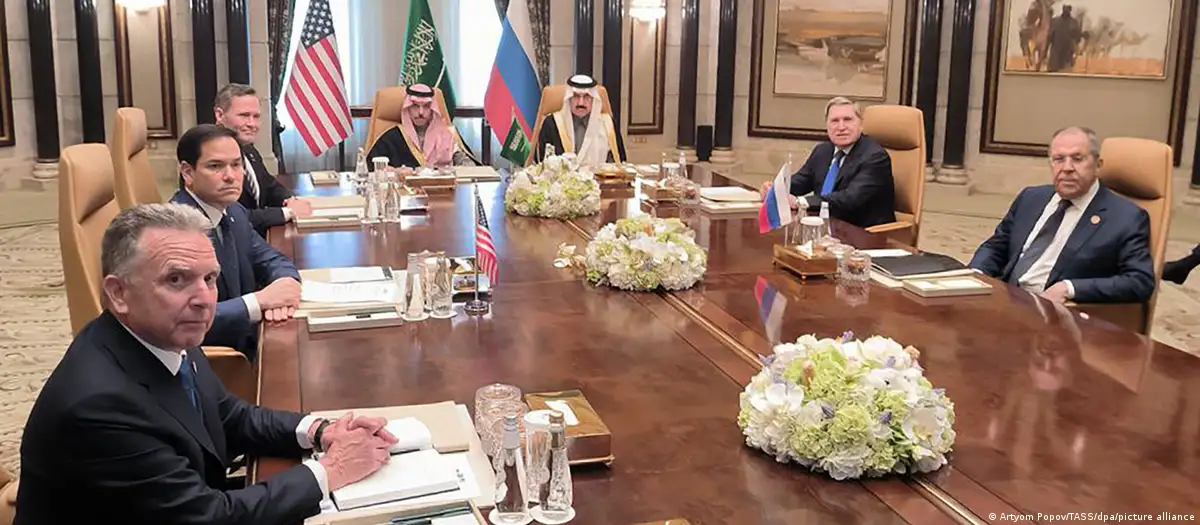
According to the report, US officials are conducting private talks with EU governments. They say the assets could be an important tool for a possible peace settlement between Kyiv and Moscow. The US believes using the funds to finance Ukraine could prolong the war. They prefer keeping them as leverage against Russia. The US State Department has not responded to Bloomberg’s requests for comment.
Background
Earlier, the European Commission proposed using Russia’s frozen assets to provide a reparations loan to Ukraine of about €90 billion ($105 billion). The funds will cover Ukraine’s economic and military needs over the next two years. The EU has frozen about €210 billion of Russian assets in total. Some of these funds could be used starting in 2028.
The plan assumes that Ukraine would repay the loan only if Russia agrees to compensate for war damages. Belgium, which holds a large share of the assets, opposes the plan. The Belgian government fears financial risks and potential Russian retaliation.
German Chancellor Friedrich Merz insists that the funds should stay in Europe and support Ukraine. He plans to meet in Brussels with the Belgian Prime Minister and the European Commission President to overcome the opposition. Other countries, including Hungary and Slovakia, also question the use of these assets for military support to Ukraine.
US National Security Strategy
On Thursday, the White House published an updated US national security strategy. The document calls for ending the perception of NATO as “a perpetually expanding alliance”. One priority is to help end fighting in Ukraine quickly. Another is to reduce the risk of conflict between Russia and European countries.
The strategy also notes that Europe sees Russia as an existential threat. Resolving relations with Moscow will require US diplomatic involvement. The document avoids the term “Russian aggression” and only refers to “the Ukraine war.” It also criticizes the EU for censorship and restricting political opposition.
Conclusions
The situation shows tension between the EU’s goal of securing stable financing for Ukraine and US strategic interests in negotiations with Russia. If EU countries cannot resolve internal disagreements, Kyiv may face a shortage of funds early next year. At the same time, US pressure could affect talks in Brussels. It may determine whether Russia’s frozen assets are used to support Ukraine or remain a tool of political leverage. In the coming weeks, the key issue will be balancing economic aid, military support, and peace initiatives.