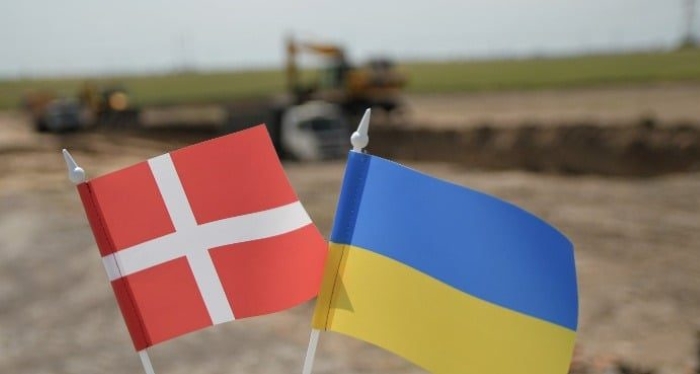


In 2026, Denmark plans to allocate 9.4 billion kroner (1.26 billion euros) in military aid to Ukraine, compared to 16.5 billion kroner (2.21 billion euros) last year. In contrast, other Scandinavian countries are increasing their assistance to Ukraine. Danish Defense Minister Troels Lund Poulsen confirmed the planned reduction.
The Reasoning Behind
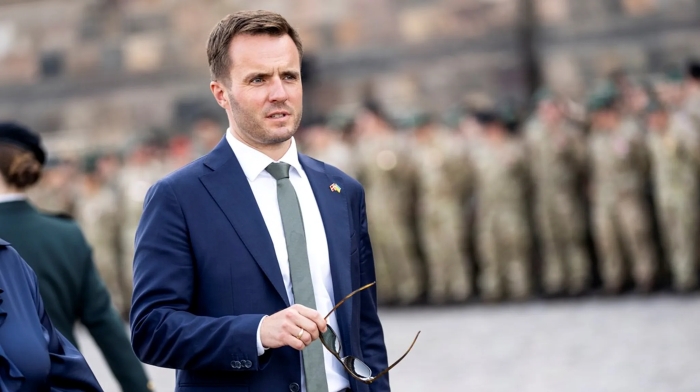
We decided to be one of the countries that took the lead at the beginning of the war by providing large-scale support. I also think it is fair to say that this support somewhat exceeds what our country’s size actually dictates. Therefore, I think it is only natural that the support is decreasing, said Simon Kollerup, a member of the Defense Committee.
However, there are arguments inside the country over whether reducing assistance is appropriate in such turbulent times. For example, another member of the Defense Committee, Stinus Lindgreen, counterargues that Ukraine is in a critical situation, and therefore this is the wrong moment to revise decisions.
The Biggest Supporter as a Share of GDP
According to official summary information from the Danish Ministry of Foreign Affairs, since the start of the full-scale invasion, Copenhagen has allocated around €9 billion for military support and almost €927 million for civilian programs.
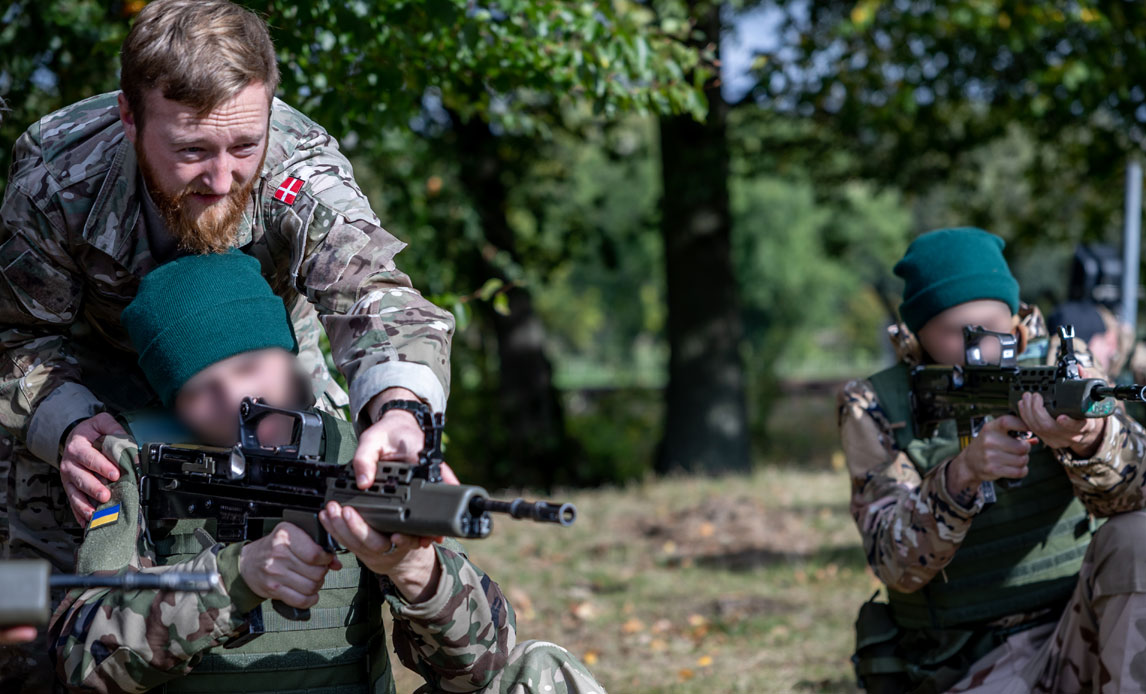
In 2025, Denmark continued to finance the PURL initiative and supply fuel through NATO agencies, while investing in Ukrainian arms production based on the Danish model (state financing of contracts with Ukrainian manufacturers). This scheme allows Kyiv to obtain ammunition faster and simultaneously supports the local defense industry.
Particularly, In November 2025, the Danish government and parliament agreed on a new military aid package to Ukraine worth almost 1.5 billion kroner (approximately $217 million). Part of the funds will go toward purchasing U.S. weapons, as well as fuel for the Ukrainian military.
In 2022, Copenhagen’s official steps demonstrated an early awareness that Russia’s aggression undermines the security of all of Europe, leading to the cancellation of Denmark’s opt-out from EU defense policy and a programmatic increase in the defense budget to 2% of GDP.
Conclusion
Even the most consistent supporters of Ukraine are now hesitant about whether they can continue spending at the same level. This debate reinforces the need to use frozen Russian assets to stabilize European economies. At the same time, as Simon Kollerup notes, other countries, especially those with larger economies, should catch up on assistance and aim to reach Denmark’s level in percentage terms. So far, smaller countries have given a lot, even risking their own defense capacities, while states with real potential remain reluctant to revise its approaches.