

Ukraine is experiencing the most significant demographic crisis in its modern history. The war has only accelerated processes that have been developing for years—rapid population decline, falling birth rates, mass migration, and the aging of the nation. Experts warn that if this trend is not stopped, the country risks losing its development potential for decades to come.
Ukraine’s population: from slow decline to sharp drop
By 2022, Ukraine had a population of about 41-42 million. According to various estimates, today that figure has fallen to 35-36 million. Even in the most difficult times of the 1990s, there was no such collapse.
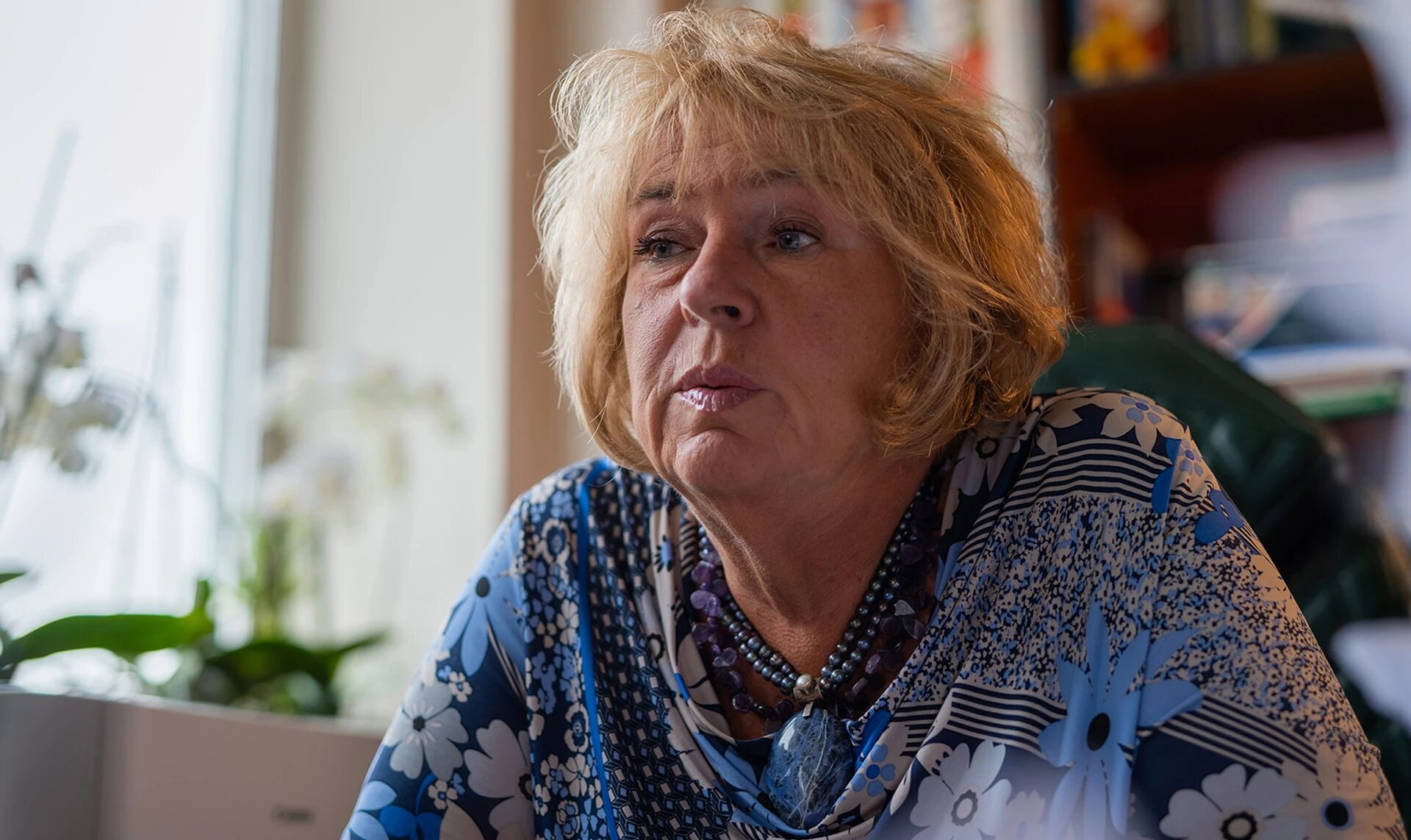
Economist and demographer Ella Libanova emphasizes that the decline was already happening before the war, but the full-scale invasion made it dramatic:
“Ukraine has already lost at least 10 million people. These are not just numbers — this is lost human capital that shapes the future of the country.”
According to demographers’ estimates, by 2050 the population could shrink to 27-29 million, and in a pessimistic scenario — even to 25 million.
Three main factors of depopulation
- Migration: millions of Ukrainians abroad.
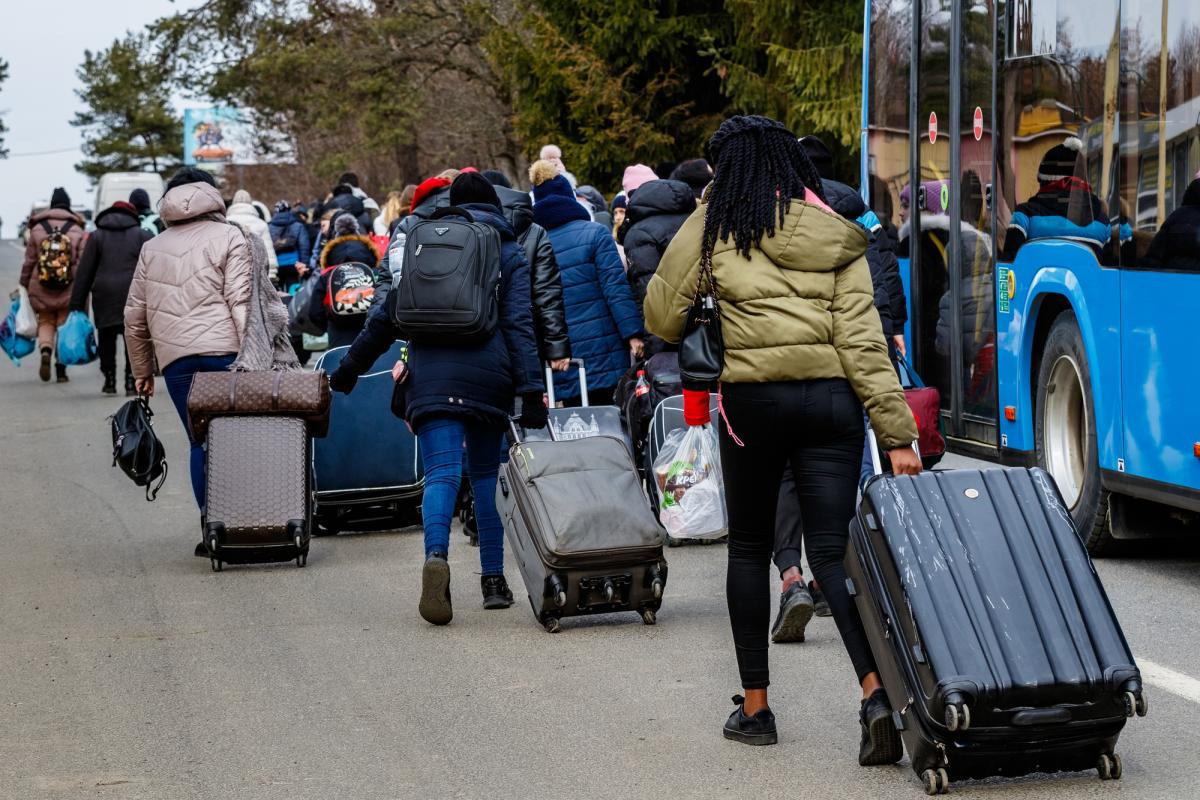
Since the start of the war, more than 6 million people have left Ukraine. Some are returning, but a significant number are integrating abroad, finding work, and enrolling their children in local schools.

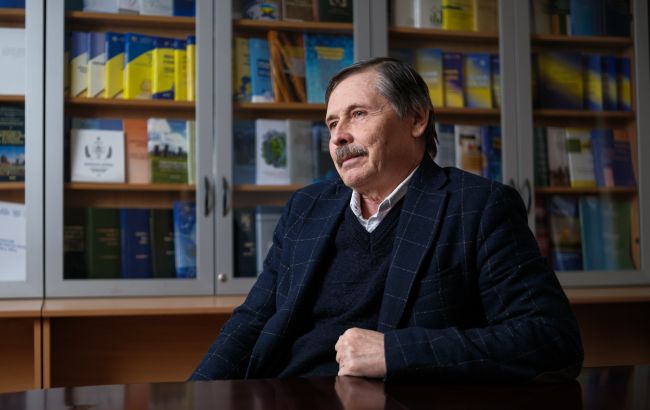
Demographer Oleksandr Gladun explains:
“If a person has lived abroad for two or three years, their chances of returning decrease. And if they have enrolled their children in school, those chances decrease significantly.”
The EU already recognizes that many Ukrainians may stay abroad permanently, especially young women with children.
- Record low birth rate
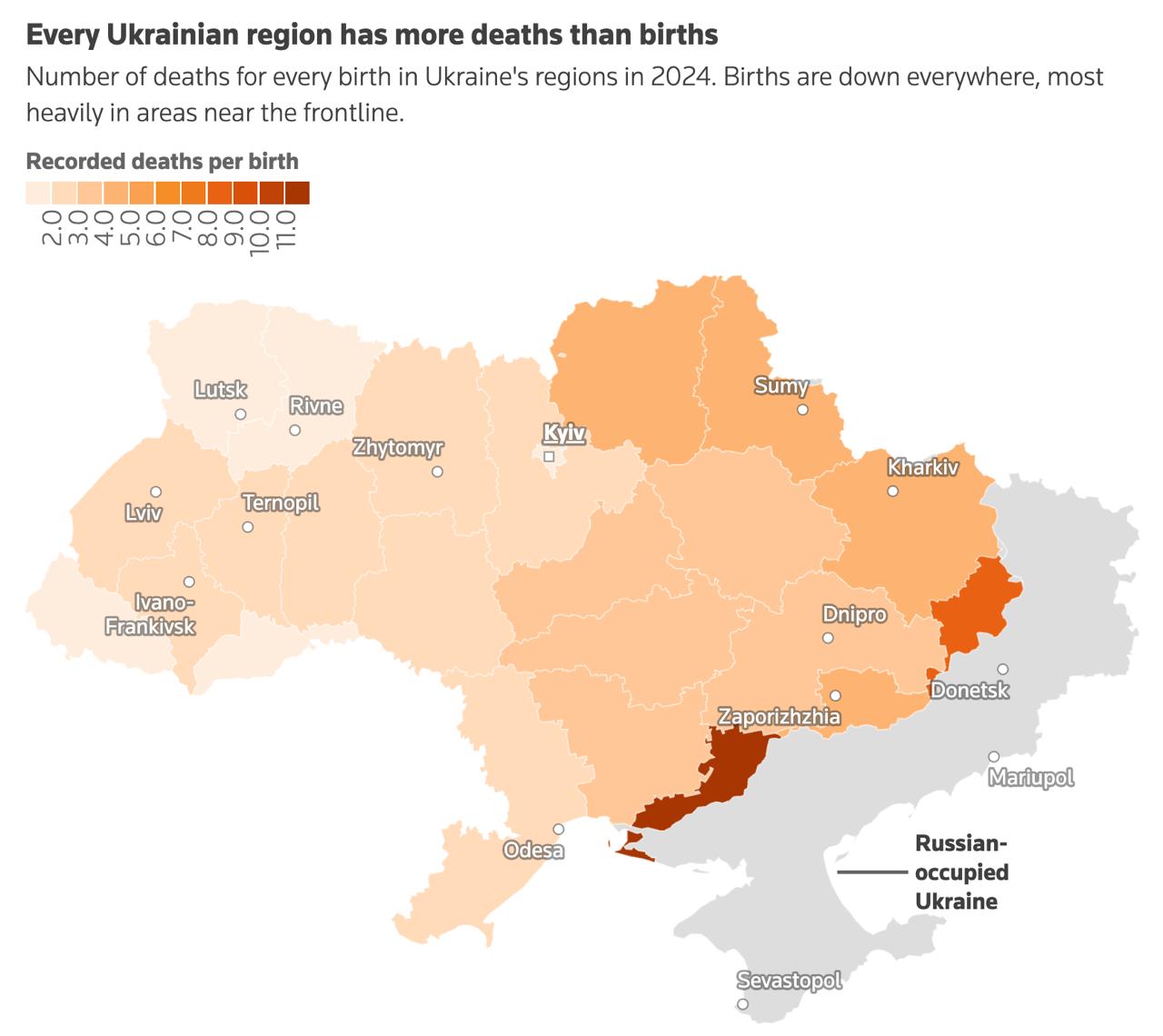
Before the war, around 270,000-300,000 children were born in Ukraine each year. In 2023-2024, this figure fell to a historic low of about 180,000. This is less than Ukraine had during World War II.
Ukraine today has one of the lowest birth rates in Europe. Young people are not planning to have children due to uncertainty, economic instability, and the threat of war.
At the same time, despite the end of COVID-19 and the general increase in life expectancy in recent years, mortality still exceeds the birth rate by 2-3 times.
- Military losses and changes in gender structure
The war has created another critical demographic problem: a shortage of men of reproductive age. Mobilization, losses, injuries, and the migration of men abroad—all these factors have a significant impact on the possibility of having children in the coming years.
Social policy expert and Doctor of Economics Andriy Revenko notes:
“The current demographic structure of Ukraine has become deeply asymmetrical: there are more women of childbearing age than men. This means that the birth rate will remain low even in the post-war period.”

Population aging: a time bomb
The average age of Ukrainians has already exceeded 41 years. By 2050, it may rise to 46-47 years.
This means:
– increased pressure on the healthcare system;
– an increase in the number of pensioners;
– a labor shortage;
– a decline in economic activity.
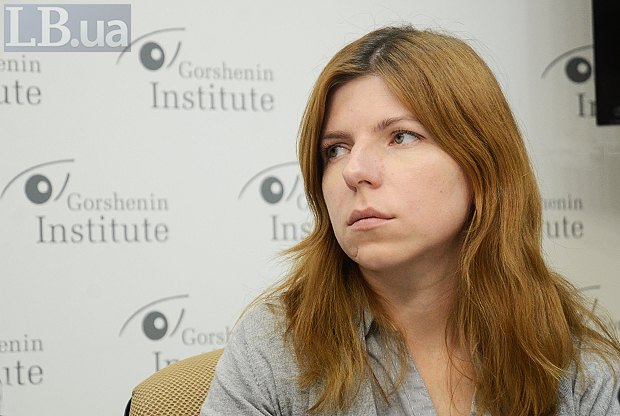
Economist Maria Repko from the Center for Economic Strategy explains:
“Ukraine is effectively entering a zone of demographic risk, where there will be fewer working people than those they support. This undermines the country’s economic potential.”
What can change the situation
Analysts identify several strategic directions.
- Encouraging Ukrainians to return
Programs for the diaspora, the possibility of remote work for Ukrainian companies, investment incentives, and benefits — all of this could bring back some citizens.
- Supporting the birth rate
Experts emphasize that money alone does not encourage people to have children. What is needed is:
– affordable housing,
– high-quality kindergartens,
– assistance for working parents,
– guarantees of security.
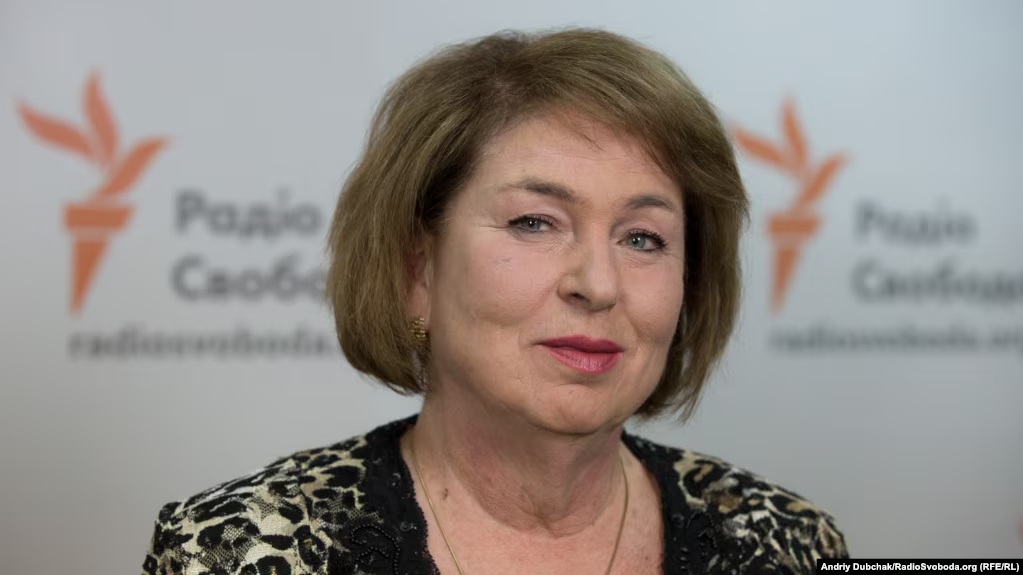
Ella Libanova adds:
“No one-time payments will help. People have children not because of money, but because of a sense of stability and a future.”
- Addressing migration
Some Ukrainians want to return — but only if there is security, jobs, government reform, and infrastructure restoration.
What will happen next: three scenarios
- Optimistic
Half of Ukrainians abroad return, the birth rate increases, and the war ends. By 2050, the population stabilizes at 33-35 million.
- Realistic
20-25% return, the birth rate increases slightly. By 2050 — 28-30 million.
- Pessimistic
The war continues for a long time, migration increases, the birth rate falls. By 2050 — 24-26 million.
Conclusion
The demographic crisis is not just a matter of statistics, but a fundamental threat to Ukraine’s future. The war has exposed and accelerated trends that have been building up for years. However, experts are convinced that with the right government policy, the return of migrants, support for young families, and economic recovery, the country is capable of reversing the trend.