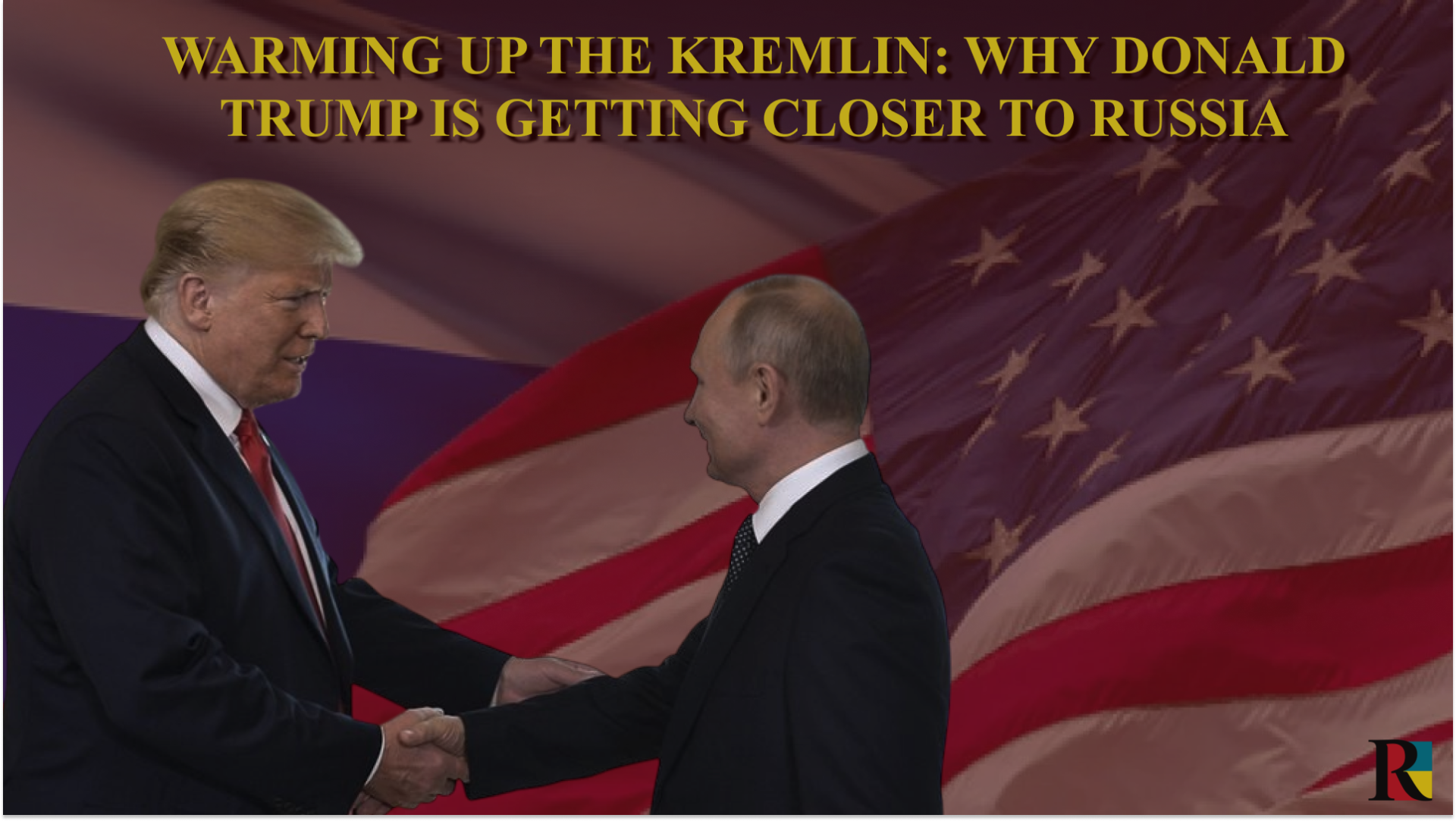


According to Ukraine news in Ukrainian, Progress in the normalization of US-Russian relations has shaken up the political landscape of Europe. According to a report by the Carnegie Endowment for International Peace, the world’s largest research foundation, in the first 100 days, the administration of President Donald Trump turned the previous policy towards Russia upside down.
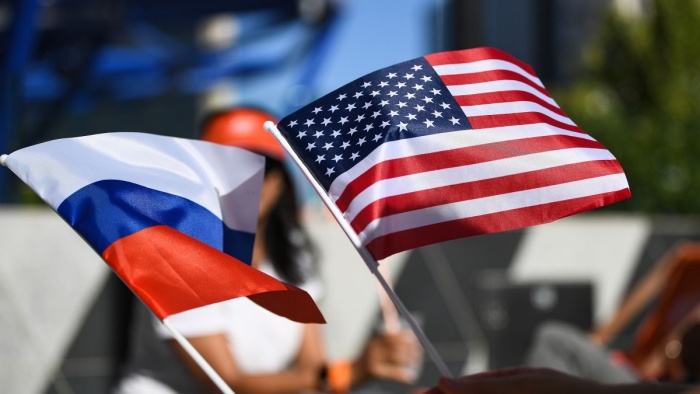
In early April 2025, NATO diplomats expressed concern about Donald Trump’s experience with rapprochement with Russia. The Alliance fears that this could lead to the restoration of contacts between the US and Moscow, which would become a major threat to European security.
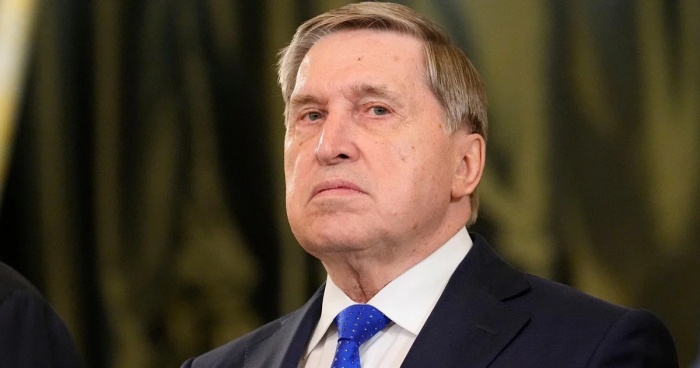
If the Russian side is to be trusted, the issue of rapprochement between Russia and the US was raised during negotiations between the Russian and American delegations in Riyadh in March 2025. This was stated by Kremlin aide Yuri Ushakov.
According to the Financial Times, commodity traders, insurance companies and transport companies are consulting with lawyers about resuming trade with Russia in anticipation of the possible lifting of US sanctions.
We analyze further why the Donald Trump administration is choosing a course towards rapprochement with Russia and what research this may entail.
Why Russia and the US are getting closer
US administration officials and some Republicans in Congress justify Trump’s policy towards Russia as a strategic move designed to encourage Moscow to negotiate and reach a peace agreement that would end Russia’s war against Ukraine.
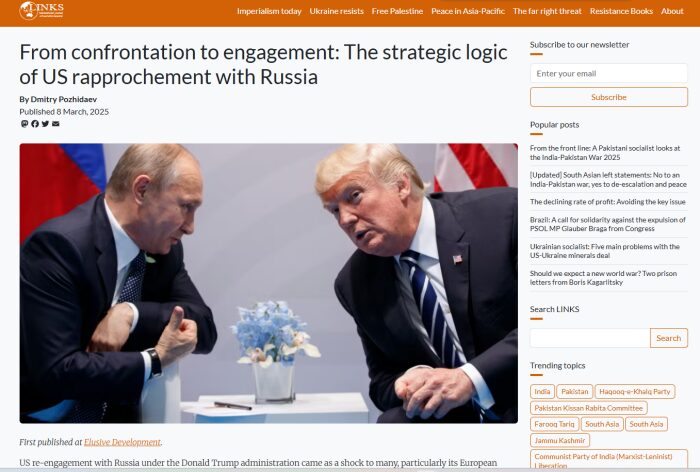
However, as the Links International Journal of Socialist Renewal states, there is a growing belief in Washington that the main threat is China, not Russia. Europe, in the US’s view, is capable of containing Russia with minimal US involvement. This allows the US to focus on the Asia-Pacific region.
Russia is not a global economic competitor of the US (unlike China), so economic cooperation with it is seen as less risky and more beneficial from the point of view of strategic balance. However, the US sees the strategic alliance between Moscow and Beijing as a long-term threat.
In an analysis by Chatham House (a non-profit, non-governmental organization whose goal is to analyze and promote understanding of major international issues and current affairs), one of the key reasons for the rapprochement between Russia and the United States is called the potential for “huge economic deals”.

US President Donald Trump believes that the world should be divided into 3 spheres of influence: the United States, Russia and China. This opinion was expressed by Igor Eisenberg, a professor at Manhattan University. He also believes that Trump hopes for an alliance with Putin against Beijing:
There is him, there is Putin, followed by Russia, and Xi Jinping. And the rest are small, no one should ask them what should be done in the world. The three of them are supposed to divide the world. Trump hopes that Putin can be his ally in the confrontation with China.

Ivan Stupak, a military expert at the Ukrainian Institute for the Future, a consultant to the Ukrainian Verkhovna Rada Committee on National Security and Defense, believes that the reason for the rapprochement between the US and the Russian Federation is money:
Donald Trump wants to make money, his entourage wants to make money. I don’t think this warming is political (although there is a partial explanation in politics), but in general, it is money.
Russia can generate money, you can make money from it. For the past two months, there has been a discussion on the topic of resuming gas supplies, supplying gas from Russia to Europe through the Nord Stream 2 gas pipeline. Restoring one branch of the pipeline is 700 million euros. And that’s what they want to make money on.
The expert also notes that Donald Trump has a certain reverence for Putin:
But judging by Mr. Trump’s latest tweets, it looks like he is not satisfied with something (with Putin, – ed.). But again, these are just his posts. So far, they have not transformed into any really serious measures against the Russian Federation.
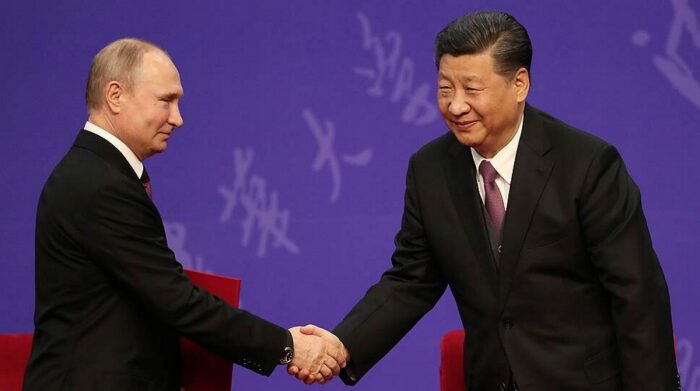
When asked whether China is the reason for the warming of relations between the two countries, Ivan Stupak replies that he does not understand how the US can tear Russia away from China:
I cannot even theoretically imagine it. On land, Russia does not border China. Russia has now taken the first position in supplying oil, gas, and coal to China. And what should the US offer to make Russia fall away? There is nothing.
The head of the Center for Countering Disinformation, Andrey Kovalenko, believes that Donald Trump needs Russia as a territory and resource base, since it controls key resources and infrastructure in the Arctic.

Stanislav Zhelikhovskyi, PhD in Political Science and an international expert,, also highlights Donald Trump’s personal sympathies for Vladimir Putin among the reasons for the rapprochement of the USA and Russia:
But not as close friends – Trump has repeatedly expressed admiration for Putin’s leadership qualities. That is, it is not excluded that he simply has some admirers of the Russian dictator’s style of governance, that he, let’s say, has authority in his country, does not encounter any criticism in Russia, that he can influence certain initiatives without consulting his surroundings. Perhaps Trump would not like to be contradicted and would like everything to turn out the way he sees it. But this is ambiguous, just an assumption.
The expert also notes the strategy of the so-called grand deal, as the Donald Trump administration is considering the possibility of concluding a grand deal with the Russian Federation, which would involve concessions from the US in exchange for Moscow distancing itself from Beijing, for example:
Well, in general, Trump dreams of breaking up the China-Russia alliance. But breaking up this alliance seems unlikely to me, because the United States does not see Putin as its ally either. For Russia, Trump is only a temporary obstacle to some action. They know that in 2-3 years Trump will be gone.

Jeremy Bigwood, an independent researcher and multimedia journalist from the United States, believes that Trump does not care what happens to Ukraine:
But I am sure that he (Trump, – ed.) does not like China, and now China and Russia together. When Trump first visited Russia, it was still the Soviet Union. At that time, the USSR had conflicts with China. Trump probably remembered that period and hoped that he could now “tear Russia” off from China. My experience of living in Moscow with breaks from 2017 to 2022 showed the growth of China’s influence. All my Russian language teachers at Moscow State University studied Chinese (and forgot European languages). The streets were filled with Chinese tourists. The recent period was very different from when Trump first visited Russia.
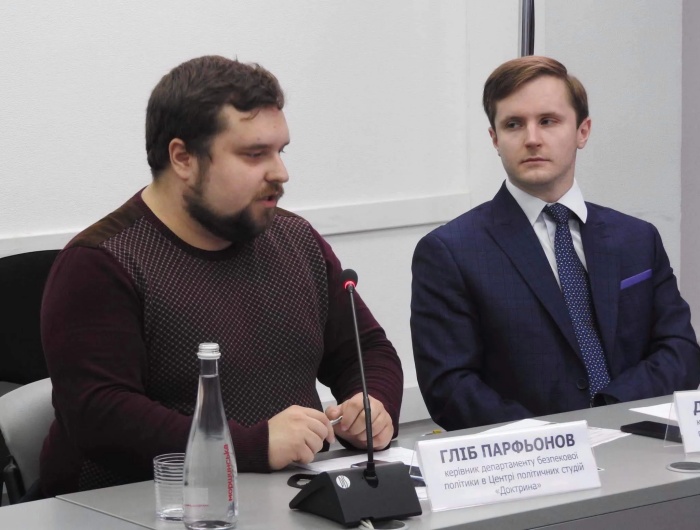
Glib Parfenov, coordinator of the security direction of the Center for Political Research “Doctrina”, advises not to take the rhetoric of politicians at face value:
This is a game, first of all, with their own electorate. We can see the realities precisely in the lack of action in rapprochement (the USA and Russia, – ed.). This is how it is now, where the USA and Europe are preparing a draft of a 30-day ceasefire, in case of rejection by Russia which will lead to new sanctions pressure.
He also emphasizes that Beijing will not let the Russians into the arms of the Western world, no matter how much some in Russia itself would like it.
The Impact of Russian-American Rapprochement on Ukraine
Ivan Stupak, a military expert at the Ukrainian Institute for the Future and a consultant to the Ukrainian Verkhovna Rada Committee on National Security and Defense, believes that the United States may begin to put pressure on Ukraine:
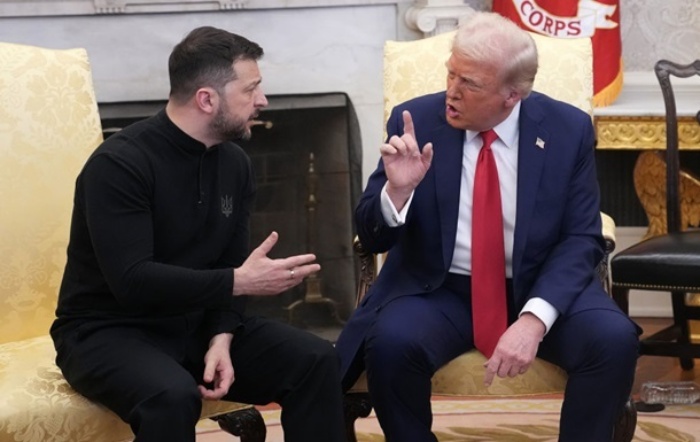
In particular, to recognize Crimea as Russian, and also at the legislative level. To give Russia everything it has seized. Remember, there were talks of ‘let’s give Zaporizhia and Kherson too.’ These are such negative scenarios.
In my opinion, it could simply be pressure in the form of Ukraine recording the recognition of Crimea as Russian. And thus all sanctions on Russia for the annexation of Crimea are lifted.
The Emerging Europe Growth Center notes that “any rapprochement between the US and Russia will only provide gloomy prospects for Ukraine and Europe.”
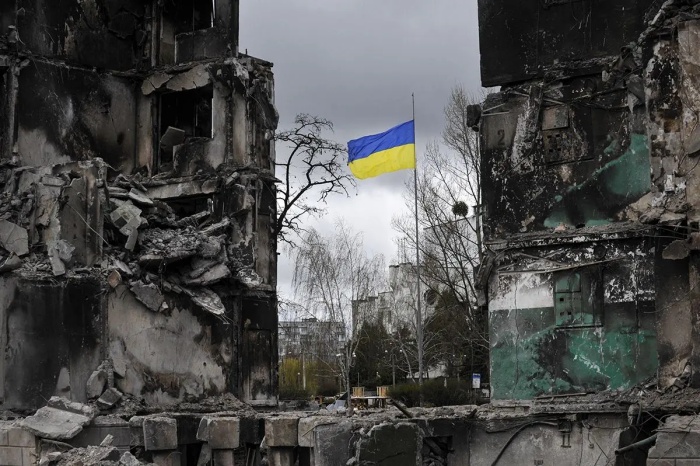
As the center’s journalists note, the rapprochement of Russia and the US threatens Ukraine with capitulation and loss of sovereignty. In the event of a peace dictated on the Kremlin’s terms, Ukraine may lose not only the occupied territories, but also the chance for membership in the EU and NATO. The country will actually be turned into a vassal with a puppet government, like in Belarus, deprived of security guarantees and controlled by external forces.
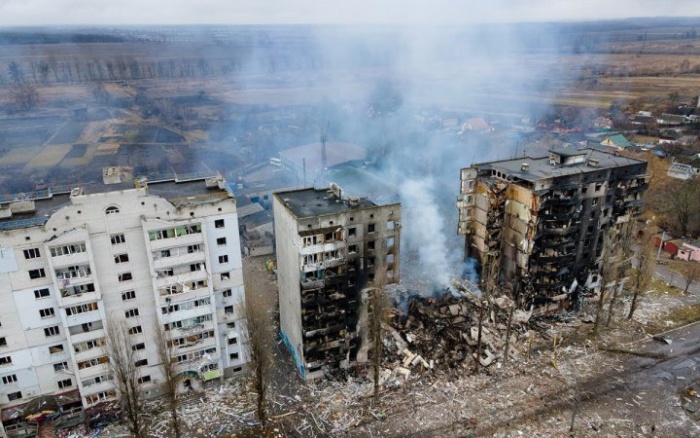
Without reparations and international support, Ukraine will not be able to restore the economy and infrastructure destroyed by the war. Moreover, there have been proposals from the US to control part of Ukrainian resources, which could make the country economically dependent and colonized.
Jeremy Bigwood, an independent researcher and multimedia journalist from the US, is less pessimistic about Ukraine than he was a month ago:
I think US support will continue to be muted, but it won’t disappear.
Global consequences of the rapprochement between the US and Russia
As Forbes writes, some experts believe that such a policy of Trump seriously weakens the traditional role of the US as a world leader. According to former US Ambassador to NATO Ivo Daalder, the president in his statements actually repeats Putin’s rhetoric.
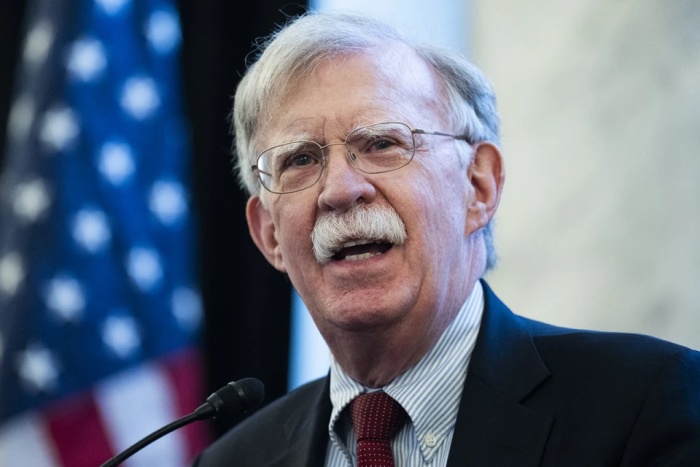
Former Trump security adviser John Bolton believes that such a policy is not part of a clear strategy, but rather reflects Trump’s personal vision. At the same time, analysts, in particular from the Cato Institute, note that Trump’s actions force European countries to take more responsibility for their own security – a position that the US has supported since the time of President Eisenhower.
US allies are already considering the possible consequences of such a potential turn, writes Dzerkalo Tyzhnia. One of the Western officials noted that partner countries are closely monitoring the situation.
Former employees of American intelligence agencies fear that the Trump team may reduce efforts to collect data on Russia if it ceases to consider it the main threat. Instead, the priority may shift to, for example, the fight against drug cartels in Latin America.
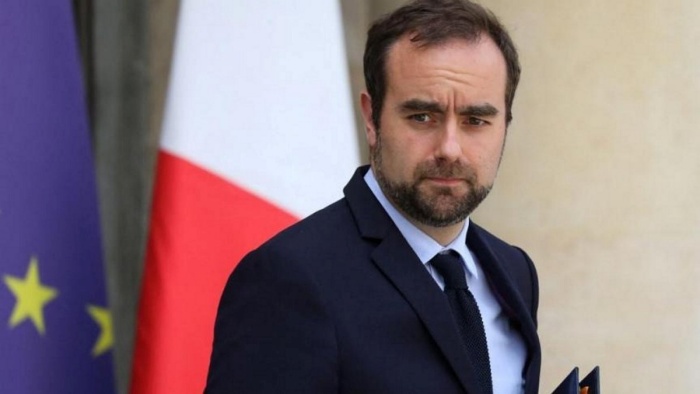
French Defense Minister Sébastien Lecornu said that Europe must take care of its own security, and not rely on the United States for this. The European Commission has already presented a European Defense Industrial Strategy, which includes a number of new measures to strengthen support for the competitiveness and readiness of the European defense industry.
The Emerging Europe Growth Center emphasizes that a deal to end the war on Russian terms would mean the end of American security guarantees for Europe, an outflow of investors from Central and Southeastern Europe, and a new era of instability. NATO without the United States will be unable to provide defense, and European states have neither the means nor the political will to take on this role.
Not Ukraine alone: other statements by Trump
In January 2025, United States President Donald Trump said that the United States should purchase Greenland for reasons of “international security”.
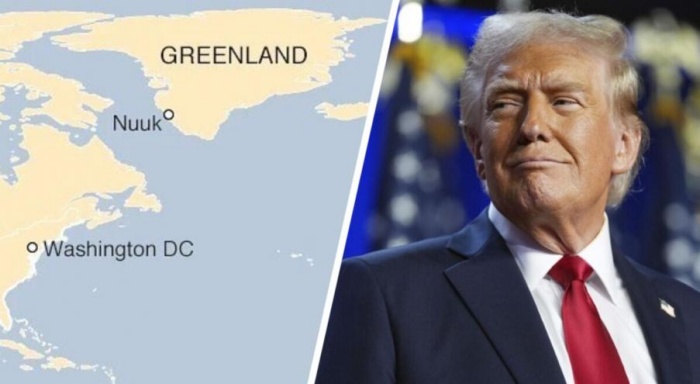
During a meeting with NATO Secretary General Mark Rutte, he expressed confidence that the island would be annexed. According to The New York Times, the White House is working on developing an official plan to “purchase” Greenland from Denmark. It is planned to use advertising and payments to the island’s residents.
Greenland’s Prime Minister Mute Egede responded by saying that the island’s residents do not want to be part of the United States, but are in favor of close cooperation with the United States.
More than 60% of Americans disapprove of US President Donald Trump’s proposal to buy Greenland, but among his supporters the majority support this idea.
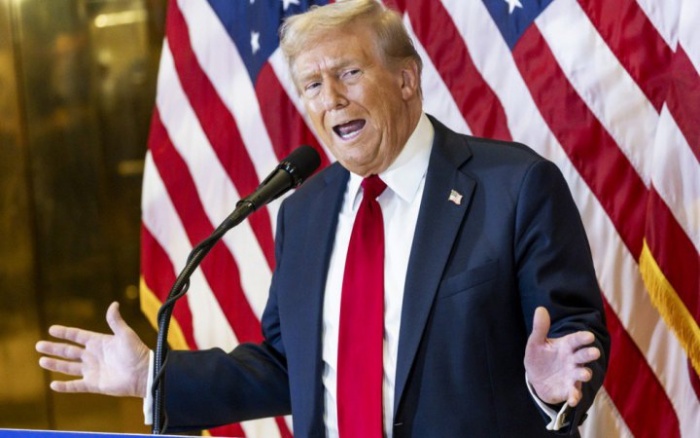
In early April 2025, Donald Trump said in an interview with NBC news that he does not rule out the use of military force to seize Greenland.
In May 2025, the US president tweeted that many people in Canada would love to become the “51st state of the United States.” He also posted several maps on his Truth Social page showing Canada as part of the United States.
Former Prime Minister Justin Trudeau said that US President Donald Trump’s plans to annex Canada were a “real threat” because of its rich reserves of critical minerals. Canada’s new Prime Minister Mark Carney, however, has stressed that the country will never become part of the US in any form.
***
Attempts to bring the United States and Russia closer together under Donald Trump have raised concerns among European allies and questioned the sustainability of support for Ukraine in the context of the Russian-Ukrainian war. This policy is based on several factors: Trump’s desire to conclude a “grand deal”, economic benefits, personal sympathy for Putin and a strategic intention to break Moscow’s alliance with Beijing.
However, most experts agree that this course is unlikely to bring the expected results – Russia will remain in the orbit of China’s influence, and Trump’s political rhetoric is mostly focused on his own electorate. In the end, the warming of relations between Washington and Moscow may turn out to be short-lived and more symbolic than real.
Anna Ostymchuk