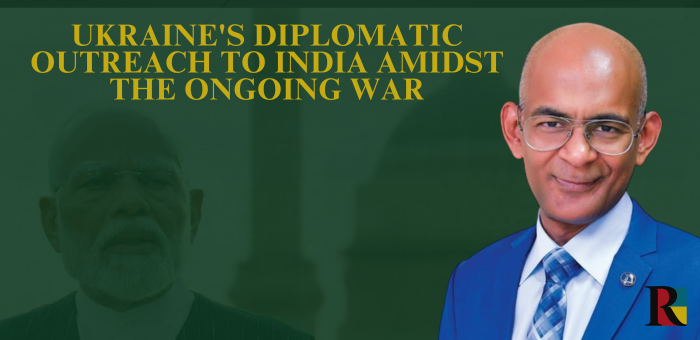


The diplomatic scenario changed radically after the full-scale invasion of Ukraine in February 2022. Throughout the world, nations have had to reassess foreign policy approaches and strike a balance between long-term relationships, security concerns, and economic interests.
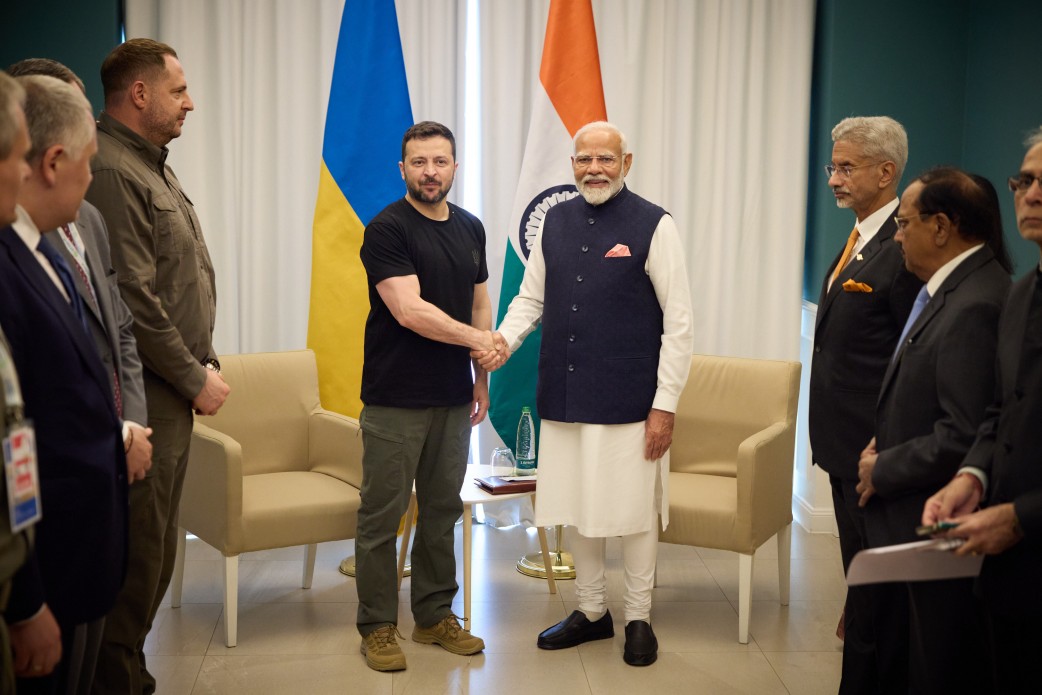
Last year in August, the serving Prime Minister of India-one of the world’s largest economies-paid the first visit ever by a Prime Minister of India to Ukraine, since its independence in 1991.
The visit, amidst the word on the streets, was questioned by many despite warm India-Russia ties. Was it of any importance, you would ask? This is nothing but a well-calculated stand on the war, trying to keep touch with both Russia and the West.
Diplomacy is the art of balancing interests, and India’s position in the Ukraine war is a careful dance between history and strategy.
It has, therefore, faced defending its sovereignty. At the same time, it has been attempting to enhance relations with other countries, notably India, in a bid to protect its sovereignty. However, the diplomatic relationship between Kyiv and New Delhi has been complicated, mostly influenced by strategic factors, and characterized by historical ties.
India’s Stance on the War-Strategic Neutrality
These are shades of Indian diplomacy: careful handling or strategic neutrality in what is otherwise described as the conflict between Russia and Ukraine. New Delhi, for its part, has been sounding calls of peace and diplomacy, even if it means a lack of outright denunciation of Russia. This might be influenced by several factors.
Historical Ties of Russia-India
Both China and India have been paying close attention to every bit of change in each other. At present, China is one of the biggest geopolitical concerns for India, especially with regard to border disputes and military confrontations, the latest in Ladakh. Given continuous border issues with China and the military showdowns experienced by India, New Delhi considers Beijing to be a strategic rival despite the fact that the strategic equation between Russia and China has strengthened more further over the last few years.
India’s relation with Russia, therefore, acts as a constraint on China in preventing Moscow from moving too closely into a special relationship with Beijing to the disadvantage of India. New Delhi would not wish to break its current pattern of relationship with Moscow at this stage in a way that causes Moscow to run further in the direction of orbiting China. How about we list the few concerns that are making India’s stand in the conflict hazy-
China Military Aggression: The Sino-Indian border tension was unresolved and increased due to the Ladakh incidents in 2020. The over-reliance of Russia on China could tilt the balance of power against India.
Russia-China Defense Cooperation: Joint military exercises and probable sharing of technologies might showcase the loopholes as to whether Russian intelligence or Russian weapon technologies could be used against India.
Economic Realignment: Russia has been trying to divert its trade away from dependence on the West, and China is emerging as the largest economic partner for it. If this trend continues, the interests of Moscow vis-a-vis Beijing will be given greater priority over those related to New Delhi.
Energy Security and Economic Interests
Russia, for a long time, has been India’s largest supplier of crude oil, especially with the imposition of Western sanctions on Russian oil exports. In pursuit of its own economic growth and energy security, India has been utilizing cheap oil from Russia to break away gradually from suppliers in the Middle East.
Russia has grown into India’s biggest crude oil supplier, especially after the imposition of Western sanctions on Russian energy exports post-Ukraine conflict. India imported less than 1% of its crude from Russia in 2021, yet the country accounted for almost 40% of India’s total imports by mid-2023. It had overtaken traditional sources like Saudi Arabia and Iraq. This was because of the Russian oil being sold at rock-bottom prices, which India thought was an opportune moment to cut the energy bill and enhance economic stability. India imported over 1.64 million barrels of Russian crude per day in 2022-23, and this was certainly a huge dent in its import bill.
Besides, India and Russia were extremely well connected economically in space technology, nuclear energy, and the pharmaceutical sector. It would be very costly for India to exploit these relations, hence rendering open criticism of Russia uneconomical and politically inexpedient. Multilateral Diplomacy and the Global South:
India’s role has been to take leadership in the Global South on issues where its interests are those of the developing nations, against the Western and Russian blocs. Consequently, during the G20 Presidency in 2023, it was expected that India would focus on furthering economic growth, food security, and development rather than continuation in global conflicts. New abstentions of the New Delhi government to condemn Russia in UN resolutions have started to show; such an attitude in fact stipulates non-aligned tenets of diplomacy over confrontation. Ukraine Diplomatic Outreach to India Recognizing the influence that India carries in international relations, Ukraine has taken proactive efforts to create diplomatic outreach for New Delhi.
High-Level Engagements and Seeking Support: Since the onset of the conflict, Ukraine has been in touch with different Indian leaders, and frequent appeals have been made to the Prime Minister. Zelenskyy reached out to Modi, urging India to express a stronger voice against Russian aggression. Former Foreign Minister Dmytro Kuleba also reached out to his Indian counterpart to underline the need for territorial integrity, calling for India to mediate in the peace talks. But, India has remained neutral, demanding dialogue but not directly blaming Russia. T he Ukrainian officials assured their Indian counterparts that military invasion would give Ukraine a better negotiating position like none till then, the very next time during peace talks initiated by their initiatives to engage neutral countries, including India. Engaging neutral, or pro-Russian, countries, including China and India, was one of the goals of that diplomacy.
Humanitarian and Trade Factors: Ukraine tried better economic engagement with India, especially in agriculture, pharmaceuticals, and education. Ukraine also used to be a major importer of Indian wheat and sunflower oil. All these had been due to the war, which disrupted the trade relations between India and Ukraine. Besides, Ukraine has asked for help in the form of humanitarian from India in terms of medical help, rebuilding aid. Although India has offered humanitarian help, it has made it clear that it is not entering into this war. Defense and Security Cooperation: Defense cooperation has been one of the major diplomatic objectives of Ukraine with India. Before the current war situation, Ukrainian defense firms had been engaged in joint activities with Indian firms to modernize the machinery, including the up-gradation works done on the tanks and the engines of the aircraft.
As India attempts to diversify its arms purchases away from Russia, Ukraine has emerged as a viable defense ally. But with India juggling its geopolitics, a more robust military effort with Ukraine is a sell that is difficult to make.
Ukraine, on the other hand, has continued its diplomatic forays, trying to minimize the divide and enhance understanding. Senior Ukrainian officials contacted various stakeholders of Indian society-including civil society, academia, and media-to bring home the point about the human toll of the war and the imperatives of international solidarity. They also raised the potential in such core sectors like agriculture, pharma, and tech.
Investigating the Challenges in India-Ukraine Relations
The relations between Ukraine and India have reached a very comfortable level. In his latest comments, the president said that Ukraine feels immense pressure to get India to change its position. While it is indeed a laudable demand to be able to talk and negotiate, it is seen by some as an acquiescence to the present state of affairs. The fact that India did not come out and openly condemn the Russian aggression has been uncomfortable for Ukrainian leaders.
Let me put it in context, let’s just say this is the pressure over Ukraine to get India to change its position. It’s actually a good demand to talk, to negotiate, but in some aspects, it has actually shown acquiescence to the status quo.
These are the things that have made Ukraine’s face pale; not coming out openly and condemning the acts of aggression by Russia proved to be another failure on the part of India. Let us look at the diplomatic fallouts from this and move on to our countries’ cooperating during the war.
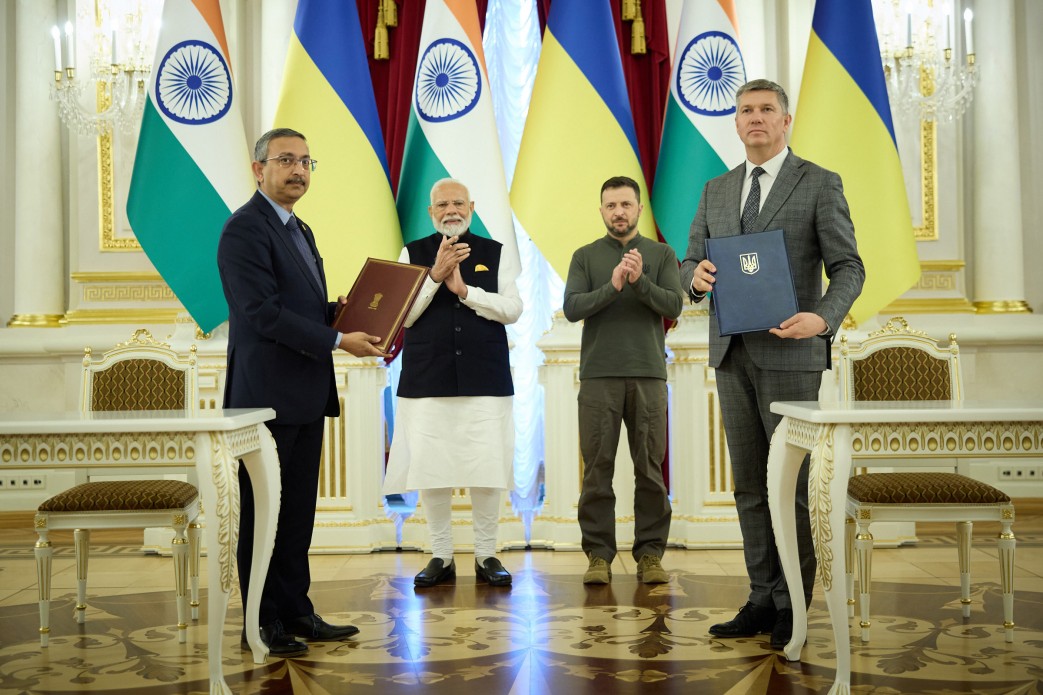
Influence of Russia on India
Indeed, while diplomatically prodding Ukraine, it also remained a major thorn in Ukraine’s flesh: Russia’s age-old grip on India. Defense alliances and exports of oil from the Indian Ocean and the strategic partnership in geostrategic affairs between Ukraine and India can only further such relations, and this will obviously come at the cost of a promise to pressurize New Delhi into taking a pro-Kyiv side.
India’s Fear of Overcommitment: More than the U.S., Ukraine, or Russia, it is generally perceived that India does not want to become overly involved in a secondary theatre that is not vitally connected to its national security concerns. It is not that India is insensitive to the humanitarian crisis in Ukraine; it has refused to take a sharply negative attitude toward Russia.
China-Russia-India Triangle: The increasing complementariness of Russia and China is emerging as a diplomatic challenge for India. No matter how resilient New Delhi’s relations with Moscow may appear to be, the growing dependence of Russia on China still gives India the jitters. A change in India’s attitudes toward the war can upset this delicate balance.
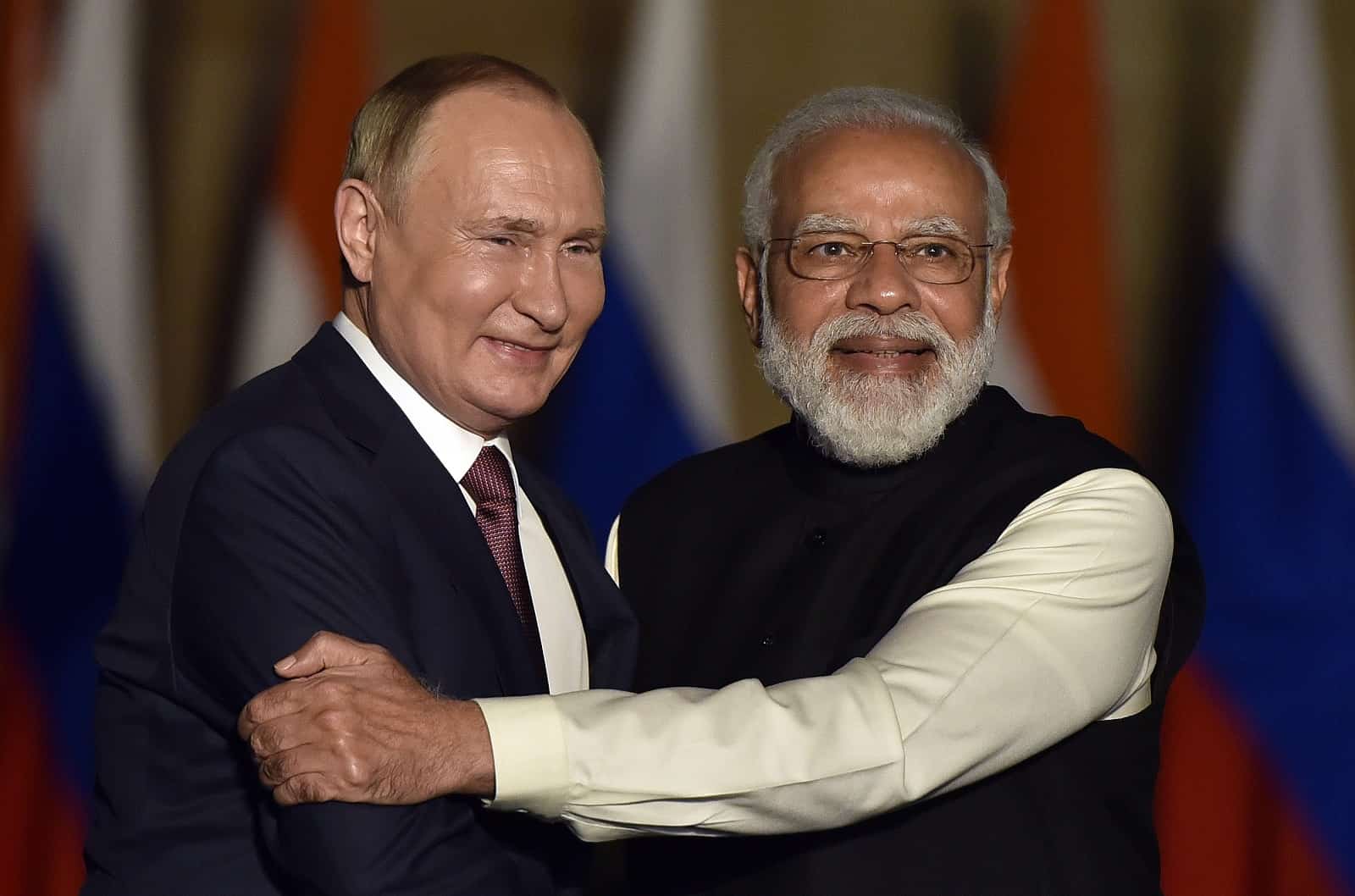
Russian President Vladimir Putin and Indian Prime Minister Narendra Modi at Hyderabad House, New Delhi (Sanjeev Verma/Hindustan Times via Getty Images)
Possibilities for Cooperation in a Ukrainian-Indian Perspective
The Future of India-Ukraine Relations: Even with the diplomatic hurdles, there are many more points that can fortify the relations between India and Ukraine. Economic relations may be established between the two countries. Infrastructure, technology, and agriculture investments in the reconstruction of the war-torn areas in Ukraine could be some of the opportunities offered to Indian companies. Ukraine could use the experience of India in the IT and pharmaceutical industries; this would be another direction of economic cooperation.
Similarly, thousands of Indian students had pursued medical education in Ukraine before the war. Furthering educational exchange and scholarships may better bilateral relations and create an opportunity for Indian students to return to Ukrainian universities once calm is restored.
India, being a country with a balanced diplomatic approach, could mediate the situation neutrally between Ukraine and Russia in their future peace talks. In India’s engagement with both Moscow and Kyiv, India possesses the requisite leverage to mediate and bridge interlocutory gaps.
While full-fledged military cooperation might still be a way off, Ukraine and India could explore cooperation in defense technology, cyber security, and intelligence sharing. This would be of benefit to India’s expanding defense sector, in which Ukraine has considerable experience, especially in aviation and armored vehicle technologies.
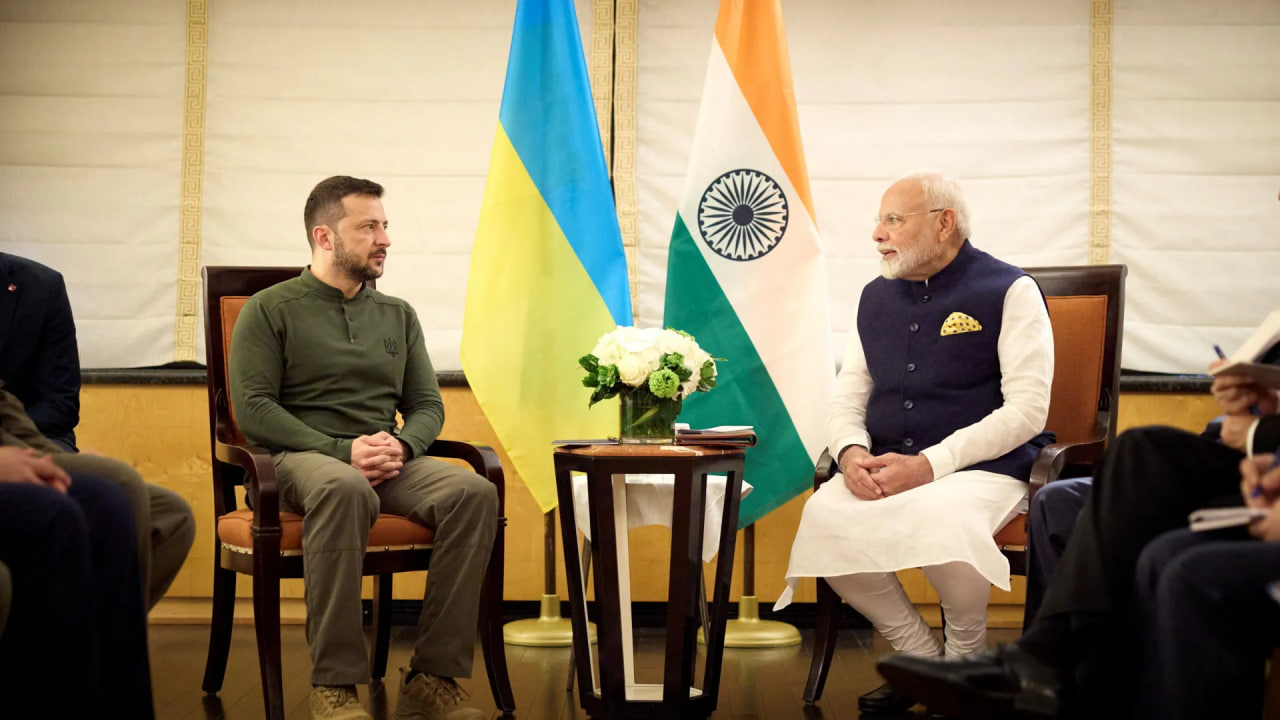
India’s Position on the War & Its Future Strategic Partners
As for India, it seemed to be much more cautious and aware of the consequences that such a war might bring. The manner in which it has approached the whole situation speaks much of strategic equidistance, historical relations, economic incentives, and the changing dynamics of the global order. India did try to maintain a low profile and not overtly criticize Russia, but, in the bargain, it also could not afford to completely close the diplomatic window for Ukraine and the West.
Indian neutrality is not a static affair. Indian neutrality has called for a peaceful resolution and has condemned the violation of sovereignty. It is a set of values diplomatically placed that the West seems to have taken their eyes off but not raising a voice against Russia. Such two-pronged strategy allows India to sustain its long-term energy and defense relations with Moscow while improving ties with Western nations. At the same time, India has pursued its humanitarian role by sending medical aid to Ukraine and has allowed the evacuation of foreign diplomatic personnel-a service that demonstrates the interests in global security.
The stand over the conflict in Ukraine finally portrays India’s interests and vision in a multipolar order. What incenses Ukraine is that India has not condemned Russian aggression. Yet, one must admire the subtleties of Indian foreign policy and the necessity to retain strategic autonomy.
It is, thus, at the end of diplomacy between Ukraine and India, focusing on shared values and opportunities of cooperation that perhaps both states will be able to bring each other to a better place. India perceives its strategic partners to be a group of multilaterally coalitions that involve the US, Russia, and other great powers. As for the future strategic partnership, it should strive to further define such strategic autonomy in promotion of national interests within a multipolarizing world. The positions of India are dynamic and would keep evolving with time, depending on the geopolitics. Ukraine’s continued outreach and strategic engagement, hence, become crucial in nudging India to stay engaged and committed for calling out greater cooperation in the future.
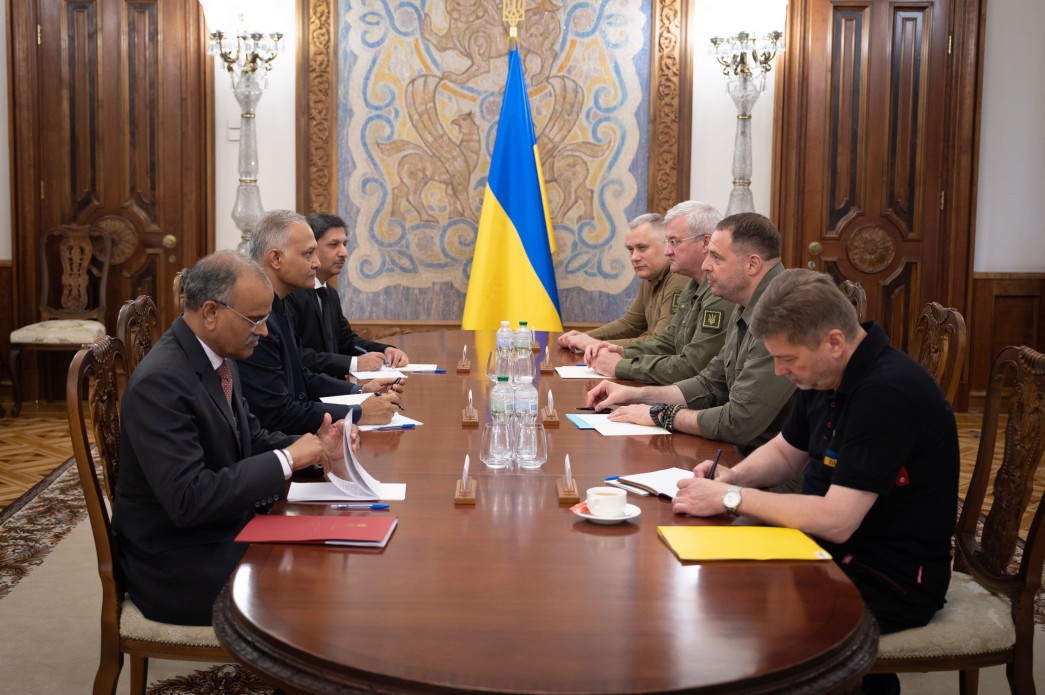
Conclusion
India views the Russian-Ukrainian war against the backdrop of strategic autonomy and maintenance of national ambition, in observance of global diplomatic norms. From the beginning of the conflict, India’s stance has been neither that of a strident critic of Russia nor an uncritical friend and has been supportive only when the clarion was sounded for peace and dialogue, in condemnation of the Russian stand. Despite best attempts by Ukraine to rope in India, at a personal level even by President Volodymyr Zelenskyy in person, the entanglement of the two countries based on history, economic interdependence, and reconfiguration of global powers became an impediment to such short-term cooperation.
The time for policy realignment is closing in, with India’s defense and energy relationship with Russia already foreclosing a near-term shift. But with war re-configuring global blocs and economic linkages, there is the possibility of a new era in India-Ukraine relations based on economic, technological, and diplomatic linkages, not military engagement.
In the near future, Ukraine could offer excellent opportunities for India in various fields, from post-war reconstruction, infrastructure, and IT to pharma and trade. Both countries can also look to boost their cooperation at the multilateral level and further their interests through India’s leadership of the Global South in economic diplomacy.
On the other hand, the future of India-Ukraine relations is dependent upon India and Ukraine reconciling their national interests at the geopolitical level with each other in relations between the two states so that they are mutually beneficially interlinked at the level of diplomacy closure despite shifting global situations.
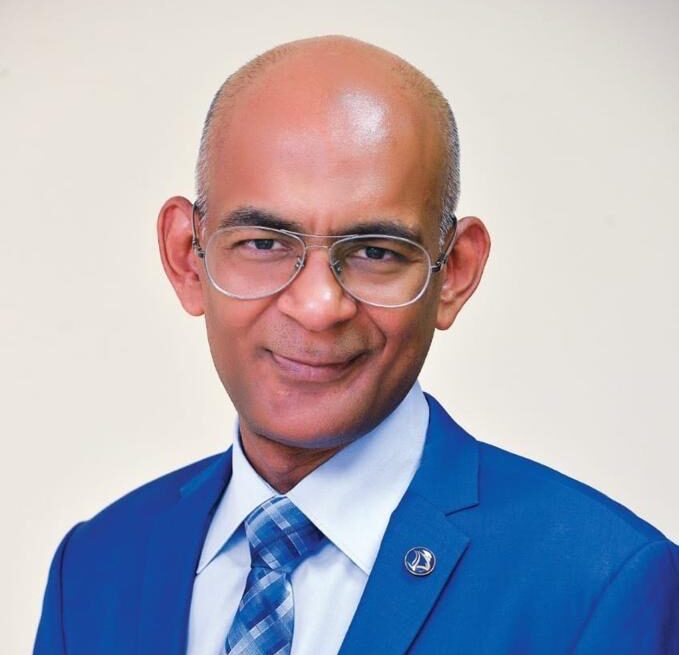
Dr. Binay Singh
Chairman of Ukraine-India Business Association