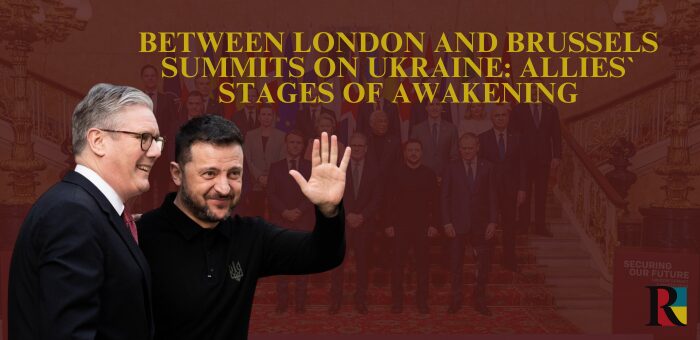


After visiting the White House, Volodymyr Zelenskyy attended the pivotal meeting in London on March 2, initiated by British Prime Minister Keir Starmer. 18 leaders gathered to discuss how to increase the support of Ukraine in light of the U.S. shift towards improvement of relations with Russia. On March 6 another meeting — of 27 EU leaders and Ukraine in Brussels took place. What have they achieved?
London: discussion on The Future Decisions
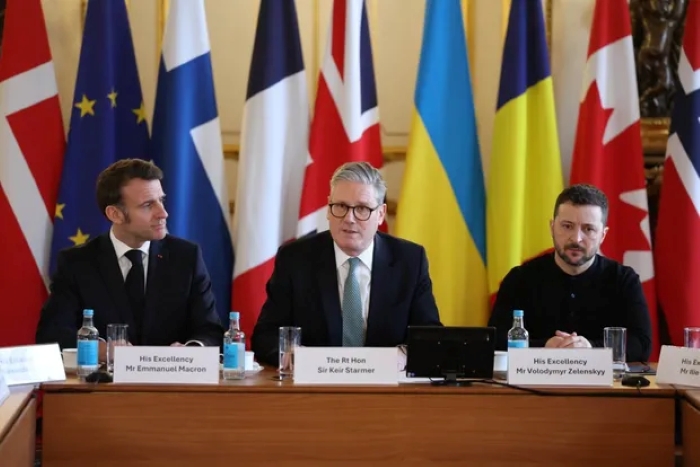
Prime Ministers from Canada, the Czech Republic, Denmark, Italy, the Netherlands, Norway, Poland, Sweden, and Spain, along with the host Prime Minister of the United Kingdom, attended the meeting. Also, present were the Presidents of Ukraine, Finland, and France, the Interim President of Romania, the German Chancellor, the Minister of Foreign Affairs of Turkey, the President of the European Council, the President of the European Commission, and the Secretary General of NATO. Notably, representatives of the Baltic countries — likely to be Russia’s next targets, according to Russian government propaganda — were not present. However, as LRT Radio reported, Keir Starmer apologized to them for this.
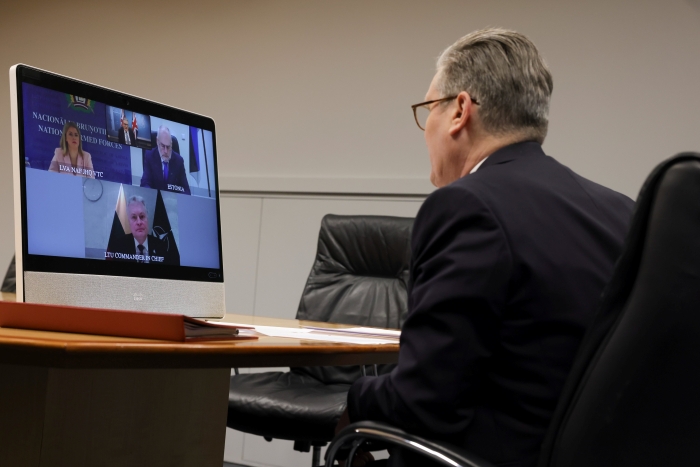
Since the gathering was rather spontaneous, no precise solutions were put forward.
Europe has woken up, — wrote Polish Prime Minister Donald Tusk on X.
According to a report on the official website of the President of Ukraine, discussions covered support for Ukraine’s defense sector and the simultaneous strengthening of Europe’s own defense capabilities. The allies reaffirmed that sanctions would not be lifted, nor would Russian assets be unfrozen, until a lasting peace is achieved. NATO mechanisms were also mentioned as a potential security guarantee, though how NATO principles might be applied remains officially undisclosed.
The unity of Europe is at an extremely high level, which has not existed for a long time. We discuss with our partners’ security guarantees and conditions for a just peace for Ukraine. We are preparing a number of important meetings and decisions in the near future, — wrote the Ukrainian President on his social media.
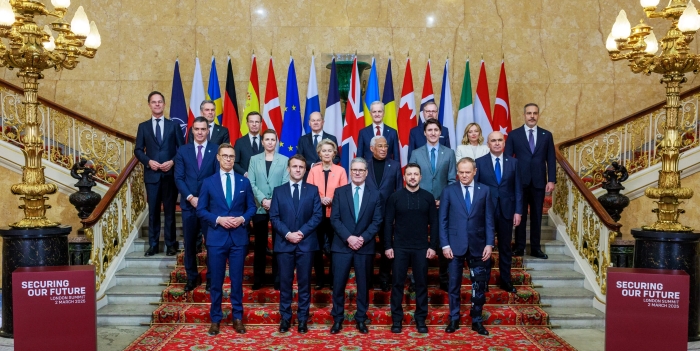
So far, prominent leaders agree on the necessity to significantly increase defense spending within a short timeframe while also developing a long-term strategy. NATO Secretary General Mark Rutte outlined the priorities on his X account:
Very positive heading into today’s meeting in London. Three key points:
-
Support Ukraine today. All in Europe will need to give more
-
We all want a peace deal, and it has to last. Europe is really stepping up here
-
To keep NATO strong, Europe will increase defense spending.
Solutions Coming Afterward
On March 4, European Commission President Ursula von der Leyen presented a rearmament plan outlining 5 steps to rapidly enhance defense capabilities and sustain them. The plan includes a proposal to unlock public funds for defense spending.
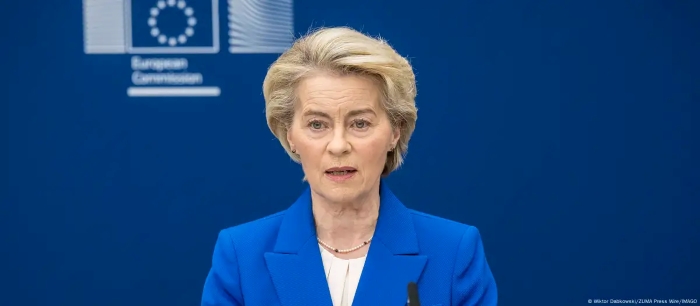
Frozen Russian assets are also considered a potential source of funding. However, there is no consensus on their use due to primarily legal constraints. One of the key officials advocating for their utilization is the EU High Representative for Foreign Affairs and Security Policy and Vice-President of the European Commission, Kaja Kallas.
Matthew Savill, Director of Military Sciences at tank Royal United Services Institute (RUSI) shared with The Ukrainian Review his opinion whether the current measures are focused more on long- or short-term solutions:
It looks like European countries are preparing to both increase short-term support (equipment and weapons) as well as make a longer-term contribution to Ukrainian security in the aftermath of some kind of cessation of fighting. This is both because Europe appears to finally recognise that a significant increase in defence investment is required, and because they have been left struggling to influence the US-led talks and need a way to ‘buy’ their way in. There are two problems though: first, the current level of investment probably isn’t enough to do both at the same time properly; second, the US administration seems disinclined to support a European deployment to Ukraine, and is more focussed on using its leverage against Ukraine to make compromises.
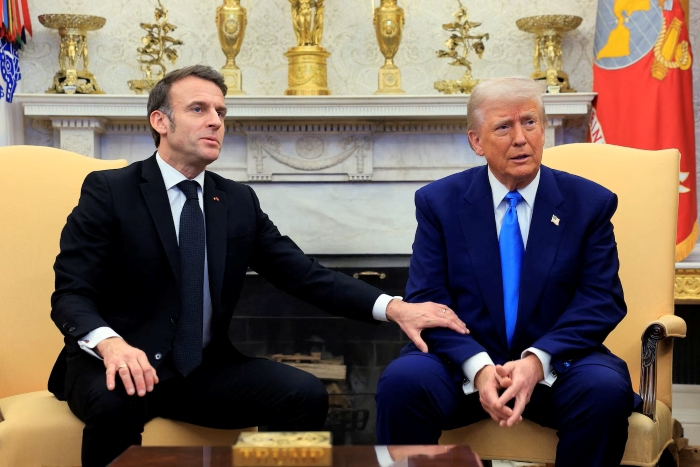
Currently, the United Kingdom and France are set to lead support efforts for Ukraine. Earlier, French President Emmanuel Macron and British Prime Minister Keir Starmer met with Donald Trump, two days apart. Both leaders emphasized that the financial aid provided by their countries is not meant to be repaid by Ukraine. However, their statements regarding the U.S. remain cautious.
The United States of America and France share a long history of friendship. We have shown that our relationship is of mutual trust, — wrote on X French President after the meeting with Donald Trump on February 25.
Earlier on, as a response to the meeting of the U.S. and Russia in Saudi Arabia, Emmanuel Macron also initiated two meetings in Paris (the second one in a hybrid format).
Keir Starmer also outlined that it is important to keep good relations with the U.S. government in his speech after the London Summit:
The first priority of this is the security and safety of the British people to defend the national interest particularly in these volatile times that’s why last week I announced the biggest sustained increase in defense spending since the Cold War that’s also why I met president Trump last week to strengthen our relationship with America.
As Volodymyr Zelenskyy mentioned during his conversation in the Oval Office, European contingents are prepared to serve as security guarantees, but their effectiveness would be questioned without U.S. participation, and the appeals of European leaders to U.S. involvement illustrate this point.
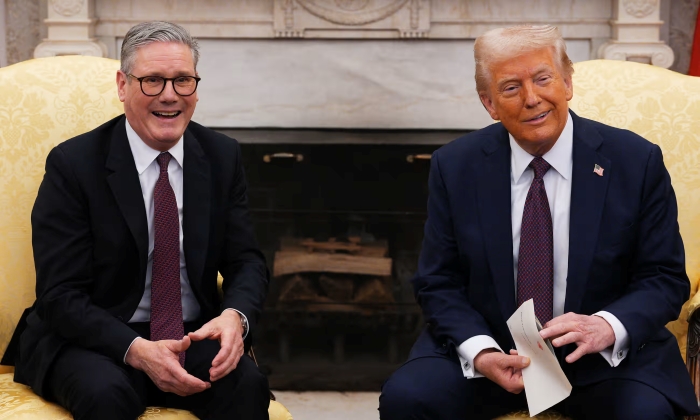
British Prime Minister Keir Starmer announced a £1.6 billion missile deal for Ukraine. Two days after the London meeting, Dutch Prime Minister Dick Schoof announced a €700 million investment in Ukrainian drone production, highlighting how partners are supporting different types of weapons essential for defense. Later, the UK government website revealed that another deal worth nearly £30 million for drones was also signed in London. Meanwhile, Norway’s Prime Minister, in his speech to Parliament, called for increased support for Ukraine, and they will double the amount of aid.
The details of Europe’s vision for a peace plan remain undisclosed, but it will likely include the coalition of the willing concept. According to France 24, Macron stated that France and the UK are working on a one-month truce in Ukraine to test Russia’s willingness for peace. Russia continues attacks on civilian infrastructure while these initiatives are being developed.
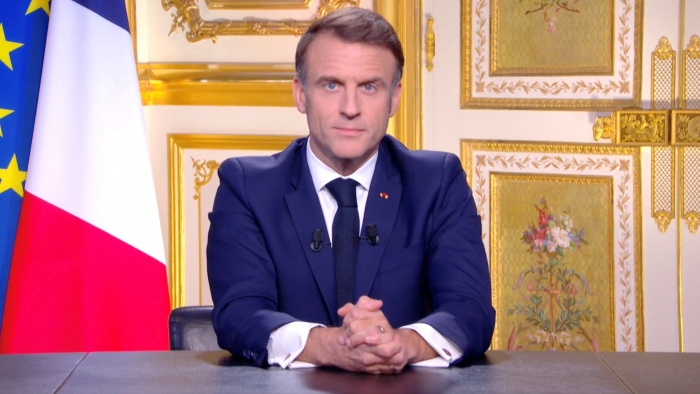
In his March 5 address, Macron’s rhetoric became more decisive. During the first cabinet meeting on February 26, The Guardian reported that Trump threatened to impose 25% tariffs on the EU. At the beginning of March, he introduced new tariffs on imports from Canada, Mexico, and China. Consequently, Macron both opened and concluded his address with concerns that similar tariffs on Europe could soon be implemented.
He stated:
We need to come up with a long-term peace plan. The one that we can continue to check. This is what we have prepared with several European partners and Ukraine. This is what I went to present to the United States just a few days ago. I want to believe that the United States will stay by our side, but we need to be ready if that is not the case whether we come to peace now or somewhat distant future Europe needs to be able to better defend itself and deter other forms of invasion whatever the case may be… the future of Europe is not going to be decided by Russia or by Washington.
Macron has also launched a discussion about the nuclear umbrella as a tool for protection.
Germany may also emerge as the third leading power. The likely next Chancellor, Friedrich Merz, stated in a press conference that he intends to persuade the current Bundestag to approve additional aid for Ukraine. Recently, he also made several remarks about increasing support as a new leadership priority, including the possible delivery of Taurus missiles.
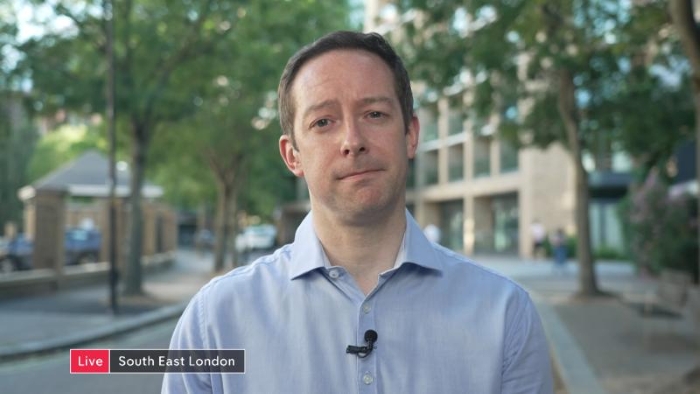
Matthew Savill shared his expertise on the current leaders of new approach to support of Ukraine:
Within Europe, there are clearly a number of positions, which means that beyond achieving agreement on the need to spend more, consensus has been hard to achieve. It is hard to see Germany, for example, having much to deploy into Ukraine given the problems of military readiness it has, even though it raw cash terms, it has the largest European defence budget last year. It might better focus on improving its own capabilities while also spending on sending more equipment.
A collaborative approach across Europe that divides up tasks (including a better training effort for Ukraine) would avoid bringing into the open European divisions. Overall, it’s worth noting that Europe is not in a position to completely replace US military support with the space of a year or two, given the volume and sophistication of some of that support (e.g. Patriot missiles, intelligence). European support also comes in many varieties, which increases the complexity of training and integration for Ukrainian users. However, Europe could help with enough weapons and equipment in most areas to at least minimise the rationing of some weapons and missiles, as well as providing funding for Ukraine’s domestic production of drones.
Brussels: shaping the drafts
This EU-Ukraine summit was also an emergency meeting. For the first time since the shift in the U.S. position, not only Ukraine’s closest allies but every country in the bloc gathered for discussions.
As Euronews reported, Andrius Kubilius, the European Commissioner for Defense and Space, announced that they are working on making €150 billion initiative in the framework of the ReArm Europe possible.
Meanwhile, more countries are expressing their willingness to send peacekeeping troops if necessary. Militarily neutral Ireland is considering this possibility. Earlier, as Reuters reported, Turkey also expressed its readiness to contribute.
During the EU summit, Volodymyr Zelenskyy had the opportunity to discuss Ukraine’s urgent needs. On his social media, he summarized:
Air defense, weapons and ammunition for Ukraine, timely deliveries, strengthening Ukraine’s defense industry, EU accession negotiations, the need to increase sanctions pressure on Russia, and countering sanctions circumvention — all of this was among the topics we addressed today.
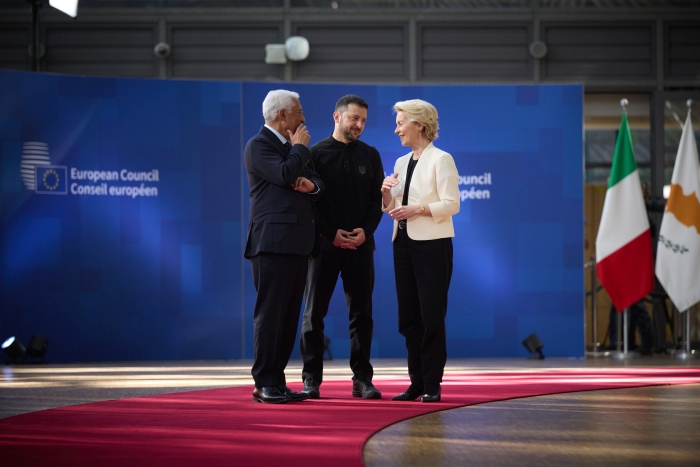
Predictably, 26 EU member states agreed on the conclusions regarding Ukraine, while Hungarian Prime Minister Viktor Orbán opposed them. Meanwhile, the European Council called for solutions regarding gas transit, leading Slovakia to refrain from opposing the common agenda.
Italian Prime Minister Giorgia Meloni proposed an extension of NATO’s Article 5 on collective defense to Ukraine without its membership in the alliance.
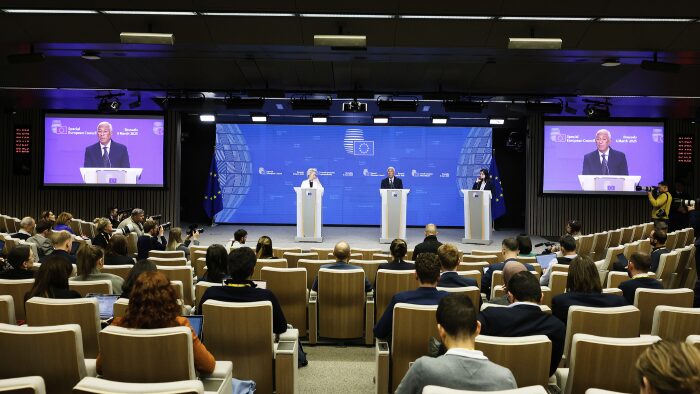
Europe is taking the initiative in finding solutions, recognizing the inevitability of Russia’s continued aggression and the threats it poses to multiple countries. Leaders are actively bringing forward proposals. Among the key ideas are increased defense spending, including the use of public funds, debates on frozen Russian assets, the peacekeeping troops initiative, and ceasefire plans. The broader strategy is in the process of development, though many details remain confidential.
Daria Maslienkova