
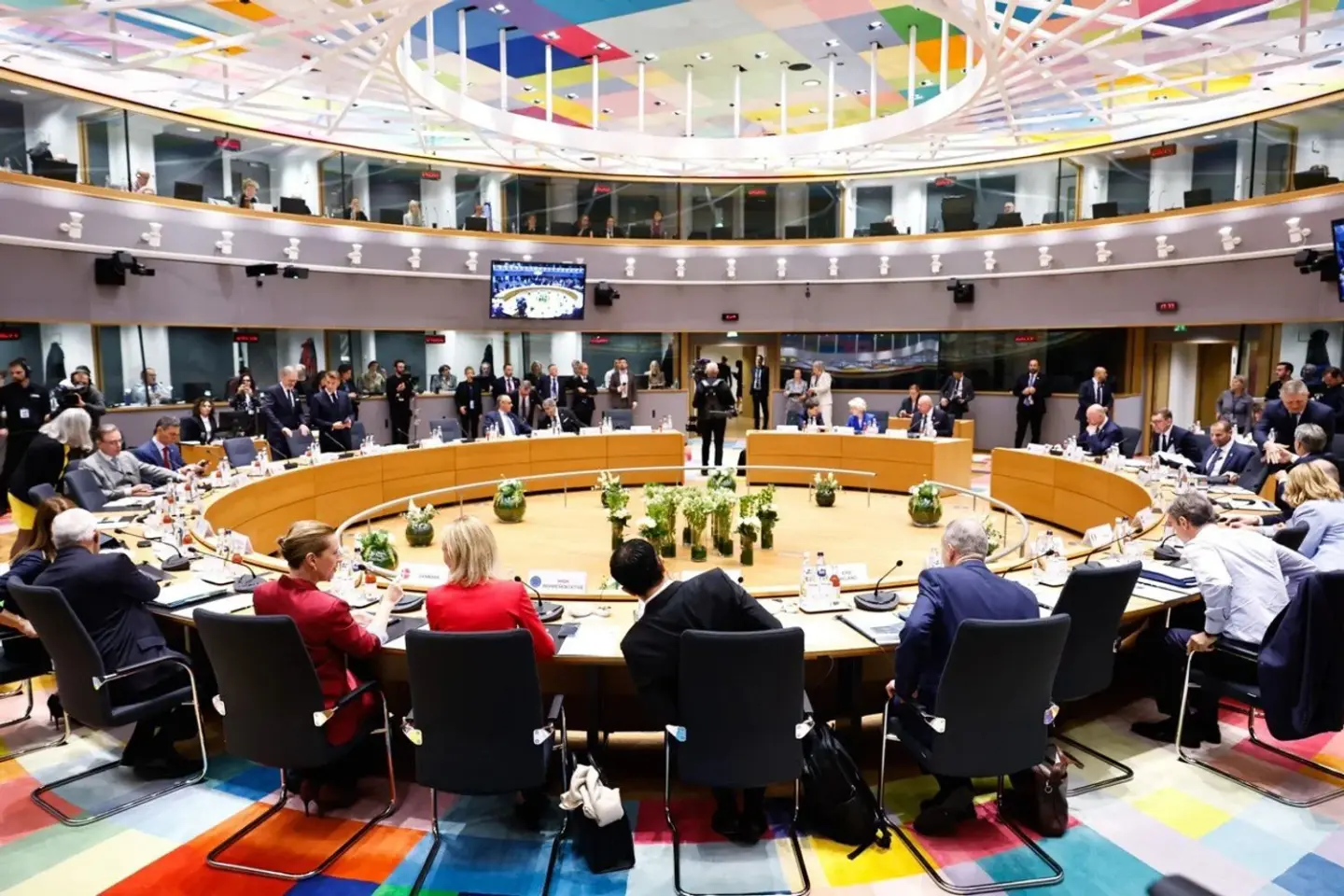


After the EU summit in October ended without a clear outcome, the European Commission was tasked with exploring alternative ways to provide financial and military support to Ukraine in 2026–2027, Euronews reports. President Volodymyr Zelenskyy warned that the country will need funds “from the very beginning” of next year, while the flow of external aid is slowing due to actions by the current US administration. This uncertainty is prompting the Commission to consider different scenarios. What might these options look like?
Loans from Frozen Assets: Mechanism and Significance
The European Commission proposes providing Ukraine with €140 billion from frozen assets of the Russian Central Bank through Euroclear, the central securities depository in Brussels. Ukraine would only repay the loan after Russia compensates the damage. Then the Commission would reimburse Euroclear, which would then settle with Russia, theoretically avoiding confiscation.
The reparations loan is symbolic, showing that Ukraine receives funds directly from the aggressor, not European taxpayers, emphasizing justice and accountability.
Although most EU capitals generally support this plan, Belgium is blocking it. As the main owner of the assets, Belgium fears bearing the risk alone if Russia retaliates and is therefore demanding guarantees of solidarity from all EU members.
Extended Loan: Accessing Additional Resources
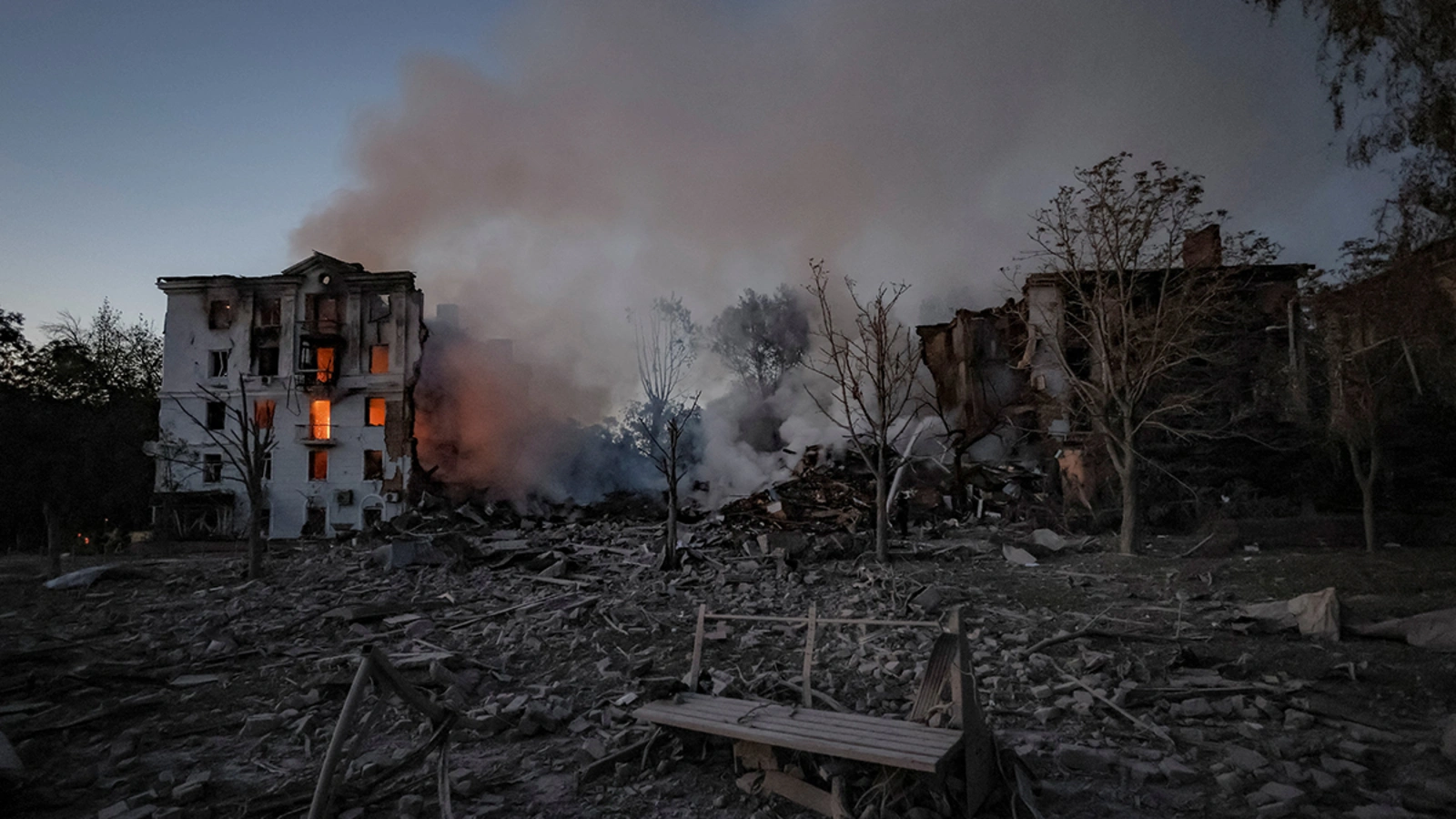
Belgium also criticizes the plan because it is based on roughly €185 billion, while frozen assets of the Russian Central Bank in the EU are estimated at about €210 billion. This leaves around €25 billion unaccounted for due to access difficulties or lack of information. The Commission could locate these additional assets in France or Luxembourg and add them to the proposal. However, if the assets are held in private accounts, banking secrecy may complicate access. Even then, Belgium would remain the key source.
Joint Debt and Grants: Mobilizing Support
If Belgium refuses to support the plan, the Commission may turn to financial markets, issuing new debt on behalf of all member states. Early in the war, the EU used this approach through macro-financial assistance (MFA) programs, which Ukraine eventually had to repay.
An alternative is to provide grants as non-repayable aid, financed from Member States’ budgets. Legally safer, this option is politically sensitive for many countries. Thus, the Commission faces a choice: risk issuing debt, which would add financial pressure on Ukraine or EU budgets, or use grants, which are legally safer but politically more complex.
Bilateral Agreements: an Alternative Approach
There is another scenario. If EU-level decisions fail, countries could continue support via bilateral agreements. This allows countries to circumvent obstacles, as Ukraine once did with Hungary’s veto on military aid. However, this approach is unstable, as a newly elected government in any country could reduce or stop aid, forcing others to cover the shortfall.
Bridge Loan: Covering Urgent Needs
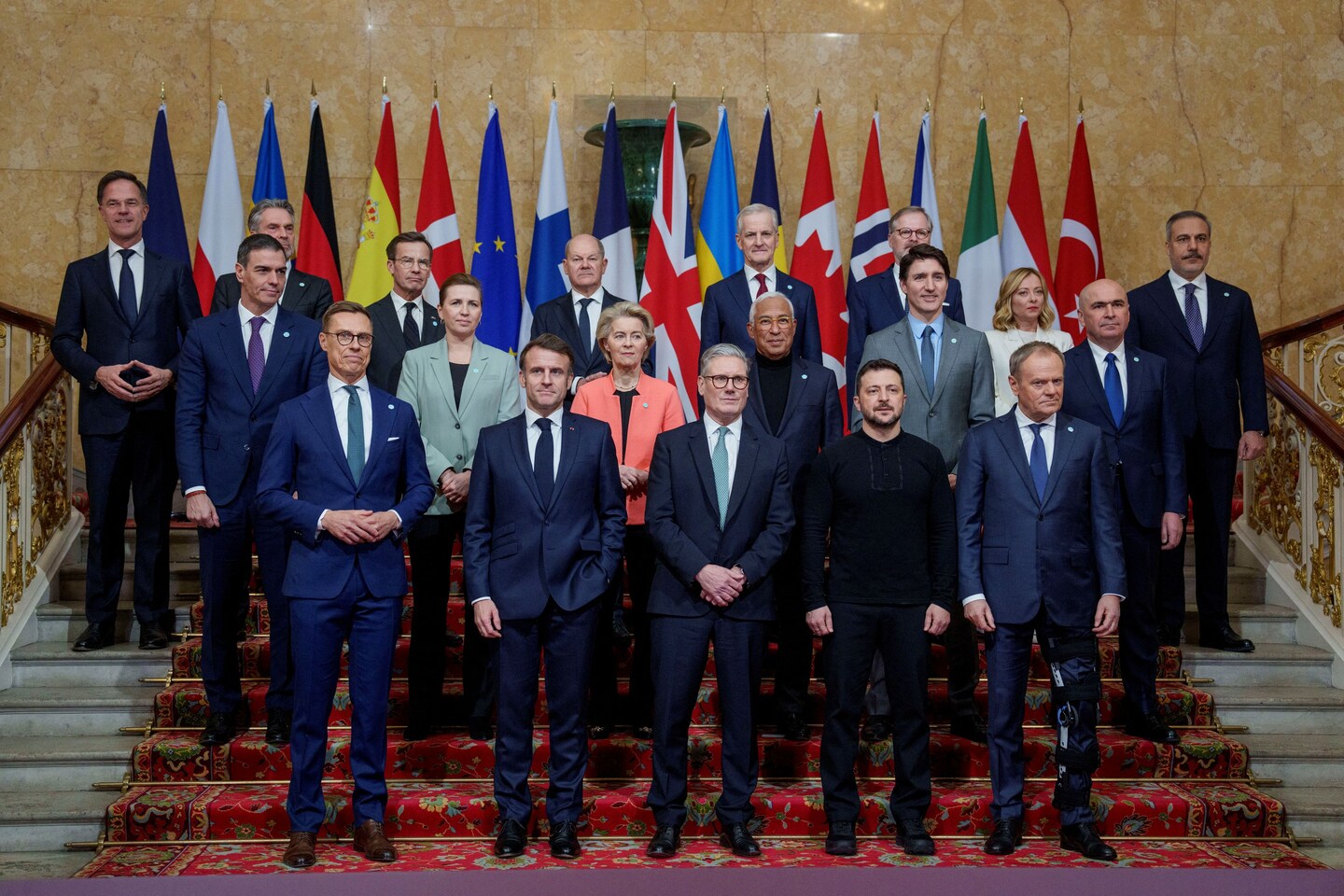
Another option is a “bridge” loan for a few months to cover Ukraine’s most urgent needs while negotiations over frozen assets continue. This is easier for governments to approve under political pressure, but it only delays a final decision and does not solve the long-term issue.
Final Choice: Options and Decision
EU leaders will decide the final mechanism at the December summit, determining Ukraine’s financial and military support for 2026–2027. The EU faces a dilemma. It can choose an ambitious, symbolic option, but this carries a risk of delay. Alternatively, it can select less effective mechanisms that are more stable.
The reparations loan remains the most ambitious and symbolic choice. Extending it to include additional assets could ease Belgium’s concerns but remains legally and politically complex. Joint debt and grants are legally safer but create financial or political burdens for member states with limited budgets. Bilateral support and temporary bridge loans allow a rapid response. However, they are unstable. Any change in government could reduce the support, as it depends on political cycles.
The EU must make a final decision that balances ambition, effectiveness, and stability. This decision will determine the funding Ukraine receives. It will also affect the EU’s ability to support Ukraine at a strategically important stage.