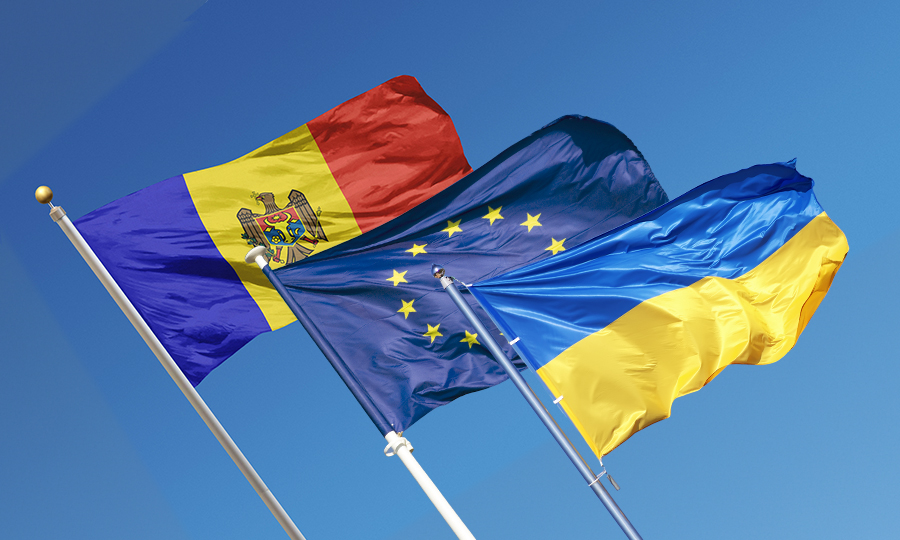


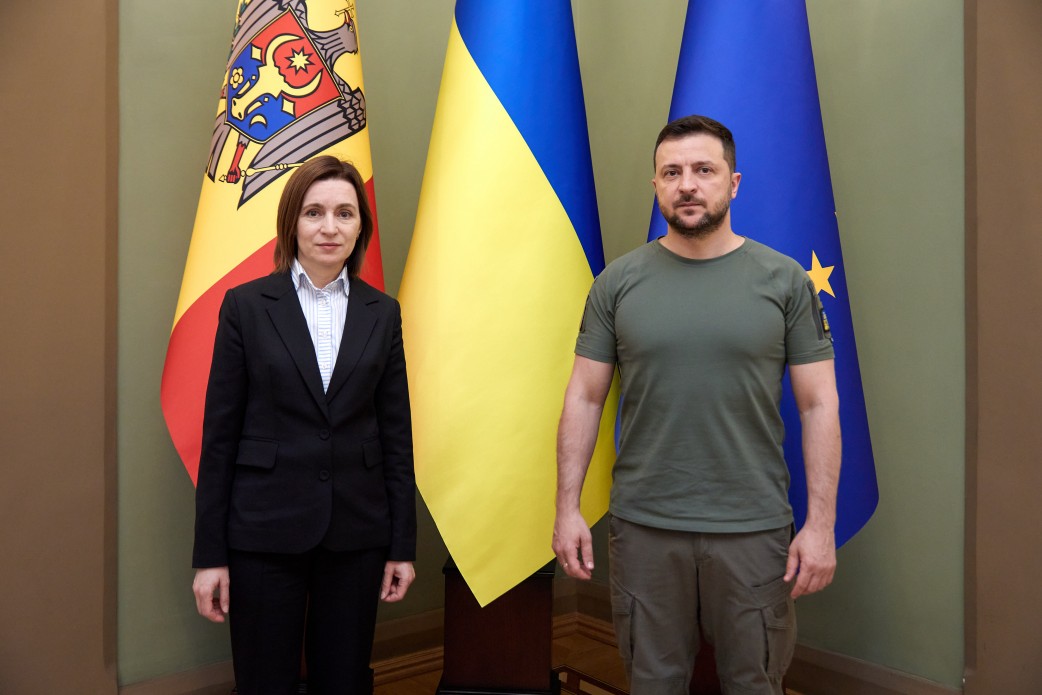
Moldova is calling on the European Union to prevent political delays in EU integration amid Hungaryʼs veto on Ukraineʼs accession, Euronews reports. Chisinau applied for membership at the same time as Kyiv in 2022, and both countries are moving forward on a single negotiating track in Brussels. Since then, both countries have made progress in joint negotiations. Any slowdown in the process regarding Ukraine now directly affects Moldovaʼs pace.
Moldova awaits clear signals from the EU
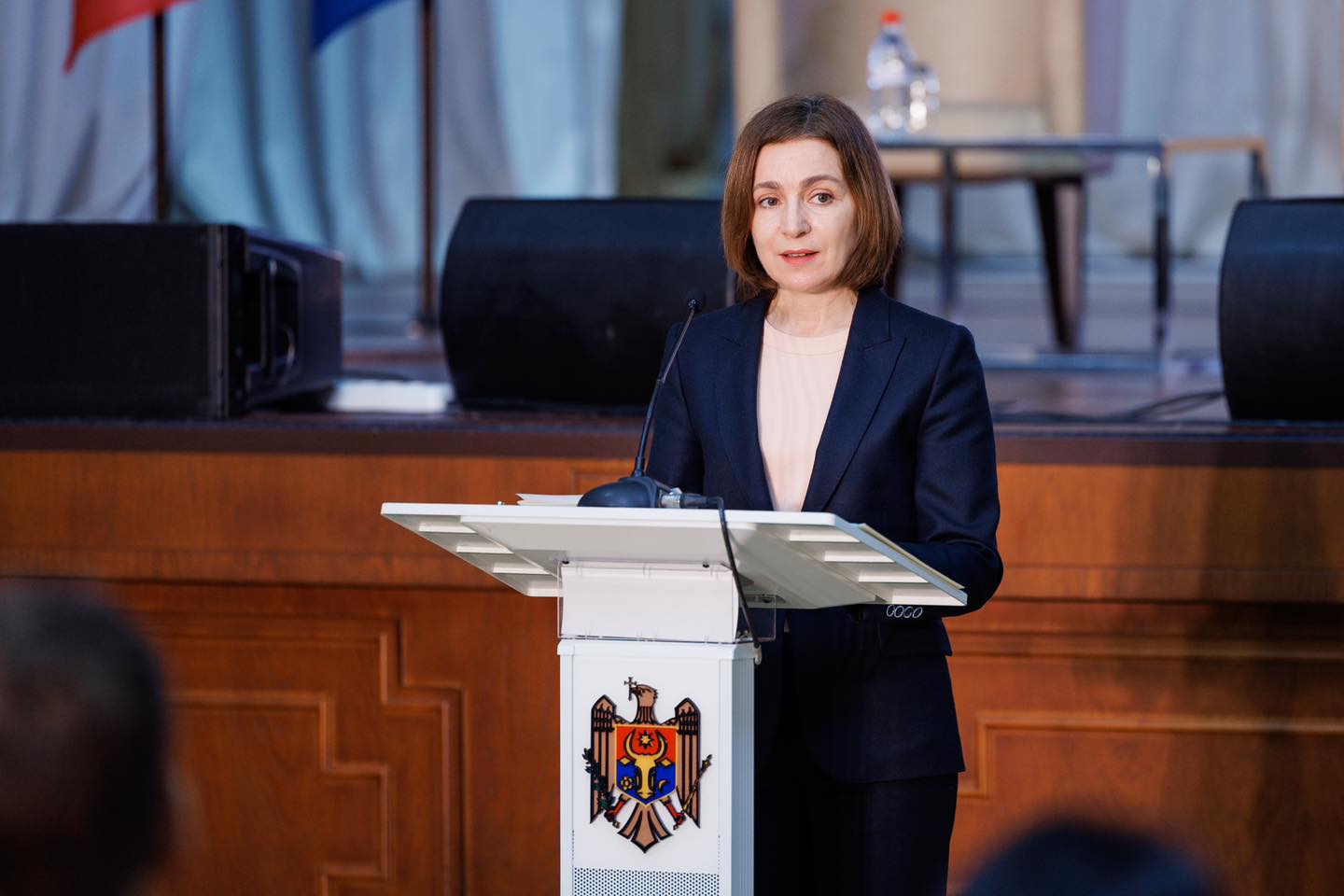
President Maia Sandu says Moldova has fulfilled all its commitments. The country has implemented key reforms and shown domestic political consensus for EU integration.
“What we need now is sustained engagement and clarity from the EU to keep enlargement as a strategic priority and to maintain the momentum for those who deliver,” she said.
According to Euronews, the European Commission will publish its annual report on EU integration next week, assessing Moldova’s progress. The outlet also notes that the victory of the pro-European PAS party gave Chişinău a strong internal mandate to continue its EU path.
EU integration as a security necessity
Moldova, together with Ukraine, is ready to open the first cluster of negotiations. It covers key areas: rule of law, judiciary, democracy, human rights, security, and public procurement. Sandu says that after the full-scale invasion of Ukraine began, EU membership “took on a deeper meaning” for Moldova. It is not just about modernization and economic growth anymore. It is also about preserving democracy, countering Russia’s hybrid influence, and resisting attempts to polarize society or interfere in domestic politics.
For Ukraine, Hungary’s veto is not only a diplomatic challenge but also a blow to the strategic logic of integration. The EU is discussing a new framework for EU membership as a security tool. Kyiv sets the scale and pace of EU integration reforms. Any slowdown in Ukraine’s accession weakens sanctions and security pressure on Russia and sends a weaker signal within the EU about its commitment to the region’s resilience.
Conclusions
Hungary’s veto creates political risks for Moldova that it cannot handle alone. Chişinău stresses that EU integration should remain a strategic security policy, not an internal bargaining game.
Moldova has done its part. Moving forward is now a political decision for the EU. This is not just about one more candidate country. It is about whether Europe is ready to defend its strategic space while Russia tries to shrink it.
The next steps depend on whether the EU can find ways to continue despite targeted political blockages. For Moldova, the issue is not speed, but securing long-term stability.