

Sleepless Night for Russia’s Air Defences
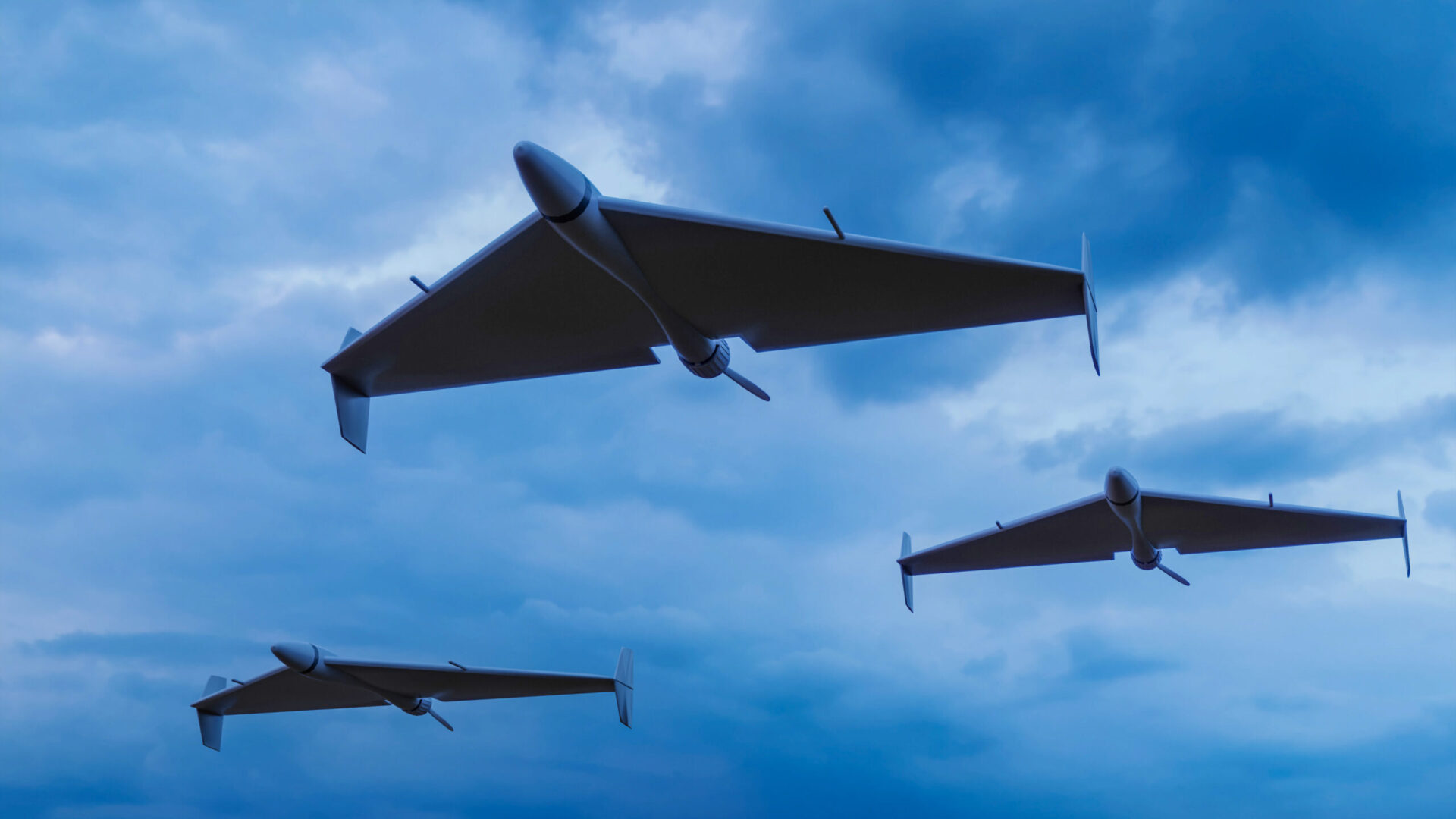
The last month of autumn began with a heavy swarm of drone strikes against Russia. On the night of November 1, waves of Ukrainian drones attacked several Russian cities. The Russian Ministry of Defence claimed its air-defence forces shot down 98 UAVs: 45 over Belgorod region, 12 over Samara, 11 over the Moscow region (six of which were said to be heading straight for Moscow), 10 over Voronezh and Rostov regions, 4 over Tula, 2 each over Lipetsk and Ryazan, and one each over Kursk and Kaluga.
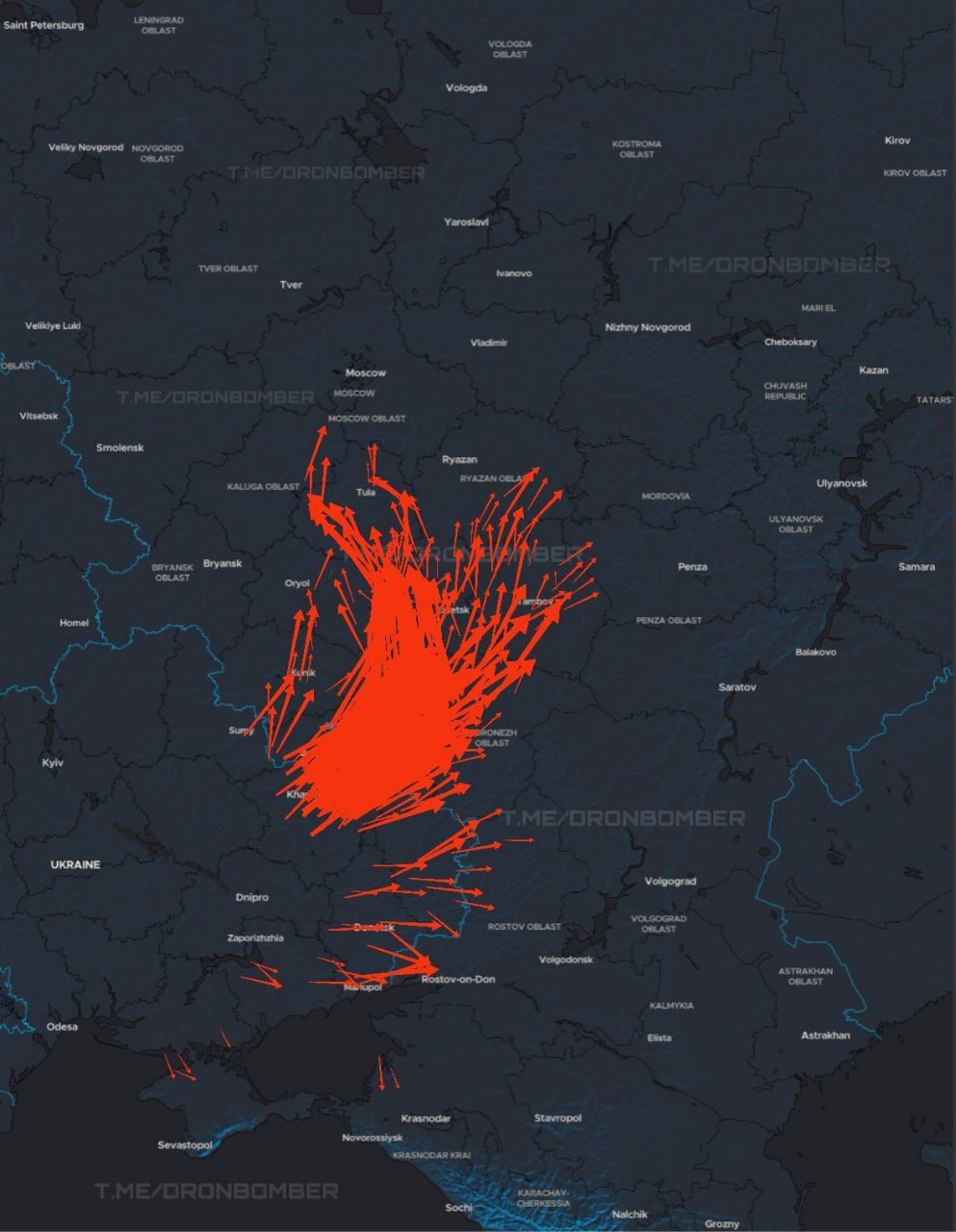
Local Telegram channels reported power outages, including in Zhukovsky near Moscow, and in other regions, likely caused by the drones. Russian authorities made no official comment on the night events. Energy providers, however, claimed the outages were caused by a network failure.
At the same time, airports in Penza, Samara, Saratov, Kaluga and Tambov temporarily restricted arrivals and departures because of the UAV threat.
Late in October, Ukrainian forces also struck energy networks in Bryansk and Oryol regions and hit the “Vladimirskaya” substation. These attacks point to a deliberate strategy to pressure logistics and critical infrastructure inside Russia. Massive drone strikes force the enemy to spend resources on defence. They also create psychological pressure on the civilian population.
Strike on Russia’s Strategic Ring Pipeline
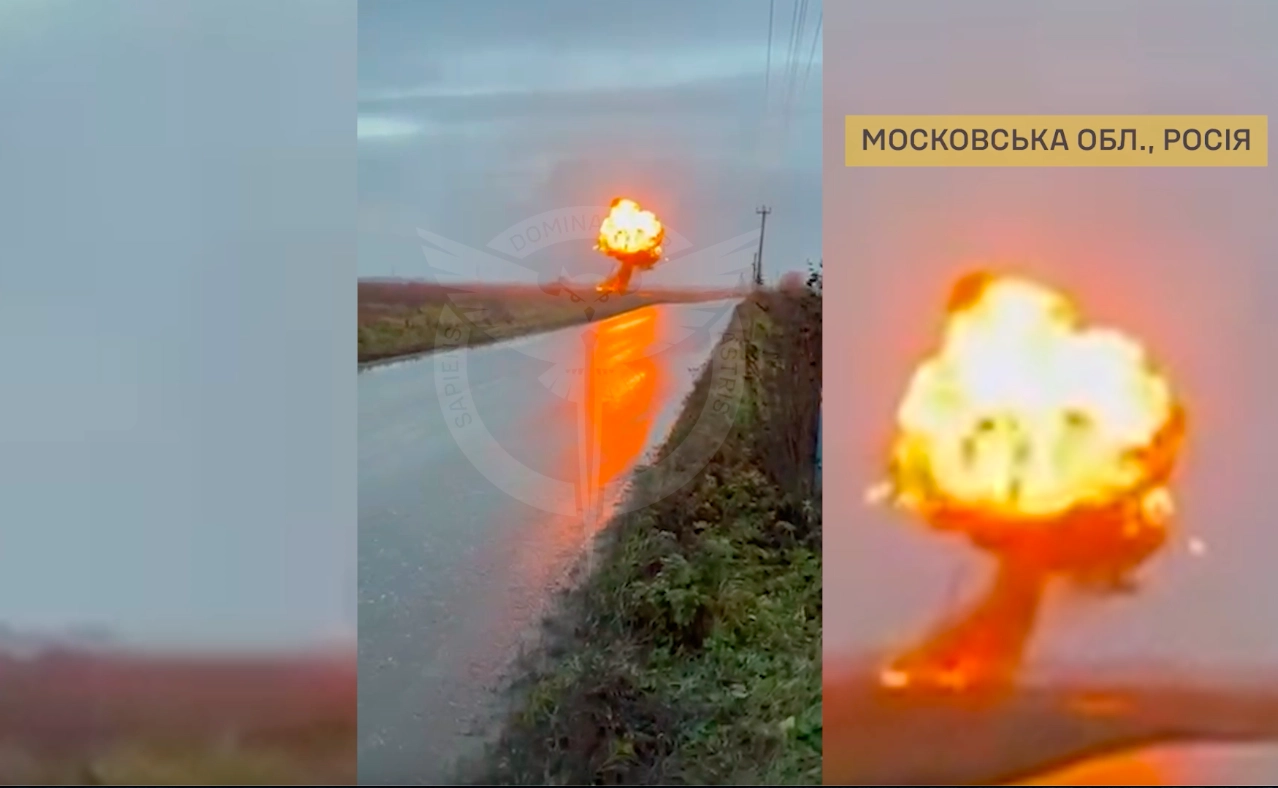
On October 31, Ukraine’s Security and Defence Forces successfully put out of action a major military asset in the Moscow region — the “Ring” fuel pipeline in the Ramensky district. All three lines transporting petrol, diesel and aviation fuel exploded.
Damage to the pipeline creates real supply problems for fuel deliveries to military sites and critical regions. Armed guards and anti-drone systems failed to stop the Ukrainian operation. That indicates a high level of preparation and coordination by Ukraine’s defence forces.
This strike also demonstrates the effectiveness of Ukraine’s “deep strike” approach. The strategy combines drones, special operations and cyber actions to systematically weaken the enemy.
Russia can try to compensate with reserve stocks or emergency repairs. But such measures take time, resources and attention — things the enemy may lack during active combat. Pokrovsk, Myrnohrad and Kupiansk remain hot spots at the front. Meanwhile, attacks on logistics and energy infrastructure force Russia to divert resources from offensive operations to rear-area defence.
“Matches, Torches, Candles”
Ahead of winter and the heating season, Russia stepped up strikes on Ukraine’s energy sector. According to Ukraine’s Air Force, on October 30 Russia used 653 drones and 52 missiles during a massive missile-and-drone attack. Critical facilities were damaged, including power lines serving the South Ukraine, Khmelnytskyi and Rivne nuclear power plants. The IAEA reported that agency experts were forced to shelter during the strikes, and that some reactor units temporarily reduced output.
Against this backdrop, the Commander of Ukraineʼs Unmanned Systems Forces, Robert “Magyar” Brovdi, warned Russians against premature celebrations and hinted at swift countermeasures:
“A blackout isn’t scary. It’s only a minor inconvenience. Get used to it. The USF ‘birds’ together with other elements of the Defence Forces’ deep-strike toolkit will ensure a rapid, if somewhat forced, adaptation. You’ll cope: ‘matches, torches, candles’,” he wrote on Facebook.

While Russia seeks to demoralize Ukrainians with blackouts and energy grid destruction, Ukraine is showing it can strike key targets inside enemy territory and keep the strategic initiative.
Conclusions
Regular blackouts and attacks on critical infrastructure create psychological pressure on Russia’s population. They force people to adapt to unstable conditions and undermine morale.
Night raids by Ukrainian drones and precise strikes on key infrastructure are not random acts. They are part of a systematic strategy. The strategy combines technology, targeted strikes and psychological impact.